Germany’s Best Baltic Coast Towns and Beaches
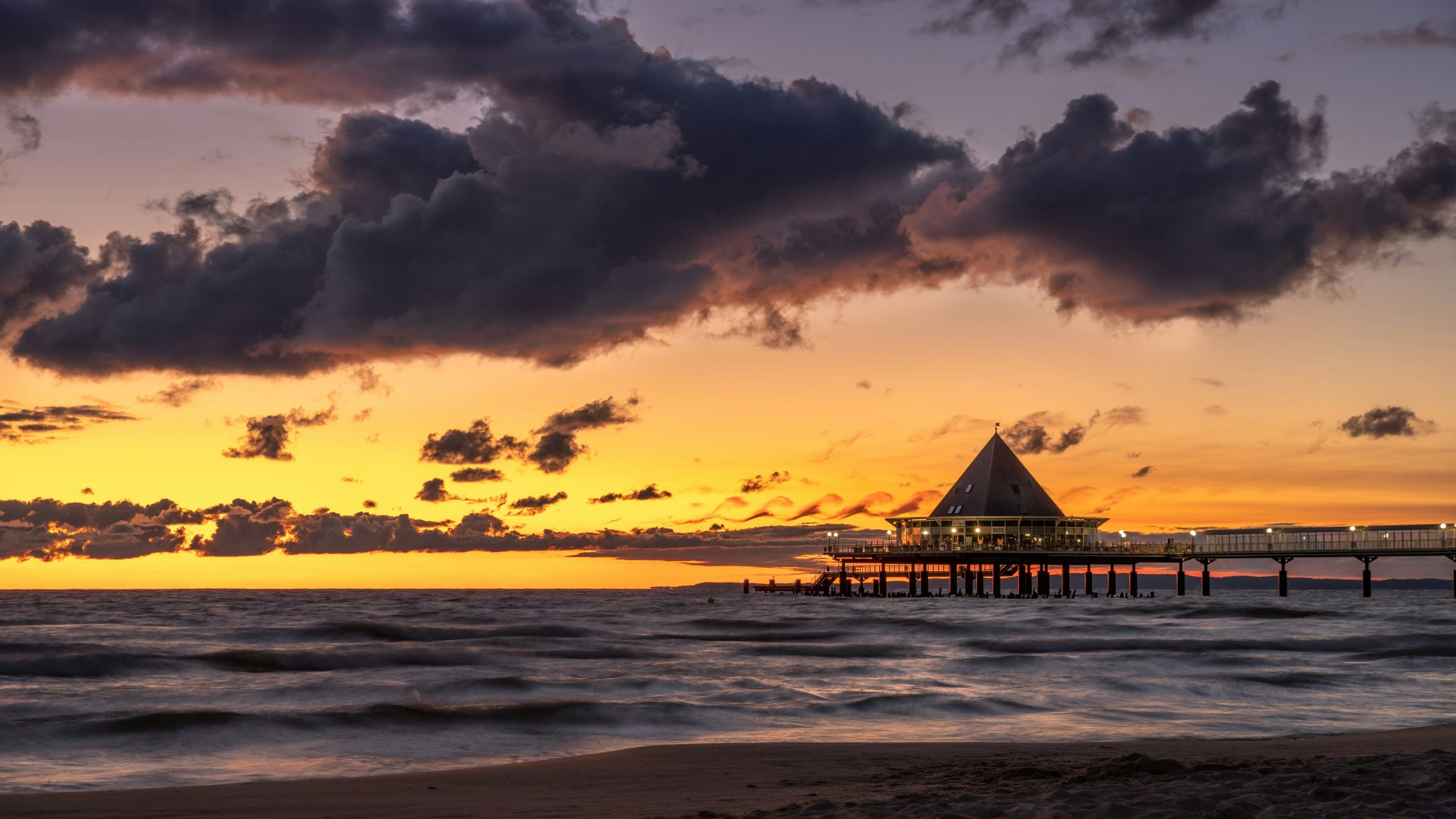
The best Baltic Coast towns in Germany depend on the kind of trip being planned. Kühlungsborn is the strongest all-around mainland resort, Travemünde is best for combining a beach with Lübeck, and Warnemünde is one of the easiest choices without a car. Binz and the Usedom resort towns make more sense for a longer island vacation.
Germany’s Baltic Coast covers Schleswig-Holstein and Mecklenburg-Vorpommern, including mainland resorts, peninsulas, and the islands of Fehmarn, Rügen, and Usedom. Known in German as the Ostsee, this coast has minimal tides, long sandy beaches, promenades, cycling routes, and well-developed resort towns.
The Baltic is generally easier for a conventional family beach vacation than the North Sea. Swimming does not revolve around a tidal schedule, but the water remains cooler than many visitors expect. Wind, rain, and peak-season crowds still need to be part of the plan.
The best base is rarely determined by the beach alone. Transportation, restaurants, activities away from the water, and the distance between accommodations and beach entrances can matter more over a multi-night stay.
Quick Comparison of Germany’s Best Baltic Coast Towns
| Town | Region | Best for | Beach setting | Car-free access | Ideal stay | Relative cost | Main tradeoff |
|---|---|---|---|---|---|---|---|
| Travemünde | Schleswig-Holstein | Lübeck plus beach time | Broad town beach and Priwall | Easy via Lübeck | 2 to 3 nights | Moderate to high | Less resort-focused |
| Timmendorfer Strand | Schleswig-Holstein | Easy family stays | Central resort beach | Manageable by train and local transport | 3 to 5 nights | High | Busy in summer |
| Eckernförde | Schleswig-Holstein | Town and beach balance | Beach beside the center | Good | 2 to 3 nights | Moderate | Fewer major attractions |
| Grömitz | Schleswig-Holstein | Traditional resort vacations | Long beach and promenade | Possible, but less direct | 3 to 5 nights | Moderate to high | Limited cultural depth |
| Heiligenhafen | Schleswig-Holstein | Active coastal trips | Beach, harbor, and nearby nature | Easier with a car | 3 to 5 nights | Moderate | Indirect rail access |
| Kühlungsborn | Mecklenburg-Vorpommern | Best all-around resort | Long beach and extensive promenade | Manageable via Bad Doberan | 4 to 7 nights | Moderate to high | Spread-out layout |
| Warnemünde | Mecklenburg-Vorpommern | Car-free short breaks | Broad urban-access beach | Very easy via Rostock | 2 to 3 nights | Moderate to high | Cruise-day crowds |
| Zingst | Mecklenburg-Vorpommern | Cycling and nature | Peninsula beach | More complicated | 4 to 7 nights | Moderate to high | Longer transfer |
| Stralsund | Mecklenburg-Vorpommern | History and access to Rügen | City waterfront, not a resort beach | Very good | 2 to 3 nights | Moderate | Not a true beach base |
| Binz | Rügen | First Rügen vacation | Full-service resort beach | Good by rail | 4 to 6 nights | High | Crowded and costly in summer |
| Sellin | Rügen | Smaller Rügen base | Resort beach below the town | Manageable without a car | 3 to 5 nights | Moderate to high | Steep beach access |
| Zinnowitz | Usedom | Relaxed family vacations | Wide resort beach | Good by island rail | 4 to 7 nights | Moderate | Fewer cultural options |
| Heringsdorf and Ahlbeck | Usedom | Architecture and resort hopping | Connected beaches and promenade | Good by island rail | 4 to 7 nights | High | Higher peak-season prices |
Kühlungsborn offers the most balanced mainland stay. It combines a substantial beach with restaurants, cycling, and enough infrastructure for several days.
Travemünde and Warnemünde are better for short trips. Zingst works for travelers who want nature and cycling, while Binz, Zinnowitz, Heringsdorf, and Ahlbeck justify a longer island stay.
Stralsund is the outlier. It is a useful historic city and gateway to Rügen, but it should not be chosen by travelers whose main goal is walking directly from a hotel to a resort beach.
Best Baltic Coast Towns in Schleswig-Holstein
Schleswig-Holstein offers the easiest Baltic access from Hamburg and Lübeck. This part of the coast works particularly well for a first trip or a shorter vacation that does not justify a long transfer east.
The towns vary considerably. Travemünde and Eckernförde still function as everyday towns, while Timmendorfer Strand and Grömitz are more focused on resort travel.
Travemünde for a Beach Stay Combined With Lübeck
Travemünde is the best choice for travelers who want more than a self-contained resort. The district combines a broad beach, a working harbor, waterfront walks, and easy access to Lübeck’s historic center.
Regional trains connect Lübeck with stations in Travemünde. The main beach, Vorderreihe waterfront, and harbor are manageable on foot. Priwall sits across the Trave and requires a ferry crossing or a longer approach by road.
Two or three nights is usually enough for a focused stay. The Passat sailing ship and Old Lighthouse give the waterfront more substance than a beach-only resort, while Lübeck is the strongest bad-weather alternative. Current access to individual attractions should be checked before the trip.
The tradeoff is straightforward. Travemünde offers more maritime and cultural variety than many Baltic resorts, but it feels less like a dedicated beach vacation than Timmendorfer Strand or Kühlungsborn.
Quick facts
- Best for: Beach time combined with Lübeck
- Ideal stay: 2 to 3 nights
- Useful rail connection: Regional service from Lübeck
- Beach access: Walkable from the main resort area
- Best alternative to the beach: Lübeck or the harbor
- Main drawback: Less cohesive as a resort
For a broader comparison with Germany’s other coastal destinations, see the guide to the best beach towns in Germany.
Timmendorfer Strand for an Easy Family Resort Stay
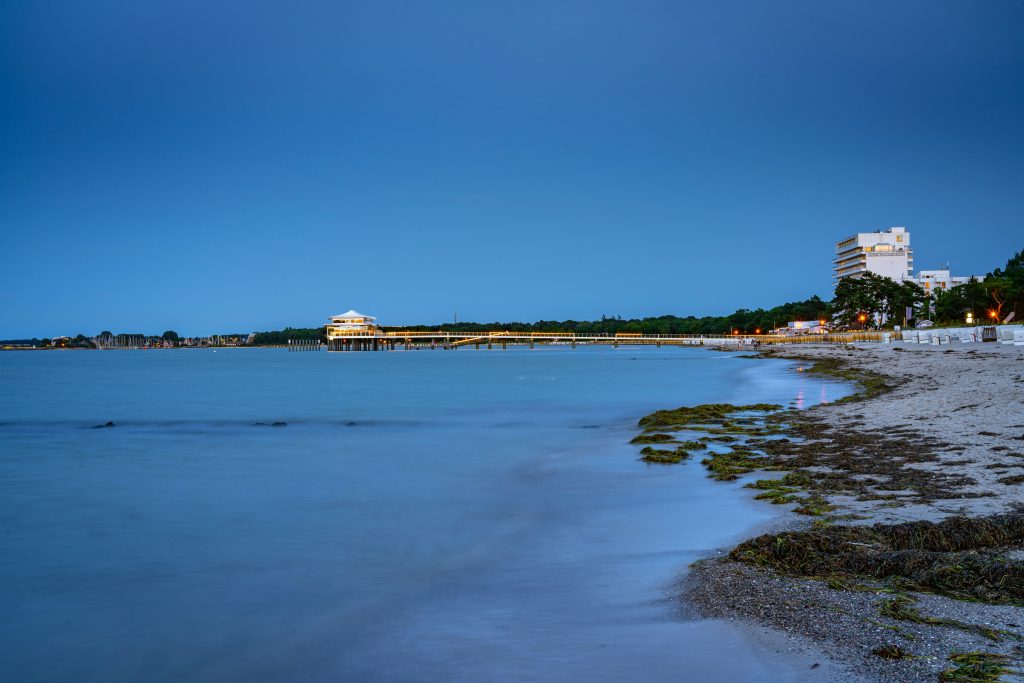
Timmendorfer Strand prioritizes convenience. The beach, promenade, restaurants, accommodations, and family services sit close enough together to support days with little logistical effort.
The central area has the greatest concentration of services and the busiest atmosphere. Nearby Niendorf feels smaller and often makes more sense for harbor walks and a quieter base. Families should decide between these areas before booking rather than treating them as interchangeable.
Timmendorfer Strand works best when convenience matters more than local character. Niendorf harbor and the resort’s indoor attractions give families alternatives on mixed-weather days, but current operating details should be verified before arrival.
The drawback is cost and density. Summer weekends and school holidays can make the center feel crowded, and booking late reduces both choice and value.
Quick facts
- Best for: Families prioritizing convenience
- Ideal stay: 3 to 5 nights
- Useful rail connection: Timmendorfer Strand station with onward local transport
- Beach access: Direct from the resort center
- Best alternative to the beach: Lübeck and local indoor attractions
- Main drawback: Peak-season crowds and prices
Eckernförde for a Manageable Town and Beach Combination
Eckernförde works well for travelers who prefer an ordinary coastal town to a resort environment. The beach lies close to the center, while the harbor and compact streets provide somewhere to walk when the weather does not support a full beach day.
The town is manageable without a car and has useful rail connections. Restaurants, the harbor, and the beach are close enough together for a short, low-effort stay. The Ostsee Info-Center can add a coast-focused indoor stop, subject to current opening information.
Two or three nights will be sufficient for most visitors. Travelers looking for a full resort program or several major attractions should skip Eckernförde and choose Timmendorfer Strand, Lübeck, or Stralsund instead.
That limitation is also part of its appeal. It is a practical choice for families who want beach time and town life without building the entire trip around organized attractions.
Quick facts
- Best for: A compact town with easy beach access
- Ideal stay: 2 to 3 nights
- Useful rail connection: Eckernförde station
- Beach access: Close to the center
- Best alternative to the beach: Harbor and town walks
- Main drawback: Limited destination depth
Grömitz for a Traditional Baltic Resort Vacation
Grömitz is designed around the beach. Its long waterfront, promenade, water activities, and family facilities make it suitable for travelers who want to spend several days in one place.
The town is a better fit for a beach-centered vacation than for cultural sightseeing. Families can move between accommodations, the beach, food, and simple activities without creating a complicated daily schedule.
Travelers who become restless after one beach day should skip Grömitz as a main base. Its strength is ease, not a deep list of cultural sights.
Travel without a car is possible, but it requires a bus connection from a nearby rail station. That is manageable for a longer stay and less appealing for a quick overnight stop.
Grömitz works best when the resort is the destination. Travelers wanting historic architecture, museums, and a broader evening choice should favor Travemünde or combine the coast with Lübeck.
Quick facts
- Best for: A traditional resort stay
- Ideal stay: 3 to 5 nights
- Useful rail connection: Train plus local bus
- Beach access: Direct from the promenade area
- Best alternative to the beach: Family activities around the resort
- Main drawback: Limited cultural variety
Heiligenhafen and Fehmarn for Active Coastal Trips
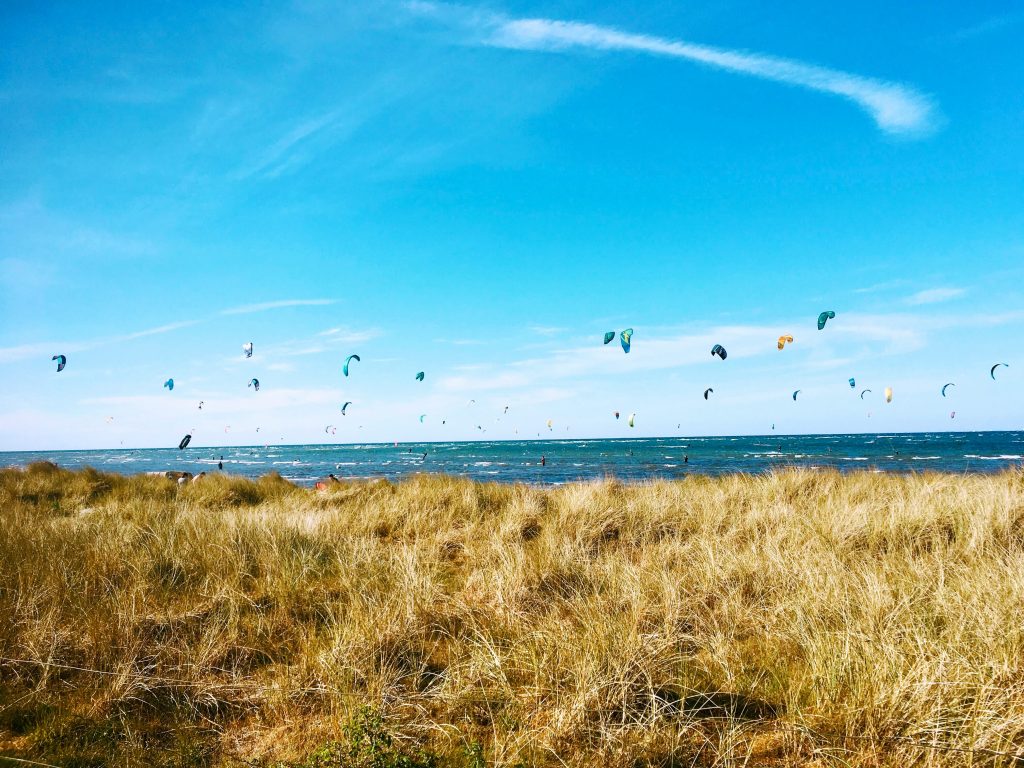
Heiligenhafen combines a harbor, beach infrastructure, a long waterfront pier, and access to nearby natural areas. It works best for travelers who want cycling or water sports alongside conventional beach time.
Fehmarn adds more space, additional beaches, and a stronger focus on outdoor activities. Staying on the island makes sense when those activities are central to the trip. Heiligenhafen is the easier mainland base for travelers who still want restaurants and harbor activity close at hand.
The Graswarder area gives Heiligenhafen a nature-focused counterpoint to the marina and resort zone. Access rules and guided-visit requirements should be verified because protected areas are not ordinary recreation spaces.
A car adds significant flexibility in this area. Public transportation can work, but it requires more planning than a stay in Travemünde, Eckernförde, or Warnemünde.
This is not the best choice for a rail-only short break. It is a stronger option for active families staying long enough to explore several beaches and nature areas.
Quick facts
- Best for: Cycling, water sports, and active days
- Ideal stay: 3 to 5 nights
- Useful rail connection: Train plus regional bus
- Beach access: Easy from the resort areas
- Best alternative to the beach: Harbor, cycling, and nature
- Main drawback: A car is useful
Best Mainland Baltic Towns in Mecklenburg-Vorpommern
Mecklenburg-Vorpommern has some of the most complete resort towns on Germany’s Baltic Coast. The longer transfer is worthwhile for travelers planning several nights, but less sensible for a quick beach stop from Hamburg.
Kühlungsborn is the strongest all-around mainland base. Warnemünde is easier without a car, Zingst offers better access to nature, and Stralsund provides the most cultural depth.
Kühlungsborn for the Best All-Around Baltic Resort
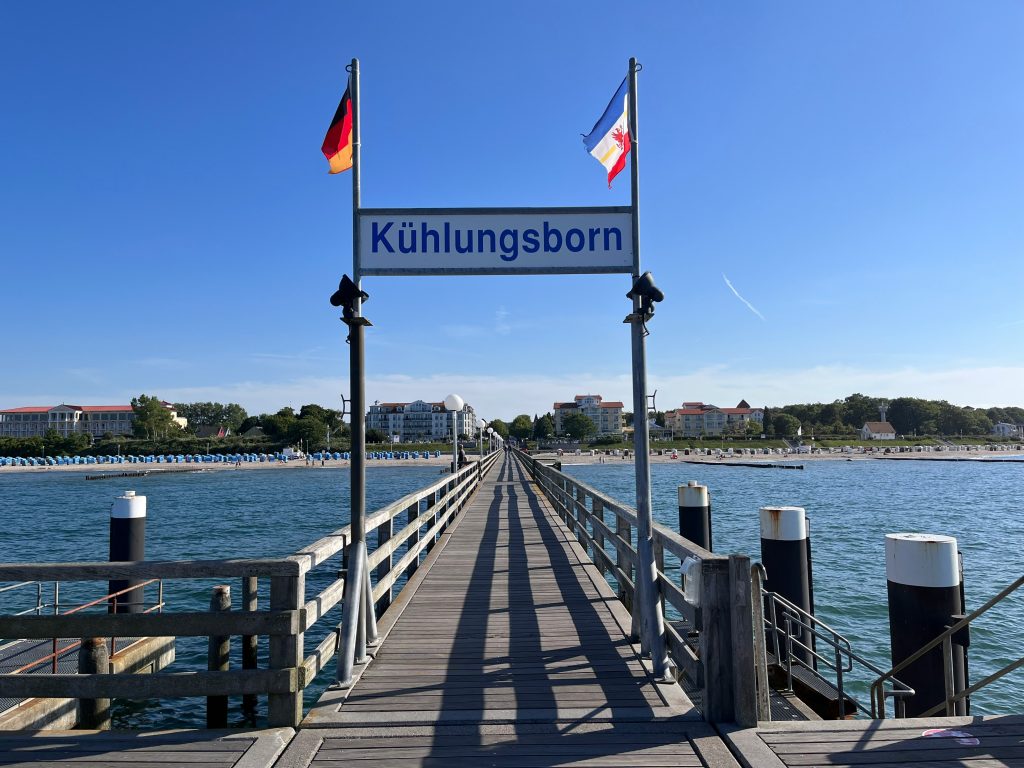
Kühlungsborn offers the most balanced mainland Baltic vacation. Its long beach, substantial promenade, restaurants, cycling possibilities, and resort services provide enough variety for four to seven nights.
The town stretches along the coast rather than forming one compact center. Kühlungsborn East has the marina and a busier concentration of activity, while Kühlungsborn West offers another center around shops and access to the beach.
Accommodation location should be chosen carefully. A property that appears central on a map may still involve a long walk from the part of town a family plans to use most.
The Molli narrow-gauge railway connects Kühlungsborn with Bad Doberan and is useful as both transportation and a family activity. Current schedules should be checked before building a transfer around it.
Kühlungsborn is easy once travelers arrive. The main compromise is the indirect mainline rail connection and the town’s linear layout. Travelers planning only two nights may spend too much of the trip getting oriented.
Quick facts
- Best for: The strongest all-around mainland stay
- Ideal stay: 4 to 7 nights
- Useful rail connection: Bad Doberan with the local narrow-gauge railway
- Beach access: Frequent access points along the town
- Best alternative to the beach: Cycling, marina, and local rail excursions
- Main drawback: Spread-out layout
Warnemünde for the Easiest Car-Free Beach Break
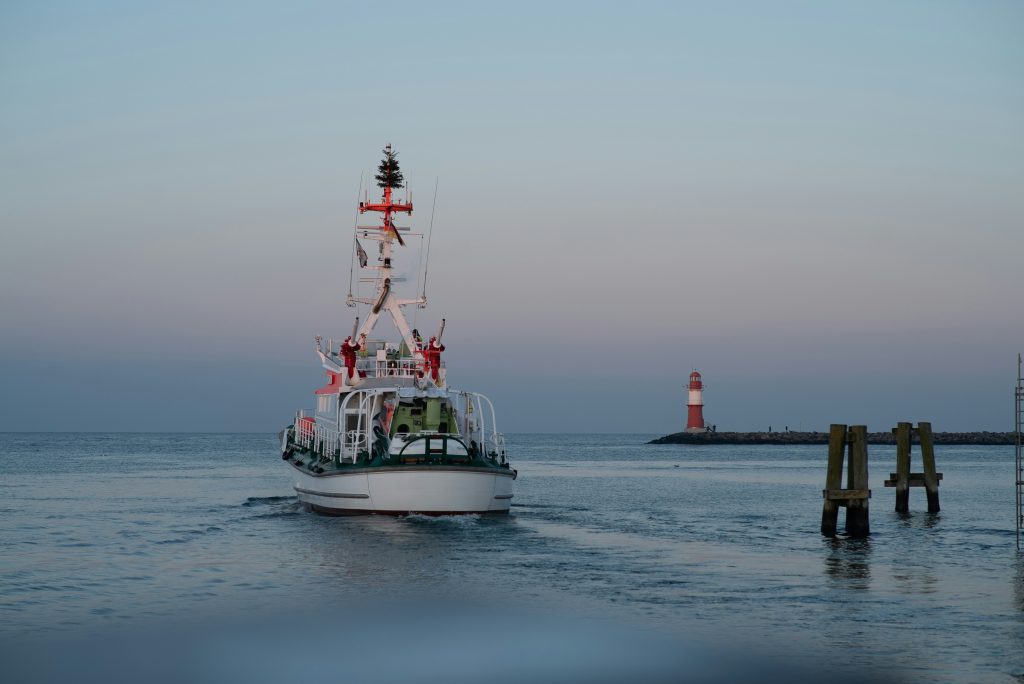
Warnemünde is the clearest choice for travelers who want a Baltic beach without renting a car. Rostock’s S-Bahn connects directly with the town, and the harbor, Alter Strom waterfront, and main beach are close together.
The beach is broad and easy to combine with restaurants or a short trip into Rostock. Two or three nights is enough for most visitors unless the trip is intentionally beach-focused.
The busiest area near the harbor can feel congested, particularly when cruise ships are in port. Walking farther from the main entrance creates a less concentrated beach experience.
Warnemünde prioritizes access over quiet. Travelers seeking a calm resort in July or August should consider a smaller base.
Quick facts
- Best for: A short car-free beach trip
- Ideal stay: 2 to 3 nights
- Useful rail connection: Rostock S-Bahn
- Beach access: Short walk from the station and center
- Best alternative to the beach: Rostock and the harbor
- Main drawback: Heavy visitor traffic at peak times
Zingst for Beaches, Cycling, and Nature
Zingst suits families who want active days without a packed attraction schedule. Beach time can be balanced with cycling, wetlands, wildlife areas, and excursions across the Fischland-Darß-Zingst peninsula.
Bicycles are particularly useful because the surrounding landscape rewards shorter daily outings. The surrounding national park landscape is a major reason to choose Zingst over a conventional resort. Wildlife viewing is seasonal and should not be treated as guaranteed.
The destination works better as a four to seven-night base than as a brief stop. Travelers who do not plan to cycle, walk, or explore nature may find the extra transfer hard to justify.
Reaching Zingst without a car takes more effort. Travelers usually combine rail with a bus connection, and schedules need to be checked before arrival.
The transfer is the main tradeoff. Zingst is worth the effort for travelers prioritizing nature and a slower pace, but Warnemünde is much easier for a short rail-based trip.
Quick facts
- Best for: Cycling, nature, and slower family stays
- Ideal stay: 4 to 7 nights
- Useful rail connection: Train plus regional bus
- Beach access: Direct from the resort
- Best alternative to the beach: Cycling and wetland excursions
- Main drawback: More complicated arrival
Stralsund for History and Access to Rügen
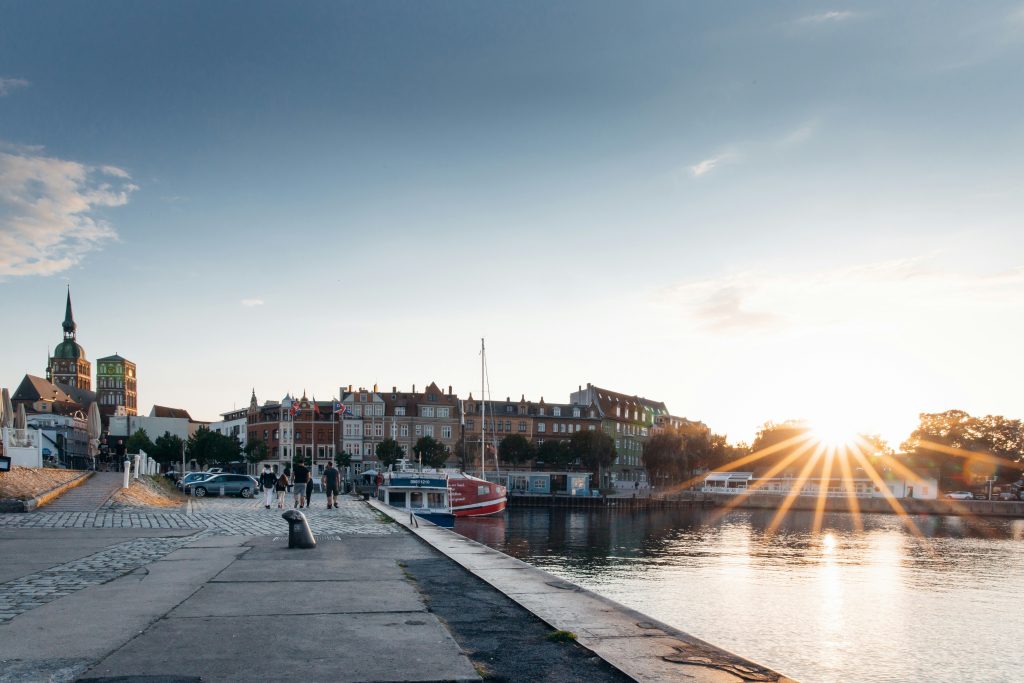
Stralsund is not a conventional beach resort. It belongs on this list because it combines a substantial historic center, harbor setting, family-relevant museums, restaurants, and excellent onward access to Rügen.
The city works well for travelers who want a mixed trip rather than consecutive beach days. The OZEANEUM is the most useful family-focused weather alternative, while the harbor and historic center give the stay a different rhythm from a resort.
Stralsund is also a practical arrival or departure base for an island stay. Current museum admission and operating information should be checked directly.
Rail access is straightforward, and the compact center is manageable on foot. Rügen is connected to the mainland by bridge, with regional trains continuing toward major resort towns.
Stralsund is the wrong choice for travelers who want a resort beach outside their accommodation. It is the right choice for families who need weather resilience and cultural options.
Quick facts
- Best for: History, museums, and access to Rügen
- Ideal stay: 2 to 3 nights
- Useful rail connection: Stralsund Hauptbahnhof
- Beach access: Limited compared with resort towns
- Best alternative to the beach: Historic center and museums
- Main drawback: Not a true beach base
Best Baltic Island Resort Towns
Rügen and Usedom offer some of the most complete multi-night beach vacations on the German Baltic. Both islands can be reached without taking a passenger ferry, but the longer journey makes them better for a proper vacation than a quick coastal add-on.
Binz and Sellin are the main choices covered on Rügen. Zinnowitz, Heringsdorf, and Ahlbeck provide different versions of the Usedom resort experience.
Binz for a First Trip to Rügen
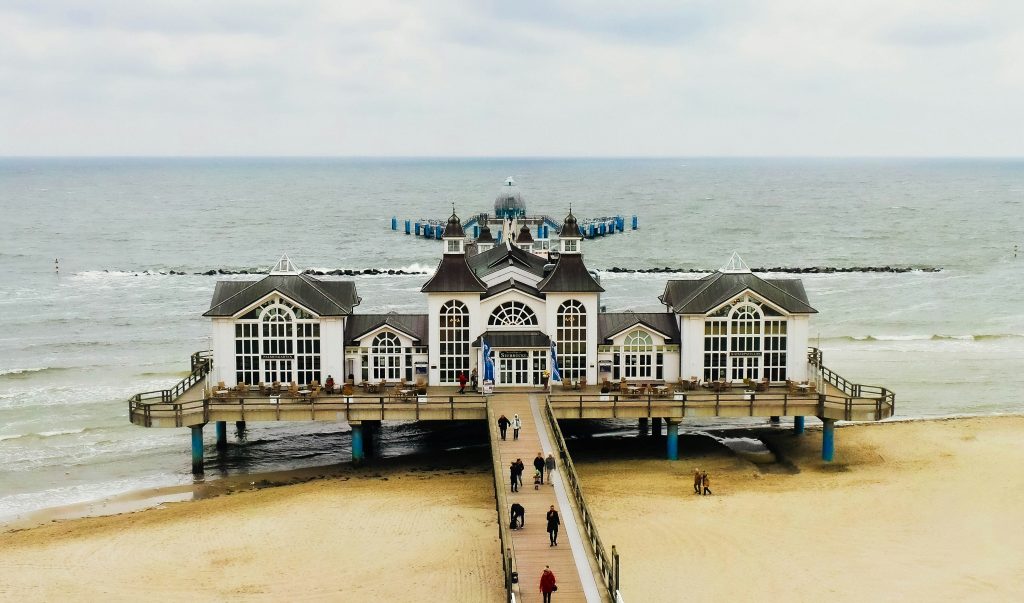
Binz is the most practical first base on Rügen. It combines a large beach, resort architecture, restaurants, rail access, and public transportation for excursions elsewhere on the island.
Four to six nights provides time for the beach and several outings. Possible directions include Jasmund National Park, Prora, Granitz, and the smaller resorts served by local transportation.
Binz has enough restaurants and indoor options to handle mixed weather better than many smaller coastal towns. Jasmund National Park, Prora, and Granitz provide clear outing choices, but families should avoid trying to combine all three in one day.
This is the better Rügen base for travelers who want flexibility. Those planning mostly quiet beach time can save effort and potentially money by choosing a smaller resort.
The main drawback is popularity. Binz is busy and expensive during the core summer season, and visitors seeking a lower-key base may prefer Sellin.
Quick facts
- Best for: A first Rügen vacation
- Ideal stay: 4 to 6 nights
- Useful rail connection: Binz station
- Beach access: Direct from the resort center
- Best alternative to the beach: Island excursions
- Main drawback: Summer crowds and prices
The full Rügen Island itinerary explains how to structure several days beyond the resort.
Sellin for a Smaller Rügen Resort Base
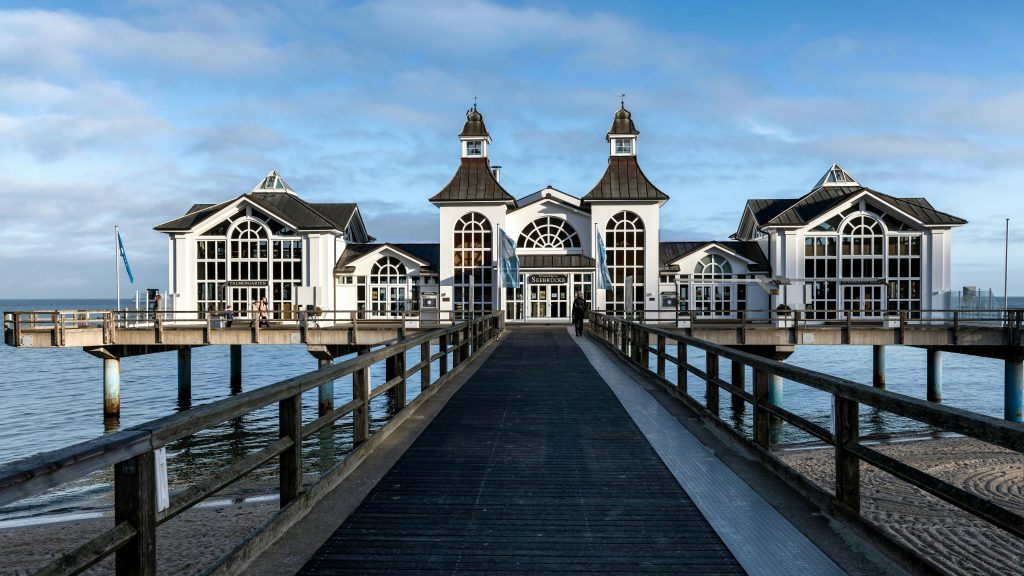
Sellin offers a smaller alternative to Binz. The resort centers on its pier area, beach, and connections to other parts of southeastern Rügen.
The local heritage railway and buses make car-free exploration possible. Sellin also works for travelers who plan to spend time in the Mönchgut area rather than repeatedly crossing the island.
Some beach access involves steep slopes or stairs. Accommodation location matters for families using strollers and for anyone with limited mobility.
Sellin feels calmer than Binz, but it has fewer restaurants and rainy-day choices. That is a reasonable exchange for travelers who value a smaller base.
Quick facts
- Best for: A smaller Rügen resort
- Ideal stay: 3 to 5 nights
- Useful rail connection: Mainline rail plus local heritage railway or bus
- Beach access: Close to town, with elevation changes
- Best alternative to the beach: Southeastern Rügen excursions
- Main drawback: Steep access in some areas
Zinnowitz for a Relaxed Usedom Family Stay
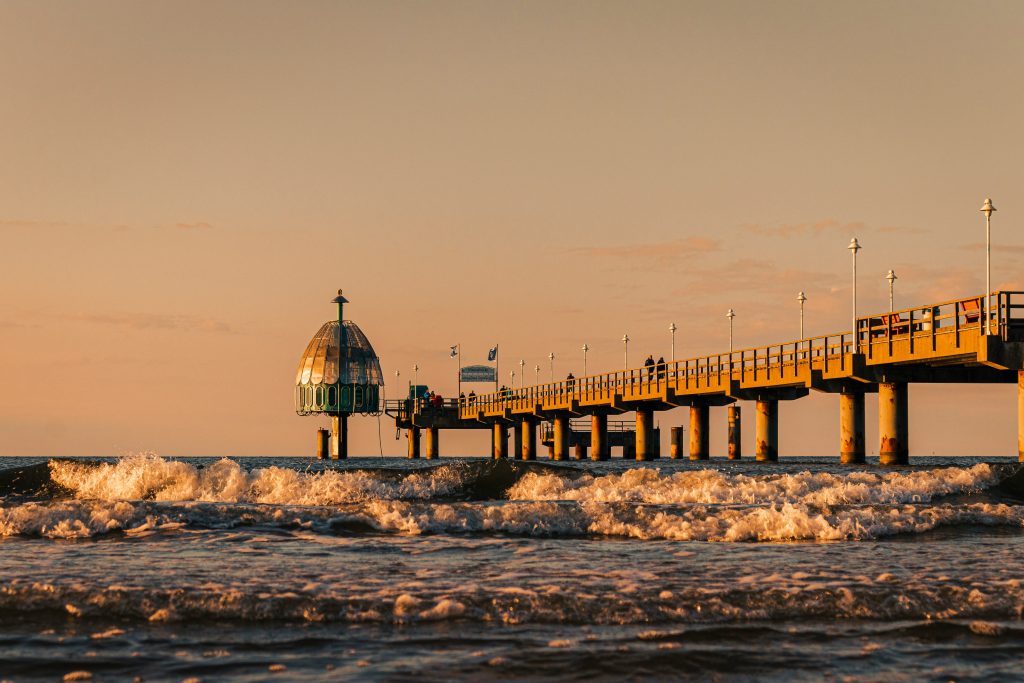
Zinnowitz is a practical family base on Usedom. It has a broad beach, a promenade, rail access, and enough services for a longer stay without the more formal atmosphere of the Kaiserbäder.
The Usedom island railway makes it possible to visit other resort towns without moving accommodations. Cycling adds another useful option for shorter outings.
Four to seven nights is a sensible length. That leaves room for weather changes and prevents each beach day from carrying too much pressure.
Zinnowitz has fewer architectural and dining draws than Heringsdorf or Ahlbeck. It works better for families seeking a manageable resort than for travelers prioritizing evening variety.
Quick facts
- Best for: A relaxed Usedom family vacation
- Ideal stay: 4 to 7 nights
- Useful rail connection: Usedom island railway
- Beach access: Direct from the resort
- Best alternative to the beach: Cycling and island rail trips
- Main drawback: Less cultural and dining variety
The Usedom itinerary provides a broader plan for combining its beaches and resort towns.
Heringsdorf and Ahlbeck for Resort Architecture and Easy Exploration
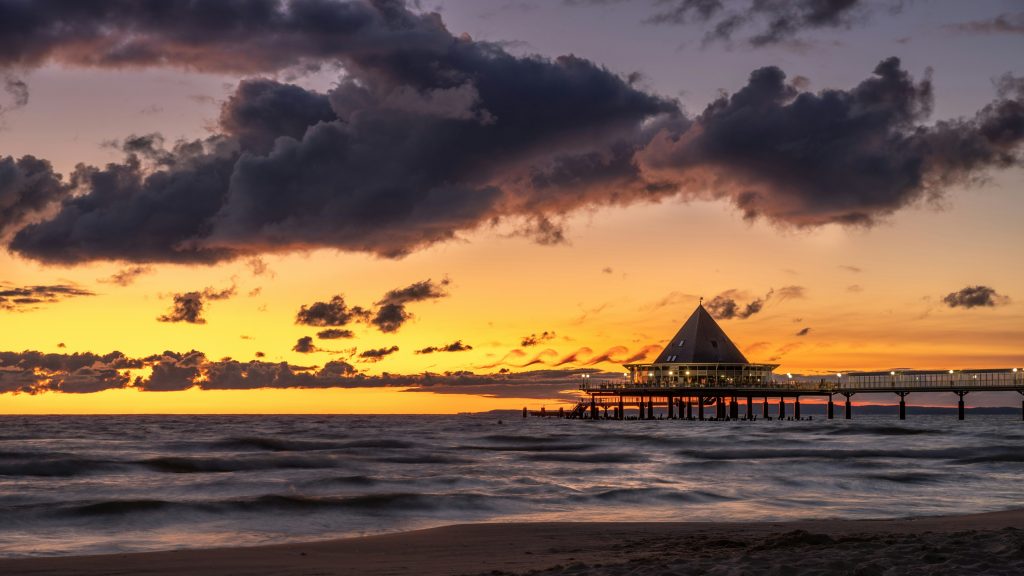
Heringsdorf and Ahlbeck form part of the connected Kaiserbäder resort area. A long promenade, local rail, and cycling routes make it easy to move between the towns without treating them as separate vacations.
Heringsdorf has a broader concentration of accommodations and restaurants. Ahlbeck has a more compact center around its pier and works well for travelers who prefer a smaller base. The connected promenade makes it unnecessary to change hotels simply to experience both towns.
Both offer straightforward beach access and polished resort infrastructure. They also tend to command higher summer prices than less prominent Baltic towns.
These resorts suit travelers who value architecture, restaurants, and easy movement between several beach areas. Zinnowitz is usually the better fit for a more relaxed family base.
Quick facts
- Best for: Resort architecture and connected coastal exploration
- Ideal stay: 4 to 7 nights
- Useful rail connection: Usedom island railway
- Beach access: Direct along the connected promenade
- Best alternative to the beach: Resort hopping by rail or bicycle
- Main drawback: Peak-season cost
Best Baltic Beaches and How They Differ
A good beach and a good vacation base are not always the same thing. A long stretch of sand can still be inconvenient if accommodations, restaurants, and weather alternatives are far away.
| Priority | Strong choice | Why it works | Main caution |
|---|---|---|---|
| Broad family beach | Binz or Timmendorfer Strand | Easy services and direct resort access | Busy in school holidays |
| Urban-access beach | Warnemünde | Simple rail arrival and a large beach | Crowds near the harbor |
| Quieter beach stay | Sellin or parts of Fehmarn | Smaller base or more dispersed coastline | Fewer indoor options |
| Water sports | Fehmarn and Heiligenhafen area | Multiple coastal settings and active-trip infrastructure | A car is useful |
| Cycling access | Zingst or Usedom | Flat routes and several outing options | Wind changes ride difficulty |
| Best town-and-beach balance | Kühlungsborn | Beach, promenade, food, and several-day depth | The town is spread out |
Visitors should compare more than sand quality. Beach entrance depth, exposure to wind, services, dog sections, supervised areas, and the walk from accommodations can change the daily experience.
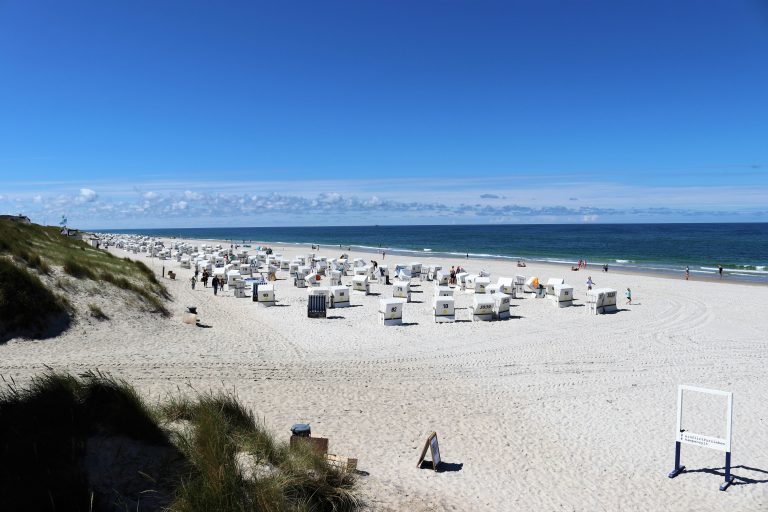
The Strandkorb, an enclosed wicker beach chair, is common along the German coast. Rentals can make windy days more comfortable, but availability and operating periods vary by location.
Swimming conditions can also change quickly. Wind, algae, water temperature, and local safety flags should be checked on the day rather than assumed from a general destination guide.
Families should use designated swimming areas and follow local signs. Official bathing-water reports and local tourism information are the right sources for current safety, water quality, and seasonal lifeguard coverage.
For a beach-first comparison that includes the North Sea and lake destinations, see the guide to the best beaches in Germany.
Choosing the Right Baltic Coast Town for Your Trip
The best choice comes down to daily logistics. Families usually benefit from a town that supports an enjoyable day even when the water is cold or the weather changes.
- Easiest without a car: Warnemünde
- Best all-around mainland resort: Kühlungsborn
- Best for younger children: Timmendorfer Strand or Zinnowitz
- Best for cycling and nature: Zingst
- Best for history and food: Travemünde with Lübeck, or Stralsund
- Best first island base: Binz
- Best quieter Rügen base: Sellin
- Best for active older children: Heiligenhafen and Fehmarn
- Best for a short city-and-beach trip: Travemünde or Warnemünde
- Best for a full beach vacation: Kühlungsborn, Rügen, or Usedom
Two or three nights works for Travemünde, Warnemünde, Eckernförde, and Stralsund. These places have a clear central experience and can be paired with a nearby city or onward journey.
Four to seven nights makes more sense for Kühlungsborn, Zingst, Rügen, and Usedom. Longer stays allow families to alternate beach time with cycling, town visits, museums, or nature outings.
Weather resilience deserves serious weight. Binz and the Usedom resorts offer several nearby alternatives, while Stralsund and Travemünde connect easily with larger historic cities.
No destination wins every category. Kühlungsborn is the safest all-around mainland recommendation, but Warnemünde is easier by train and Zingst is better for nature-focused travelers.
When to Visit and What Baltic Beach Conditions Are Like
Late May and June work well for cycling, walking, and town-based trips. Days are long, crowds are generally lighter than during the school vacation period, and swimming may still feel cold.
July and August offer the best chance of conventional beach weather. They also bring Germany’s school holidays, higher accommodation demand, busier promenades, and less flexibility for last-minute bookings.
September can be a good choice for town exploration and active days. Seasonal services begin to reduce their hours as the month progresses, and beach weather is less dependable.
The Baltic Sea does not provide Mediterranean conditions. Even in summer, water temperature and wind vary enough that families should bring layers and plan at least one non-beach option.
Beach-chair rentals, visitor taxes, parking rules, and supervised swimming periods differ by town. These details should be checked directly with the destination and accommodation before arrival.
Travelers focused mainly on swimming should prioritize July and August and accept the crowds. Those who care more about cycling, waterfront walks, architecture, and restaurants will often find June or early September easier.
The broader summer in Germany guide explains how coastal conditions compare with lakes, cities, and the Alps.
Getting Around Germany’s Baltic Coast
A car is helpful but not universally necessary. The right transport choice depends on whether travelers plan to remain in one resort or explore a wider section of coast.
Warnemünde is one of the easiest rail-based choices because of its direct link with Rostock. Travemünde is similarly practical through Lübeck.
Stralsund, Binz, Zinnowitz, Heringsdorf, and Ahlbeck also work without a car. Mainline trains reach Stralsund and Binz, while local rail connects the Usedom resort towns.
Sellin requires an additional local connection, but buses and the heritage railway make a car-free stay possible. Travelers should allow more time than the map suggests because island transportation is designed for local movement rather than fast cross-island travel.
A car is more useful around Grömitz, Heiligenhafen, Fehmarn, and the Fischland-Darß-Zingst peninsula. It simplifies transfers and makes it easier to reach nature areas, secondary beaches, and accommodations outside the center.
Cycling is useful in Zingst, Kühlungsborn, Fehmarn, and Usedom. Families should still consider wind, distances, and whether the route remains comfortable for every rider.
Travelers arriving from Hamburg will find Schleswig-Holstein’s resorts easiest. Berlin provides more practical access to parts of Mecklenburg-Vorpommern, Stralsund, and the eastern islands, although journey times still require planning.
Rail travelers should leave connection time and avoid building a critical activity around the arrival day. The Deutsche Bahn guide covers tickets, train types, reservations, and delay planning in more detail.