Summer in Germany: From Alpine Lakes to North Sea Beaches
Summer in Germany covers more geographic and experiential ground than most travelers expect. From the mountain trails above Garmisch-Partenkirchen to the tidal flats of the North Sea coast, the country shifts considerably in character between its southern and northern edges.
The core season runs from late June through August, with early June and September worth considering as shoulder options. Peak summer brings full daylight, outdoor culture at its most active, and the most competition for accommodation. School holiday dates vary by German state, which creates rolling crowd peaks rather than one concentrated surge.
If you’re comparing seasons, you can also take a look at my guide to spring in Germany or the full month-by-month breakdown to see how summer fits into a broader itinerary.
What Summer Actually Looks Like in Germany
Summer in Germany is warm but not consistently hot. Temperatures typically range from the mid-60s to the mid-80s Fahrenheit, with cooler conditions in the Alps and northern coastal areas. Rain is possible throughout the season, and thunderstorms are a regular feature of summer afternoons in the south.
The cultural shift toward outdoor life is the defining characteristic of the season. Parks, riverbanks, lakeshores, and beer garden benches fill up the moment temperatures allow. This is not primarily a tourist phenomenon. It is how much of German daily life reorganizes itself from May onward.
The tradeoff is straightforward: peak summer offers the most activity and the longest daylight hours, but it also brings peak prices and full accommodation calendars at popular destinations. Travelers who build itineraries around late June or early September typically find better availability without sacrificing the essential summer experience.
The Bavarian Alps: Where Summer Starts High

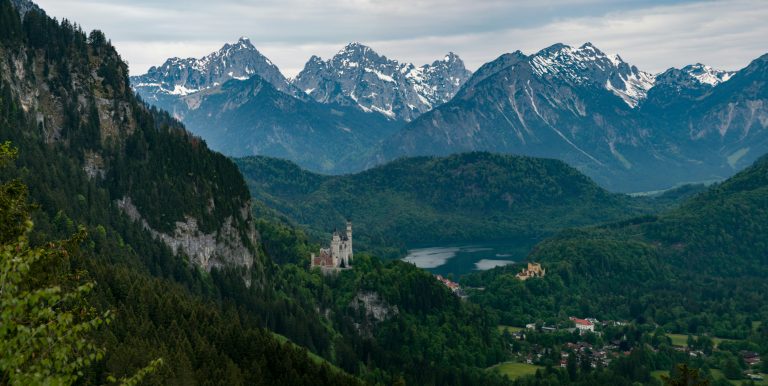
Germany’s most dramatic summer scenery sits in its southernmost corner. The Bavarian Alps shift completely in character between winter and summer. Skiing gives way to hiking, the lifts convert to sightseeing cable cars, and the villages that operate at full capacity in ski season actually feel calmer in July and August. If you’re planning a few days here, this is exactly the type of region that fits well into a structured Black Forest or southern Germany itinerary.
The main clusters worth knowing about for a summer visit:
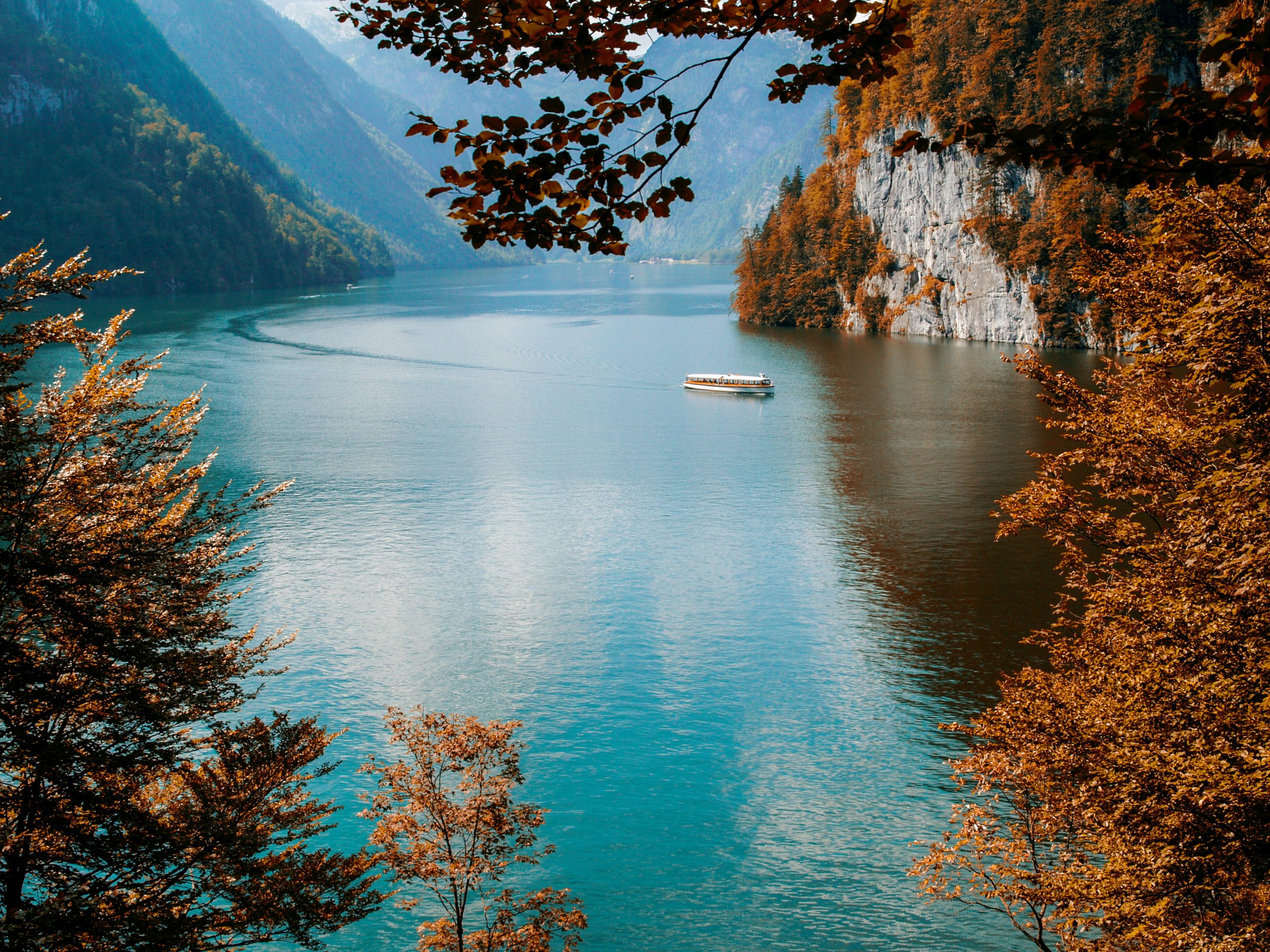
- Berchtesgaden is known for the Königssee, a narrow alpine lake reached by electric boat, and for the Kehlsteinhaus (Eagle’s Nest), which opens only in summer and requires a shuttle bus from the valley.
- Garmisch-Partenkirchen is the base for Zugspitze access. Germany’s highest peak at 2,962 meters is reached by cogwheel train and cable car, and the summit views into Austria and beyond are a reliable draw on clear days.
- The Allgäu, further west, offers a quieter version of alpine summer with dairy farmland, smaller resorts, and trails that tend to be less crowded than the areas closer to Munich.
Afternoon thunderstorms are a genuine summer pattern across the Alps. Visitors planning high-altitude hikes should start early and be off exposed ridges by early afternoon. The trails themselves are well-marked, but some require reasonable fitness levels that are worth confirming before booking cable car access.
This region suits walkers and nature-oriented travelers well. It is less suited for those looking for beach-style relaxation or urban energy.
Summer is also one of the best times to visit castles in southern Germany, especially with clear views and longer daylight hours.
The Swimming Lakes of Bavaria

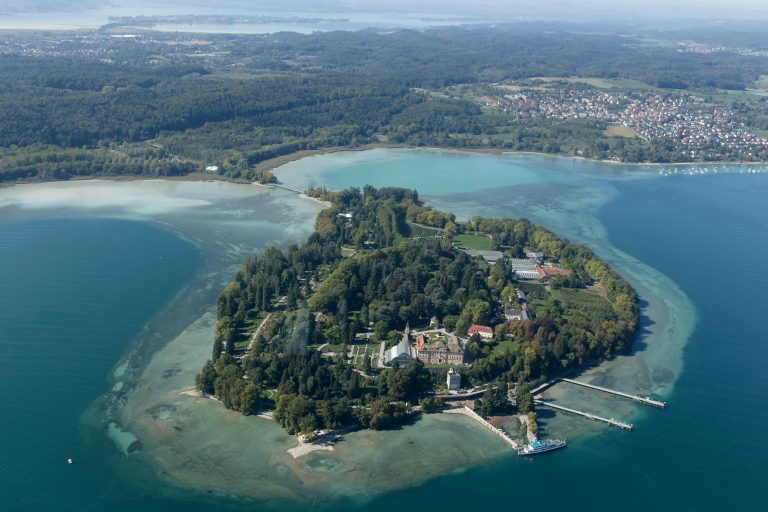
Bavarian lake culture deserves its own section rather than a footnote in a broader regional overview. In summer, the lakes southwest and south of Munich become the primary leisure destination for a large share of the city’s population, and they offer a genuinely accessible outdoor experience that does not require a car or advance booking at most entry points.
If you’re looking for a broader overview, here’s a full guide to the best swimming lakes in Germany. For more specific recommendations, you can also explore the lakes in Bavaria, which include many of the most accessible options from Munich.
Starnberger See is the most practical starting point for visitors based in Munich. The S-Bahn S6 line reaches Starnberg in roughly 30 minutes, and several towns along the lake’s western shore have public swimming areas with lawns, changing facilities, and lake access. The water temperature in July and August typically reaches the low 20s Celsius, which is warm enough for sustained swimming.
The broader Fünfseenland (Five Lakes Region) includes Ammersee, Wörthsee, Wesslinger See, and Pilsensee alongside Starnberger See. Ammersee tends to attract slightly fewer day-trippers than Starnberger See and has a more relaxed atmosphere along its shores. Wörthsee is smaller and quieter still.
On the practical side: many lakeside areas offer free public access, while designated Freibäder (outdoor pools) and Strandbäder (lido-style bathing beaches) charge a modest entry fee and provide more facilities. The difference matters for planning. Free access points vary in quality of facilities; the paid options typically include lockers, cafes, and more organized swim areas.
This is largely a local experience. That is part of the appeal. Visitors who spend an afternoon at one of these lakes during a warm week are moving alongside Munich’s actual summer life rather than a version of it built for tourism.
Moving North: Franconia, the Romantic Road, and the Middle of the Country

Central Germany offers a slower kind of summer that suits a different type of traveler. Franconia, the northern part of Bavaria, is wine country in a country more associated with beer. The Franconian wine region centered on Würzburg produces dry whites, particularly Silvaner and Müller-Thurgau, and the hillside vineyards along the Main River are worth factoring into a summer itinerary.
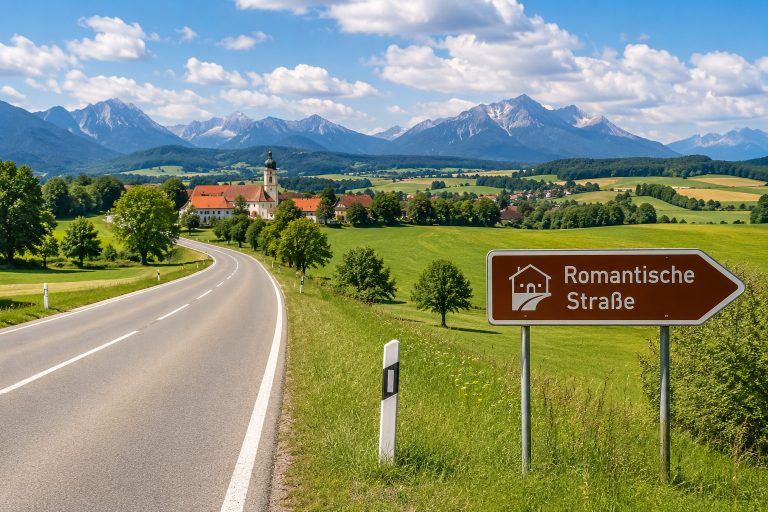
Rothenburg ob der Tauber is the most-visited town on the Romantic Road and works best in the long summer evenings when the day crowds have thinned. Arriving in the late afternoon and staying overnight is the most practical way to experience the old town at something other than peak capacity.
This region is well-suited to road trips. The Romantic Road runs roughly 350 kilometers between Würzburg and Füssen and passes through enough small towns and countryside to fill several days without requiring any major sights. Beer garden culture runs continuously through the Bavarian and Franconian stretch, with outdoor seating appearing at even modest village inns by early May.
If you’re looking for a less tourist-heavy alternative, the Mosel region offers a quieter mix of small towns, vineyards, and river scenery. Cities like Stuttgart also work well as a base in this part of Germany, especially for combining urban stops with countryside day trips.
Beer Gardens: The Social Infrastructure of German Summer
A German Biergarten is not primarily a tourist venue. It is the default outdoor social setting for much of southern and central Germany from late spring through early autumn, and understanding how they work makes a summer visit considerably more coherent.
The tradition allows guests to bring their own food while purchasing drinks from the garden. Communal bench seating means sharing tables with strangers is standard, not unusual. There is no dress code, no minimum spend, and no expectation that a visit will be brief. Families with children and older regulars occupy the same benches as younger groups.
The large Munich beer gardens, notably the Hirschgarten (capacity around 8,000) and the Englischer Garten’s Chinesischer Turm, are well-known and draw both locals and visitors. The smaller, neighborhood versions found across Bavaria and Franconia tend to feel less like destinations and more like places people actually go after work.
The evening rhythm matters for planning. Beer gardens are liveliest between 6pm and 9pm on weekdays, when the after-work crowd arrives and the heat of the afternoon has eased. Mid-afternoon visits, particularly on weekend days, can feel more tourist-heavy at the larger venues.
Non-drinkers and families are equally welcome. This is a common misconception worth correcting. Alcohol-free options, including Radler (beer mixed with lemonade) and soft drinks, are always available, and children are a normal part of the setting.
Northern Germany: A Different Kind of Summer

The shift from Bavaria to northern Germany is significant enough that travelers should recalibrate expectations before going. The landscape flattens out considerably. The architecture changes. The pace is different, and the relationship to summer is shaped by proximity to water in a different sense.
Hamburg, Bremen, and the broader flatlands of Schleswig-Holstein and Lower Saxony have their own summer character. The energy concentrates around waterways, park spaces, and outdoor dining rather than lakes or mountain trails. Hamburg’s Alster lakes, the Elbe riverbanks, and the city’s parks fill with locals in the same way Munich’s beer gardens do, just with a different visual register.
Daylight is longer in the north. In late June and early July, sunset in Hamburg falls around 10pm, which extends the usable evening hours significantly and shapes how people plan their time.
The north runs cooler and windier than Bavaria. Average summer temperatures are several degrees lower, and the North Sea coast in particular is exposed to wind most of the year. This suits travelers who prefer cooler conditions and open landscape. It is a genuine tradeoff, not a flaw.
The North Sea and Baltic Coasts

Germany’s coastlines are less prominent in international travel writing than they deserve to be. Both the North Sea and Baltic coasts are significant summer destinations for German domestic travelers, and they offer experiences that differ enough from each other to warrant choosing based on preference.
If you’re deciding where to go, this guide to the best beaches in Germany gives a good overview of both the North Sea and Baltic options. Sylt is one of the most well-known coastal destinations, especially for families and longer summer stays.
The North Sea Side
The North Sea coast is tidal, windswept, and visually distinctive. The Wadden Sea, a UNESCO World Heritage site, stretches along the northern coast and creates a tidal landscape unlike anywhere else in Central Europe. The islands are the main draw.
Sylt is the best-known and most aspirational. The island has dunes, thatched-roof villages in the village of Keitum, long beaches, and a reputation for being Germany’s most expensive coastal destination. Getting there requires taking a train across the Hindenburgdamm causeway, since no road connects the island to the mainland. That access by rail has become part of the Sylt identity. Travelers should expect premium pricing for accommodation and food, particularly in July and August.
Föhr and Amrum, reachable by ferry from the mainland port of Dagebüll, offer quieter alternatives. Both have sandy beaches and flat cycling terrain. Prices are lower than Sylt, and the atmosphere is noticeably less destination-resort in character. Visitors who want the North Sea island experience without the status overlay will find these options more practical.
The Baltic Side
The Baltic coast runs warmer and calmer than the North Sea. Water temperatures reach the low-to-mid 20s Celsius in peak summer, and the beaches are sandier and more consistently swimmable.
Rügen, Germany’s largest island, is reached by bridge from Stralsund. The Jasmund National Park on its eastern edge has chalk cliffs that drop sharply into the sea and are distinctive enough to have featured in 19th-century German Romantic painting. The island has a long tradition as a summer destination and a well-developed tourism infrastructure.
Usedom, which shares its eastern end with Poland, has some of the most sunshine hours in Germany and a string of resort towns, including Heringsdorf, that retain much of their Belle Époque architecture from when the coast was fashionable with the Berlin bourgeoisie.
The Strandkorb, a hooded wicker beach chair designed to block sea wind on three sides, is a visual shorthand for the Baltic coast experience. Renting one for the day is standard practice and costs a few euros at most beach resorts.
Logistics apply firmly here: coastal accommodation for summer weekends, particularly in July, fills months in advance. Weekday visits and stays in the shoulder weeks of early June or mid-September offer meaningful advantages in both price and crowd levels.
Long Days, Warm Nights: The Rhythm of a German Summer
The extended daylight hours of a German summer are not just a pleasant detail. They are a planning variable. In late June, sunset in northern Germany falls around 9:30 to 10pm. Even in Munich, evenings stay light until past 9pm. This fundamentally shifts how locals use their time and where activity concentrates.
Many of the best summer experiences, from beer garden evenings to waterfront walks to outdoor concerts, happen in the window between 6pm and 10pm. Travelers who front-load their days with museums and indoor sights and leave evenings open for outdoor activity will get considerably more from a summer visit than those following a standard schedule.
Restaurant terraces fill late. Park gatherings run past what would feel reasonable in most places. The evening is not a winding-down period. It is the main event.
For planning purposes: book outdoor evening activities and popular restaurant terraces in advance. The best seats at an outdoor concert or a waterfront restaurant in Hamburg during July are not available at 7pm on the day.
Best Places to Visit in Germany in Summer
If you’re planning a summer trip, a few regions stand out depending on what you’re looking for:
- The Bavarian Alps for hiking, mountain views, and access to places like Garmisch-Partenkirchen
- The lakes in Bavaria for swimming, relaxed afternoons, and easy day trips from Munich
- The Black Forest for a mix of nature, scenic drives, and smaller towns
- The North Sea and Baltic coasts for beaches, cycling, and a slower pace
- Cities like Munich and Hamburg for a balance of culture and outdoor summer life
Planning a Summer Trip Around Seasonal Energy
A south-focused trip works well with Munich as a base. From there, day trips to Starnberger See or Ammersee cover the lake experience without an overnight. Garmisch-Partenkirchen is about 90 minutes by train and covers the Alpine option for a day. Beer gardens are available nightly within the city. This structure suits travelers with a week or less who want variety without long travel segments.
A north-focused trip works with Hamburg as a base and a coastal extension to either Sylt (3.5 hours by train from Hamburg) or Rügen (around 3 hours by train to Stralsund, then bridge to the island). This suits travelers interested in maritime landscape, open space, and a cooler summer experience.
For timing, late June and early September are the strongest options for avoiding peak crowd and price pressure while retaining the full benefit of warm weather and long daylight. July and August are the peak weeks for German school holidays, which are staggered by state but collectively cover most of those two months.
On transport: Germany’s train network handles the core routes well. Direct trains connect Munich to Garmisch, Munich to Starnberg, Hamburg to the coast ferry terminals, and Stralsund to Rügen. Coastal islands and some Alpine villages benefit from having a car or renting locally once the main journey is complete.
Accommodation booking lead times are not forgiving at popular summer destinations. Coastal locations, particularly Sylt and Rügen, fill on summer weekends months in advance. Weekday stays and self-catering properties significantly expand the available inventory. Planning with 3 to 4 months’ lead time for July travel is practical, not excessive.
Germany’s rail network makes it easy to connect these regions without a car, especially for multi-stop itineraries.
The Country at Its Most Itself
Summer reveals a version of Germany that does not always surface in general travel coverage. The outdoor culture, the water orientation, the unhurried pace of a long evening at a lakeside table or a beer garden bench: these are not sights to visit. They are a way the country operates seasonally.
When daily life moves outside, travelers who move alongside that rhythm will encounter a different kind of engagement with the country than those working through a list of monuments. The best summer experiences in Germany tend to follow local patterns.
If you’re planning beyond summer, it’s also worth looking at what fall in Germany or spring in Germany offer, especially if you’re trying to avoid peak-season crowds.