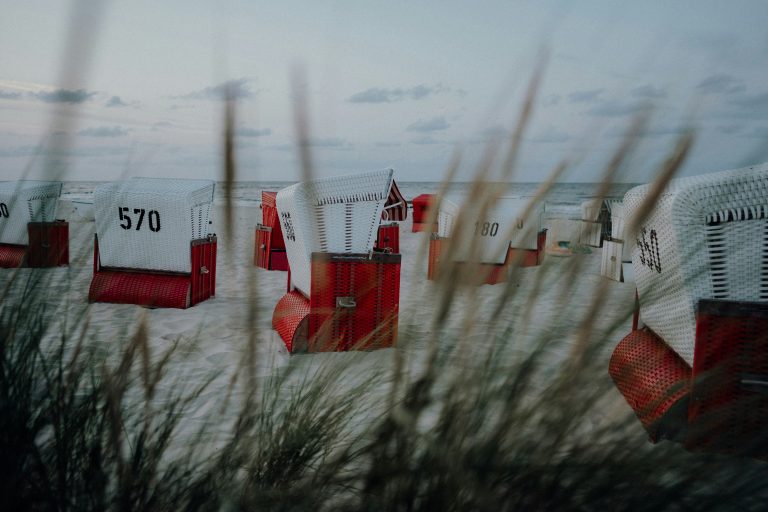
Best Beaches in Germany: Coast and Lake Spots to Visit
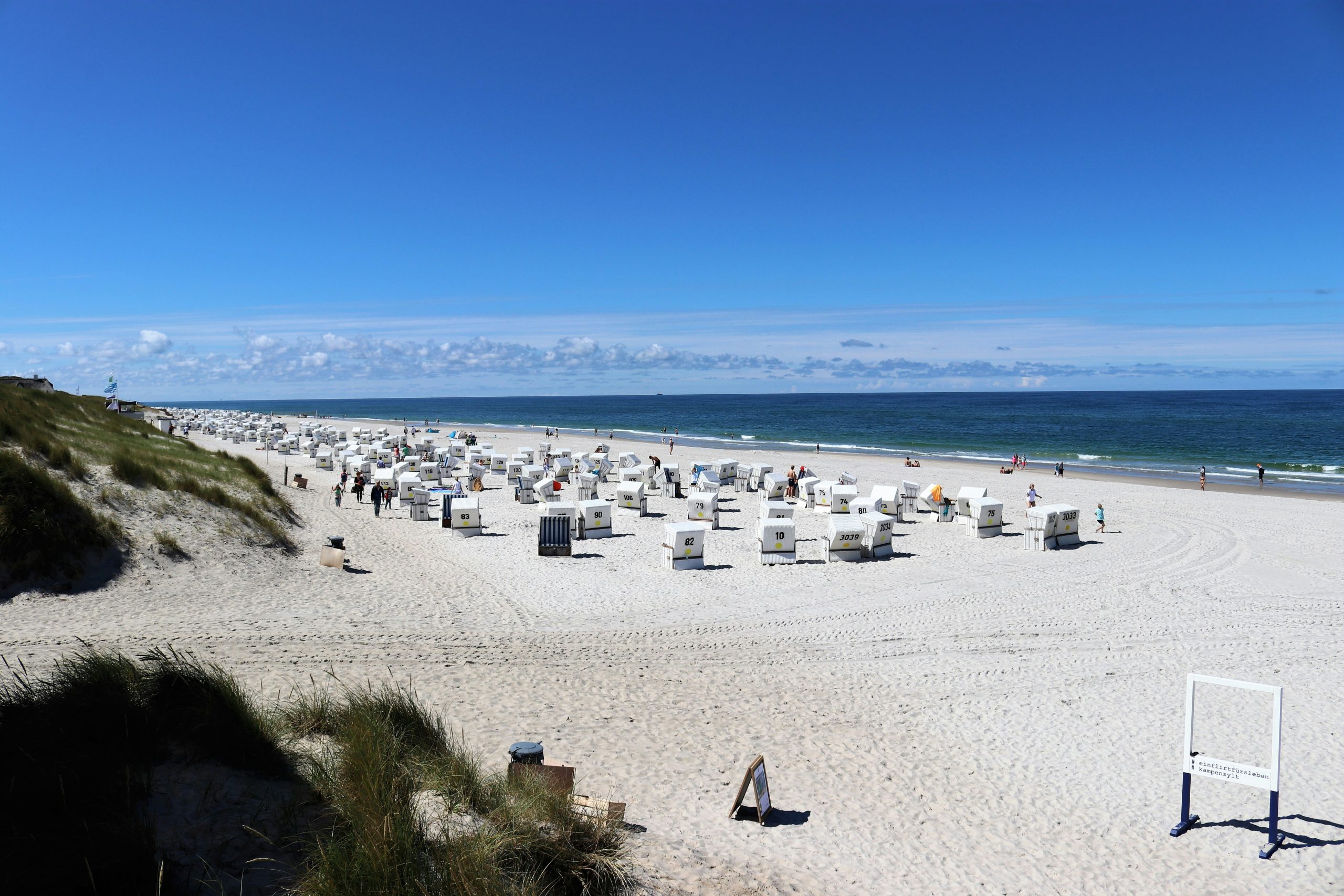
Yes, Germany has beaches. The country has sandy shores on the North Sea and Baltic Sea, plus swimming beaches at lakes across the country. For a traditional seaside holiday, start with the Baltic coast. For wide sand, wind and tides, choose the North Sea. If the rest of your trip is in Berlin or Bavaria, a lake beach may be the better use of a day.
This guide names specific beaches, rather than treating an entire island as one beach. Each pick has a clear reason to go and a practical drawback. Swimming conditions, lifeguard coverage, visitor fees and access can change, so check the local beach information before setting out.
Best beaches in Germany at a glance
| Beach | Where | Best for | Know before you go |
|---|---|---|---|
| Westerland main beach | Sylt, North Sea | Families who want facilities close to town | North Sea conditions and peak-season crowds |
| Ording Beach | St. Peter-Ording, North Sea | Wide sand and active beach days | Long walks across sand; check tides and flags |
| Prerow Beach | Darß, Baltic Sea | A quieter coastal base | Pick the signed section that suits your group |
| Warnemünde main beach | Rostock, Baltic Sea | A beach day by train | Busy around central access points |
| Binz Beach | Rügen, Baltic Sea | A full-service island stay | Popular in the summer holidays |
| Sellin South Beach | Rügen, Baltic Sea | Families who want a gentler beach day | Do not confuse it with Sellin’s pier beach |
| Ahlbeck Beach | Usedom, Baltic Sea | Swimming with a town and promenade nearby | Beach-chair areas and resort fees vary |
| Strandbad Wannsee | Berlin, lake | A sandy city beach | A managed lido with admission and opening times |
| Strandbad Übersee | Chiemsee, Bavaria | Families who want shallow lake entry | Check seasonal hours and admission |
North Sea, Baltic Sea or lake: which should you choose?
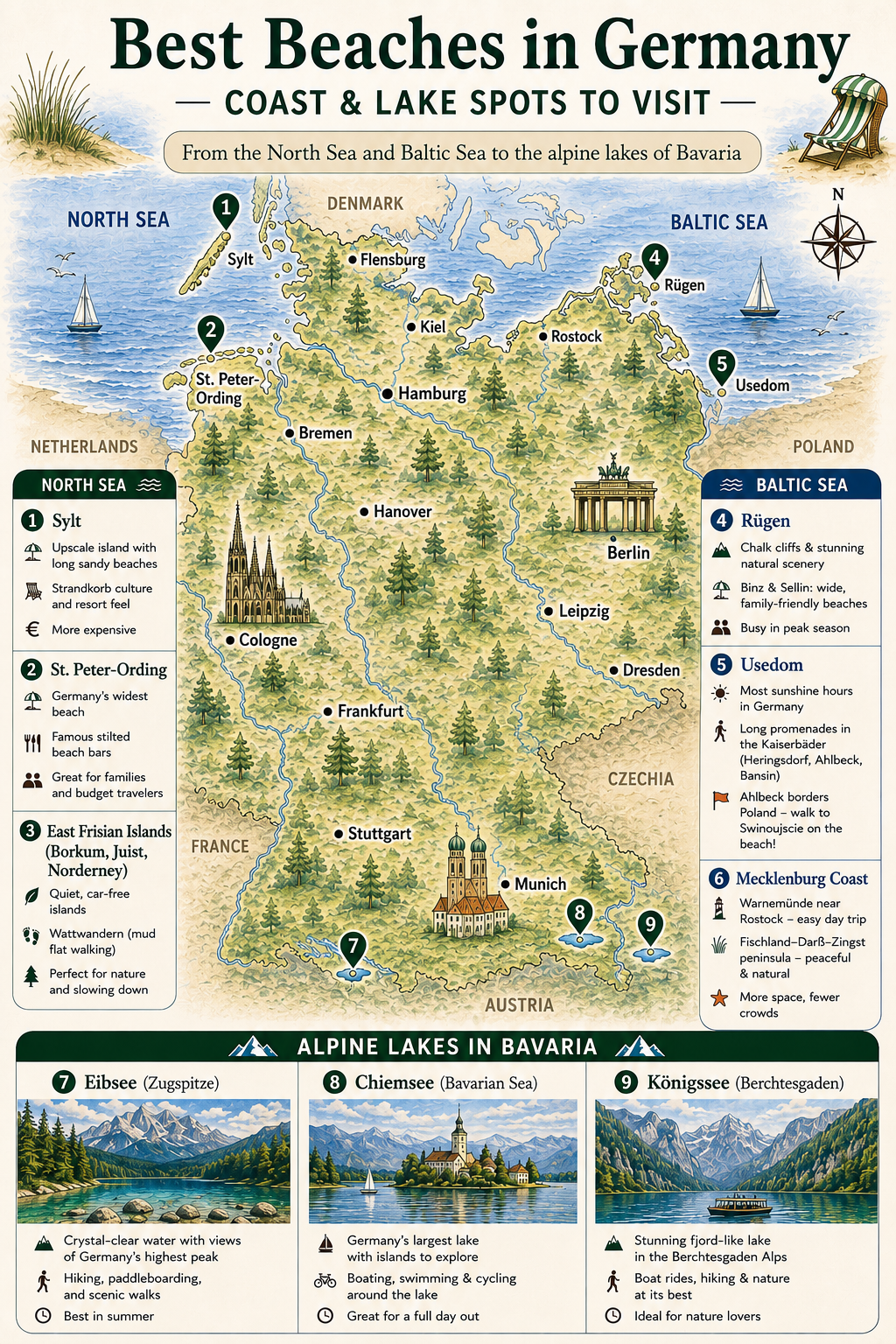
Baltic Sea: The easiest starting point for a multi-day beach holiday with conventional swimming, resort towns and long sandy stretches. Rügen, Usedom and the coast near Rostock offer different levels of activity and access.
North Sea: Better for huge stretches of sand, walking, wind sports and a beach culture shaped by tides. Swimming needs more attention to local flags, currents and the tide.
Lakes: Best when the beach is one day within a Berlin, Munich or Alpine trip. A managed lido usually makes facilities clearer; an open lakeshore can be more flexible but less like a conventional beach.
The Baltic is often the simpler swimming choice, but no coast guarantees warm water or calm conditions. Check the German Lifesaving Association’s beach flags guide and the local bathing-water notice on the day you visit.
North Sea beaches: sand, wind and tides
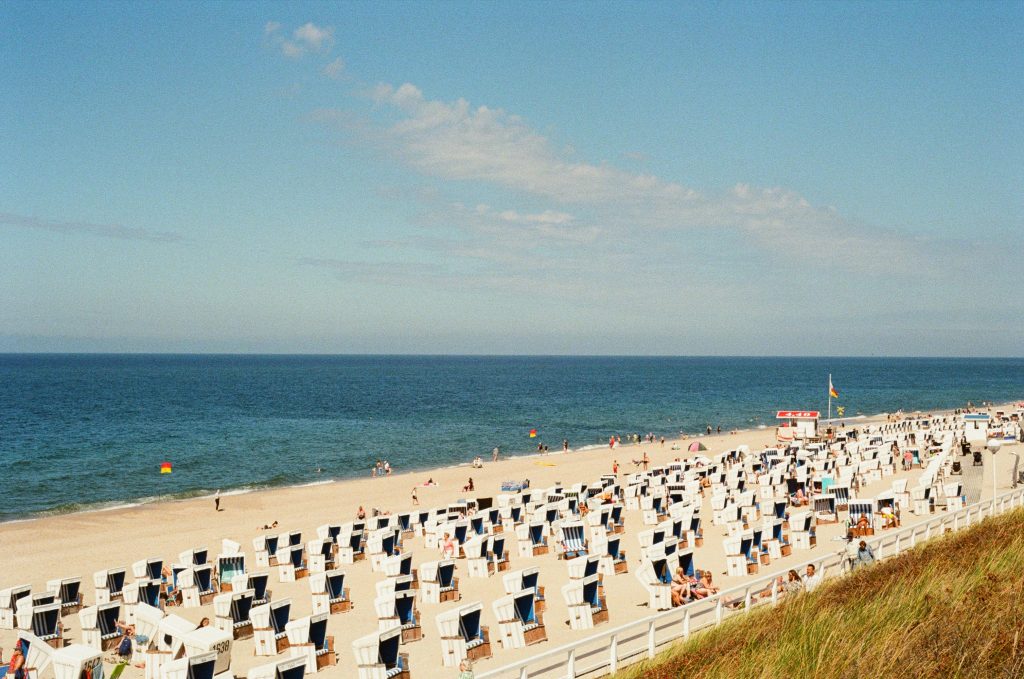
1. Westerland main beach, Sylt — the easiest Sylt beach for a first visit
Westerland’s main beach puts the sea next to the town’s pedestrian streets. The official Sylt beach guide lists toilets, showers, a playground and food close to the central beach access. That makes it a practical choice for families or visitors arriving without a car. It is also one of the island’s busier stretches.
The tradeoff is the North Sea itself: wind and changing conditions are part of the day. Follow the marked swimming areas and current flags. If your family wants a calmer village base, Wenningstedt’s beach sections offer an alternative, including a designated family area and different access points. Check the exact section rather than assuming every part of Sylt’s west coast has the same facilities.
Trip decision: Sylt makes more sense for several days than for a rushed mainland day trip. The Sylt family travel guide compares places to stay and the practicalities of getting around the island.
2. Ording Beach, St. Peter-Ording — space and an active beach day
Ording is the pick for travelers who want the scale of the North Sea. St. Peter-Ording’s beach is divided into distinct sections; its official family guide describes Ording as the active section, while Ording Nord is quieter and the Bad section is reached by a long pier. Choose the section first, then plan parking or public transport around that entrance.
The sand can stretch a long way from the dike, especially as the tide changes. A beach chair gives shelter from the wind, but it does not replace a tide check. Swim only where local conditions and flags permit; the town’s beach guidance warns of strong currents between tides.
Trip decision: Pick St. Peter-Ording for a North Sea holiday centered on walking, outdoor activity and space. If easy swimming in calmer water is the priority, one of the Baltic beaches below is usually a better fit.
Baltic Sea beaches: the clearest choices for a seaside holiday
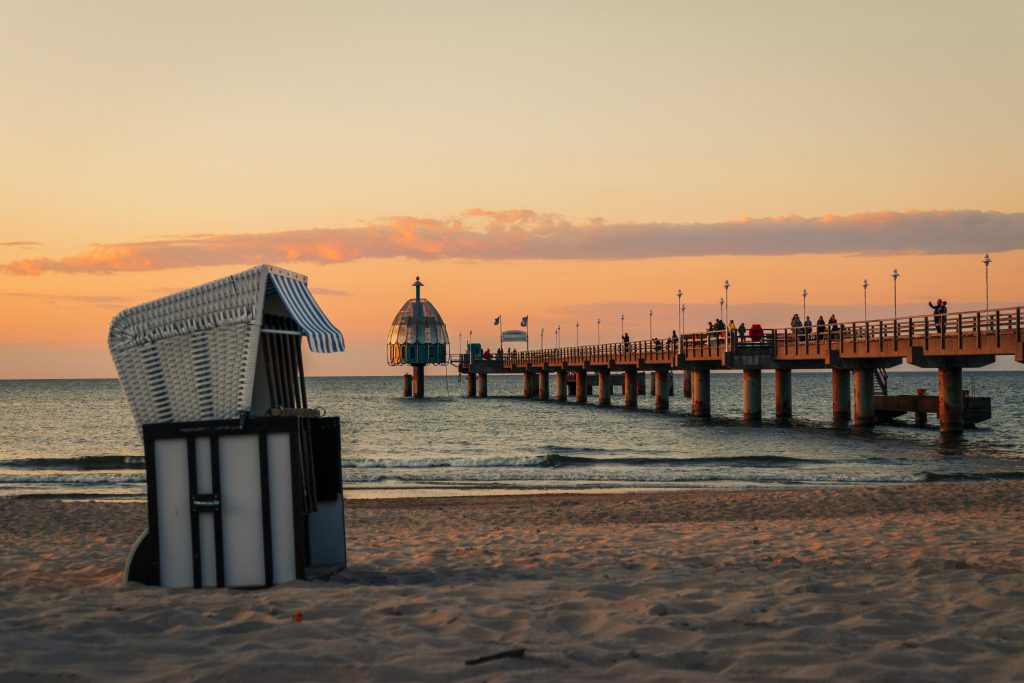
3. Prerow Beach, Darß — a lower-key Baltic base
Prerow has a long sandy beach beside the town, with different signed sections for different beach uses. The local tourism office describes a five-kilometer stretch and notes its substantial naturist area. Check the signs at the entrance if you have a particular kind of beach day in mind.
Prerow works for travelers who want the Baltic coast without making a large resort town the center of the trip. The drawback is that a quieter setting asks for more planning: choose your access point, confirm local facilities and allow time to explore the peninsula rather than expecting everything at one central promenade.
4. Warnemünde main beach — a Baltic beach day from Rostock
Warnemünde is the most straightforward pick here for a visitor who wants to combine a city stay with the sea. The Rostock tourism office identifies Warnemünde as part of the city’s beach coast, and its Active Beach guidance describes the walk from Warnemünde station through the old waterfront and promenade.
The central stretch is convenient, which also means it gets busy. Use the town access points if restaurants and rail convenience matter most; look farther along the coast if space matters more than proximity to the station.
Trip decision: Choose Warnemünde for one beach day within a Rostock or northern Germany itinerary. Choose Rügen or Usedom for a longer island-based beach holiday.
5. Binz Beach, Rügen — the simplest Rügen base for a classic beach stay
Binz combines a broad sandy beach with a promenade, restaurants and a resort town behind it. The official Binz beach page describes separate sections and notes that the nearby Prora beach can be an alternative when central Binz is crowded.
This is a practical first Rügen choice if you want beach time and services in walking distance. Its weakness is popularity during the summer holiday period. Book an island stay based on the activities you want beyond the sand, not just the first available room near the water.
Trip decision: The Rügen island itinerary helps combine beach time with the island’s other stops at a realistic pace.
6. Sellin South Beach, Rügen — an alternative for families
Sellin has two notably different beaches. Its official beach guide presents the main beach by the pier as the central, more social choice and South Beach as the longer section with more room for children to play. Both have seasonal lifeguard coverage according to the local tourism office, but confirm the current patrol times before swimming.
Choose South Beach for the beach day itself. Choose the pier beach if the pier, cafés and a short visit are the reason you came. Naming the two separately avoids the common problem of arriving in Sellin without knowing which shoreline fits your group.
7. Ahlbeck Beach, Usedom — sand with a promenade and town behind it
Ahlbeck offers a long sandy Baltic beach, a pier and direct access to the Kaiserbäder promenade. Usedom’s tourism office describes beach-chair rental and sports areas; its bathing-beach page identifies a guarded section in the bathing season.
Ahlbeck suits travelers who want to move easily between beach time, a town and other Usedom resort areas. If you want several days of swimming and cycling rather than one short stop, compare bases across the island before booking. The Usedom itinerary is the next planning step.
Lake beaches for a city or Bavaria trip
A lake beach can be the better answer when a coastal detour would consume most of the trip. The choice is between a managed lido with clear facilities and a more open lakeshore where access and amenities vary.
8. Strandbad Wannsee, Berlin — a sandy beach without a coastal journey
Strandbad Wannsee is a managed sandy lido on Berlin’s Wannsee. It suits visitors who want a full beach day while staying in the city, with a defined swimming area and facilities rather than an improvised spot along a lake.
This is a seasonal facility, so check current opening times, admission and bathing information before leaving. It is a day-trip choice, not a substitute for several nights on the Baltic coast.
9. Strandbad Übersee, Chiemsee — the family lake-beach choice
On Chiemsee’s south shore, Strandbad Übersee has a sandy, gently sloping entry, a playground, food options and a managed bathing area. That makes it a stronger match for a conventional family beach day than simply arriving at an arbitrary point on the lakeshore.
Check the current hours, admission and lifeguard schedule. If you are already touring southern Bavaria, this is a practical lake day; it is not a reason to replace a planned coastal holiday.
Other lake options: Strandbad Chieming has a jetty, a non-swimmer area and lake access. Starnberger See has several distinct bathing places, so choose one rather than arriving at the lake without an access plan. Schluchsee fits a Black Forest trip. Berlin also has other seasonal lidos, including sites around Müggelsee.

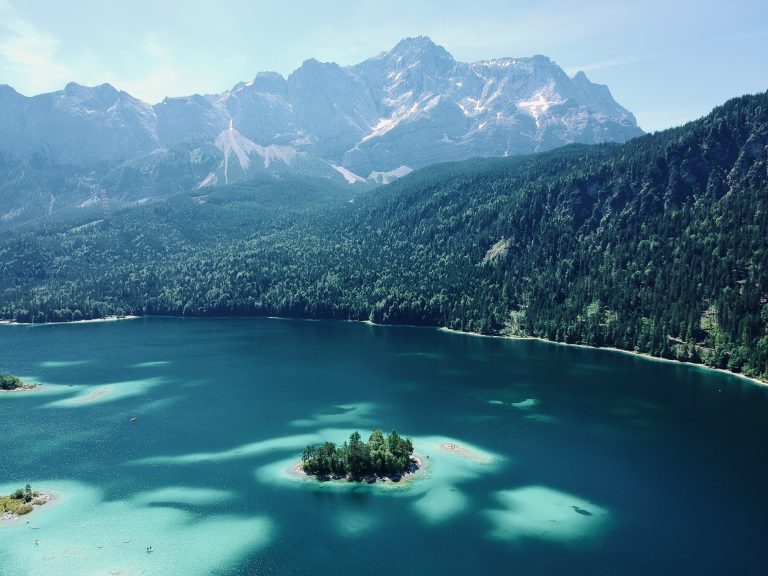
And Eibsee? Eibsee is a strong choice for a mountain-lake walk and a short dip, but it is not the easiest conventional beach day. The water stays cool and the shoreline experience differs from a managed sandy lido. The Eibsee operator provides current access, transport and parking information; check that before setting out.
How to plan a Germany beach day
Check swimming conditions, not just the weather
A sunny forecast does not tell you whether the water is safe or comfortable. On the North Sea, check the tide and beach flags. On the Baltic and at lakes, use the marked bathing area and local notices. Germany’s Federal Environment Agency bathing-water page links to current state-level water-quality information. Check the specific site before swimming, especially after unusual weather or a local advisory.
Know what the beach visit costs
A beach can be publicly accessible while a seaside town charges a visitor tax, a Strandkorb rental costs extra, or a managed lido charges admission. Rules vary by place and season. Check the local page linked above instead of assuming every beach is free or that a hotel booking covers every charge.
Match the beach to the length of the trip
For a one-day addition to a city trip, Warnemünde, Wannsee or a chosen Chiemsee lido is easier to plan. For several beach days, look at the specific island base as well as the sand: Sylt, Rügen and Usedom require different travel and accommodation decisions. The Baltic coast towns guide can help narrow a longer coastal trip.
July and August generally provide the strongest beach infrastructure and the most competition for rooms. Shoulder-season travel can be quieter, but swimming conditions and seasonal services are less predictable. Check the dates of the facilities you actually plan to use.