Usedom Itinerary for a Classic Baltic Sea Vacation
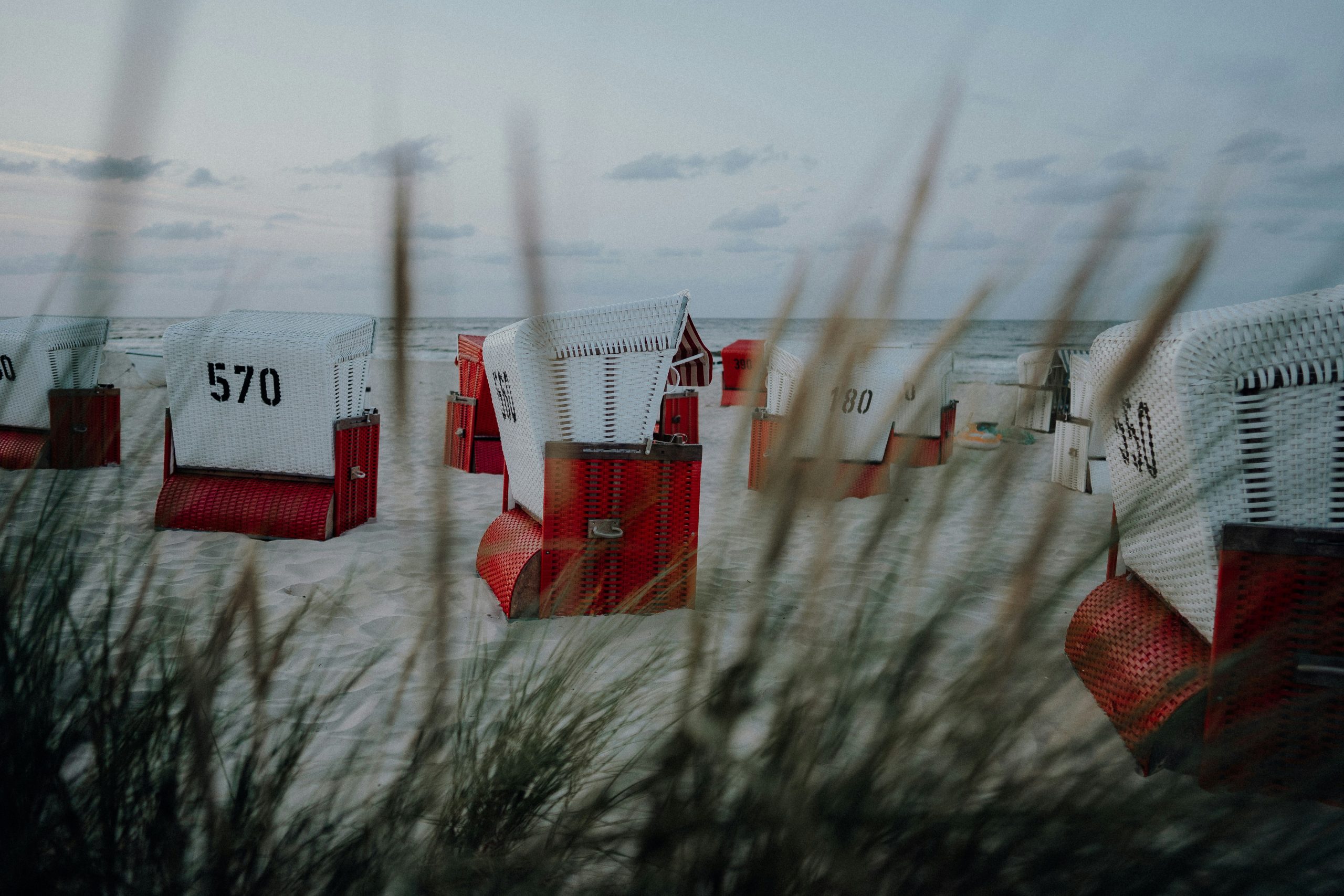
Usedom works well as a 3–5 day Baltic Sea itinerary built around beaches, cycling, historic resort towns, and slow coastal travel. Located in Germany’s far northeast, the island is best for travelers who want a relaxed outdoor vacation rather than a packed sightseeing route.
The island has two distinct sides. The eastern stretch holds the Kaiserbäder resort towns, where 19th-century beach villas line the promenade and the atmosphere feels polished and traditional. The western and central parts of Usedom shift toward nature reserves, reed-fringed lakes, forest roads, and quieter villages.
This guide covers how to structure a classic Usedom itinerary, where to stay, how to get around, which beaches and towns are worth prioritizing, and how to include a short crossing into Świnoujście, Poland.
| Day | Base | Primary Activity |
|---|---|---|
| 1 | Heringsdorf | Arrive, pier walk, promenade |
| 2 | Heringsdorf / Ahlbeck | Kaiserbäder strip, Świnoujście day trip |
| 3 | Zinnowitz / Peenemünde | Coastal bike ride, museum |
| 4 | Nature Park area | Lake walking, quiet villages |
For a first trip to Usedom, base yourself in Heringsdorf or Ahlbeck and plan around three core experiences: walking or cycling the Kaiserbäder promenade, crossing into Świnoujście, and spending time on the beaches or bike paths between Zinnowitz, Koserow, and Ückeritz. Three days covers the essentials, while four to five days gives enough time for Peenemünde and the nature park.
Getting to Usedom and Getting Around
Usedom is reachable by train, car, or seasonal flights, but most visitors arrive by car or rail. From Berlin, the drive takes roughly three hours via the A10 and A20. By train, most routes connect through Züssow or Stralsund before continuing onto the island.
Heringsdorf Airport handles seasonal flights, primarily from German and Central European cities, though schedules vary by year. Travelers arriving by train should confirm whether their ticket covers the onward connection to the island.
Once on Usedom, the Usedomer Bäderbahn is worth using. This narrow-gauge railway connects the main coastal towns and runs reliably throughout the day. Many visitors overlook it in favor of driving, but it removes parking headaches entirely in peak season.
Cycling is the most practical way to explore Usedom day to day. The island’s bike path network is extensive and largely flat, accessible to casual riders without specialist equipment.
One logistical detail worth noting: part of the island area around Świnoujście belongs to Poland. On foot or by bicycle, crossing from Ahlbeck into Poland is straightforward and takes only minutes.
Where to Stay on Usedom
Most visitors base themselves in one of the main coastal towns. The right choice depends on priorities around access, atmosphere, and budget.
Heringsdorf is the most central option, with the widest range of hotels, vacation apartments, and guesthouses. Restaurants, cafés, and the island’s longest pier are all within easy walking distance. It draws the most visitors in July and August, which affects both prices and street-level noise.
Ahlbeck sits just to the east, slightly quieter and often marginally more affordable. Its main practical advantage is proximity to the Polish border, making it the better base for those planning to visit Świnoujście.
Zinnowitz lies further west and is popular with families. Beach access is good, the atmosphere is less formal, and the peak-season crowds are noticeably thinner than in the Kaiserbäder towns.
For those preferring self-catering and more seclusion, inland villages like Ückeritz and Zempin offer a quieter alternative. Car access becomes more useful from these locations, as public transport connections are less frequent.
On timing: July and August bring high prices, busy beaches, and limited accommodation availability without advance booking. Late May, June, and September offer better value, calmer conditions, and more pleasant cycling weather.
The Kaiserbäder: Heringsdorf, Ahlbeck, and Bansin
The Kaiserbäder designation refers to three adjacent resort towns that became fashionable among German and European aristocracy in the late 19th and early 20th centuries. The ornate beach villas built during that period, known as Bäderarchitektur, remain the defining visual character of this part of Usedom. Walking the promenade here gives a clear sense of why these towns once attracted royalty and writers.
Heringsdorf
Heringsdorf is the most developed of the three and the natural starting point for any Usedom visit. The pier stretches 508 meters into the Baltic, making it the longest in Germany. The beach promenade is wide, well-maintained, and lined with cafés and seafood restaurants. It warrants at least half a day, particularly for first-time visitors to Usedom.
The main drawback is density. In peak season, the promenade and beach can feel crowded, and restaurant prices reflect the town’s popularity.
Bansin
Bansin is the smallest and quietest of the three Kaiserbäder towns. The beach villa architecture is present but the commercial intensity is lower. Travelers who find Heringsdorf too busy tend to prefer Bansin for an afternoon walk or a quieter beach day.
Ahlbeck
Ahlbeck has its own historic pier and the beach closest to the Polish border. A promenade walk from Ahlbeck toward Świnoujście takes approximately 20–30 minutes on foot. This is one of the more distinctive walks on Usedom, crossing from one country to another along an uninterrupted stretch of Baltic coast.
All three Kaiserbäder towns are connected by a continuous beach promenade. Covering all three in a single day by foot or bicycle is realistic and is widely considered one of the highlights of any Usedom itinerary.
Crossing into Świnoujście, Poland
The western portion of Usedom’s island landmass belongs to Poland, and the city of Świnoujście sits directly across the border from Ahlbeck. This is a genuinely distinctive experience for travelers on Usedom, and most visitors who skip it later wish they had gone.
Świnoujście is a Polish spa town with its own beach, promenade, and town center. On foot or by bike, the border crossing requires no formal checkpoint stop for EU travelers. ID cards are sufficient for EU citizens; non-EU visitors should carry a passport.
Travelers will notice several practical differences immediately. Food and grocery prices drop noticeably on the Polish side. The town’s architecture has a different character from the Kaiserbäder aesthetic. The beach is broad and less manicured than the German side.
Vehicles cannot cross directly by road. A short car ferry operates between the island portions, but most visitors make this trip on foot or by bicycle, which is the easier option.
A 2–3 hour visit covers the essentials comfortably. Those wanting to explore further into Świnoujście can easily spend a half day without running out of things to see.
Cycling the Island: Routes and Realistic Expectations
Usedom’s cycling infrastructure is strong by German island standards. The Radfernweg Berlin–Usedom connects the island to the mainland via a signed long-distance route, and island-specific paths are clearly marked and well-maintained.
Two types of cycling experience suit different travelers.
The coastal route running from Heringsdorf northwest toward Peenemünde follows the shoreline through Zinnowitz and toward the quieter northern part of Usedom. The one-way distance is approximately 30–35 km, making it a manageable full day with stops. This route gives a good cross-section of the island’s character.
Inland routes through the Naturpark Insel Usedom are flatter, forested, and significantly quieter. These work better for anyone wanting to avoid beach-season foot traffic or looking for a more nature-focused ride.
Bike rental is available in most main towns. No specialist equipment is needed for any route on Usedom.
One limitation to flag: cycling the main beach promenade in peak July and August can feel slow and congested. Early morning starts or off-season visits make the experience considerably more enjoyable. Usedom’s cycling routes are suitable for all fitness levels, including families with children.
Usedom’s Beaches: What’s Worth Knowing
Usedom’s beaches are wide, sandy, and face northwest into the Baltic. Water temperatures in peak season typically range between 18°C and 22°C, which sets realistic expectations for swimming. This is not warm-water beach travel.
Beach character varies by location.
Heringsdorf and Bansin
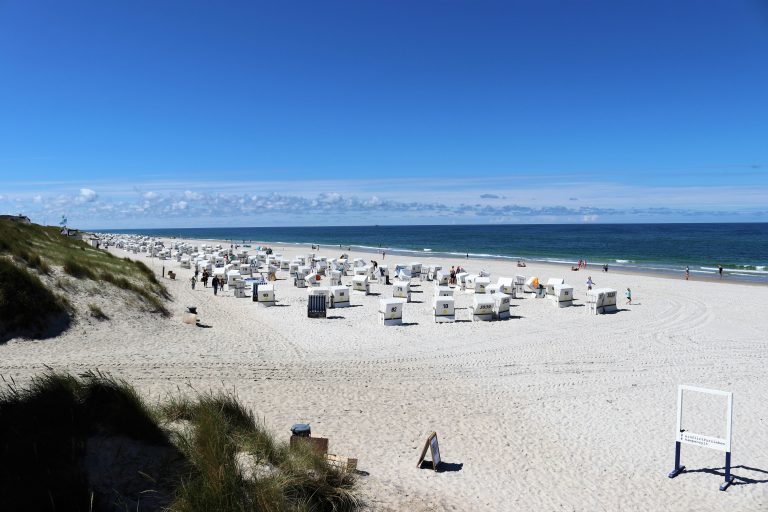
Both beaches are well-maintained and lifeguarded during the summer season. Strandkorb rentals (the hooded wicker beach chairs associated with Baltic Sea culture) define the aesthetic here. The atmosphere is classic German seaside resort.
Zinnowitz
Zinnowitz beach tends to be slightly wider and less formal than the Kaiserbäder options. It attracts more families and has a lower commercial density along the beach front.
Koserow and Ückeritz
These beaches are less crowded and less developed. Travelers who find the Kaiserbäder beaches too polished or busy tend to prefer this stretch.
Most Usedom beaches charge a small Kurtaxe (visitor tax), typically collected daily. For travelers staying in the main resort towns, this fee is usually included in accommodation costs. Day visitors arriving from outside the main towns may need to pay separately.
For a broader comparison of coastal options, see the guide to the best beaches in Germany.
Peenemünde and the Island’s Northern Tip
Peenemünde is historically significant as the site of WWII-era rocket development. The Historisch-Technisches Museum Peenemünde is the primary draw and suits travelers with an interest in 20th-century military and scientific history. The exhibition covers the V-2 program in considerable depth.
This is a detour rather than a beach destination. Peenemünde sits roughly 30 km from Heringsdorf and is best reached by bike along the coastal route or by taking the Usedomer Bäderbahn to its northern terminus.
The landscape around Peenemünde differs markedly from the resort towns. Industrial remnants, open waterway views along the Peenestrom, and low visitor numbers give it a different atmosphere entirely. Birdwatching along the Peenestrom waterway is a practical reason to visit outside of museum interest.
Peenemünde suits history-focused travelers, cyclists looking for a longer day ride, and anyone wanting to see a less resort-polished side of Usedom. It is less relevant for travelers with limited time or those primarily interested in beach relaxation.
Usedom Nature Park and Quiet Island Life
Much of Usedom falls within the Naturpark Insel Usedom, which protects forested areas, reed-fringed lakes, and coastal dune landscapes. The two largest lakes, the Schmollensee and the Gothensee, sit in the central and western parts of the island and can be reached by bike or on foot from several nearby villages.
Walking and birdwatching are the main activities in this part of Usedom. The lakes attract migratory birds in spring and autumn, making those seasons particularly worthwhile for anyone with an interest in wildlife.
The inland landscape is markedly different from the coastal resorts. It is quieter, less visited, and more atmospheric outside of peak summer months. Travelers who have spent two or three days on the promenade often find a half day in the nature park a useful change of pace.
Zempin and Loddin are small villages in this area that offer a more local feel than the main resort towns. Both are accessible by bike from Zinnowitz and are worth passing through on any inland route.
This section of Usedom works well as a half-day option or as a rest-day alternative. It is not a destination for travelers looking for infrastructure, restaurants, or guided activities.
Planning Your Usedom Trip: A Practical Day-by-Day Framework
A flexible 4-day framework covers the main areas of Usedom without feeling rushed. Travelers with more time can extend easily; those with less should prioritize sections 4 and 6 of this guide.
- Day 1: Arrive in Heringsdorf. Walk the pier, settle into accommodation, explore the promenade. Evening options for seafood are concentrated along the main walking street.
- Day 2: Cycle or walk the Kaiserbäder strip from Heringsdorf through Bansin to Ahlbeck. Cross into Świnoujście for lunch and a short explore before returning along the promenade.
- Day 3: Bike or take the Usedomer Bäderbahn north toward Peenemünde via Zinnowitz. Allow two to three hours for the museum, then return along the coastal path or by train. Beach time in the afternoon if the schedule allows.
- Day 4: Morning in the Naturpark Insel Usedom area, lake walking, or cycling inland routes through Zempin or Loddin. Slower pace before departure.
Three days is a realistic minimum for covering the essentials. Five to six days suits families or cyclists planning longer routes across Usedom.
Shoulder season (May through June, and September) consistently offers the best combination of reasonable weather, lower prices, and manageable visitor numbers. July and August are viable but require earlier accommodation bookings and more patience on the promenade.
For travelers planning a longer Baltic coast trip, the Rügen itinerary covers Germany’s largest island just to the west of Usedom. For a North Sea comparison with a very different coastal character, the Sylt travel guide covers that island’s distinct atmosphere and logistics.