Alta Badia Travel Guide for Skiers and Hikers
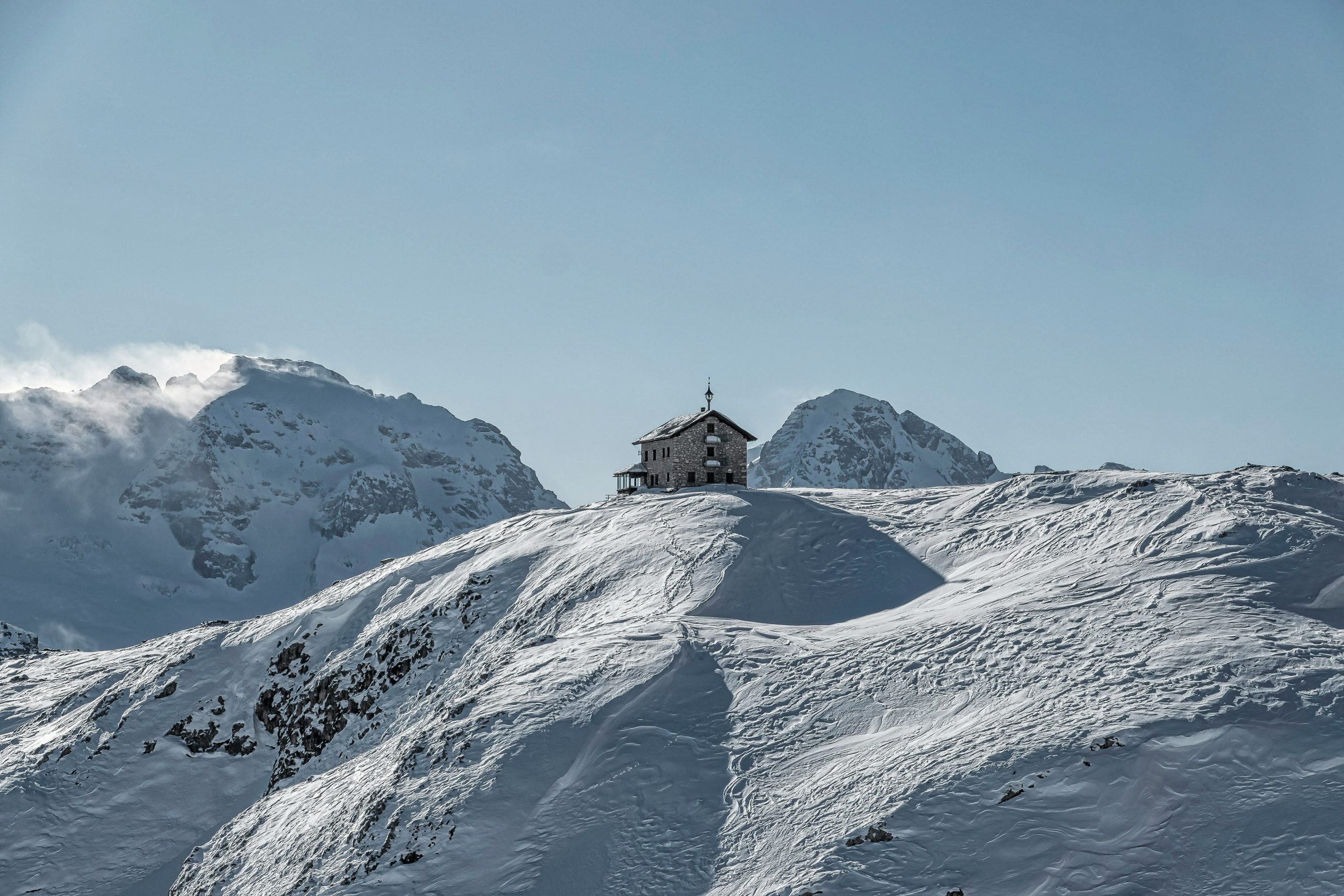
Alta Badia is a strong Dolomites base for confident piste skiers who want Sellaronda access and for hikers who want a choice of lift-assisted and valley walks. Corvara is the starting shortlist for circuit-focused trips; Badia and La Val deserve more attention when local walking and a quieter base matter more than fast access to the circuit.
The key decision is not whether Alta Badia is “good.” It is which village matches the group, where each day starts, and whether the accommodation still works when a lift connection or mountain plan falls through.
This guide serves travelers who already know the rhythm of a mountain vacation. It compares bases, ski-day logistics, summer routes, and arrival options without claiming firsthand experience in Alta Badia.
Which Alta Badia Village Should Be the Base?
Alta Badia is a destination area in South Tyrol, Italy, not a single resort town. Its six villages are Corvara, Colfosco, La Villa, San Cassiano, Badia, and La Val; their names on a booking listing do not imply equivalent lift access.
The recommendations below are planning judgments based on official village and operator information, not a ranking of hotel quality or nightly prices.
| Village | Best starting point for | Tradeoff to check before booking |
|---|---|---|
| Corvara | Sellaronda-focused skiers wanting direct circuit access and a village with rental shops and services | The useful access lift depends on the day’s route. A Corvara address alone does not establish walking distance. |
| Colfosco | Skiers prioritizing the Sellaronda and summer walkers considering the Pisciadú waterfall area | Check the property’s position against the exact lift and bus stop, not just its proximity to Corvara. |
| La Villa | Groups organizing local ski days around Piz La Ila rather than completing a circuit every morning | The Gran Risa World Cup identity does not make every descent suitable for the group. |
| San Cassiano | A Piz Sorega-centered stay with a choice between downhill skiing and separately planned cross-country days | Accommodation in the village and accommodation convenient for the cross-country center are different searches. |
| Badia | Travelers favoring rural surroundings, the La Crusc sector, and access to Armentara walking | Choose it for that local rhythm, not on an assumption that it offers Corvara’s circuit start. |
| La Val | Hiking-led stays around the village’s meadows and walking network | For downhill skiing, map the road or bus journey to the chosen access lift before comparing room rates. |
Village facts: Corvara, Colfosco, La Villa, San Cassiano, Badia, and La Val.
For a ski-first couple, begin with Corvara or Colfosco and test actual properties against the morning lift. For a family, reverse the process: secure the appropriate lesson arrangement, then choose accommodation around its meeting point.
La Villa hosts the Gran Risa World Cup races in December. Travelers considering that period should check the event schedule and local access arrangements before assuming a normal village or ski-day pattern.
A hiking-first group should not pay for a winter convenience it will never use. Badia or La Val may fit the intended walking days better, while a lift-assisted itinerary may favor a property near Col Alto, Piz La Ila, or Piz Sorega.
Skiing Alta Badia: Local Terrain and Sellaronda Strategy
The official ski-area overview lists 130 kilometers of pistes and 54 lifts, with more blue than red or black piste kilometers. That supports a local cruising holiday, but it does not mean a nervous skier can follow every connection or return run.
The advertised 2026/27 winter season is December 4, 2026, to April 4, 2027. These are planned area dates, not a promise that every slope, lift, or inter-valley link will operate throughout. Alta Badia ski-area overview.
Corvara sits at 1,568 meters and Badia at 1,324 meters, according to their official village pages. Accommodation elevation is only one input: the height, exposure, and condition of the actual lesson slope or homeward piste matter more than a destination’s maximum-altitude headline.
Choose the access point and the return together
| Base | Useful access focus | Return and non-ski planning |
|---|---|---|
| Corvara | Direct Sellaronda access; Col Alto for a separate local mountain plan | Agree which village endpoint the group needs. Keep rental storage and any pedestrian lunch meeting on the same practical route. |
| Colfosco | Direct Sellaronda access | Check the final connection to the accommodation, especially if part of the group finishes early. Do not treat adjacent villages as the same pickup point. |
| La Villa | Piz La Ila | Have the school or lift staff confirm the suitable descent or permitted download. Do not make Gran Risa an unexamined last run. |
| San Cassiano | Piz Sorega | Plan the return to this access point before extending across the network. Pedestrian tickets and restaurant access need separate checks. |
Use the daily lift and piste report and current piste map to build the day’s route. Blue, red, and black indicate increasing piste difficulty locally; ice, visibility, traffic, and fatigue can still change what feels manageable.
The simplest mixed-group plan is a local sector with an agreed meeting point, not an expanding chain of lifts. Skiers or snowboarders who need frequent stops should trial the group rhythm locally before committing to the full circuit.
Treat the Sellaronda as a full-day commitment
The Sellaronda links four Dolomites valleys. Orange signs mark clockwise travel and green signs mark counterclockwise travel; neither color is a beginner difficulty rating.
Dolomiti Superski describes the circuit as medium difficulty, requiring endurance, and gives an indicative six-hour duration. Its advice is to start before 10 a.m. and cross the final pass by 3:30 p.m.; a group’s actual lift deadlines may require an earlier target.
A Dolomiti Superski pass is required for the circuit. Do not assume an Alta Badia-only pass covers it. Official Sellaronda route and requirements.
Choose direction using the current route map, open links, and local advice, rather than a claim that one direction is always easier. Start earlier when possible, keep lunch flexible, and abandon optional detours when queues consume the return margin.
Before departing, identify the last essential connection and the plan if it closes. A road transfer from another valley is a contingency to arrange, not an included or guaranteed rescue service.
Skip the circuit when any member cannot sustain a linked intermediate day, visibility is poor, or the operating report does not support the whole route. A good local ski day is more useful than completing most of a loop and missing the way home.
Keep piste skiing separate from off-piste travel
This guide recommends marked, controlled pistes, not freeride descents or ski touring. A lift-accessible slope outside the controlled network requires different skills, equipment, and decision-making.
For uncontrolled terrain, consult the regional avalanche bulletin and qualified local guidance; an open lift is not a safety clearance. On pistes, follow closures, signs, and the resort’s slope rules.
Dolomiti Superski states that helmets are compulsory for all ages from winter 2025/26 and that valid third-party liability insurance is required. Confirm the policy actually covers the planned activity; liability cover is not the same as medical or mountain-rescue cover. Official safety requirements.
Family and Mixed-Ability Ski Days
Alta Badia works best for mixed groups when they share a base, not necessarily a route. The strongest skier should not choose a hotel solely for circuit access if everyone else will spend the week traveling to lessons.
The official directory lists schools in Colfosco, La Villa, and Badia, among other locations. Contact a named provider with ages, actual ability, lesson language, dates, and pickup needs before booking; a directory office address is not confirmation of the snow meeting point. Alta Badia ski-school directory.
Badia’s La Crusc sector offers a concrete alternative to a circuit-led day: its operator lists blue La Crusc 1 and La Crusc 2 pistes and a red variant. That makes it worth discussing with the school for a local progression plan, not declaring automatically suitable for every first-timer. La Crusc piste information.
Place rental pickup, overnight storage, and lessons on one workable route. Two Corvara listings illustrate why the address matters: Ski Service Lift Col Alto is on Strada Col Alt, while Ski Service Boé is on Strada Burjé. Official rental directory.
Choose the shop after the access lift and lesson location, then confirm opening hours, fitting arrangements, helmet availability, and storage terms. A cheaper rental package can lose its value if it adds another morning trip in ski boots.
For lesson days, agree who handles pickup, where lunch and toilets will be available, and what happens if a child finishes early. Adults should keep their own ski plan close enough to meet those commitments without relying on the last possible connection.
Best fit: confident intermediates who enjoy linked pistes, families prepared to organize around a school, and mixed groups happy to split for part of the day.
Reconsider: groups expecting beginners to complete the Sellaronda, advanced skiers choosing primarily for demanding terrain, or non-skiers expecting a city-sized indoor activity program.
Book a genuinely usable rest-day setup too. A comfortable apartment, nearby food, and a short village outing can be more valuable than a distant attraction reached through winter road conditions.
Alta Badia for Hiking: Two Useful Starting Routes
Summer changes the base calculation. A room beside a winter piste is not necessarily near the lift operating on the intended dates, and a lift-assisted walk can still involve substantial descent.
The following are route-planning examples, not live assurances of access. Published walking times exclude the group’s breaks and should not be used as lift-connection guarantees.
Corvara to Colfosco loop: a lower-commitment day
The tourism board’s Corvara to Colfosco walk starts near the Boé lift car park and returns to Corvara. It lists 4.8 kilometers, 128 meters of ascent, 132 meters of descent, and an indicative 1 hour 20 minutes.
This is the more practical of these two options for an arrival afternoon or a recovery day because it does not require a mountain lift. Allow extra time for navigation and stops, and follow the official route rather than assuming the direct roadside walk is the same itinerary. Route description and GPX.
An “easy” walking grade is not certification for a stroller or wheelchair. Travelers needing step-free access should confirm surfaces and gradients locally before setting out.
La Crusc to Armentara and Badia: low ascent, substantial descent
The La Crusc operator describes an 8.8-kilometer route from the sanctuary through the Armentara meadows to the La Crusc 1 valley station. Its figures are 80 meters of ascent, 768 meters of descent, and about 3 hours 30 minutes of walking.
This fits walkers who want a longer meadow day and can manage sustained downhill travel. The small ascent number hides the main physical demand, so it is a poor choice for a group whose knees or energy make a long descent difficult. Operator’s Armentara route.
Arrange access to the sanctuary and confirm lift operation before committing. If the descent does not fit the group, choose a shorter out-and-back with a confirmed return lift instead of assuming the full route can be shortened anywhere.
Choose dates around the actual lifts
The 2026 summer schedule shows why “summer season” is too broad a promise: Borest is listed through September 20, Pralongià through September 27, and Col Alto through October 4. Individual lifts can therefore be on different calendars within the same holiday week.
Lagazuoi is not included in the Alta Badia Summer Card, though the published information describes a discount. Compare the exact intended lift journeys with individual tickets before buying a card. These are 2026 planning examples, not dates or inclusions to carry into a later season. Summer lift calendar and ticket notes.
Check the South Tyrol mountain forecast, route notices, hut opening, and last descent before each mountain day. Thunderstorms, lingering snow, or low visibility can invalidate an otherwise sensible itinerary.
Carry suitable footwear, layers, water, food, offline navigation, and a charged phone; tell someone the intended route. Exposed high-mountain paths and via ferrata are not interchangeable with the walks above and need their own preparation.
For a wet or unsettled day, shorten the objective or stay in the village. A lower walk is not automatically appropriate during a thunderstorm, and a hut should not be the sole backup unless its opening and safe access are confirmed.
Choosing Accommodation Without Buying the Wrong Convenience
For circuit-focused skiing, shortlist the exact lift area before comparing room photographs. For hiking, plot the starting points of two or three priority walks; for lessons, put the meeting point first.
“Ski-in/ski-out,” a hotel shuttle, and a walk to the lift solve different problems. Ask which marked piste reaches the property, what ability it requires, and how arrival works when that piste is closed.
A shuttle is only useful if its route and operating window match lessons and early finishes. Confirm whether it is scheduled or on request, whether there is room for equipment, and whether the afternoon service reaches the actual pickup point.
Before paying, obtain answers to these practical questions:
- Which useful lift, lesson meeting point, bus stop, and grocery shop are accessible from the property?
- Is the pedestrian route manageable with children and equipment, including any steep or roadside sections?
- Are ski storage, boot drying, and parking included, limited, or separately charged?
- Does the room or apartment provide the required beds and privacy, rather than merely the right occupancy total?
- What is the full payable amount, including compulsory charges, and what happens if travel plans change?
- Which meals are included, and can the group eat conveniently after a late arrival or early lesson finish?
Compare total trip cost, not an unsupported claim that one valley is cheaper. Add passes, lessons, rentals, transfers, parking, meals, and the transport cost of a less convenient property.
Skip a room that only works if every connection runs perfectly. A modestly higher accommodation quote may be the better purchase if it removes repeated transfers, but that is a booking-specific calculation, not a universal rule.
Getting to Alta Badia and Moving Around
Alta Badia has no mainline station in its villages. The destination’s arrival guidance identifies Brunico as the nearest rail gateway, with Bressanone and Bolzano as other approaches. Official arrival guidance.
For public transport, build the trip to the final accommodation stop, not just the station. The regional timetable lists line 460 for Val Badia and Brunico; use the date-specific planner to confirm the needed stop, connection, and last departure. Südtirolmobil timetables.
When comparing flights through Innsbruck, Munich, Verona, or Venice, compare the complete onward journey and arrival hour before choosing the airfare. A late landing that forces a private transfer can reverse the apparent saving.
A prebooked transfer is worth pricing for groups carrying skis or traveling with children, especially when the public connection is awkward. Confirm equipment capacity, child seats where needed, the pickup procedure, and the provider’s policy for delayed flights.
A car gives more flexibility for dispersed accommodation and trailheads, but adds parking, winter-equipment, and road-condition decisions. Ask the accommodation about the recommended approach; do not accept a navigation app’s mountain-pass shortcut without checking current road conditions.
For car-free days, central accommodation near the actual bus route matters more than a generic “bus nearby” claim. Check both directions and the return service, particularly when separating skiers and non-skiers.
Participating accommodation provides the South Tyrol Guest Pass, covering eligible regional public transport. The published Alta Badia terms exclude the Badia ski bus and long-distance trains, and require validation for each journey; the pass is not a ski-lift ticket. Guest Pass coverage and exclusions.
Do not plan an essential connection around the final bus or assume summer shuttle arrangements apply in winter. Keep the accommodation’s contact details and a realistic late-arrival contingency available offline.
Three Trip Patterns and When to Choose Another Base
These are suggested planning patterns, not fixed operator itineraries. Keep the strongest weather window available for the most connection-dependent day.
A first Sellaronda-focused ski week
Use arrival day for equipment and route preparation, then spend the first ski day locally assessing the group. Attempt the circuit on a suitable later day, followed by a less committed local day rather than another compulsory tour.
Corvara or Colfosco is the logical starting shortlist. Do not buy a week organized around daily circuit completion if the group actually prefers long lunches, short ski days, or repeated runs in one sector.
A mixed ski and rest-day week
Choose accommodation around lessons or the main access lift and allow different morning plans. Schedule at least one flexible day for recovery, poor visibility, or non-ski time rather than treating it as wasted lift-pass value.
La Villa, San Cassiano, or Badia can work when the local arrangement fits. The deciding test is whether early finishers can get back comfortably without asking the rest of the group to cross the entire network.
A summer walking stay
Allow three to five full days for a first stay, as an editorial planning recommendation rather than a minimum requirement. Combine the Corvara to Colfosco loop, a suitable Armentara day, and a lift-assisted day selected around the current schedule, leaving space for weather changes.
Do not attach a distant drive to every walk. Moving accommodation makes more sense when the next valley becomes the main focus, not just to collect another well-known viewpoint.
Alta Badia versus Val di Fassa
Compare specific bases rather than treating either valley as one product. Berge und Bier’s Sellaronda accommodation comparison includes Corvara and Canazei, making it a useful next step for comparing Alta Badia with a Val di Fassa circuit base.
There is no defensible blanket winner on cost, village convenience, or family fit without the actual properties and dates. Alta Badia should win the booking because its selected base fits the planned days, not because its destination label sounds more established.
Strict-budget travelers should compare full quotes elsewhere before committing. Rail-first visitors unwilling to add a bus or transfer, travelers seeking a city-style evening, and groups needing all beginner services immediately outside the door should also test alternatives.
For timing, use the January, February, and March Alps comparison to narrow the month, then check Alta Badia’s own operating schedule and the group’s essential terrain. No month removes the need for a daily conditions decision.
Frequently Asked Questions (FAQs)
Sources
Official logistics and route information checked September 17, 2026. Operating dates are season-specific; live conditions must be checked again for travel.
- Corvara
- Colfosco
- La Villa
- San Cassiano
- Badia
- La Val
- Alta Badia ski-area overview
- daily lift and piste report
- Official Sellaronda route and requirements
- regional avalanche bulletin
- resort’s slope rules
- Official safety requirements
- Alta Badia ski-school directory
- La Crusc piste information
- Official rental directory
- Route description and GPX
- Operator’s Armentara route
- Summer lift calendar and ticket notes
- South Tyrol mountain forecast
- Official arrival guidance
- Südtirolmobil timetables
- Guest Pass coverage and exclusions
- Sellaronda accommodation comparison
- January, February, and March Alps comparison