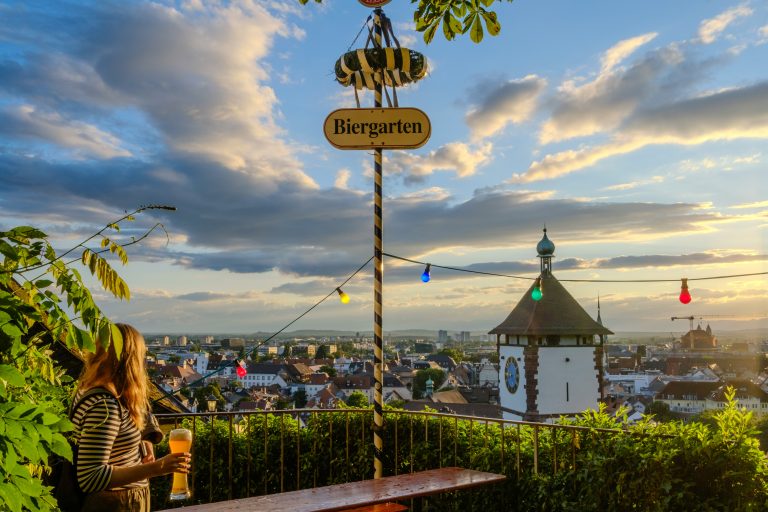
Best Restaurants in Munich by Neighborhood
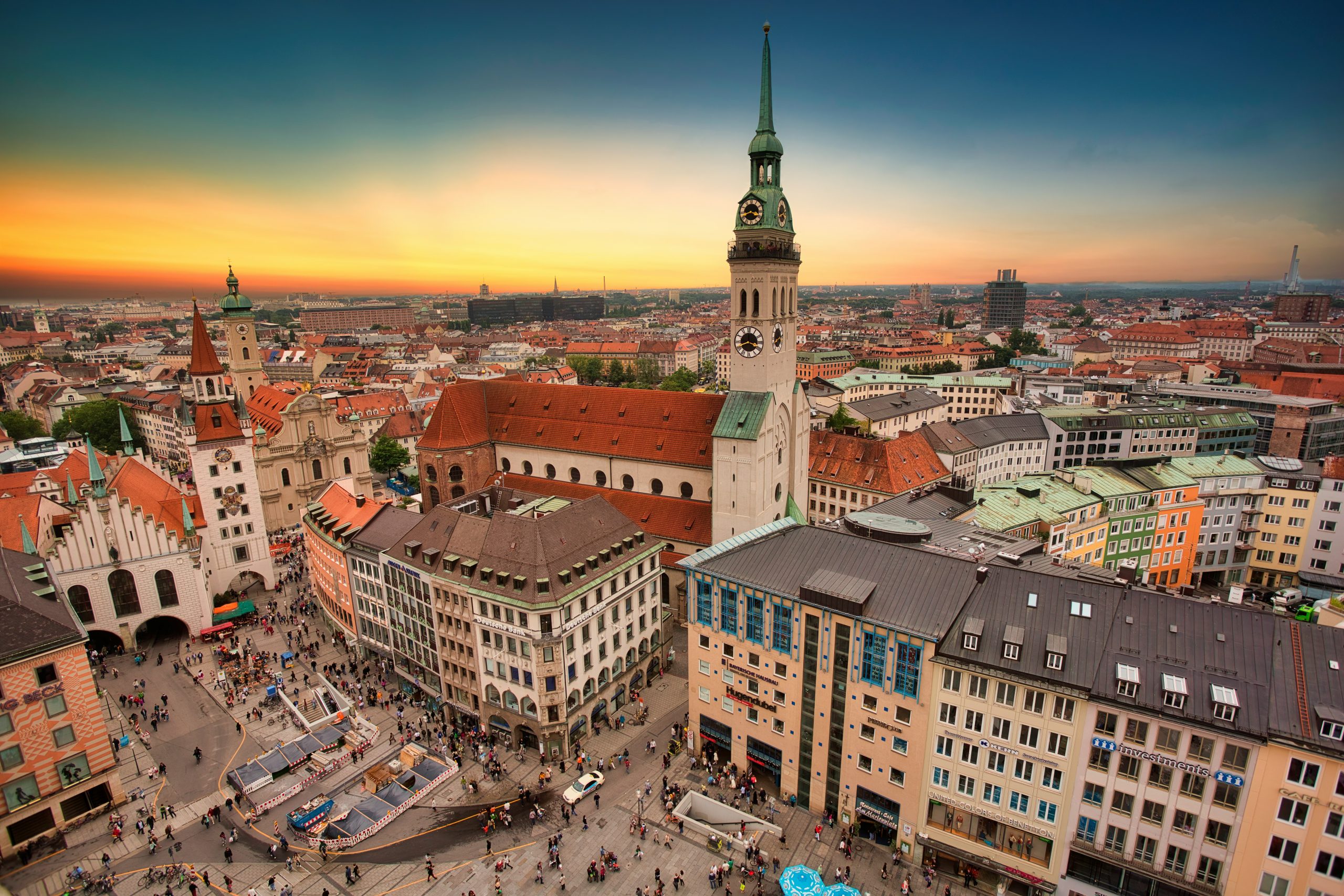
Munich has excellent restaurants across all price points and styles, but where you eat depends heavily on which part of the city you’re in. This guide maps the best restaurants in Munich by neighborhood so travelers can plan by location, not just by cuisine.
Each area covered here has a distinct character that shapes its food scene. The neighborhoods in focus are Altstadt-Lehel, the Viktualienmarkt area, Maxvorstadt, Schwabing, Glockenbachviertel, and Haidhausen. The range runs from traditional Bavarian and beer halls to modern German kitchens, international restaurants, and casual local spots.
Munich Neighborhoods for Eating: At a Glance
| Neighborhood | Best For | Vibe | Price Range |
|---|---|---|---|
| Altstadt-Lehel | Traditional Bavarian, tourist-adjacent picks | Central, historic | €€–€€€ |
| Viktualienmarkt Area | Market eating, casual lunch | Bustling, local-feeling | €–€€ |
| Maxvorstadt | Cafés, modern German, student-friendly | Relaxed, cultural | €–€€ |
| Schwabing | International restaurants, upscale dining | Residential, polished | €€–€€€ |
| Glockenbachviertel | Creative dining, natural wine, casual cool | Trendy, young | €€ |
| Haidhausen | Beer halls, neighborhood bistros, French options | Laid-back, local | €–€€€ |
If you only have a few meals in Munich, start with Viktualienmarkt for lunch, Haidhausen for a more local Bavarian dinner, and Glockenbachviertel for Munich’s more modern food scene. Altstadt-Lehel is convenient but tourist-heavy, Maxvorstadt is best for cafés and museum-day meals, and Schwabing works well for a quieter, more polished dinner.
For broader city planning beyond food, see the full Munich travel guide.
Altstadt-Lehel: Where to Eat Near Munich’s Centre
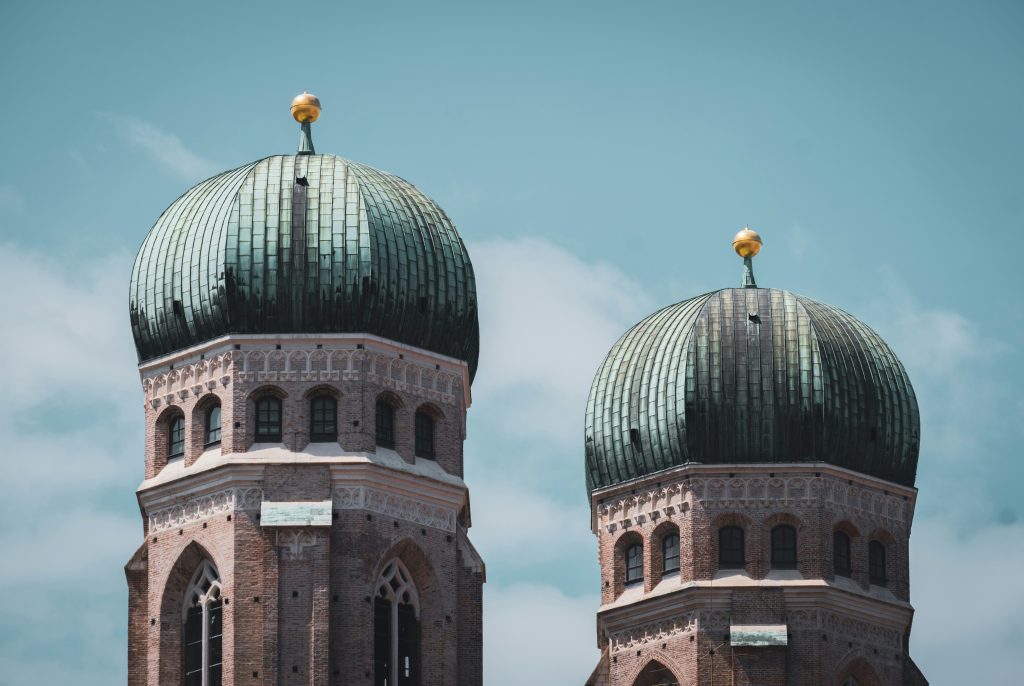
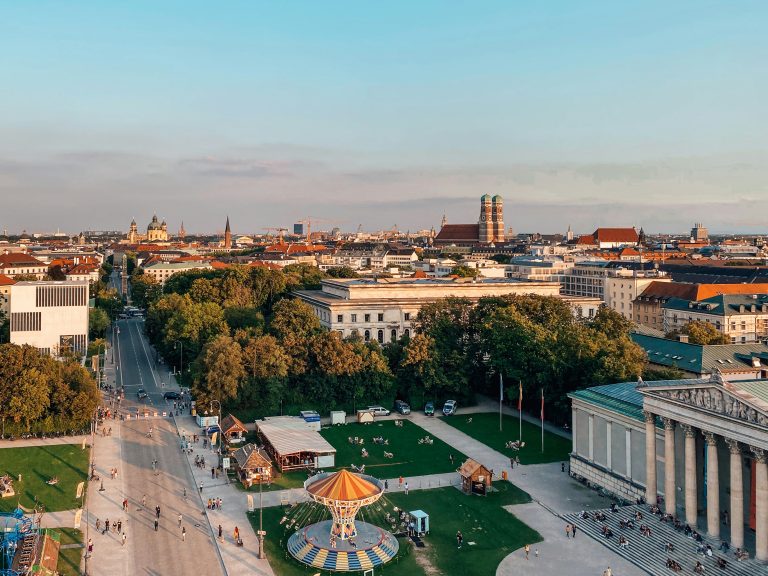
Altstadt-Lehel is Munich’s historic core. Tourist density is high, and the restaurant quality is uneven as a result. That said, genuinely good options exist here if travelers know where to look.
Traditional Bavarian
Spatenhaus an der Oper is one of the more reliable traditional restaurants in the area. It sits directly opposite the Bavarian State Opera and serves classic Bavarian dishes in a setting that feels lived-in rather than staged. Augustiner am Dom, near the Frauenkirche, is another established option with solid Bavarian cooking and the added credibility of being attached to one of Munich’s oldest breweries.
Practical Framing
This area works best as a lunch stop between museums or a dinner before or after the opera. It is less suitable for travelers seeking a quiet neighborhood experience.
The main drawback for visitors is the concentration of tourist traps. Sticking to well-reviewed spots or older institutions matters more in Altstadt than anywhere else in Munich. A restaurant with outdoor seating and no visible menu board near Marienplatz should be approached with caution.
The proximity to the Isar River also opens up outdoor dining options in warmer months. Several restaurants in Lehel specifically face the river or have courtyard gardens worth considering between May and September.
This neighborhood is a practical starting point for first-time visitors building their Munich itinerary.
Viktualienmarkt: Munich’s Best Casual Lunch Destination
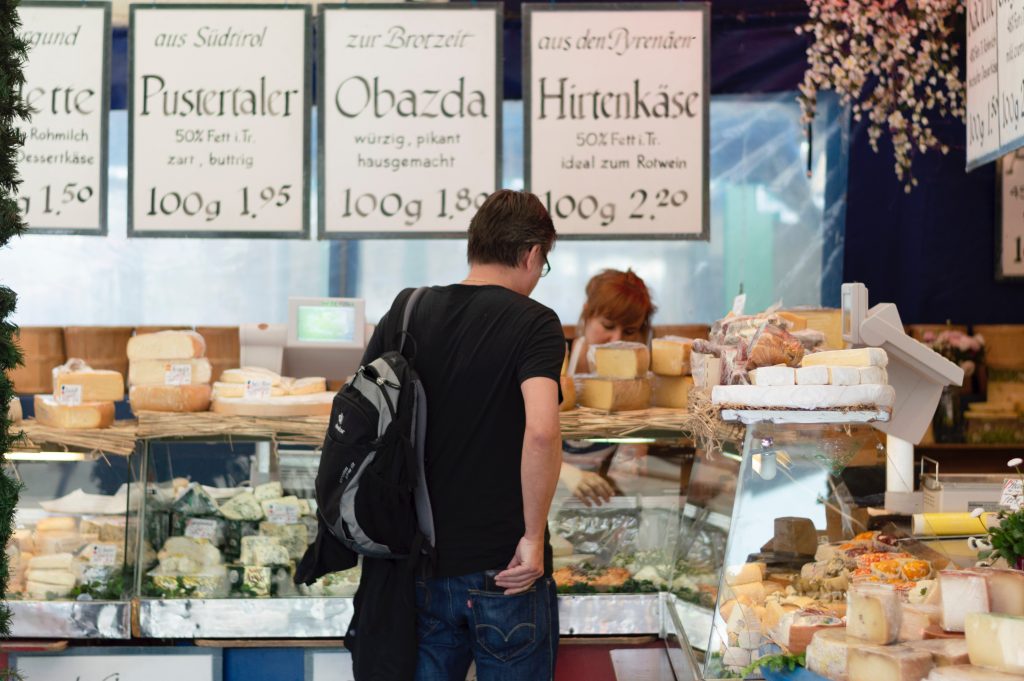
Viktualienmarkt is not just a photo stop. It is a functioning daily market with produce vendors, cheese and charcuterie stalls, bakeries, and one of the most atmospheric beer gardens in the city center.
For travelers, the market itself is a food destination. A self-assembled lunch of bread, cured meats, local cheese, and prepared salads from the stalls is one of the more satisfying and affordable meals available in central Munich. The beer garden at the center of the market operates on standard beer garden rules: first-come, first-served, with outside food permitted while drinks are purchased on-site.
Beyond the Market
Wirthaus in der Au, a short walk south toward the Isar, is one of the most consistently recommended traditional Bavarian restaurants in the city. It focuses on Bavarian dumplings (Knödel) and regional dishes and attracts a local clientele. Conviva im Blauen Haus, also nearby, takes a more modern approach to regional cooking.
Timing
Mornings and early afternoons are when the market is at its best. Most stalls close by early afternoon, earlier than many visitors expect. Planning a Viktualienmarkt visit as a late dinner stop will not work.
This area suits flexible travelers, market enthusiasts, and anyone who wants a casual and genuinely Bavarian midday meal without booking in advance.
Maxvorstadt: Museum Quarter Eating Without the Altstadt Premium
Maxvorstadt is Munich’s museum district. It is home to the three Pinakothek museums, the TU München campus, and a dining scene that skews younger and less polished than the city center.
The main draw here is practical value. Café culture is strong, lunch options are affordable, and the neighborhood avoids the price inflation that affects restaurants near Marienplatz. Travelers spending a day at the Pinakotheks will find more than enough options within a short walk.
What to Expect
For breakfast or a mid-morning stop, the café scene around Türkenstraße and Schellingstraße is well-developed. Several good options serve proper coffee alongside solid food without the tourist markup found closer to the Residenz.
For lunch, the Mittagstisch model applies well here. Many restaurants offer a daily special at a fixed price, typically between 11:30 and 14:00, making midday the best-value window.
One or two modern German spots in Maxvorstadt punch above their surroundings, but this is not a destination food neighborhood. It rewards those who are already in the area rather than those making a special trip.
Maxvorstadt is practical rather than destination dining. Travelers staying near the museums or spending a day exploring the cultural quarter will find it convenient and reasonably priced.
Recommended options in Maxvorstadt include Café Königin43 near the Pinakothek museums for a convenient museum-day break, Theresa Grill for a more polished dinner, and Türkenhof for a straightforward local meal without the Altstadt markup.
Schwabing: Upscale Residential Dining North of the English Garden
Schwabing runs north of the English Garden and has a more residential, grown-up feel than Munich’s tourist center. The dining scene reflects that. Restaurants here tend to be established, polished, and skew toward international cuisine and upscale bistros rather than Bavarian tradition.
What the Neighborhood Offers
Italian restaurants are well-represented in Schwabing, and several have been in place long enough to build genuine local followings. French bistro options also have a presence, as do Japanese restaurants of varying format. For modern German cooking, a handful of spots in the neighborhood sit a clear step above comparable options in Maxvorstadt.
Wine-focused restaurants are another Schwabing strength. Several spots center the wine list rather than treating it as secondary to the menu.
English Garden Adjacency
On weekends, the proximity to the English Garden makes Schwabing delis and cafés a natural stop for a picnic setup before heading into the park. This is a common local pattern and worth building into a Saturday or Sunday itinerary.
Reservations
Schwabing restaurants fill up on weekend evenings. Reservations matter more here than in Glockenbachviertel, where walk-ins remain more common. Booking at least two to three days ahead is advisable for Friday and Saturday dinners.
This neighborhood works best for travelers staying in the northern part of the city, those looking for a relaxed local dinner away from the tourist center, or anyone who wants reliable quality without returning to Altstadt.
Recommended options in Schwabing include Tantris for a high-end special-occasion meal, Atzinger for a polished café, brunch, or relaxed lunch stop, and La Bohème for a more upscale dinner in a residential setting.
Glockenbachviertel: Munich’s Most Interesting Food Neighborhood Right Now
Glockenbachviertel is currently the most dynamic neighborhood for food in Munich. In terms of energy and the density of interesting openings, it compares to what Berlin’s Prenzlauer Berg or Hamburg’s Eimsbüttel looked like a decade ago.
This is where to go for creative kitchens, natural wine bars, and casual restaurants that do not rely on Bavarian tradition as a structural crutch.
Traditional Bavarian
This neighborhood is not the right choice for travelers specifically seeking Schnitzel and Weisswurst. Those travelers should head to Haidhausen or Altstadt. Glockenbachviertel leans away from that format almost entirely.
Modern German and Small Plates
Several modern German bistros in the neighborhood are doing genuinely interesting work with regional ingredients without defaulting to heavy Bavarian comfort food. Portions tend to be smaller, menus change with the season, and the room to experiment is visible.
Natural wine bars and small plates spots have also multiplied here over the past few years. These are good options for an early evening drink that transitions into food without committing to a full sit-down dinner upfront.
While Glockenbach leans modern, the Wirtshaus Fraunhofer is the neighborhood’s soulful anchor. It is an old-school tavern that hasn’t changed in decades, serving organic Bavarian food alongside a theater and cinema. It’s the perfect spot for travelers who want a “gritter,” more authentic Bavarian vibe than the polished halls of the Altstadt.
International Options
The neighborhood has a cosmopolitan character that shows up in the restaurant mix. A range of international formats, from Middle Eastern to Japanese-influenced spots, sits alongside the German options without feeling forced.
The Street-Level Experience
Müllerstraße, Hans-Sachs-Straße, and the surrounding streets are walkable and worth exploring on foot. Glockenbachviertel lends itself naturally to a full evening: drinks at a natural wine bar, dinner at a small bistro, a bar afterward. Few other Munich neighborhoods support that kind of evening as well.
For Munich bar and nightlife options that pair well with dinner here, the neighborhood’s bar scene is covered separately on the site.
Recommended options in Glockenbachviertel include Deutsche Eiche for traditional Bavarian food with neighborhood character, Mural Farmhouse for a more modern Munich dining experience, and casual bars or small plates spots around Müllerstraße and Hans-Sachs-Straße for a less formal evening.
Haidhausen: Beer Halls, Bistros, and Where Munich Locals Actually Eat
Haidhausen sits east of the Isar and feels genuinely residential in a way that Altstadt and even Schwabing do not. This is where Munich residents eat without performing for visitors.
Traditional Bavarian
Hofbräukeller, on Innere Wiener Straße, is the beer hall option most worth naming in Haidhausen. It carries the Hofbräu name but operates at a fraction of the intensity and tourist volume of the Hofbräuhaus in Altstadt. The atmosphere is closer to how locals actually use a Wirthaus: for a regular weeknight dinner with a Masskrug on the table.
French Bistros
Haidhausen has an unusual number of solid French-influenced bistros for a Munich neighborhood. This tends to surprise first-time visitors who expect the area to be exclusively Bavarian in character. Several of these spots have been running for over a decade and maintain loyal local followings.
Casual Neighborhood Eating
Beyond the beer hall and French options, Haidhausen has a range of casual neighborhood restaurants covering Italian, Mediterranean, and broader international formats. The quality floor here is generally higher than in tourist-heavy areas because the clientele is local and repeat.
Logistics
Viktualienmarkt is reachable by foot or a short tram ride from Haidhausen. A morning market visit followed by lunch in the neighborhood is a practical combination. In summer, cycling along the Isar and stopping in Haidhausen for a meal is a common local pattern worth building into an itinerary.
This neighborhood works best for travelers staying east of the river, those who want to eat where Munich residents actually eat, and anyone who wants a beer hall experience without the rowdiness of Hofbräuhaus.
For more on Munich’s beer halls and regional drinking culture, see the guide to a Germany beer trip from Kölsch to Helles.
Practical Notes: Reservations, Timing, and Pricing in Munich
- Reservations are required at most mid-range and upscale Munich restaurants on weekends. Munich restaurants fill earlier and more consistently than comparable spots in Berlin or Hamburg. Booking at least three to four days ahead for Friday and Saturday evenings is the baseline.
- Lunch vs. dinner: Munich has a strong lunch culture. The Mittagstisch, a daily lunch special at a set price, makes midday the best-value window at many restaurants across the city. Travelers on a budget should prioritize lunch at sit-down restaurants and keep dinner more casual.
- Beer gardens operate differently from restaurants. Most are first-come, first-served with no reservations. Visitors may bring outside food, specifically bread and snacks, while purchasing drinks from the garden itself. This is a specifically Bavarian convention that is not obvious to first-time visitors.
- Pricing: Munich is the most expensive of Germany’s major cities for dining. Budget travelers should target lunch specials, market eating at Viktualienmarkt, and neighborhood spots in Haidhausen or Maxvorstadt rather than anything near Marienplatz.
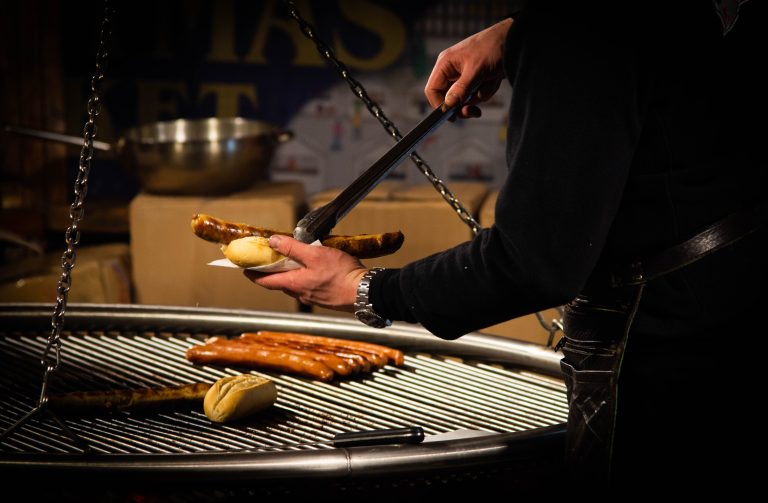
- The Weisswurst Deadline: Traditional Bavarian culture dictates that Weisswurst (white veal sausage) must be eaten before the noon bells ring. While many tourist-facing spots now serve them all day, traditionalists at places like Augustiner am Dom or Hofbräukeller will still look at you sideways if you order them for dinner. Stick to the morning hours for the most authentic experience.
Where to Start If You Only Have a Few Days in Munich
The right starting point depends on the type of trip:
- First-time visitors and short trips: Viktualienmarkt for lunch, Altstadt or Haidhausen for dinner, at least one beer hall during the stay.
- Food-focused travelers: Prioritize Glockenbachviertel for evenings and Haidhausen for lunch. Skip Altstadt restaurants except for breakfast.
- Families or mixed groups: Maxvorstadt and Schwabing offer easier logistics, lower noise levels, and more flexible menus.
- Beer hall experience seekers: Haidhausen over Altstadt. Hofbräukeller over Hofbräuhaus for a more local and less crowded experience.
Munich’s food scene is considerably more varied and neighborhood-specific than its beer-and-pretzels reputation suggests. The city rewards travelers who plan by location rather than by a single ranked list.