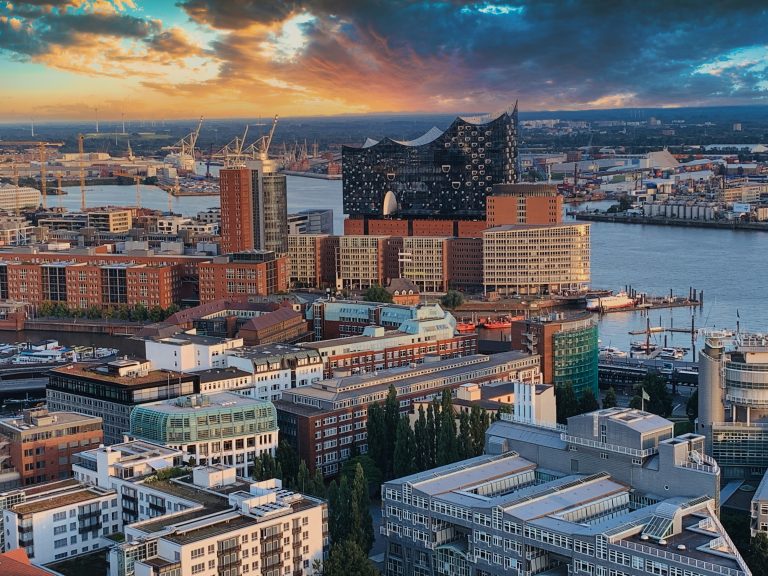
Germany Beer Trip: From Kölsch to Helles
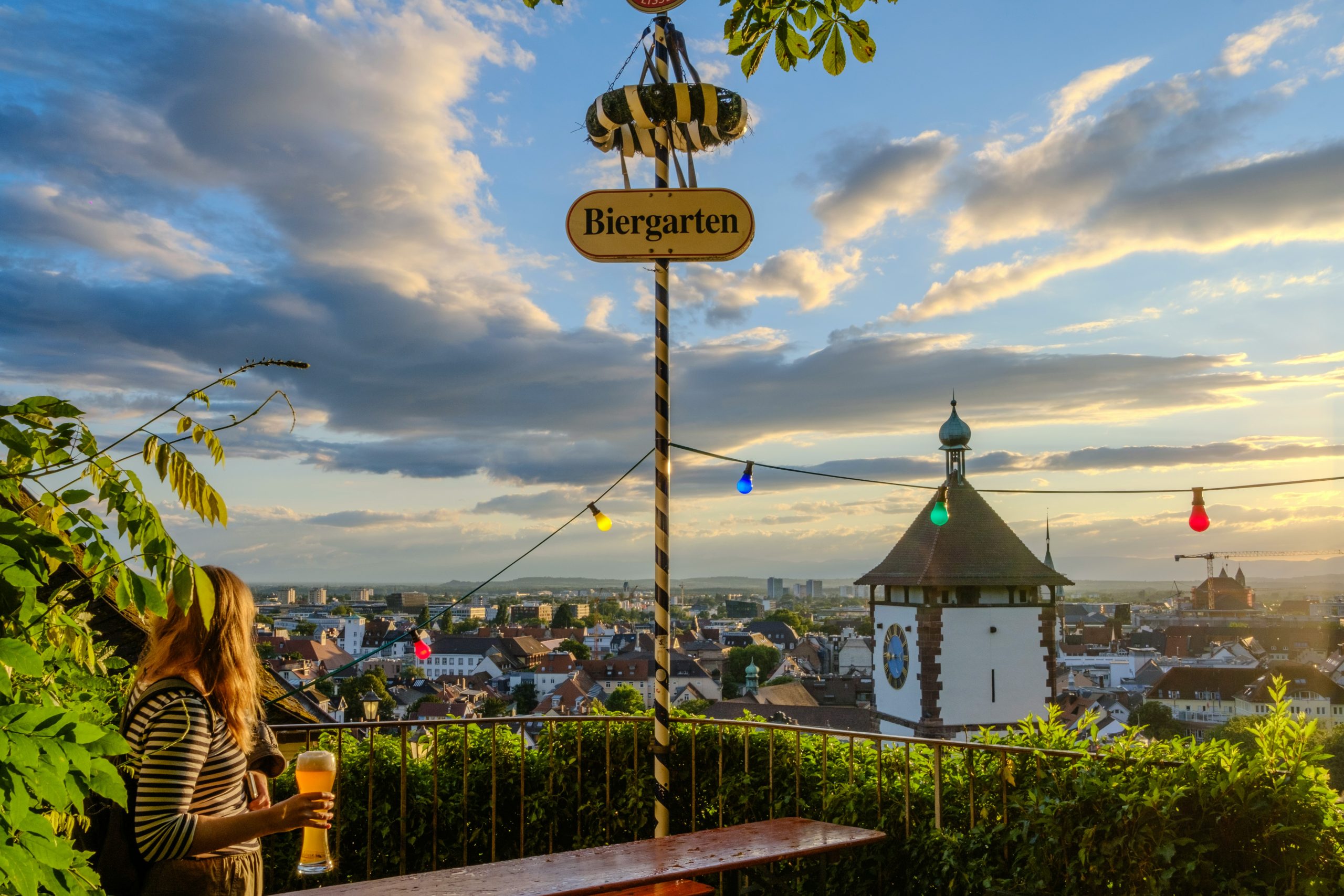
A Germany beer trip built around regional styles gives travelers something a generic city itinerary usually misses: a clearer sense of how beer culture changes from one part of the country to another. This route runs from Cologne in the northwest to Munich in the southeast, covering four distinct beer cultures in five to seven days.
The core stops are Cologne, Düsseldorf, Bamberg, and Munich. Each is tied to a specific style or tradition: Kölsch, Altbier, Kellerbier and Rauchbier, and Helles. The trip is designed for rail travel, works without a car, and focuses on places where beer still feels tied to daily local life rather than just tourism.
Route Overview and Travel Times
| City | Beer Style | Recommended Stay | Travel Time from Previous Stop |
|---|---|---|---|
| Cologne | Kölsch | 2 nights | Starting point |
| Düsseldorf | Altbier | 1 night (or day trip) | ~45 minutes by train |
| Bamberg | Kellerbier / Rauchbier | 2 nights | ~2.5 hours via Nuremberg |
| Munich | Helles | 2 nights | ~2–2.5 hours by train |
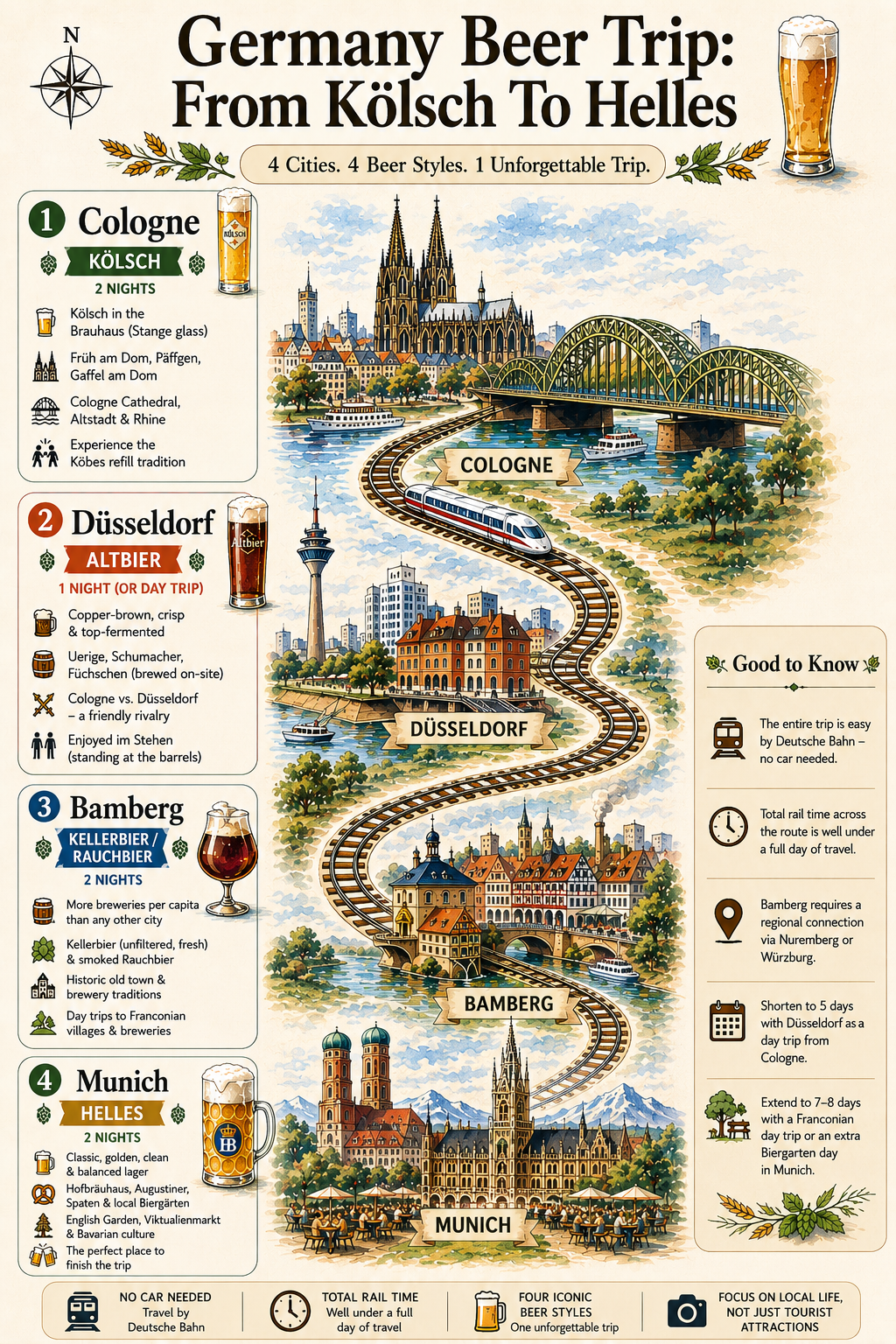
The four-city backbone of Cologne, Düsseldorf, Bamberg, and Munich is manageable entirely by Deutsche Bahn. No car is required, and the total rail time across the full route is well under a day of travel.
Bamberg is the one logistical consideration worth planning around. It sits slightly off the main intercity rail spine and requires a regional connection from Nuremberg or Würzburg. This adds time but not complexity.
The route can be shortened to five days by treating Düsseldorf as a day trip from Cologne rather than an overnight stop. Travelers with more flexibility can extend to seven or eight days by adding a Franconian village day trip from Bamberg or an extra Biergarten-focused day in Munich.
Cologne: Start with Kölsch
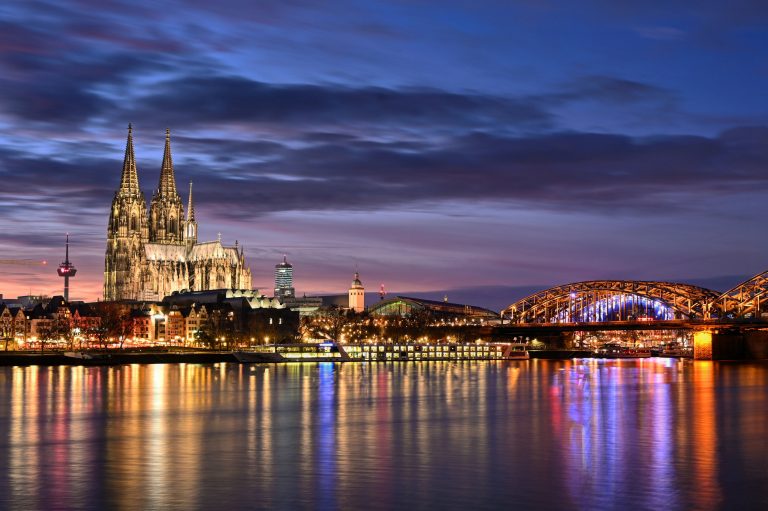
Kölsch is a protected regional designation. It can only be brewed in and around Cologne, and it is served in a specific format: a 200ml cylindrical glass called a Stange. The small serving size is not a gimmick. It exists because freshness is central to how Kölsch is meant to taste.
The beer is pale, lightly hopped, top-fermented, and clean. It does not announce itself the way darker or smokier styles do. That restraint is the point.
The place to experience it properly is the Brauhaus circuit in Cologne’s Altstadt. Früh am Dom, Päffgen, and Gaffel am Dom are the most established names. These venues function as civic institutions as much as drinking establishments, though the most tourist-heavy locations near the Cathedral have absorbed enough foot traffic to feel the difference.
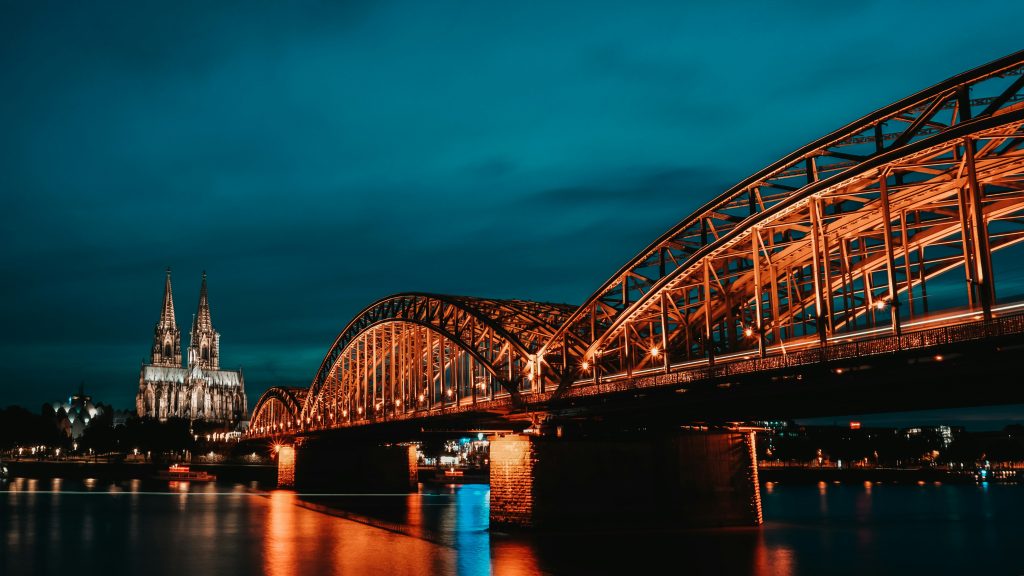
Two days in Cologne is the realistic minimum for travelers who want to combine the beer culture with the Cathedral, the Altstadt, and a walk along the Rhine. A shorter stop is possible, but Cologne works best when the beer is treated as part of the city rather than the only reason to be there.
Travelers spending more than a quick stop here should also see the broader guide to what to do in Cologne.
How the Köbes System Works (and Why It Matters)
The Köbes is the traditional waiter of the Cologne Brauhaus. The job is to keep glasses full without being asked. When a Stange is empty, it gets replaced automatically. To stop the refills, a coaster is placed on top of the glass.
This system is not a novelty for tourists. It reflects how Kölsch culture actually functions: the beer is meant to be fresh, continuous, and social. Travelers who order from a standard menu and wait to flag down a waiter are missing the format entirely.
Guided Kölsch tours and hotel bar pours are largely unnecessary here. The experience in a packed Brauhaus room with locals is the real draw, and it does not require booking in advance.
Düsseldorf: Altbier and the Rivalry Worth Understanding
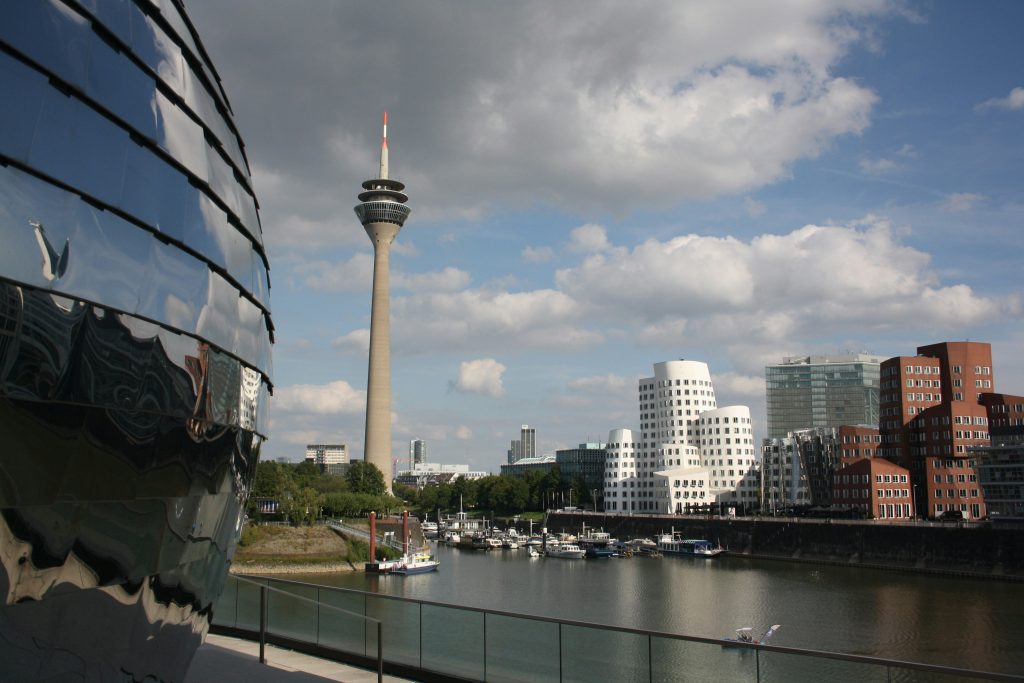
Düsseldorf is the easiest stop on the route to fit in, and one full day is enough if Cologne has already been covered. The short rail connection makes it the most flexible leg of the itinerary.
Altbier is the dark counterpoint to Kölsch. It is copper-brown, slightly bitter, and cleaner in finish than most dark ales travelers may be familiar with. The style is top-fermented but cold-conditioned, which gives it a crispness that sets it apart from British-style ales.
The Cologne-Düsseldorf rivalry is real and adds context to the drinking culture here. Locals in each city drink with a loyalty to their style that is not performative. It reflects a genuine regional identity built around how beer is made and where.
The Altstadt brewpubs are the right stops: Uerige, Schumacher, and Füchschen all brew and serve on-site. Uerige is the most atmospheric of the three and produces a stronger seasonal variant called Sticke, available twice a year. Travelers who can time a visit to a Sticke release will find it worth the effort.
In Düsseldorf, the best way to enjoy an Altbier is standing up (im Stehen). At Uerige, you’ll often see groups gathered around tall wooden barrels on the sidewalk, even in winter. Don’t wait for a table inside; just grab a spot at a barrel, and a waiter will find you. It’s the fastest way to feel like a local in the Altstadt.
The logistical upside of Düsseldorf is clear. It is close enough to Cologne to treat as a day trip if itinerary pressure is real. Staying overnight, though, allows for an evening in the Altstadt without the compressed pace that a day trip requires.
Bamberg: The Most Rewarding Stop on the Route
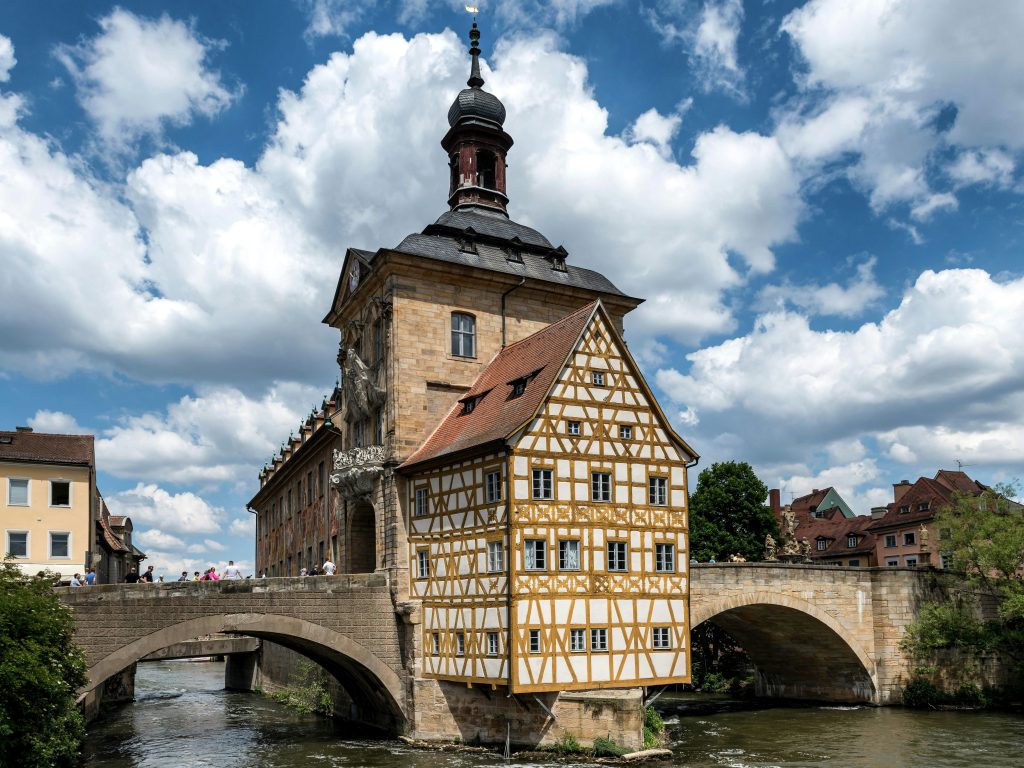
Bamberg is the most rewarding stop on the route for travelers who care about beer culture as more than just a drinking experience. It has more breweries per capita than any other city in Germany, and its traditions feel continuous rather than reconstructed for visitors.
Two styles define Bamberg for beer travelers: Kellerbier and Rauchbier. They are different enough that each deserves separate consideration.
Kellerbier is an unfiltered, naturally carbonated lager served directly from the cellar. The flavor is less about smoke or intensity and more about texture and freshness. It is best understood at a Keller, which is an outdoor hillside brewery serving beer directly from the source. Spezial Keller and Greifenklau are the places to go. Drinking Kellerbier from a bottle is not the same experience.
At traditional Kellers in Bamberg and many self-service beer gardens in Munich, you are legally allowed to bring your own food (Brotzeit). As long as you buy your drinks from the venue, you can spread out your own bread, cheese, and radishes on the wooden tables. It’s a centuries-old Bavarian tradition that makes a long afternoon of beer tasting much more affordable.
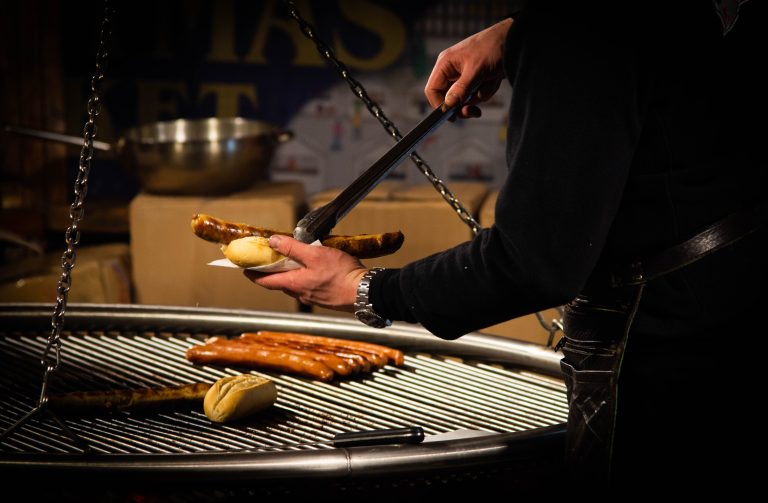
Rauchbier is a smoked lager. The flavor profile divides travelers immediately and consistently. Some find it deeply compelling; others find it undrinkable after one glass. Schlenkerla is the essential stop, and the Märzen is the standard starting point. The smoke character is genuine and not subtle.
The honest advice: order one glass before committing to an evening at Schlenkerla. The experience is worth having regardless of whether the style lands, but knowing in advance that it is polarizing helps set expectations.
Schlenkerla vs. Spezial: Which to Prioritize
Both are worth visiting. They represent different sides of Bamberg’s brewing identity.
Schlenkerla is the more famous of the two and is defined entirely by smoke. The building is old, the atmosphere is dense, and the beer is unlike anything else on the route. It is the stop that most travelers remember longest, for better or worse.
Spezial is quieter and produces both a Rauchbier and a Kellerbier. For travelers who find Schlenkerla too intense, Spezial offers a more approachable version of the same tradition without abandoning it.
Visiting both on the same trip is possible. Bamberg is compact and walkable, and two nights allows enough time to cover both without rushing.
Practical guidance: two nights minimum in Bamberg. The Altstadt is a UNESCO World Heritage Site and worth exploring beyond the beer stops. Day trips to Franconian villages are possible but not essential on a five to seven day trip. Beer tourism packages and guided tastings are largely unnecessary here. The best experiences are found by walking in and sitting down.
Getting from Bamberg to Munich
Bamberg to Munich runs approximately two to two and a half hours by train via Nuremberg. Direct ICE connections exist but should be checked in advance, as schedules and available services vary.
Travelers with flexibility can use the Nuremberg stop as a midpoint break for lunch. Nuremberg is worth noting for its sausages and Franconian lager, though it is not a required detour on this route.
The journey itself marks a tonal shift. Bamberg and the Franconian region represent a particular kind of small-scale, place-specific brewing culture. Munich operates at a different scale entirely.
Munich: End with Helles
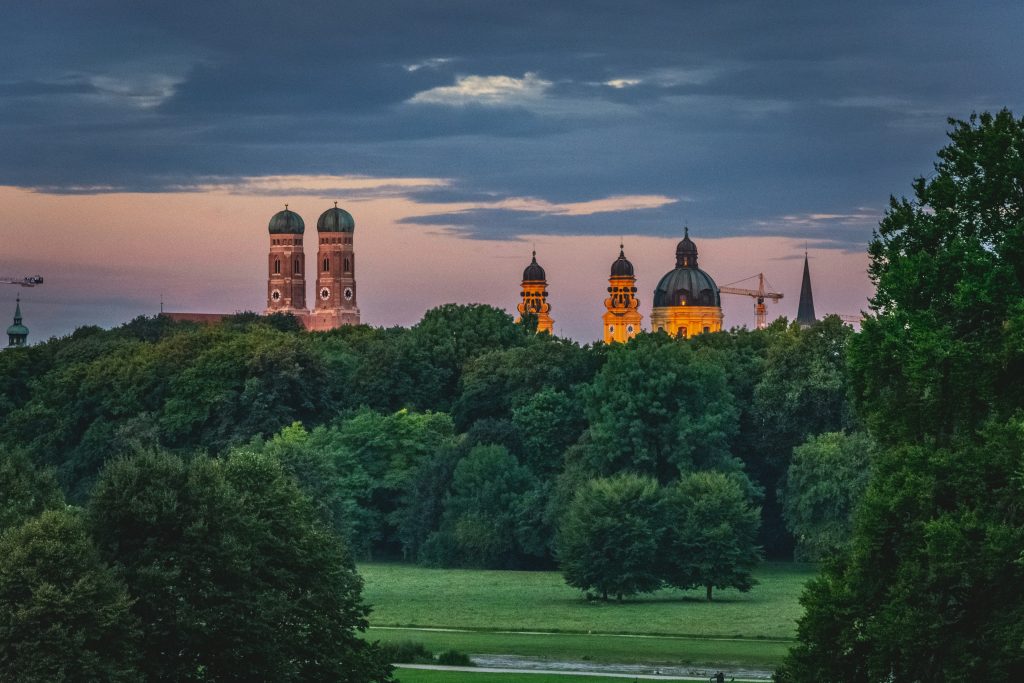
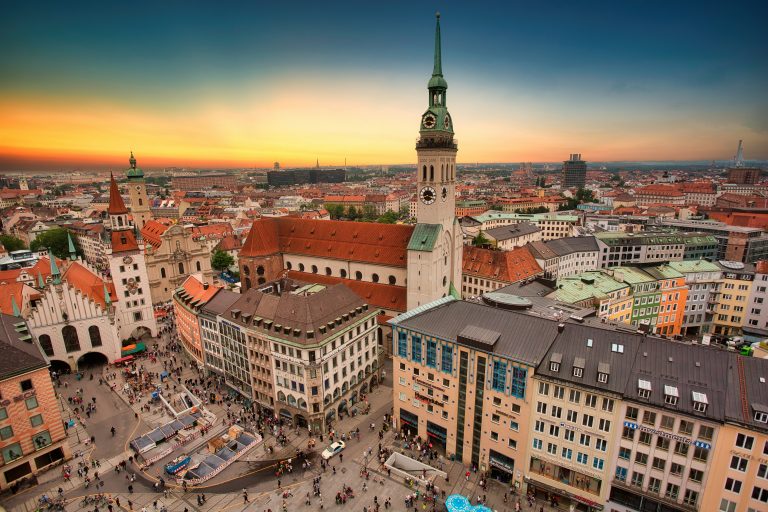
Helles is the style that defines Munich’s beer identity more than Märzen does in everyday drinking. It is a pale lager, low in bitterness, soft in texture, and genuinely difficult to produce at high quality. The simplicity is deceptive. A well-made Helles has a clarity of flavor that takes skill to achieve and is easy to appreciate once the earlier stops on this route have provided context.
The traditional beer halls are the right setting. Augustiner-Keller and Augustiner am Stiglmaierplatz are widely considered the local benchmark for Helles in Munich. The beer served at these locations is Augustiner Helles, which most knowledgeable visitors to Munich will identify as the standard by which other versions are judged.
The Hofbräuhaus is worth one visit for context, but not as the standard by which Munich beer culture should be judged. It is heavily shaped by tourism, and while the beer is perfectly solid, the main value of the visit is cultural familiarity rather than quality comparison.
While the world knows Munich for the one-liter Maß, locals in a traditional Wirtshaus (tavern) often order a Halbe (half-liter). If you aren’t in a massive beer hall or a beer garden, a Halbe is the standard serving size for Helles and ensures your beer stays cold until the last drop.
For travelers extending the trip south, this also pairs naturally with a broader Munich travel guide.
Beer Hall vs. Biergarten: What’s the Difference and When to Choose Each
A beer hall is an indoor venue, typically with long communal tables, full food service, and year-round operation. Beer halls are the right choice in cooler weather or for travelers who want the full Munich experience in a single setting.
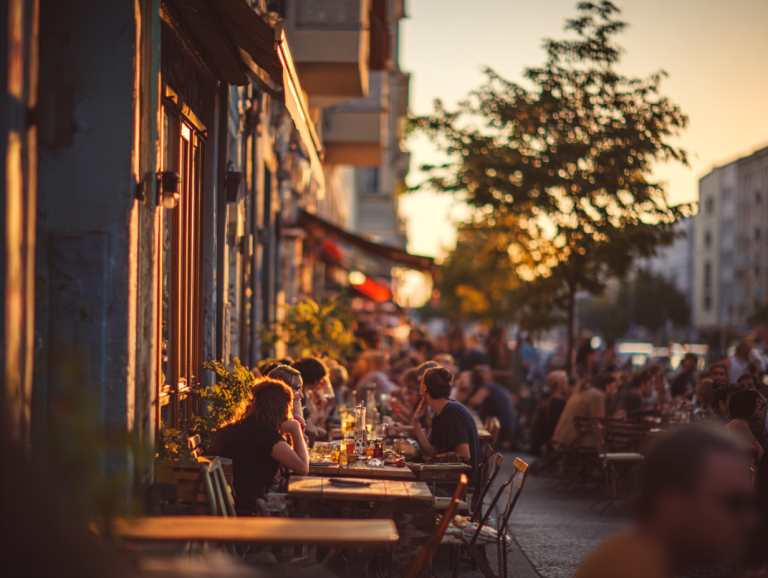
A Biergarten is an outdoor seating area, traditionally shaded by chestnut trees, where visitors can bring their own food and purchase beer at communal tables. Biergartens are seasonal and weather-dependent. The English Garden beer garden is one of the largest in the world and worth visiting in warm months. Augustiner-Keller operates its Biergarten area with slightly more shelter and is functional across a broader range of conditions.
Two full days in Munich is the right allocation for beer-focused travel. One day for the Altstadt beer hall circuit, one day for a Biergarten experience. Munich also connects naturally to broader Bavaria travel, including Oktoberfest planning, though that is a separate context from this route.
Practical Trip Planning Notes
- Best time of year: Late spring through early autumn is ideal. Kellerbier culture in Bamberg peaks in warm months when outdoor Kellers are open and functioning. Munich Biergartens are seasonal and lose a significant part of their appeal in cold weather. Winter trips across this route are viable but operate without the outdoor dimension that defines two of the four stops.
- Accommodation: In Cologne, Düsseldorf, and Munich, location within the city matters less than budget. In Bamberg, staying in or near the Altstadt reduces walking significantly and is worth a modest cost premium given how compact and walkable the city is.
- Budget: This is not an expensive trip by German standards. Beer is affordable across all four cities. Train tickets booked in advance using Deutsche Bahn’s Sparpreis fares reduce travel costs considerably. None of the key experiences on this route require advance reservations, with one exception: large group visits to Schlenkerla on busy weekends benefit from booking ahead.
- On driving: Not recommended. This route is built for rail travel, and driving while drinking responsibly is not compatible with the structure of the trip.
Who This Trip Is and Isn’t For
This route works well for travelers with genuine interest in regional food and drink culture, those who enjoy slow city exploration on foot, and anyone who finds German history and architecture worth engaging with alongside the beer.
It is less suited for travelers expecting a party itinerary. The focus is on understanding how beer relates to place, not on volume or nightlife. Cologne and Munich both work as city destinations independent of beer, but Bamberg in particular only rewards travelers willing to slow down and engage with it on its own terms.
Travelers trying to cover too much of Germany in one week and treating each city as a checkbox will find this route unsatisfying. The reward here is depth, not distance covered.
From First Glass to Last Round
The route from Cologne to Munich works because it follows a real shift in German beer culture rather than a random list of breweries. Kölsch and Altbier are tightly local styles with strong city identity. Bamberg adds the most distinctive stop on the route, where Kellerbier and Rauchbier feel inseparable from place. Munich closes the trip with the most internationally recognized everyday beer culture in Germany.
For most travelers, Bamberg is the stop to lock in first. It requires the most deliberate planning, offers the most distinctive beer experiences, and is the one place where an extra night makes the clearest difference.