5 Must-Try German Street Foods (Skip the Bratwurst!)

German street food is broader than bratwurst, but the best choices depend on where the trip goes. Order Currywurst in Berlin or the Ruhr area, Fischbrötchen in the north, Döner in a major city, Leberkäsebrötchen in Bavaria, and Kartoffelpuffer at markets and seasonal festivals.
This guide focuses on foods that are quick to buy and easy to fit between sights. It also explains where each dish makes the most sense, what to order, and when another choice is better.
Quick Guide To Five German Street Foods
| Food | Best place to try it | Best for | Main tradeoff |
|---|---|---|---|
| Currywurst | Berlin and the Ruhr area | A fast, filling city lunch | The sauce and sausage style vary, so there is no single national version |
| Fischbrötchen | Hamburg and the North Sea or Baltic coast | A regional snack with a clear sense of place | Pickled fish can be salty and assertive |
| Döner kebab | Berlin and other large cities | A substantial meal with meat or vegetarian options | Quality depends more on the individual shop than the city |
| Leberkäsebrötchen | Bavaria and southern Germany | A quick bakery or butcher-counter meal | It is heavy, salty, and usually meat-based |
| Kartoffelpuffer or Reibekuchen | Markets, fairs, and western Germany | A hot vegetarian snack | Availability is less predictable outside market settings |
If the itinerary covers only one region, prioritize the food tied to that place. A Fischbrötchen in Hamburg usually adds more to a northern trip than chasing a generic list across Germany.
1. Currywurst In Berlin And The Ruhr Area
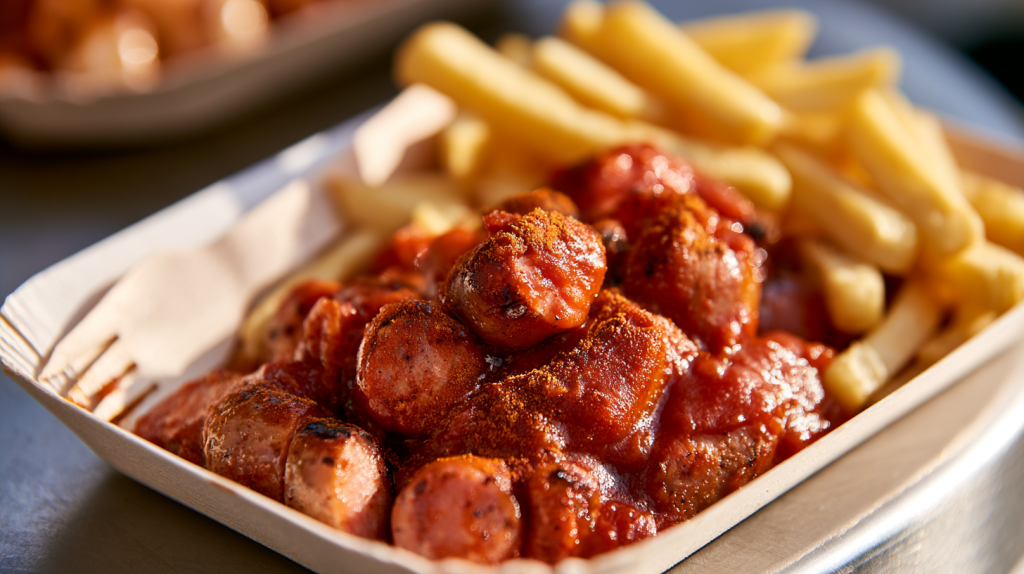
Currywurst is sliced sausage served with a tomato-based curry sauce and curry powder. Fries, often ordered as Pommes, turn it from a snack into a full quick meal.
Berlin and the Ruhr area both claim strong Currywurst traditions, but the styles are not identical. Travelers do not need to settle the rivalry. The useful choice is to try it where it fits naturally into the itinerary rather than make a long detour for a famous stand.
Order it when: a fast lunch is more useful than a sit-down meal.
Skip it when: the goal is to avoid sausage altogether. Despite the article title, Currywurst is still a sausage dish. The point is to skip plain bratwurst, not pretend that Currywurst is meat-free.
Ask whether the sausage is served with or without its casing if the stand offers a choice. Heat levels are usually controlled through extra curry powder or a hotter sauce, but the exact system varies by vendor.
2. Fischbrötchen In Northern Germany
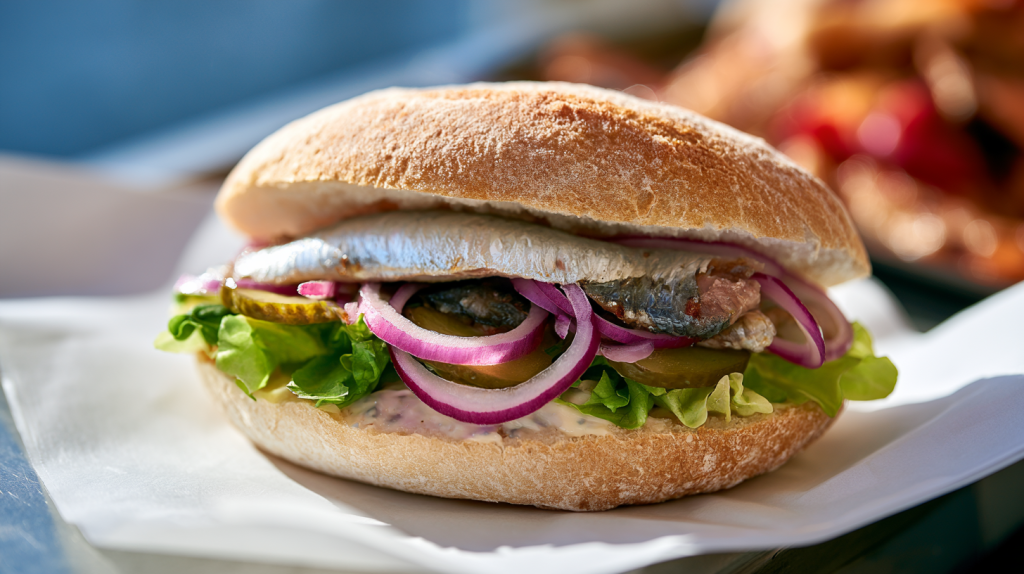
A Fischbrötchen is a bread roll filled with fish, usually with onions, pickles, lettuce, or remoulade. Common fillings include Matjes, Bismarck herring, fried fish, and shrimp.
This is the strongest regional choice on the list. It belongs most naturally in Hamburg, Kiel, Lübeck, and towns along the North Sea and Baltic coast.
Best first order: choose fried fish if pickled herring sounds too strong. Choose Matjes or Bismarck herring for the more traditional cold, briny version.
Skip it when: the smell or texture of cold fish is a problem. A fried-fish roll is the easier alternative, but it will feel less specific to the coast.
In Hamburg, harbor areas and fish counters make it easy to add one between sights. At coastal stops, a busy counter with steady turnover is a more useful signal than a long menu.
3. Döner Kebab In German Cities
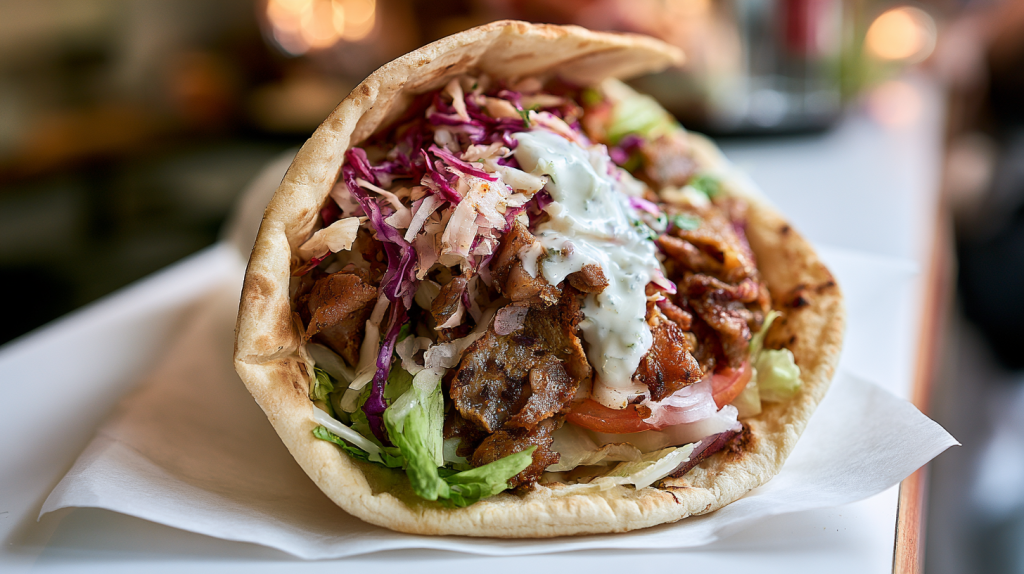
Döner kebab is one of Germany’s most practical fast meals. A typical order combines sliced meat, salad, cabbage, onions, and sauce in bread. Many shops also offer falafel, grilled vegetables, or halloumi.
Berlin is the obvious place to include it, but a good Döner shop can be found in cities across the country. The dish reflects Germany’s Turkish immigrant history and the way urban German food has developed beyond older regional dishes.
Order it when: the group needs a filling meal, flexible toppings, or meat and vegetarian choices from one counter.
Skip a long detour for it: shop quality varies, and online fame often means a queue. A well-used neighborhood shop can make more sense than losing an hour at a heavily promoted address.
Useful ordering terms include mit alles for all standard toppings and ohne Zwiebeln for no onions. Ingredients and sauces differ by shop, so travelers with allergies should ask rather than assume.
4. Leberkäsebrötchen In Bavaria
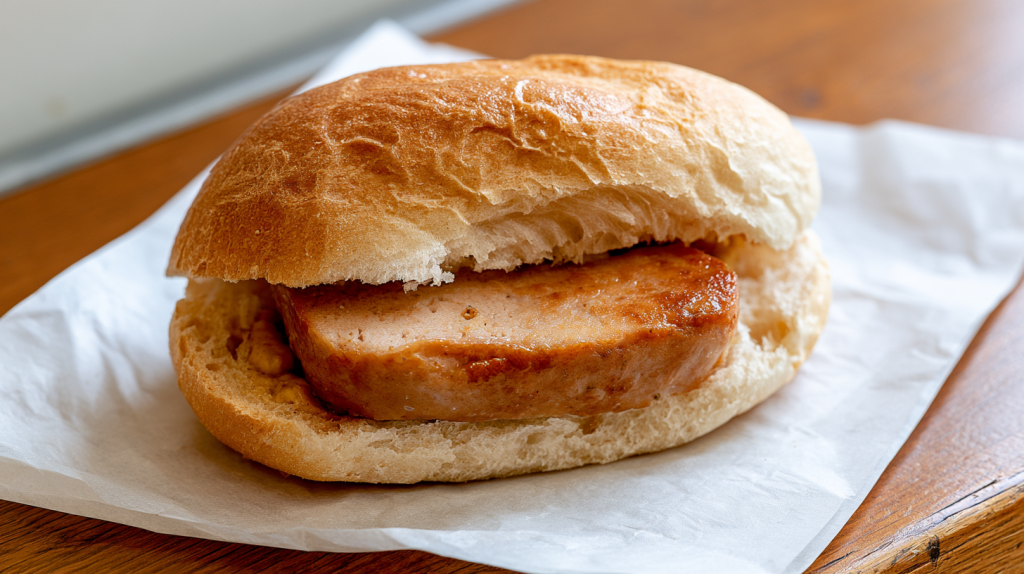
Leberkäsebrötchen is a thick warm slice of baked meat loaf in a bread roll, commonly finished with sweet or medium-hot mustard. It is sold at many butcher counters, bakeries, and snack counters in Bavaria and parts of southern Germany.
This is the best choice for travelers who want a regional food without planning a restaurant meal. It works well before a train journey or during a day of sightseeing because service is usually quick.
Order it when: a compact, savory lunch is the priority.
Skip it when: the group wants something light or needs a vegetarian option. The name and recipe can also confuse visitors, so anyone avoiding specific meats or offal should ask what the local version contains.
The most useful ordering choice is the mustard. Sweet mustard makes sense in Bavaria, while medium-hot mustard gives the sandwich a sharper finish.
5. Kartoffelpuffer Or Reibekuchen At Markets
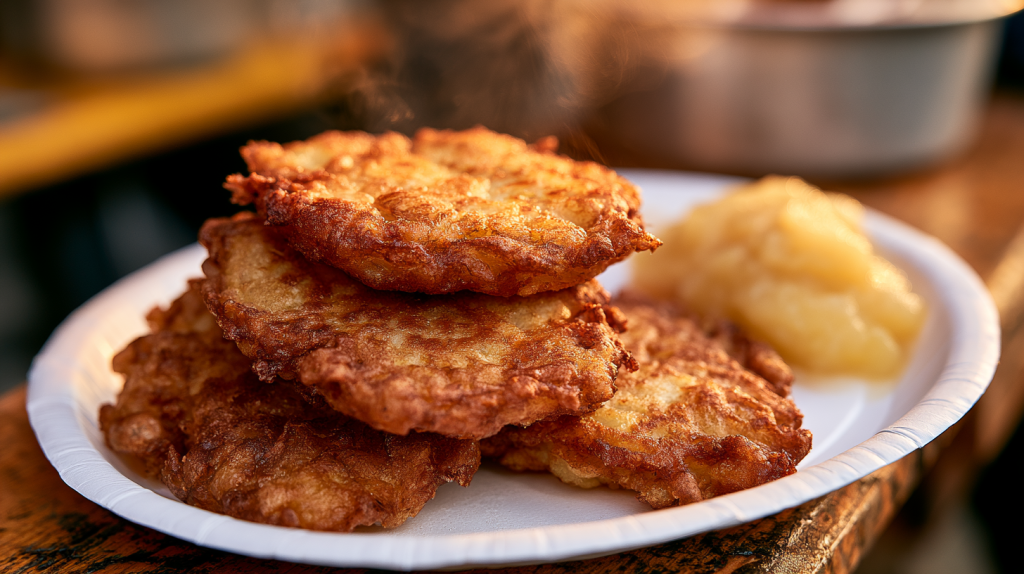
Kartoffelpuffer and Reibekuchen are regional names for crisp fried potato pancakes. They are commonly served with applesauce, although savory toppings also appear.
They are easiest to find at Christmas markets, weekly markets, fairs, and festival stalls. In parts of western Germany, Reibekuchen is the more familiar name.
Order them when: a hot vegetarian snack fits the day better than another meat-heavy meal.
Skip them as a fixed itinerary stop: availability can depend on the market or event. Treat them as a good option when spotted rather than a dish worth crossing a city to find.
They are best eaten immediately. The appeal is the contrast between a crisp edge and soft potato center, which fades as they cool.
How To Order Street Food In Germany
German street food is often sold at an Imbiss, market stall, bakery, butcher counter, or takeaway shop. It does not always look like a dedicated food-truck scene.
- Check the line before joining it. A short, fast-moving queue usually matters more than social-media popularity.
- Carry more than one payment method. Card acceptance varies, particularly at temporary stalls and small counters.
- Look for a deposit. Markets may charge a Pfand on reusable cups, plates, or glasses. Return the item to reclaim it.
- Plan around the setting. Weekly markets often operate only on specific days, while Christmas-market foods are seasonal.
- Ask about ingredients. Sauces, broths, and fried items can contain allergens or animal products that are not obvious.
- Do not over-plan every meal. One regionally appropriate snack is more useful than crossing town to complete a checklist.
For families, Döner shops usually offer the most flexibility, while Kartoffelpuffer and plain fries are often the easiest familiar options. Fischbrötchen and Leberkäsebrötchen are compact but less adaptable for selective eaters.
Vegetarians will usually have more choice in larger cities and at mixed food markets. Falafel and halloumi wraps are common alternatives, while Käsespätzle is better treated as a market, festival, or sit-down dish than a nationwide street-food default.