Hidden Gems in Kreuzberg Berlin for Food, Culture and Local Life
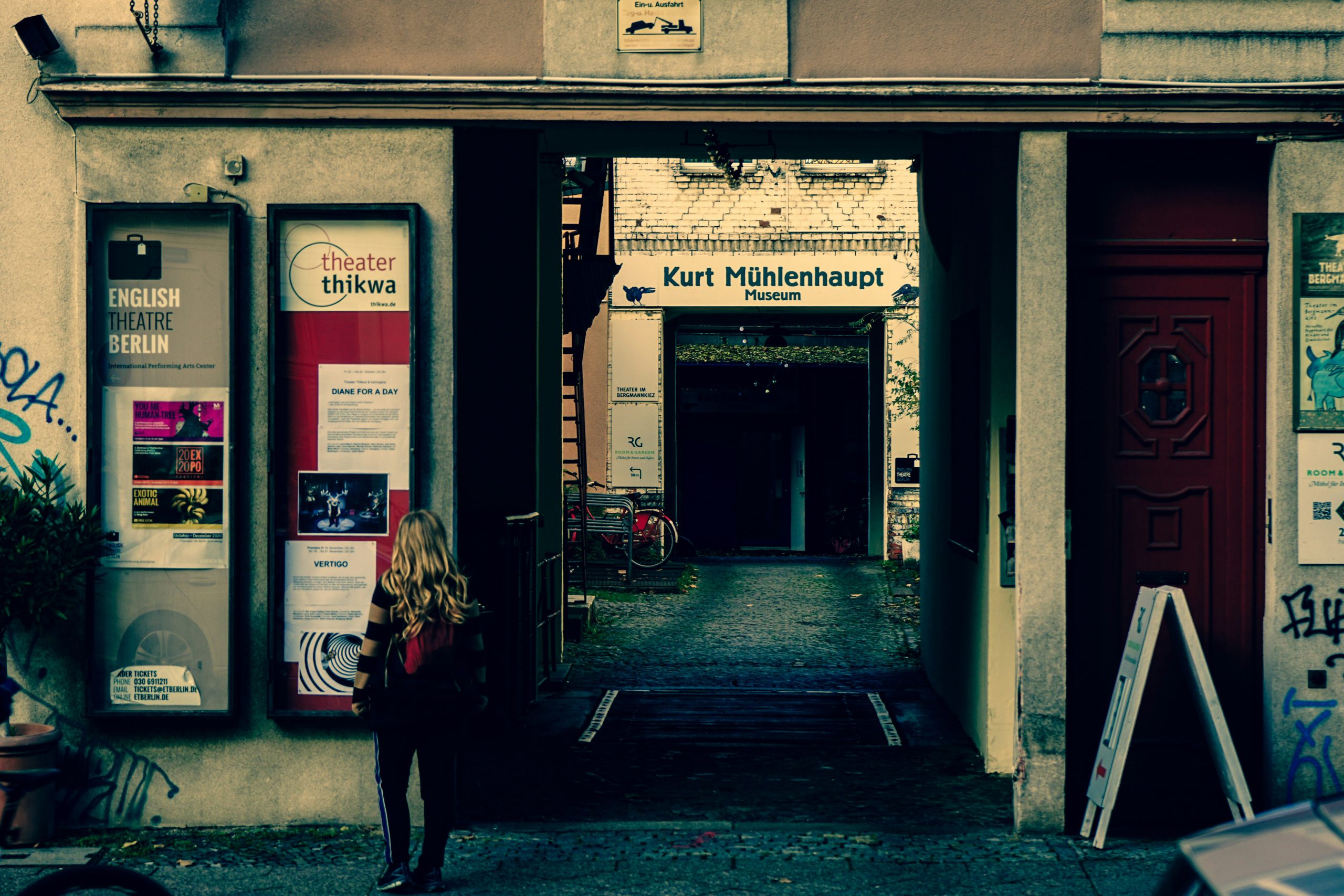
The most useful hidden gems in Kreuzberg are not secret venues. They are cafés, food stops, canal walks, art spaces, and neighborhood bars that make sense when grouped into either SO36 or SW61.
This guide helps travelers choose one side of Kreuzberg, build a practical half-day or full day, and avoid crossing the district repeatedly for isolated recommendations.
| Category | Highlight | Best For |
|---|---|---|
| Cafés | Slow mornings, filter coffee | Solo travelers, weekday visitors |
| Restaurants | Turkish and Middle Eastern kitchens | Travelers prioritizing Turkish and Middle Eastern food |
| Street Food | Quick, cheap, often late-night | Budget travelers, night owls |
| Street Art | Free, walkable, best in daylight | Visual explorers, half-day visitors |
| Quiet Spots | Canal paths, hidden courtyards | Crowd-averse travelers |
| Bars | Neighborhood Kneipen, natural wine | Evening visitors not chasing clubs |
| Local Experiences | Markets, community events | Repeat Berlin visitors, longer stays |
What Kreuzberg Actually Is (And Why Most Visitors Miss the Point)
Kreuzberg Berlin is split into two distinct zones, and the difference matters for planning.
SO36 (the eastern section, around Oranienstraße and Görlitzer Bahnhof) is grittier, more Turkish-influenced, and home to most of the street art and late-night energy. SW61 (the western section, toward Chamissoplatz and Bergmannstraße) is quieter, slightly more gentrified, and better suited to slower half-day visits.
Most first-time visitors spend time in SO36 without realizing the two halves operate almost as different neighborhoods. Travelers who cross between them without a clear plan tend to end up walking a lot without getting much depth from either.
Kreuzberg rewards focus. Picking one zone for a half-day, then returning for the other, produces a more grounded visit than trying to cover everything in one stretch.
Where to Stay for a Kreuzberg-Focused Visit
Staying in Kreuzberg makes the most sense for travelers who expect to spend several mornings or evenings in the neighborhood. It is less useful for a first Berlin visit built mainly around Museum Island, the Reichstag, and other central sights.
SO36 is the better base for Oranienstraße, the canal, street food, and late evenings, but it is noisier and more intense around Kottbusser Tor and Görlitzer Bahnhof. SW61 works better for quieter nights, Viktoriapark, Bergmannstraße, and easier access toward central Berlin.
Before booking, check the walking route to the nearest U-Bahn station rather than relying only on a hotel’s “Kreuzberg” label. The district is large, and a stay near the wrong edge can add unnecessary transit.
Compare current Kreuzberg stays on Expedia.
Hidden Cafés Worth Sitting In
Kreuzberg’s café scene works best as part of a morning route rather than as a separate sightseeing objective. The two choices below sit near different parts of the canal and suit different schedules.
Concierge Coffee
Concierge Coffee is a compact coffee stop on Paul-Lincke-Ufer. Its canal-side position makes it useful before a walk toward Maybachufer or Oranienstraße, but travelers who need guaranteed indoor seating should choose a larger café.
Five Elephant Kreuzberg
Five Elephant Kreuzberg at Reichenberger Straße 101 combines coffee with an in-house bakery selection. The café’s official page lists weekday opening from 8am and weekend opening from 9am, while warning that holiday hours may vary.
Choose Five Elephant when seating and food matter more than a minimal coffee stop. Check the current opening hours before setting out.
Local Restaurants That Are Actually Worth It
Kreuzberg’s food range is broad, but a useful short list should solve different dining needs. These three options cover Turkish cooking, ramen, and Mexican food without sending travelers across the city.
Hasir Kreuzberg
Hasir at Adalbertstraße 10 is the Turkish option in SO36. It fits a route built around Kottbusser Tor and Oranienstraße and is a better match for a full meal than a snack-only street-food stop.
Confirm the current menu, payment options, and hours before visiting. Groups should contact the restaurant rather than assume that a walk-in table will be available.
Cocolo Ramen X-berg
Cocolo Ramen X-berg is at Graefestraße 11, not Paul-Lincke-Ufer. Its official page lists ramen service Monday through Saturday and states that the restaurant does not accept reservations.
This makes Cocolo useful for travelers willing to queue or adjust their dinner time. It is less suitable for a tightly timed evening or a group that needs a confirmed table.
Ta’Cabrón Taquería
Ta’Cabrón Taquería at Skalitzer Straße 60 is a Mexican alternative in eastern Kreuzberg. The operator accepts table requests through its booking form and says the restaurant is cash only, so confirm both before arrival.
Choose it for a sit-down meal near the eastern side of the district. Travelers looking for Turkish food should keep Hasir or a local kebab stop as the more context-specific choice.
For a broader food-planning view across the city, see the guide to best Berlin restaurants by neighborhood.
Street Food and Quick Eats in Kreuzberg Berlin
Street food works best as a flexible meal within a neighborhood route. Opening hours, queues, and payment methods change, so avoid building a fixed itinerary around one counter.
Mustafa’s Gemüse Kebap at Mehringdamm 33 is the best-known option in this guide, not a hidden gem. Its own site warns of a frequent queue, which makes it a poor choice when time matters.
In SO36, compare the kebab, falafel, and shawarma counters around Kottbusser Tor and Oranienstraße instead of treating one stand as mandatory. Check the displayed menu and payment method before ordering, then choose the option that fits the walk already underway.
Street Art, Murals, and Independent Art Spaces
Street art changes constantly, so this section treats it as a walking route rather than a checklist of permanent works. In SO36, use Oranienstraße, Mariannenplatz, and the streets toward Görlitzer Bahnhof as the spine of a daylight walk.
Some walls will have changed since the last published photo or guide. That turnover is a reason to look closely, not a reason to promise a specific mural.
For an indoor stop, Kunstraum Kreuzberg/Bethanien at Mariannenplatz 2 presents contemporary group and thematic exhibitions with local and international connections. Check the current exhibition and access information before visiting because programming changes.
Museum der Dinge should not be included in a Kreuzberg route. It moved to Leipziger Straße 54 in Mitte, so visiting it requires a separate central-Berlin plan.
Pair the art walk with a canal-side coffee stop or lunch in SO36. That creates a practical half-day without treating the neighborhood as an open-air museum.
Quiet Places to Escape the Crowds in Kreuzberg
Kreuzberg can feel dense and noisy, especially around transport hubs and busy evening streets. SW61 generally offers easier places to pause than SO36.
Chamissoplatz is a residential square near Bergmannstraße with historic apartment façades and a Saturday market. It works as a short architecture stop, but it is not a major sight and does not justify crossing the district by itself.
Viktoriapark combines paths, the Kreuzberg hill, a national monument, and a seasonal waterfall. Choose it when a longer outdoor break fits the plan; the climb and park detour are less useful on a rushed half-day.
Along the Landwehr Canal, choose a bench or path segment that is already between two planned stops. Crowd levels and available seating vary, so the canal is better treated as connective space than as a guaranteed quiet refuge.
Three Practical Hotel Starting Points
These are location-based starting points, not a universal ranking. Each serves a different Kreuzberg plan; check current room terms and the exact walking route before booking.
- Orania.Berlin works for travelers who want to stay directly in SO36 near Oranienstraße and Kottbusser Tor. It places restaurants and evening stops close by, but the surrounding area is busier and less suited to travelers prioritizing quiet nights.
- Motel One Berlin-Mitte is the practical option near Moritzplatz. It fits travelers who want quick U-Bahn access and a position between eastern Kreuzberg and the central sights, though it is less immersed in the canal-side portion of the neighborhood.
- GINN City & Lounge Yorck Berlin is the stronger western-side starting point for Viktoriapark, Gleisdreieck, and a quieter evening base. It is less convenient for repeated late nights around Oranienstraße.
Expedia inventory, room terms, and availability change; compare the current listing against the traveler’s dates rather than treating these as fixed-price recommendations.
Bars and Nightlife Without the Hype
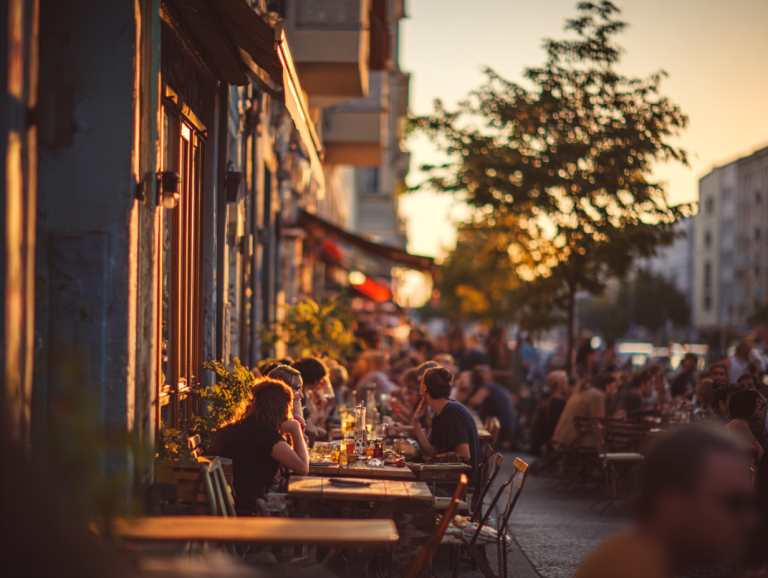
This section covers bars that can fit a normal evening plan, not Berlin’s club-entry culture. Opening nights and hours change, so check each venue on the day of the visit.
Würgeengel at Dresdener Straße 122 is the closer option for an evening around Kottbusser Tor. Choose it when the plan calls for a conventional bar rather than a club.
Fahimi at Skalitzer Straße 133 is open Thursday through Saturday according to its current site and keeps some places for guests without reservations. It is the more structured choice when cocktails and a reservable table matter.
Travelers who simply want a beer can choose a bar along Oranienstraße after seeing the room and current menu. There is little value in crossing Kreuzberg for a venue that does not match the rest of the evening.
Experiences That Feel Local Rather Than Touristy
Several recurring events and community-oriented spaces in Kreuzberg Berlin offer a more grounded sense of how the neighborhood actually functions.
The weekly market on Maybachufer runs on Tuesdays and Fridays from 11am to 6:30pm along the canal in Neukölln, directly beside Kreuzberg. It is well-known enough to appear in most Berlin travel content, but it remains a functioning neighborhood market. Vendors sell fresh produce, regional and international food, textiles, and household goods.
The published market hours are Tuesday and Friday from 11am to 6:30pm. Recheck the schedule around public holidays, and arrive with enough flexibility to choose among the vendors operating that day.
Smaller community events, screenings, and talks are often a better fit for Kreuzberg than bigger venue programming. Travelers who want something that feels tied to the neighborhood should check local cultural calendars rather than relying only on larger Berlin event listings.
These experiences are most useful for repeat Berlin visitors or anyone on a stay longer than three or four days. First-time visitors with limited time are likely better served by focusing on food and street art before adding cultural events.
How to Use a Day in Kreuzberg Berlin Without Wasting It
The most common mistake visitors make in Kreuzberg is trying to cover too much of the neighborhood without committing to one zone. Trying to do both SO36 and SW61 in one stretch usually turns into a lot of walking without much depth from either.
For a half-day, focus on SO36. Start with coffee near the canal, walk Oranienstraße and the surrounding side streets for street art and everyday neighborhood texture, then stop for a quick Turkish or Middle Eastern lunch. That covers the part of Kreuzberg most visitors are actually looking for without overextending.
For a fuller day, add SW61 in the afternoon. Chamissoplatz, Bergmannstraße, Viktoriapark, and the quieter canal sections give a calmer second half that contrasts well with the denser eastern side. Finish with dinner and, if you still have energy, one of the neighborhood bars rather than trying to force a bigger nightlife plan.
Weekend afternoons can be busy around Kottbusser Tor and the Maybachufer market. Görlitzer Park now closes overnight, with published hours of 6am to 11pm from May 14 through September 22 and 6am to 10pm for the rest of the year.
Kreuzberg makes more sense on repeated shorter visits than on one overly ambitious day. If Kreuzberg is only one part of the trip, it works best when paired with a broader things to do in Berlin guide so the neighborhood fits into a larger city plan.
If Kreuzberg is the right base, compare current Kreuzberg accommodation options on Expedia after choosing between SO36 and SW61. Filter by the nearest U-Bahn station and check the map, not just the neighborhood label.
Frequently Asked Questions (FAQs)
Sources
- Maybachufer weekly market — Berlin.de
- Chamissoplatz — visitBerlin
- Viktoriapark — visitBerlin
- Kunstraum Kreuzberg/Bethanien — Berlin.de
- Museum der Dinge location information
- Görlitzer Park opening hours — Berlin.de
- Weapons-and-knives prohibition zones — Berlin Police
- Görlitzer Bahnhof station — BVG
- Kottbusser Tor station — BVG
- Five Elephant Kreuzberg
- Cocolo Ramen X-berg
- Ta’Cabrón Taquería
- Mustafa’s Gemüse Kebap
- Fahimi