Hidden Gems In Düsseldorf For Food, Culture And Local Life
Most visitors only see Düsseldorf through Altstadt, Königsallee, and a quick walk along the Rhine. The city becomes far more interesting once visitors move into neighborhoods like Flingern, Unterbilk, Oberkassel, and Pempelfort, where Düsseldorf’s food culture, Japanese influence, riverside lifestyle, and everyday local rhythm become more visible.
The best hidden gems in Düsseldorf are usually not major landmarks. They are neighborhoods, cafés, beer gardens, bakeries, local markets, riverside walks, and smaller cultural experiences that fit naturally into a slower city visit.
This guide focuses on practical hidden gems in Düsseldorf for travelers interested in food, culture, local life, and realistic city experiences beyond the standard sightseeing loop. Some places work best during a longer stay. Others fit naturally into a one-day or weekend Düsseldorf itinerary.
Why Düsseldorf Is Better Beyond the Main Tourist Areas
Düsseldorf is not the most obvious city choice for first-time Germany visitors. Berlin has bigger landmarks. Munich has stronger postcard appeal. Hamburg often feels more dramatic. Cologne has the cathedral and a more immediately visible nightlife culture.
What Düsseldorf does well is quality of life.
The city works best for travelers who enjoy good food, walkable neighborhoods, riverside culture, cafés, bakeries, modern design, Japanese food, and relaxed urban pacing. Many of the best experiences are subtle rather than attraction-driven.
That distinction matters.
Travelers expecting nonstop sightseeing often leave Düsseldorf underwhelmed. Travelers who enjoy slower city exploration usually understand the appeal much more quickly.
The city also rewards repeat visits. Once the obvious tourist core is out of the way, Düsseldorf becomes more neighborhood-oriented. Areas like Unterbilk, Oberkassel, and Flingern each feel noticeably different, and that variety gives the city more depth than many travelers initially expect.
Another major differentiator is Düsseldorf’s Japanese community. The city has one of the strongest Japanese food and cultural scenes in Germany, especially around Little Tokyo near Immermannstraße. This shapes everything from bakeries and ramen shops to grocery stores and dessert cafés.
Düsseldorf is also unusually comfortable.
Public transportation is efficient, walking routes are manageable, the Rhine promenade is integrated into daily life, and many neighborhoods feel calmer and cleaner than larger German cities.
The tradeoff is that Düsseldorf is not always visually dramatic. It is a city that works better through atmosphere, food, and daily experience than through major landmark sightseeing.
Best Hidden Gem Neighborhoods in Düsseldorf
Flingern
Flingern is one of the best hidden gem neighborhoods in Düsseldorf for travelers who prefer cafés, local shops, bakeries, bars, and slower city wandering over major attractions.
The area feels younger and more creative than much of central Düsseldorf. Independent stores, small coffee shops, wine bars, bakeries, and casual restaurants give the neighborhood a more lived-in atmosphere.
Flingern works especially well during the afternoon and early evening.
Rather than rushing between attractions, the neighborhood rewards slower pacing. Travelers often combine browsing, coffee, casual dining, and side-street exploration rather than following a rigid sightseeing checklist.
This is also one of the better areas for travelers who have already visited Germany before and want a more local urban experience.
The limitation is that Flingern is not attraction-heavy. Travelers looking for famous landmarks or major museums may find it too quiet.
Best for:
- Repeat Germany visitors
- Café and bakery culture
- Local shopping
- Casual evening dining
- Slower city exploration
Less ideal for:
- First-time travelers with only a few hours in Düsseldorf
- Travelers focused on landmark sightseeing
- Visitors looking for major nightlife districts
Unterbilk
Unterbilk is one of the strongest food-focused hidden gems in Düsseldorf. The neighborhood sits south of the city center near MedienHafen and blends local restaurants, cafés, bars, bakeries, and residential life without feeling overly tourist-heavy.
This area works particularly well for travelers who want a more local evening atmosphere.
Compared to Altstadt, Unterbilk feels calmer and more neighborhood-oriented. Many restaurants attract local residents rather than large tourist crowds.
The neighborhood also works well logistically. Travelers can combine Unterbilk with Rhine walks, MedienHafen, or a relaxed afternoon moving between cafés and local shops.
The tradeoff is that Unterbilk lacks obvious headline attractions. The appeal comes from atmosphere, food, and pacing rather than sightseeing intensity.
Best for:
- Food-focused travelers
- Evening dining
- Casual nightlife
- Local neighborhood atmosphere
- Couples and repeat visitors
Less ideal for:
- Travelers wanting major tourist attractions nearby
- Fast-paced sightseeing itineraries
- Travelers expecting traditional old-town aesthetics
Oberkassel
Oberkassel sits across the Rhine from central Düsseldorf and offers one of the city’s quieter and more residential hidden gem experiences.
The area is known for calmer streets, cafés, brunch spots, bakeries, tree-lined residential blocks, and riverside access. Travelers who enjoy slower mornings, coffee culture, and evening walks often prefer Oberkassel over the more crowded city center.
This is not a high-energy sightseeing district.
Instead, Oberkassel works best as a place to slow down. Many travelers come here after spending time in busier parts of the city.
The neighborhood also gives visitors a different perspective on Düsseldorf. The Rhine views back toward the city center can be especially good during sunset or early evening.
The limitation is location efficiency. Travelers trying to maximize sightseeing density may prefer staying closer to Altstadt or the Hauptbahnhof area.
Best for:
- Relaxed mornings
- Brunch and café culture
- Riverside walks
- Longer Düsseldorf stays
- Travelers who prefer quieter neighborhoods
Less ideal for:
- Fast-paced city itineraries
- Travelers wanting nightlife directly outside the hotel
- Visitors prioritizing major attractions over atmosphere
Pempelfort
Pempelfort combines parks, local restaurants, beer gardens, residential streets, and everyday city life in a way that many short-term visitors miss.
The area feels more practical and residential than Altstadt while still remaining central enough for easy transit and walking.
Pempelfort works particularly well for travelers staying several days in Düsseldorf. The neighborhood supports a more normal daily rhythm rather than constant sightseeing.
The area near Hofgarten also makes it easier to combine green space, cafés, museums, and casual dining into a single day.
Compared to Altstadt, Pempelfort usually feels less crowded and less tourist-oriented.
Best for:
- Longer stays
- Local dining
- Parks and quieter walks
- Travelers who prefer residential city neighborhoods
Less ideal for:
- Travelers wanting traditional tourist atmosphere
- Travelers prioritizing nightlife
- Visitors focused mainly on historic architecture
Hidden Food Gems in Düsseldorf
Düsseldorf’s strongest hidden gems are often food-related. The city is one of the best places in Germany for travelers who value Japanese food, bakery culture, breweries, casual dining, and neighborhood cafés.
Little Tokyo Beyond the Main Streets
Little Tokyo near Immermannstraße is one of Düsseldorf’s most important food experiences, but many visitors only see the busiest restaurant lines and leave too quickly.
The area works better when explored more slowly.
Japanese bakeries, grocery stores, ramen shops, dessert cafés, and side streets all contribute to the atmosphere. Areas around Immermannstraße and Klosterstraße are especially useful for slower exploration. Travelers who spend time wandering between ramen shops, bakeries, Japanese bookstores, and grocery stores usually get more out of the district than visitors targeting a single restaurant reservation.
Timing matters.
Popular ramen spots often develop long waits during peak lunch and dinner hours, especially on weekends. Mid-afternoon visits can feel much calmer.
The bakery culture here is also one of the city’s hidden strengths. Japanese and Japanese-influenced bakeries offer a noticeably different experience from traditional German bakeries.
This area is especially useful for:
- Food-focused travelers
- Travelers returning to Germany
- Casual lunch exploration
- Dessert and café stops
- Rainy-day city wandering
Travelers expecting a massive Japanese district similar to larger Asian neighborhoods in London or Paris should adjust expectations. Düsseldorf’s Japanese scene is compact but unusually strong for Germany.
Traditional Breweries Outside the Tourist Core
Most visitors experience Düsseldorf beer culture only through the busiest Altstadt brewery streets. While that area matters, smaller brewery experiences outside the tourist-heavy core often feel more relaxed.
Altbier remains one of Düsseldorf’s defining local traditions.
Travelers interested in brewery culture should expect smaller, social beer-focused environments rather than giant beer hall energy. The atmosphere is often more conversational and neighborhood-oriented.
This experience works best in the evening.
The tradeoff is that Altbier is not universally loved. Travelers expecting lighter beer styles may not connect with it immediately.
Brewery stops are especially worthwhile for:
- Travelers interested in German regional beer culture
- Evening social atmosphere
- Casual dinners with local beer
- Cooler weather visits
Less ideal for:
- Travelers who dislike darker beer styles
- Travelers expecting major nightlife clubs
- Visitors looking for fast-paced pub crawls
Local Markets and Casual Food Stops
Carlsplatz Market near Altstadt is one of Düsseldorf’s most practical hidden food experiences.
Rather than functioning as a major tourist attraction, the market fits naturally into a day of walking, casual eating, and city exploration.
The market works particularly well for:
- Casual lunches
- Bakery stops
- Coffee breaks
- Light shopping
- Food-focused mornings
It also helps travelers experience Düsseldorf outside of formal restaurant reservations.
Bakery culture across the city is another underrated strength. Smaller neighborhood bakeries often provide a better everyday city experience than heavily reviewed tourist cafés.
Riverside cafés and snack stops near the Rhine also become more useful during warmer months, when Düsseldorf’s outdoor social culture becomes far more visible.
Underrated Cultural Experiences in Düsseldorf
Kunstsammlung Nordrhein-Westfalen
Kunstsammlung Nordrhein-Westfalen is one of the better cultural hidden gems in Düsseldorf for travelers interested in modern and contemporary art.
The museum works well because it feels manageable.
Compared to extremely large museums in cities like Paris, London, or Berlin, the experience can feel less exhausting and easier to fit into a broader city day.
This is especially useful during:
- Rainy weather
- Winter trips
- Slower travel days
- Mixed-interest itineraries
The museum is best for travelers who already enjoy modern art.
Travelers with limited interest in contemporary exhibitions may prefer spending more time in neighborhoods or along the Rhine instead.
Rhine Riverside Walks
The Rhine promenade is one of Düsseldorf’s strongest everyday experiences.
Rather than functioning as a major sightseeing attraction, the riverside works as social infrastructure. Locals walk, cycle, sit outside, meet friends, and spend evenings along the water.
The atmosphere changes significantly depending on season and time of day.
Summer evenings are the strongest experience. The city feels noticeably more social, active, and relaxed once outdoor seating and riverside activity increase.
Early mornings are calmer and better for walking.
This is one of the clearest examples of Düsseldorf working better through atmosphere than landmarks.
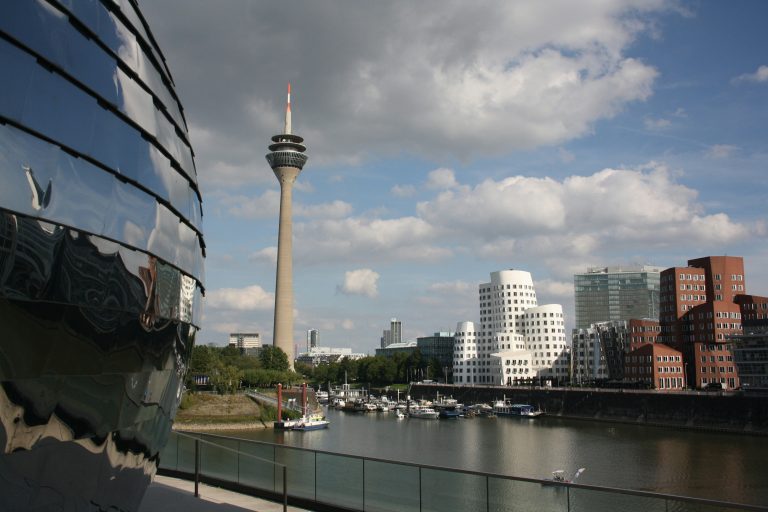
MedienHafen at the Right Time
MedienHafen often divides travelers.
Some enjoy the architecture, restaurants, and modern waterfront atmosphere. Others feel underwhelmed if they expect a major sightseeing district.
Timing makes a big difference.
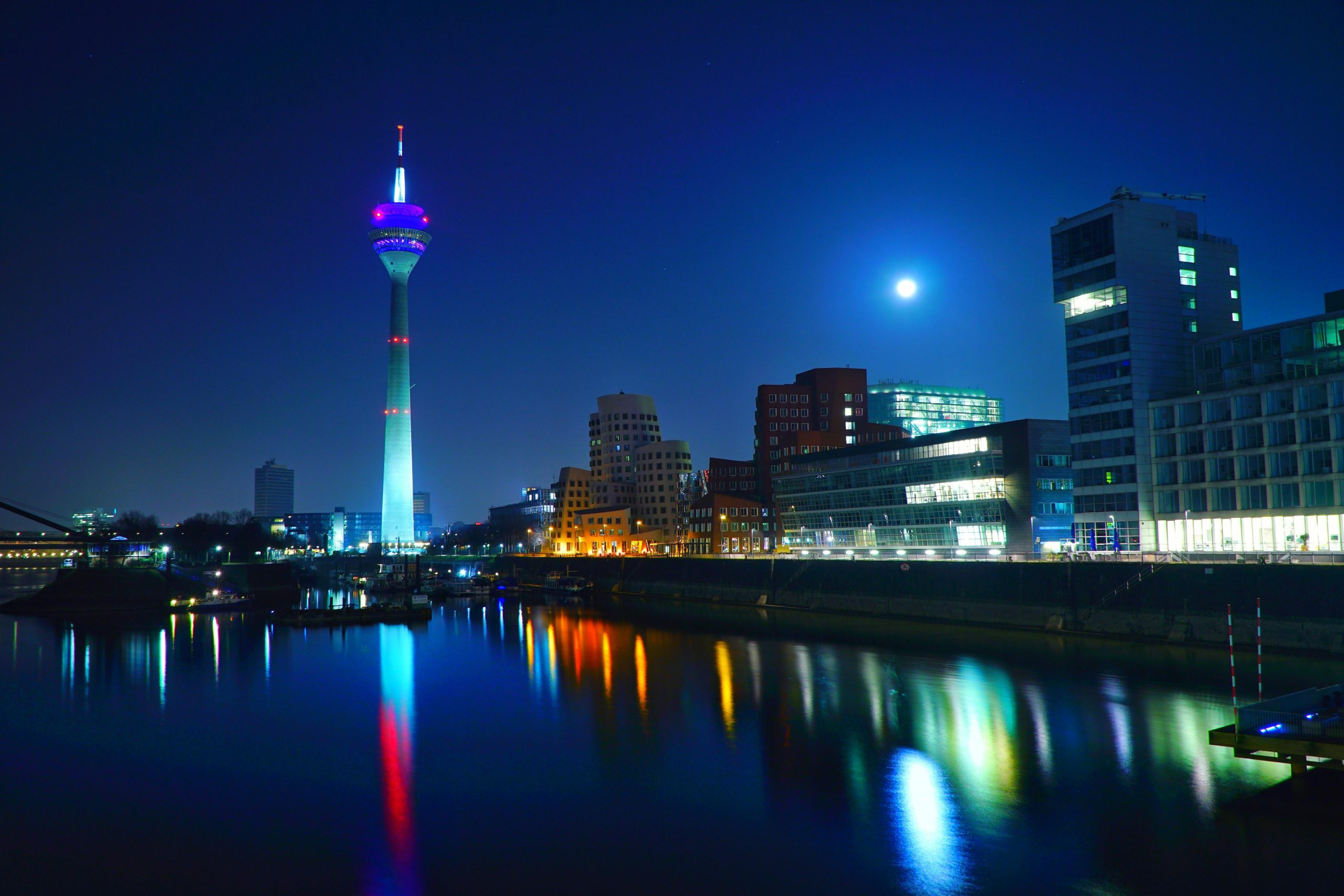
The area usually works best during sunset, dinner, or evening walks rather than as a midday sightseeing stop.
Travelers interested in architecture, photography, restaurants, and modern urban design tend to appreciate MedienHafen more than travelers looking for traditional German atmosphere.
The tradeoff is that the district can feel corporate or polished compared to older parts of Düsseldorf.
Hidden Local Experiences Travelers Often Miss
Beer Gardens and Riverside Social Culture
Düsseldorf changes significantly during warm weather.
Beer gardens, outdoor seating, riverside gatherings, and long evenings outside become a major part of the city experience.
Many visitors underestimate how much better Düsseldorf feels in late spring and summer.
The city becomes noticeably more social, especially around the Rhine and in local neighborhoods.
This is one reason Düsseldorf often works well for slower weekend trips rather than rushed sightseeing itineraries.
Smaller Parks and Everyday Local Life
Hofgarten and Nordpark provide quieter breaks from urban pacing.
These parks are not necessarily destination attractions on their own, but they improve the rhythm of a Düsseldorf trip.
Travelers who spend several days in the city often appreciate these quieter spaces more than visitors rushing between landmarks.
Residential walking areas around Oberkassel, Pempelfort, and Unterbilk also help travelers experience Düsseldorf as a functioning city rather than only a tourist stop.
Seasonal Hidden Gems
Seasonality changes Düsseldorf more than many travelers expect.
Cherry blossom season around the Japanese district creates one of the city’s most photogenic periods.
Summer improves the riverside atmosphere significantly.
Winter brings Christmas markets and seasonal food culture, although travelers should understand that Düsseldorf’s Christmas market atmosphere feels smaller and calmer than major Christmas destinations like Cologne, Munich, or Nuremberg.
What to Skip or Reconsider in Düsseldorf
Not every part of Düsseldorf deserves equal attention.
Altstadt is worth seeing, but it can become crowded and overly tourist-focused, especially during peak evenings and weekends.
Travelers should also set realistic expectations for Königsallee.
The boulevard matters for luxury shopping, architecture, and people-watching, but travelers without interest in shopping may not need much time there.
Düsseldorf also works better as:
- A slower city break
- A food-focused stop
- A Rhine-region addition
- A weekend city
- A repeat Germany destination
Travelers wanting nonstop sightseeing intensity may prefer Berlin.
Travelers prioritizing cathedral architecture, louder nightlife, or more obvious tourist energy may prefer Cologne.
That does not make Düsseldorf weaker. It simply means the city works best for a particular type of traveler.
Suggested 1-Day Hidden Gems Route Through Düsseldorf
A practical one-day hidden gems route through Düsseldorf works best on foot with occasional public transportation.
Start the morning in Oberkassel or Pempelfort with coffee and a bakery stop near Luegallee or around Hofgarten. These neighborhoods feel calmer and more local before the city becomes busier.
From there, move toward Little Tokyo near Immermannstraße for lunch exploration. This is one of the best periods for browsing bakeries, grocery stores, dessert cafés, and ramen spots before peak dinner crowds.
In the afternoon, walk through Flingern or Unterbilk depending on interest.
Flingern works better for cafés, shops, and creative neighborhood atmosphere.
Unterbilk works better for food, bars, and a more local evening setup.
Toward sunset, head toward the Rhine promenade or MedienHafen.
This is when Düsseldorf feels strongest socially and visually.
Finish the evening with Altbier, casual dinner, or riverside outdoor seating rather than trying to rush through additional attractions.
The biggest mistake is overscheduling the city.
Düsseldorf works better when travelers leave space for cafés, walking, neighborhood exploration, and slower pacing.