Best Restaurants in Cologne by Neighborhood
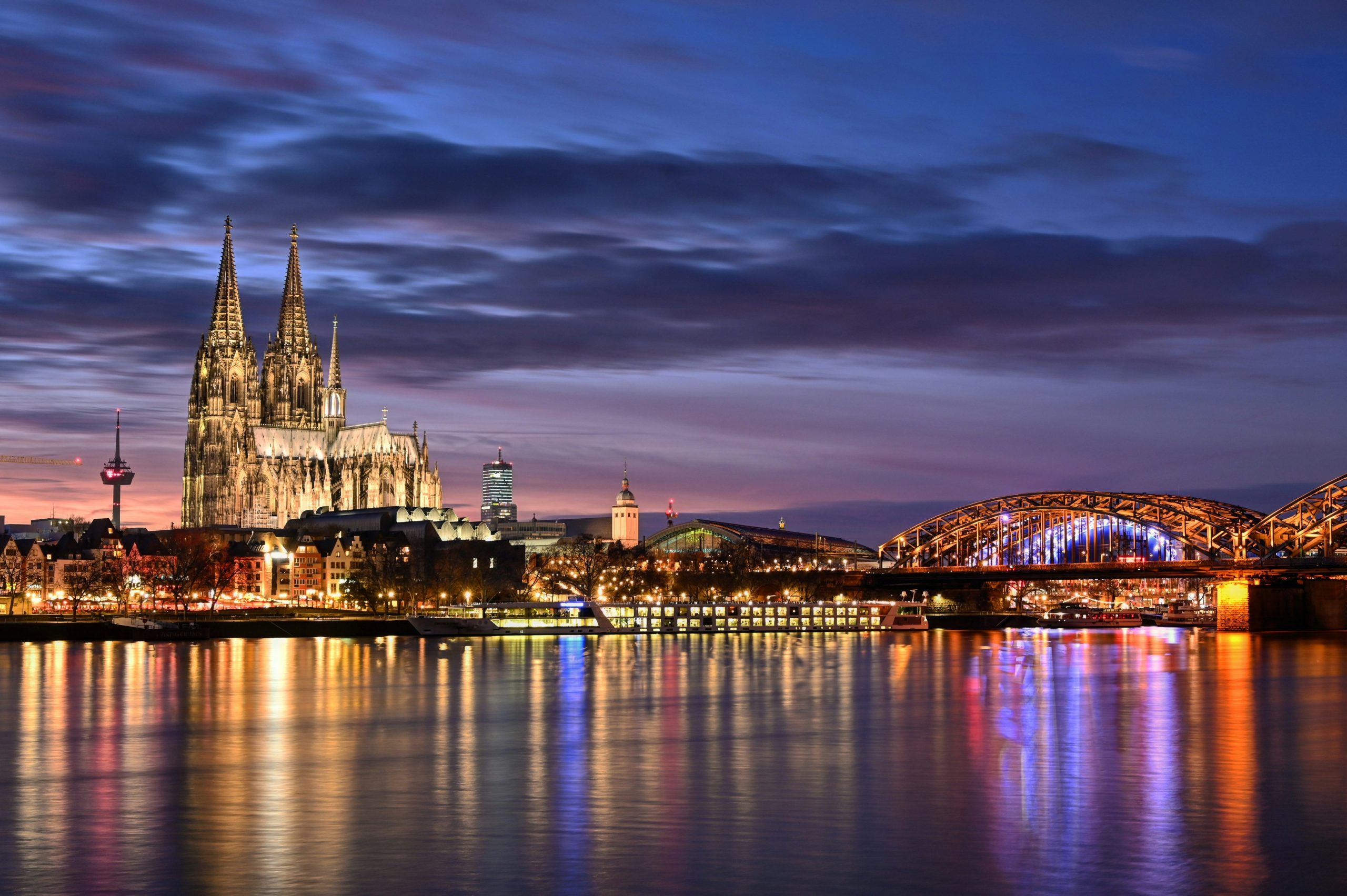
Cologne has a strong and varied restaurant scene, and the most practical approach is to eat within the neighborhood you are already exploring rather than crossing the city for a single meal.
Kölsch brewery culture dominates the historic center, but the western neighborhoods carry a strong independent café and restaurant scene. Modern German kitchens, solid international options, and casual neighborhood bistros fill out the rest. This guide is organized by neighborhood so travelers can match a dining decision to their itinerary.
Altstadt gets the most tourist traffic, but it is not the only area worth eating in. Several of the strongest dining options in the city sit in neighborhoods that receive far less visitor attention.
Quick Reference: Cologne Restaurants by Neighborhood
| Neighborhood | Best For | Vibe | Price Range |
|---|---|---|---|
| Altstadt | Kölsch breweries, traditional German | Historic, touristy | €–€€ |
| Belgian Quarter | Cafés, modern European, independent | Relaxed, local | €€ |
| Ehrenfeld | International, casual, creative | Multicultural, young | €–€€ |
| Südstadt | Neighborhood dining, bistros | Quiet, residential | €€ |
| Deutz | Pre- or post-event meals | Functional, no-frills | €–€€ |
| Rhine Riverfront | Scenic dining, drinks | Touristy but enjoyable | €€–€€€ |
If you only have a few meals in Cologne, start with Altstadt for the Kölsch brewery experience, then add the Belgian Quarter for more modern independent restaurants. Ehrenfeld works well for affordable international food, while Südstadt offers quieter neighborhood dining. Deutz is mainly practical for event visitors rather than destination eating.
Altstadt: Kölsch Breweries and Traditional German Cooking
Altstadt is the historic center of Cologne and the neighborhood most associated with Kölsch brewery culture. The Brauhäuser here are working institutions with long histories — they draw heavy visitor traffic, but they have not become tourist props. The food and the service follow genuine traditions, and that gives them a consistency that many similar venues in other German cities have lost.
The three major brewery restaurants worth knowing are Früh am Dom, Gaffel am Dom, and Brauhaus Sion.
Früh am Dom is directly adjacent to Cologne Cathedral and is one of the busiest brewery restaurants in the city. Visitors should expect communal seating, fast service from Köbes (traditional Kölsch waiters), and a menu that leans heavily on German classics. The Sauerbraten and Himmel un Äd (black pudding with apple sauce and mashed potato) are the dishes most associated with Cologne cooking.
Gaffel am Dom sits near the cathedral square and operates at a similar scale. The setting is slightly more polished, and the outdoor seating area works well for lunch visits.
Brauhaus Sion is one of the older names in Altstadt and tends to run quieter than the two cathedral-facing options. Travelers who want a more settled meal without the foot traffic of the main square will find it more comfortable.
The traditional dishes to order across all three: Kölsch (the local beer, a protected regional designation served in small 0.2L glasses called Stangen), Halver Hahn (rye bread with aged Gouda, despite the misleading name), Himmel un Äd, and Sauerbraten.
Altstadt restaurants offer good value for traditional German food. They are less useful for anyone seeking modern or international cuisine — that food simply does not exist at this end of the city.
Evenings in Altstadt get crowded, particularly on weekends and during any city-wide event. Lunch visits are consistently more comfortable: shorter waits, calmer atmosphere, the same food.
Best suited for: first-time visitors to Cologne, travelers visiting the cathedral, anyone who wants the full Kölsch brewery experience on their own terms.
Belgian Quarter: The Best Neighborhood for Independent Restaurants in Cologne
The Belgian Quarter (Belgisches Viertel) holds the strongest concentration of independent dining in Cologne. The mix includes wine bars, modern European kitchens, well-regarded cafés, and casual lunch spots that serve a largely local clientele.
The neighborhood skews creative and boutique-heavy. It attracts a younger, design-conscious crowd, and the dining reflects that — smaller menus, seasonal ingredients, less predictable formats.
Two restaurants with consistent reputations are worth planning around.
Le Moissonnier is one of the most respected fine-dining addresses in Cologne, running a French kitchen with serious technique and a wine list to match. It is not a casual option, and it requires a reservation well in advance.
For a more accessible but still well-executed option, HENNE Weinbar offers modern small plates and a strong wine focus in a relaxed setting. It works better for an unplanned evening than Le Moissonnier, though walk-in availability on weekends is not guaranteed.
Beyond those two anchors, the Belgian Quarter rewards walking. The density of good cafés for breakfast and lunch is high, and the street-level quality across independent spots is generally better here than in Altstadt.
The main drawback for visitors: many places are small, with limited covers and no online reservation system. A weekday lunch or an early dinner sitting is more reliable than arriving on a Saturday evening without a booking.
Best suited for: repeat visitors, travelers who want a genuinely local meal, anyone willing to plan one meal in advance.
Ehrenfeld: International Food and Casual Dining
Ehrenfeld is Cologne’s most multicultural neighborhood and the best area in the city for international food eaten casually and affordably. Turkish, Vietnamese, Middle Eastern, and Italian options sit alongside independent bars and straightforward German spots. The tone is relaxed and informal throughout.
The food market culture here is relevant for daytime eating. Weekly markets draw local producers and a mix of street food options, and Venloer Straße has the highest density of good casual restaurants in the neighborhood.
Reliable options in Ehrenfeld include a dense cluster of Vietnamese restaurants along Venloer Straße, as well as well-reviewed Turkish and Middle Eastern spots that serve consistently strong food at accessible prices. The neighborhood changes quickly, so checking recent reviews before choosing a specific place is worthwhile.
What separates Ehrenfeld from other parts of Cologne is the combination of quality and price. This is not the area for formal dining or special occasions. It is, however, the best place in the city for affordable, well-made international cuisine without the overhead of a tourist-facing location.
The neighborhood also has a lively bar scene, which means it functions well as an evening destination — dinner followed by a drink is a natural pattern here.
Travelers staying in the western part of the city will find Ehrenfeld the most convenient option for most evenings. It also works as a deliberate alternative for anyone tired of the Altstadt brewery circuit.
Best suited for: travelers who want variety, anyone looking for affordable international food, groups with different dietary preferences.
Südstadt: Quiet Neighborhood Dining Away from the Crowds
Südstadt has a calm, residential character. The restaurants here serve a local clientele rather than tourists, and the atmosphere across most spots reflects that — unhurried, lower key, and consistently reliable.
The dining available runs to neighborhood bistros, small Italian and Mediterranean places, and a handful of modern German kitchens. Maibeck is the strongest example of contemporary Cologne cooking in this part of the city: honest ingredients, a clear sense of place, and a menu that changes with the season. It is worth a reservation for travelers who want to eat well without the formality of fine dining.
Südstadt suits travelers who are already spending time in the southern part of Cologne — near Volksgarten or the Rhine meadows — and want a solid dinner option without navigating back to the center.
The main limitation: restaurant density here is lower than in Altstadt or the Belgian Quarter. Improvising works less well. Checking availability or booking ahead matters more in Südstadt than in most other neighborhoods.
Best suited for: travelers spending multiple nights in Cologne, anyone based in the southern part of the city, visitors who want a local atmosphere without going far afield.
Deutz and the Right Bank: Practical Dining with One Notable Exception
Deutz is primarily relevant for travelers attending events at Koelnmesse, Lanxess Arena, or arriving via the Cologne Messe/Deutz station. It is not Cologne’s strongest neighborhood for destination dining.
Most restaurants here are functional rather than memorable — German gastropubs, hotel restaurants, and a handful of dependable international options. Travelers visiting for a trade fair or a concert will find enough to eat well without crossing the Rhine, but this is not a neighborhood worth traveling to specifically for food.
The one clear exception is Lommerzheim (known locally as “Lommi’s”). It is a cult-status traditional Cologne pub on the right bank that has changed very little over the decades. Communal wooden tables, a no-frills atmosphere, Päffgen Kölsch on tap, and the kitchen’s famously oversized fried pork chops (Kotelett) with onions make it worth a visit in its own right. For travelers interested in the full range of Kölsch pub culture, Lommerzheim represents a side of Cologne that the Altstadt Brauhäuser do not show.
A practical note: during trade fairs, major concerts, and conference events, restaurants in Deutz fill up quickly. Reservations matter more here than in most other parts of the city.
Best suited for: event attendees, travelers who want to experience Lommerzheim specifically, visitors staying on the right bank.
Along the Rhine: Scenic Eating with Tradeoffs
The Rhine riverfront is better understood as a setting than a neighborhood. The appeal is straightforward — outdoor seating, river views, proximity to the cathedral and the bridges — but the tradeoff is consistent: location premium tends to affect both food quality and value.
Drinks and light meals work well here, particularly in summer when the outdoor terraces are at their best. Bootshaus and the waterside beer gardens along the promenade are worth considering for the experience rather than the food itself.
The Rhine waterfront is a good place to have a beer and watch the river. Travelers looking for the best restaurants in Cologne should use it selectively rather than treating it as a primary dining destination.
Best suited for: warm evenings, groups that want atmosphere over cuisine, travelers with limited time who want to combine sightseeing and eating in one stop.
What to Drink: Kölsch Culture and Where Brewery Restaurants Fit In
Kölsch is Cologne’s protected regional beer — a designation similar in legal terms to Champagne, meaning it can only be brewed within the city. It is served in small 0.2L glasses called Stangen by Köbes, the traditional waiters who refill glasses automatically until a drinker places a coaster on top of the glass to signal they are done.
The brewery restaurant experience is best understood as food and drink together rather than as a standard restaurant visit. The Kölsch is part of the meal, not simply a beverage alongside it. This is what separates the Altstadt Brauhäuser from other types of restaurants in the city.
The dominant names travelers will encounter in Altstadt are Früh, Gaffel, Reissdorf, and Dom — each brewed in-house and served exclusively at their associated brewery restaurant or affiliated venues.
For travelers who want to go further into German beer culture and regional brewing traditions, Kölsch is one of Germany’s most distinctive regional beers and fits naturally into a broader Germany beer itinerary.
How to Eat Well in Cologne Without Defaulting to the Tourist Trail
The most practical framework for eating well in Cologne is to anchor breakfast and lunch in whichever neighborhood the day’s itinerary takes you through, and reserve Altstadt for at least one traditional brewery dinner. That covers the core experience without requiring extra transit time.
Travelers spending more than two nights in Cologne should build at least one meal around the Belgian Quarter or Ehrenfeld. Both neighborhoods give a more accurate read on how the city actually eats — less visible to tourists, stronger on quality, and more consistent on value.
Cologne rewards planning marginally more than improvisation. Walk-in options exist everywhere, but the best small restaurants fill quickly, particularly Thursday through Saturday. One advance reservation per multi-day trip is usually enough.
The best restaurants in Cologne are spread across the city, not concentrated in any single area. Matching the meal to the moment — and to where you already are — is the most useful approach for most itineraries.