Best Restaurants In Stuttgart By Neighborhood
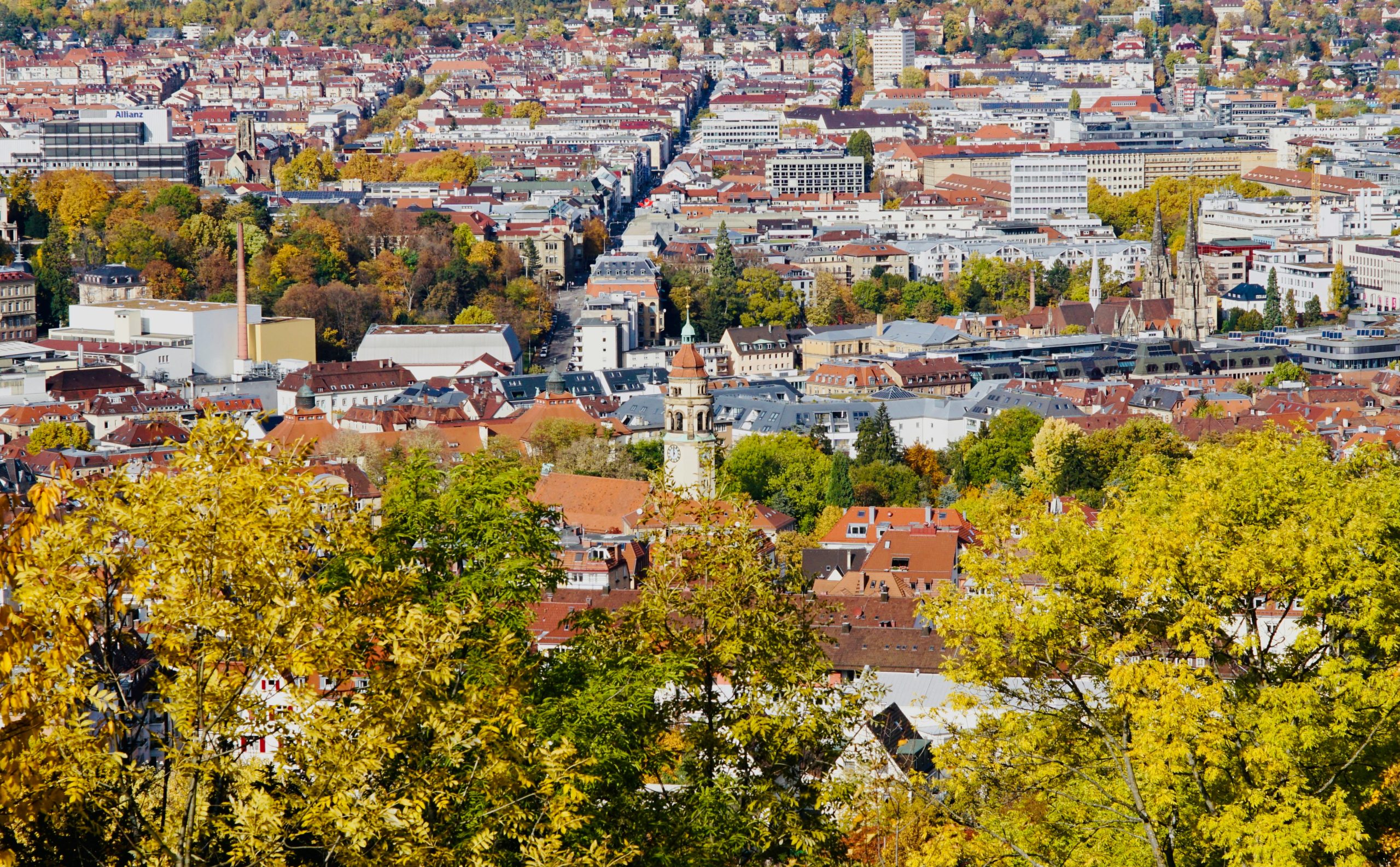
Stuttgart’s restaurant scene is easier to navigate by neighborhood than through a simple list of top-rated restaurants. Different parts of the city specialize in different dining experiences, from traditional Swabian taverns in Bad Cannstatt to wine bars and café culture in Stuttgart-West.
For most travelers, the best strategy is to eat within the neighborhoods they are already exploring. Stuttgart is not a city where every meal needs to become a destination event. The strongest experiences usually come from combining local restaurants with slower evenings, wine culture, beer gardens, and neighborhood atmosphere.
This guide breaks down the best restaurants in Stuttgart by neighborhood, including what each district does best, which travelers it suits, and what to realistically expect.
Quick Neighborhood Comparison Table
| Neighborhood | Best For | Dining Style | Atmosphere |
|---|---|---|---|
| Stuttgart-Mitte | First-time visitors | Traditional German, upscale casual | Central and busy |
| Stuttgart-West | Local dining and cafés | Wine bars, modern European | Relaxed and residential |
| Stuttgart-Süd | Beer gardens and casual dining | Outdoor dining, pubs | Younger and laid-back |
| Bad Cannstatt | Swabian food | Taverns and beer halls | Historic and practical |
| Degerloch | Scenic dinners | Wine taverns and hillside dining | Quiet and residential |
| Feuersee | Cafés and brunch | Bakeries and lighter meals | Calm and local |
Stuttgart-Mitte and Schlossplatz: Central Restaurants for First-Time Visitors
Travelers staying near Stuttgart Hauptbahnhof or Schlossplatz will likely eat at least one meal in Stuttgart-Mitte. The area combines practical convenience with a wide range of restaurants, cafés, bakeries, and wine-focused dining rooms.
The city center is not necessarily where Stuttgart’s most distinctive restaurants are located, but it works well for short visits and efficient sightseeing days.
Restaurants around Königstraße and Schlossplatz range from traditional Swabian taverns to polished business-oriented restaurants. Visitors can easily find regional dishes such as Maultaschen, Käsespätzle, Schnitzel, and roast meats. Quality varies noticeably, however, especially near the busiest shopping streets.
This area works best for:
- first-time visitors
- short stays
- business travelers
- travelers staying near the train station
- travelers wanting walkable sightseeing and dining
Reservations become more important during trade fairs, football weekends, and Christmas market season.
One tradeoff with Stuttgart-Mitte is atmosphere. Parts of the district feel more functional than character-driven compared to Stuttgart-West or Bad Cannstatt.
Stuttgart-West: The Best Area for Local Restaurants and Wine Bars
Stuttgart-West is one of the strongest overall dining neighborhoods in the city. The district combines cafés, wine bars, bakeries, modern German restaurants, and neighborhood-focused dining in a way that feels noticeably more local than central Stuttgart.
For travelers wanting to understand how residents actually spend their evenings, Stuttgart-West is often the most rewarding area to explore.
The neighborhood around Feuersee and Rotebühlstraße contains a dense mix of smaller restaurants that prioritize consistency and atmosphere over trend-heavy concepts. Many evenings here revolve less around sightseeing and more around lingering over wine, dinner, and conversation.
A few genuinely useful Stuttgart-West recommendations include:
- Weinstube Fröhlich for Maultaschen, roast dishes, and local Württemberg wine in a compact traditional setting
- Taverna Yol for Turkish meze, grilled dishes, and larger group dinners that feel more local than polished
- Hüftengold near Feuersee for brunch and slower café mornings rather than formal dinners
- Café Moulu for specialty coffee and pastries before exploring Stuttgart-West on foot
- Hegel Eins for a more modern dinner with a stronger wine focus than traditional taverns
This is also one of Stuttgart’s better areas for simply walking without a fixed plan. Smaller wine bars, bakeries, and cafés often feel more memorable than heavily reviewed destination restaurants.
Wine culture is particularly visible here. Stuttgart sits within one of Germany’s major wine regions, and local Württemberg wines appear naturally across many menus.
Stuttgart-West works especially well for:
- couples
- solo travelers
- slower evening dinners
- café culture
- wine-focused dining
- travelers staying multiple nights
The area is highly walkable, making it easy to combine dinner, wine bars, cafés, and bakeries without relying heavily on transportation.
The main limitation is convenience. Travelers staying near the train station with only one evening in Stuttgart may find Stuttgart-West slightly less efficient logistically than central districts.
Stuttgart-Süd and Marienplatz: Casual Dining and Beer Garden Culture
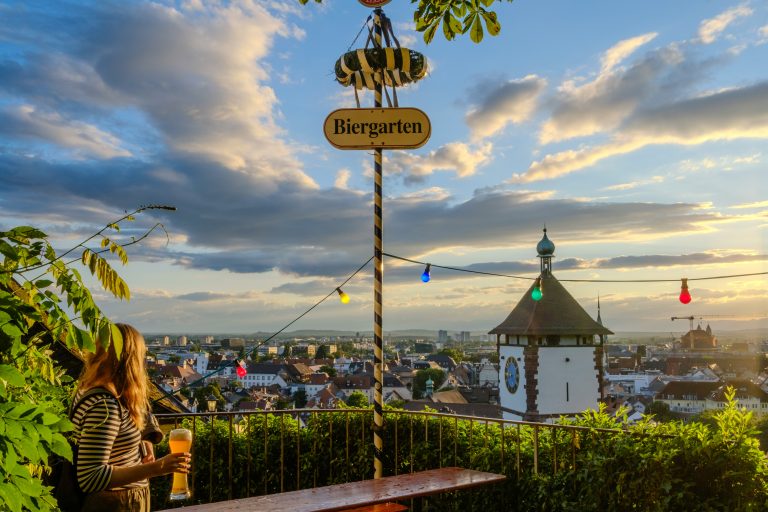
Stuttgart-Süd offers a more casual and neighborhood-oriented dining atmosphere than the city center. The area around Marienplatz is particularly useful for beer gardens, outdoor seating, and relaxed evening meals.
This district attracts a younger local crowd, especially during spring and summer when terraces and outdoor gathering spaces become more active.
Restaurants here are generally less formal than upscale dining areas in central Stuttgart. Travelers will find casual Swabian restaurants, Turkish restaurants, pizza spots, pubs, and outdoor dining throughout the district.
Beer garden culture is one of the neighborhood’s main strengths. Stuttgart may not compete with Munich for large beer halls, but Stuttgart-Süd delivers slower, more relaxed outdoor dining experiences.
This neighborhood works best for:
- group dinners
- beer garden evenings
- casual dining
- local atmosphere
- weekend lunches
Travelers focused mainly on luxury dining or major tourist attractions may not need to spend extensive time here, but Stuttgart-Süd offers one of the better introductions to everyday city life.
Bad Cannstatt: Traditional Swabian Food and Historic Taverns
Bad Cannstatt remains one of the best areas in Stuttgart for traditional Swabian cuisine. Historically separate from Stuttgart before eventually becoming part of the city, the district still feels somewhat independent in character.
Travelers interested in regional food should strongly consider eating here.
Restaurants in Bad Cannstatt commonly focus on heavier Swabian comfort food:
- Maultaschen
- Käsespätzle
- roast pork
- Schnitzel
- sausages
- onion-heavy roast dishes
- seasonal asparagus and game dishes
The district feels noticeably less polished than Stuttgart-West, but more grounded in regional food culture.
A few dependable traditional restaurants in the area include:
- Klösterle Weinstube for classic Swabian dishes in one of the more atmospheric historic interiors in Stuttgart
- Weinstube Am Stadtgraben for regional food and a quieter wine-tavern atmosphere
- Neckarbiergarten for casual riverside beer garden meals during warmer months
- Augustiner Biergarten Bad Cannstatt for larger groups and relaxed outdoor dining before events or football matches
Compared to Stuttgart-West, the atmosphere here feels more practical and traditional. Beer halls and taverns matter more than wine bars or modern small-plate restaurants.
Bad Cannstatt works especially well for:
- traditional German food
- football match weekends
- more affordable dining
- local tavern atmosphere
- travelers wanting regional cuisine
One tradeoff is aesthetics. Some streets feel functional rather than scenic, and the area prioritizes substance over presentation.
Reservations are generally easier to secure than in trendier neighborhoods, although major football events and festivals can increase demand significantly.
Degerloch and the Hills Above Stuttgart: Scenic Dining and Wine Taverns
The hillside neighborhoods above Stuttgart offer a quieter and more wine-oriented dining atmosphere. Degerloch works particularly well for travelers looking for slower dinners, vineyard surroundings, and a more residential setting.
Restaurants here often emphasize local Württemberg wines, seasonal cooking, and slower dinners rather than beer-hall energy.
This is also one of the better areas to experience Stuttgart’s connection to vineyards and seasonal wine taverns known as Besenwirtschaften. They are deeply tied to Württemberg food culture and feel far more specific to the region than generic German beer halls.
This area suits:
- couples
- wine-focused travelers
- quieter evenings
- scenic dining
- travelers staying multiple nights
Transportation requires slightly more planning than central Stuttgart. Depending on the exact restaurant location, visitors may need U-Bahn connections, taxis, or short uphill walks.
Travelers with limited time may prioritize more central districts instead, but Degerloch offers one of Stuttgart’s more distinct dining environments.
Specific restaurants worth considering include:
- Speisemeisterei for a more refined meal in a historic setting near Schloss Hohenheim
- Wielandshöhe for one of Stuttgart’s classic wine-focused dining experiences
- Leonhardts at the Fernsehturm when views matter as much as the meal itself
Feuersee and the Nearby Streets: Cafés, Bakeries, and Everyday Local Dining
Feuersee is one of Stuttgart’s most useful neighborhoods for cafés, bakeries, brunch, and lighter meals.
The atmosphere here feels calmer and more residential than central Stuttgart, making it especially appealing for travelers who prefer neighborhood rhythm over sightseeing intensity.
Unlike Munich or Berlin, Stuttgart does not have a huge concentration of globally known brunch spots. Feuersee works because the cafés feel integrated into everyday local life rather than built mainly for tourism.
Many cafés emphasize slower pacing rather than fast turnover. Outdoor seating becomes particularly attractive during warmer months.
Some of the better-known café and brunch spots around Feuersee include:
- Café Moulu for specialty coffee and pastries
- Hüftengold for breakfast and brunch
- Marshall Matt for coffee and casual daytime meals
Feuersee works well for:
- breakfast
- brunch
- remote work
- coffee breaks
- lighter lunches
- casual evenings
Families and solo travelers often find the area easier to navigate than busier central districts.
Travelers searching specifically for major destination restaurants may not consider Feuersee essential, but it remains one of Stuttgart’s strongest café areas.
What to Eat and Drink in Stuttgart
Stuttgart’s food culture revolves heavily around Swabian cuisine, regional wines, and practical comfort food.
One of the city’s best-known dishes is Maultaschen, a stuffed pasta typically filled with meat, spinach, herbs, and onions. Restaurants often serve them either in broth or sliced and fried with onions.
Spätzle also appears throughout Stuttgart, especially Käsespätzle topped with crispy onions.
Other regional dishes commonly include:
- Schnitzel
- roast pork
- potato salad
- lentils with sausage
- seasonal asparagus dishes
Wine culture plays a larger role in Stuttgart than many visitors initially expect. Württemberg wines appear frequently on restaurant menus, particularly Trollinger and Riesling.
Beer remains important, but Stuttgart often feels more wine-oriented than Munich or Cologne.
Practical Tips for Eating in Stuttgart
Reservations matter more in Stuttgart than many travelers expect, especially on weekends.
Smaller restaurants and wine bars in Stuttgart-West frequently book out several days ahead.
Travelers visiting during:
- trade fairs
- football weekends
- Christmas markets
- major festivals
should plan even further ahead.
Public transportation is reliable enough that travelers do not need to limit themselves strictly to central Stuttgart. U-Bahn and S-Bahn connections make neighborhoods such as Bad Cannstatt and Degerloch relatively accessible.
Many restaurants accept cards, but carrying some cash remains useful in smaller taverns and cafés.
Travelers staying near Stuttgart Hauptbahnhof should avoid defaulting to the first restaurant near the station. Walking deeper into Mitte or toward Stuttgart-West generally leads to stronger dining options.
What to Skip If Time Is Short
If time is limited, avoid trying to cover too many neighborhoods in one evening.
Stuttgart rewards slower neighborhood-based dining more than checklist-style restaurant hopping.
Travelers with only one or two evenings should generally prioritize:
- Stuttgart-West for local dining, wine bars, and cafés
- Bad Cannstatt for traditional Swabian food and tavern culture
- Stuttgart-Süd for beer gardens and casual evenings
- Degerloch only if the goal is a slower wine-focused dinner or city views
rather than spreading meals across the entire city.
Restaurants immediately surrounding major shopping corridors are often less memorable than restaurants a few streets away.
Choosing the Right Stuttgart Neighborhood for Food
The best restaurants in Stuttgart depend heavily on what kind of experience travelers actually want.
Stuttgart-West works best for local atmosphere, cafés, and modern neighborhood dining. Bad Cannstatt remains the strongest choice for traditional Swabian cuisine and tavern culture. Stuttgart-Süd suits relaxed evenings and beer gardens, while Degerloch offers quieter wine-focused dining above the city.
Travelers expecting an internationally dominant food capital may find Stuttgart more understated than Berlin or Munich. The city’s restaurant scene is strongest when approached through neighborhoods, regional specialties, and slower evenings rather than destination-driven dining.