Munich Travel Guide: How to Spend 2–3 Days in the City
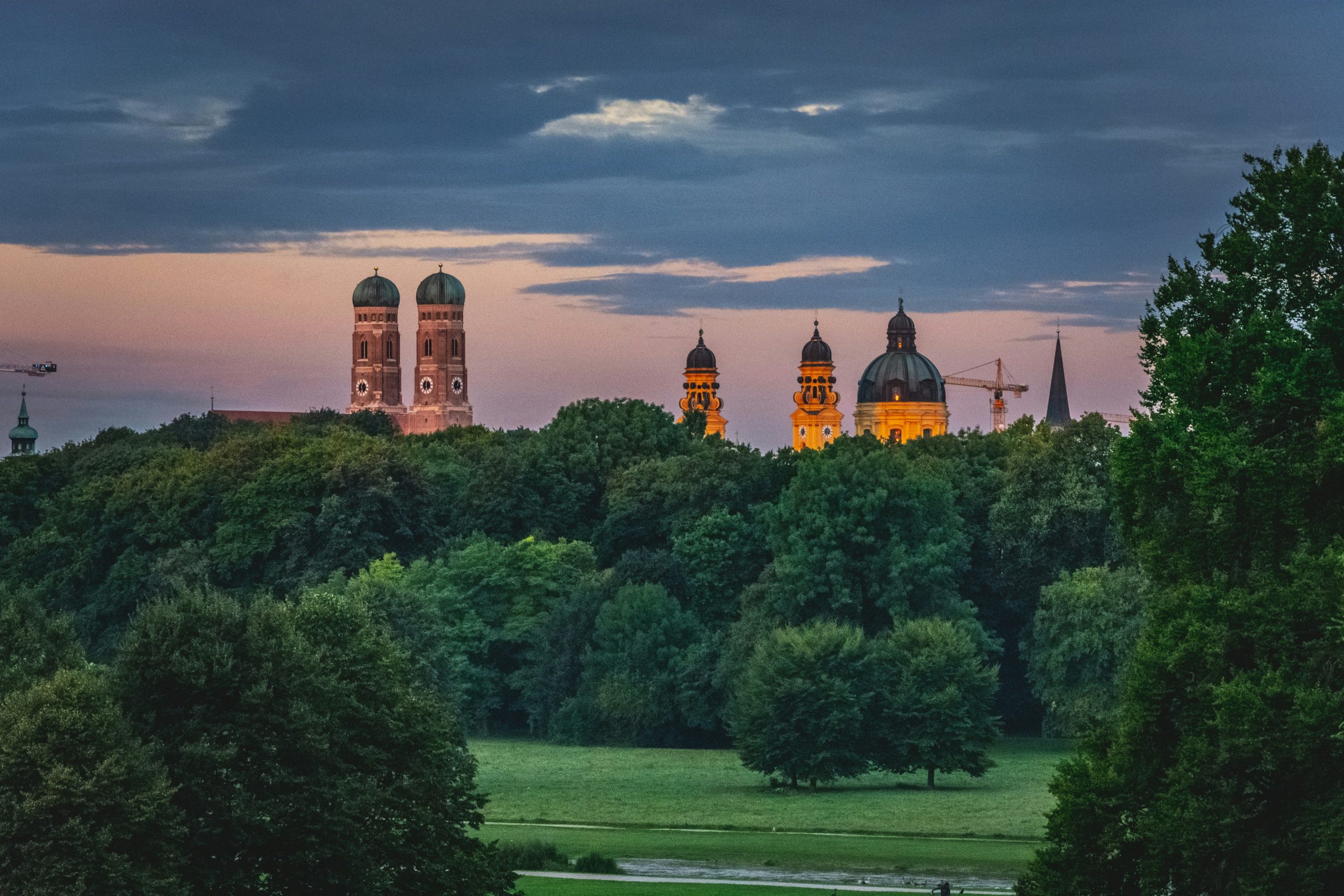
Munich is one of Germany’s most visited cities, and for good reason. The Bavarian capital offers a dense concentration of history, parks, museums, and food culture within a city that is largely manageable on foot and well-connected by public transit.
Two to three days is enough time to cover the essential sights at a reasonable pace. This post explains how to structure those days, what to prioritize, and where the real tradeoffs are.
What to Expect from 2–3 Days in Munich
Munich’s historic core is walkable, but the city is larger than most first-time visitors anticipate. The distances between major areas add up quickly if itinerary planning does not account for transit time.
Two days covers the essential sights without rushing. A third day opens up options: either deeper exploration within the city or a day trip into the Bavarian countryside.
The season matters more here than in many German cities. Beer gardens are a core part of the Munich experience, and they are only fully available from spring through early autumn. Summer brings crowds, especially around Marienplatz and the English Garden. Winter visits are quieter but require adjusting expectations about outdoor time.
This guide organizes the days as follows: Day One focuses on the historic center, Day Two covers the English Garden or Nymphenburg Palace (as a swap-out alternative), and the third day addresses both in-city options and day trips.
How Munich Is Laid Out (and Why It Matters for Itinerary Planning)
Understanding Munich’s geography before arriving prevents a common planning mistake: trying to combine attractions from opposite ends of the city on the same day.
The Altstadt (old town) sits at the center and is where most first-time visitors spend the majority of their time. Schwabing and the English Garden stretch northward from the city center. Nymphenburg Palace is to the west, roughly 20 to 25 minutes from the center by tram. The Isar River runs on a north-south axis east of the Altstadt, with accessible riverbanks south of the center.
Grouping attractions by area is the single most effective way to reduce unnecessary transit and backtracking. The Residenz, Marienplatz, and Hofbräuhaus are all within easy walking distance of each other. The Pinakothek museums are clustered together to the northwest of the Altstadt. The English Garden is accessible on foot from Schwabing or by U-Bahn from the center.
A car is not needed for any itinerary in this guide. The MVV network (Munich’s integrated transit system) reaches all of the areas covered here, including Nymphenburg Palace.
Day One: The Historic Center on Foot
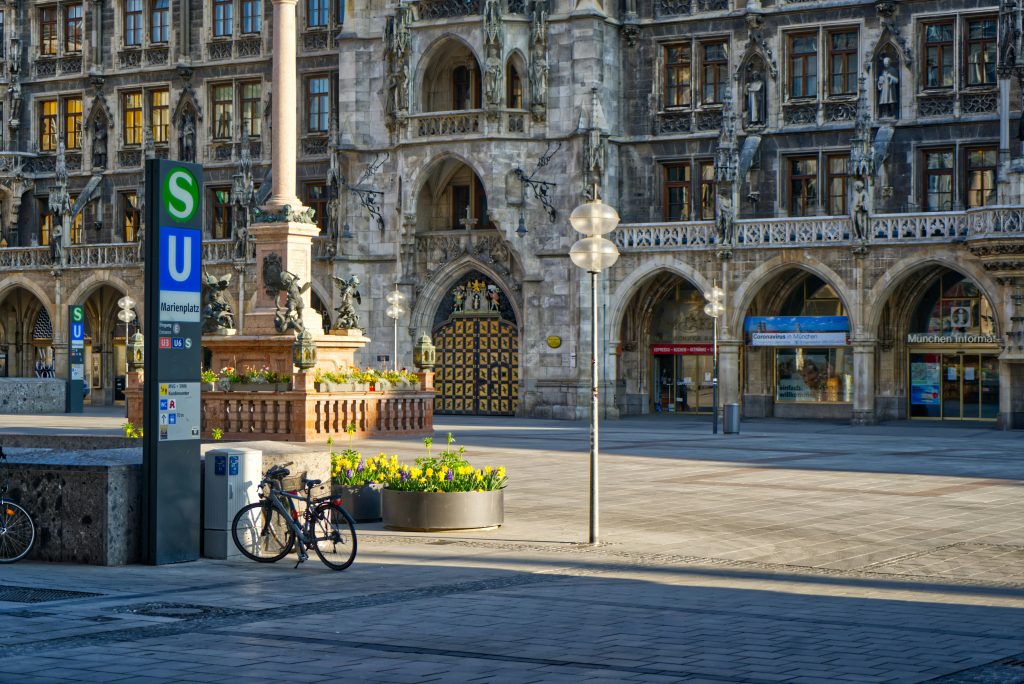
Day One is best anchored in the Altstadt, where Munich’s most recognizable landmarks are concentrated and easily combined into a single walking day.
Morning
Start at Marienplatz, the central square that serves as the geographic and social heart of Munich. The Glockenspiel performance on the Neues Rathaus (New Town Hall) draws large crowds at 11 a.m. and noon; the mechanical figures are more interesting as a cultural reference point than as a spectacle. Visitors who are short on time can skip the performance and spend the time climbing the tower for a clear view over the city center.
The Viktualienmarkt is a five-minute walk south of Marienplatz. It is a working outdoor market rather than a tourist attraction, though the two are not mutually exclusive. It is a practical place to pick up breakfast or coffee before continuing.
Midday
Walk north from Marienplatz to the Munich Residenz, the former royal palace of the Wittelsbach dynasty. The Residenz covers considerably more ground than many visitors expect.
There are two main ticketing options: the Residenz Museum, which covers the state rooms and apartments, and the Treasury, which holds the Wittelsbach jewelry and regalia collection. The Treasury is the stronger choice for visitors with limited time. The full museum is worthwhile for those with a particular interest in European court history.
Budget 1.5 to 2 hours for a focused visit. Trying to do both fully in one session is possible but leaves little time for the rest of the day.
Afternoon
From the Residenz, the Hofbräuhaus is a short walk southeast. It is a genuine Munich landmark with a long history, and it draws heavy tourist crowds as a result.
The main drawback for visitors is the atmosphere: it functions primarily as a large tourist beer hall. Those looking for a more local experience will find better options in the neighborhoods around Gärtnerplatz or in smaller halls in the Schwabing area.
The Hofbräuhaus is worth a brief visit if only to see the interior. Staying for a full meal or multiple rounds is more rewarding for visitors who enjoy the spectacle than for those seeking an authentic neighborhood experience.
Pacing note: This day fills up faster than it looks on a map. Adding Nymphenburg Palace or the English Garden to Day One overloads the itinerary. Both are better saved for Day Two.
Day Two: The English Garden and the Isar
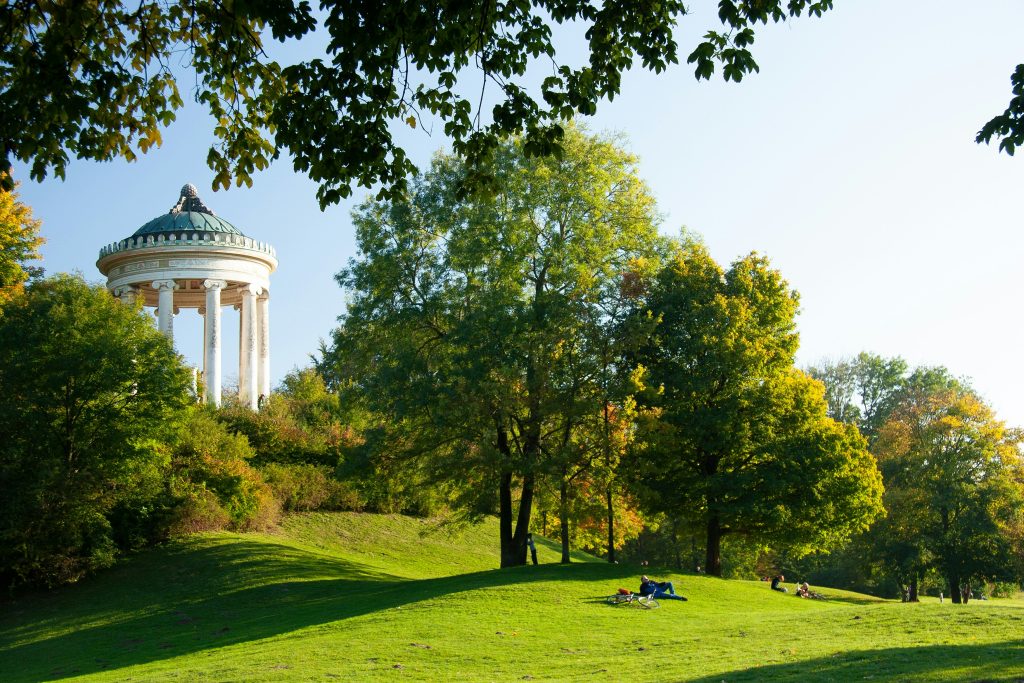
The English Garden (Englischer Garten) is one of Europe’s largest urban parks, larger than Central Park in New York City. A full morning here is not excessive.
Morning
The park’s layout is not immediately intuitive for first-time visitors. Three areas are worth prioritizing:
- The Eisbach wave, near the southern entrance, where surfers ride a standing river wave year-round
- The Chinese Tower beer garden (Chinesischer Turm), one of Munich’s most well-known outdoor seating areas, located deeper into the park
- The Japanese Tea House (Japanisches Teehaus), a quieter spot that sees far fewer visitors than the beer garden areas
The park is large enough that aimless wandering is genuinely possible. Having a few fixed points to move between prevents the morning from drifting without much to show for it.
Midday
The Isar River banks south of Munich’s city center offer a quieter, more local alternative to the park crowds. On warm days, Müncheners use the riverbanks as informal recreation areas, including swimming in some stretches.
This part of the day suits visitors who want to see how the city functions beyond its tourist zones. It is less structured than the morning but works well as a transition between the park and a late lunch.
Beer Gardens
Beer gardens are central to Munich’s outdoor culture and worth understanding practically before arriving.
Most gardens use communal tables, and sharing a bench with strangers is standard. Some gardens, particularly the Chinesischer Turm, allow visitors to bring their own food (though not their own drinks). Service is usually at a self-service counter rather than table service.
The main beer garden options near the English Garden are the Chinesischer Turm and the smaller Hirschau garden further north. Both are worth knowing. The Chinesischer Turm is busier and more central; Hirschau is calmer.
This day suits most travel styles but works particularly well as a slower, outdoor-focused day between two denser sightseeing days.
Day Two Alternative: Nymphenburg Palace and the West Side
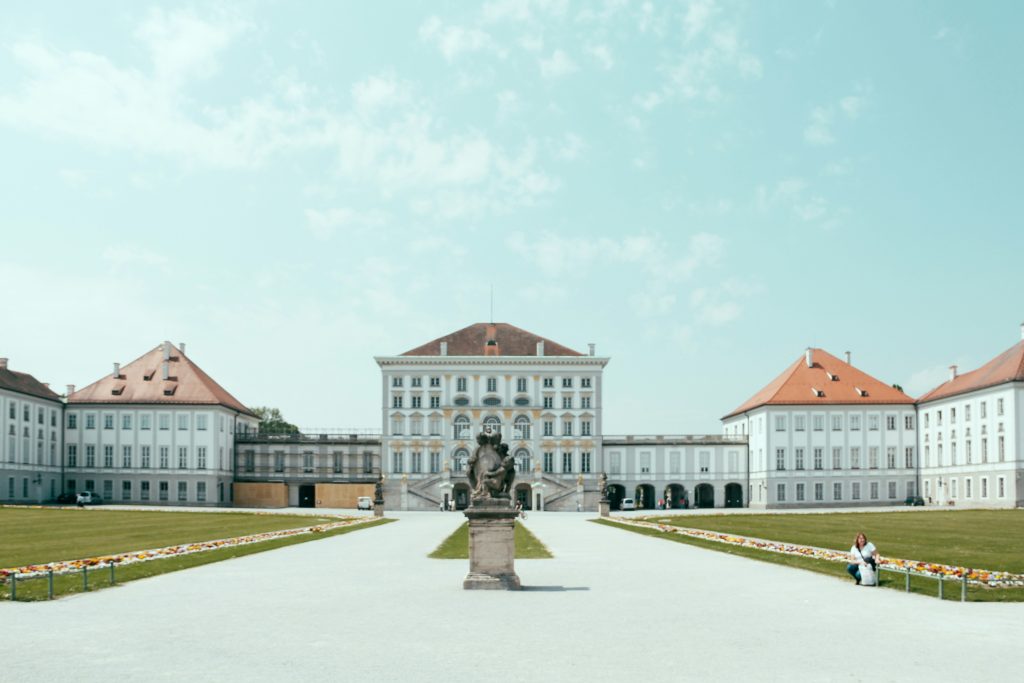
Nymphenburg Palace is a viable alternative to the English Garden day, but it does not combine well with it. Visitors who try to fit both into a single day will either rush the palace or miss most of the park.
The better approach is to treat this as a swap-out option for Day Two.
The palace itself offers two distinct experiences. The exterior and the formal gardens are the main draw for most visitors, and the grounds are genuinely worth time. The interior rooms, including the Gallery of Beauties commissioned by King Ludwig I, are worthwhile for visitors with an interest in Bavarian royal history. Families with young children often find the grounds more rewarding than the interior.
The canal system and the outbuildings, particularly the Amalienburg hunting lodge, are frequently overlooked. Amalienburg is considered one of the finest examples of Rococo architecture in Bavaria and is often less crowded than the main palace.
Transit from the city center takes approximately 20 to 25 minutes by tram (line 17 from the city center). The palace area is significantly less crowded than Marienplatz, making it a good morning option before returning to the city for lunch.
Adding a Third Day: How to Use the Extra Time
A third day in Munich breaks down into two directions: staying in the city or leaving it entirely.
For staying in the city:
- The Deutsches Museum is best suited to visitors with an interest in science, engineering, and technology. It is large enough to fill an entire day.
- The Pinakothek museums (Alte, Neue, and Pinakothek der Moderne) are clustered together and serve art-focused travelers well. All three can be visited in sequence without additional transit.
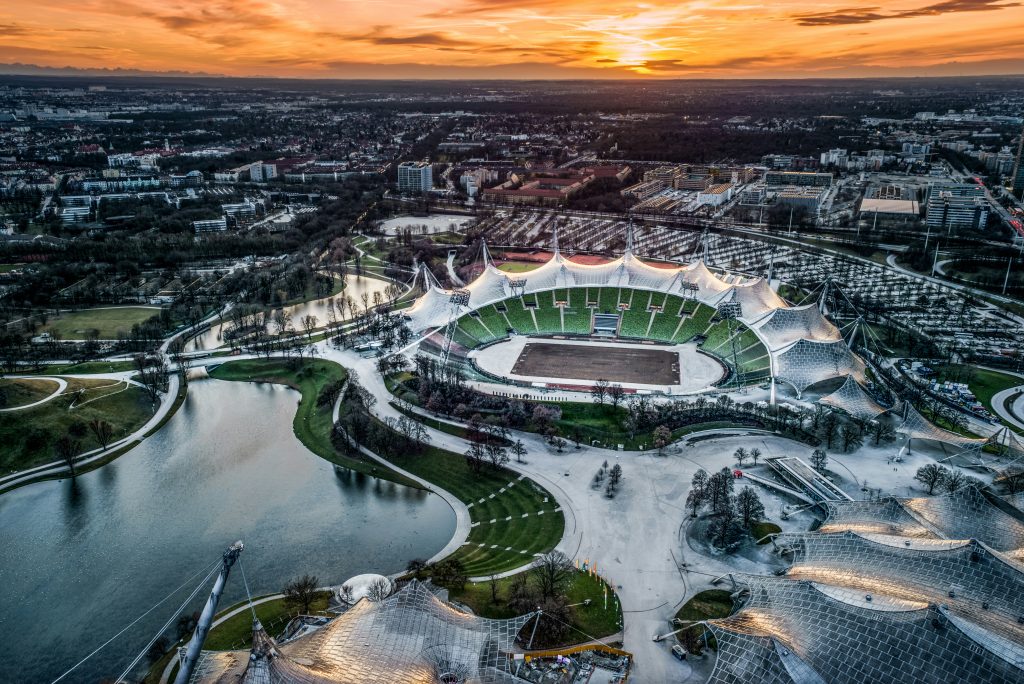
- The Olympiapark appeals to visitors interested in modern architecture and recent German history. The 1972 Olympic complex is still intact and open to the public.
For day trips:
The two most common options are Neuschwanstein Castle and the Dachau Concentration Camp Memorial. They serve very different purposes and attract different types of visitors. Detailed logistics for both are covered in the next section.
Day Trip Options: Neuschwanstein and Dachau
Neuschwanstein Castle
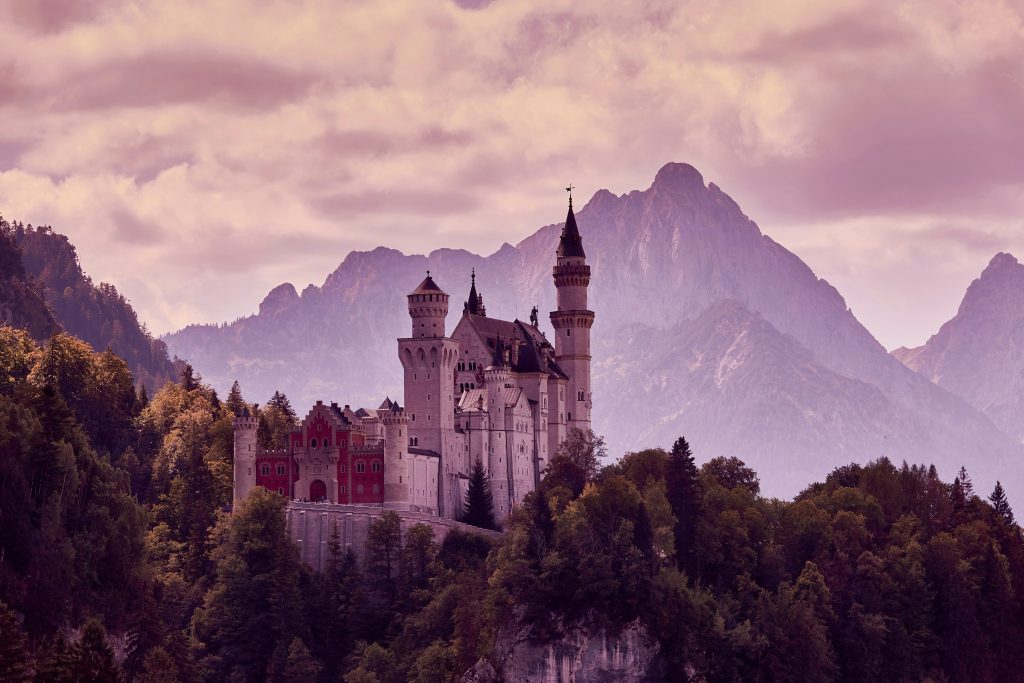
Neuschwanstein Castle is roughly two hours from Munich by public transit (regional train to Füssen, then bus to the castle area). It is one of Germany’s most visited sites, and the logistics require advance planning.
Timed entry tickets are required to enter the interior and sell out well in advance during peak season. Visitors who book late may arrive to find no tickets available.
The view from the Marienbrücke bridge, which overlooks the castle from above, is often more memorable than the interior tour. The bridge provides the image most people associate with Neuschwanstein.
The castle is best suited to visitors with a particular interest in Bavarian scenery or 19th-century romantic architecture. For general sightseers, the day is long relative to the payoff, especially if interior tickets are unavailable.
Dachau Concentration Camp Memorial
The Dachau Concentration Camp Memorial Site is approximately 45 minutes from central Munich by S-Bahn and tram. Plan for at least two to three hours on site.
The visit is emotionally demanding in ways that require preparation. It is not suitable as a casual half-day addition to a busy itinerary, and it does not pair well with Neuschwanstein or other sightseeing on the same day.
The memorial is well-organized and includes a museum, preserved grounds, and documentation of the camp’s history. It is a significant historical site and one of the most important day trips available from Munich for travelers interested in 20th-century European history.
These two trips should not be combined. Each requires a full day, and the nature of the Dachau visit in particular warrants dedicated time.
Other day trip options from Munich include Salzburg (approximately 90 minutes by train) and Berchtesgaden. These work better as part of a longer Bavaria itinerary than as additions to a 2-3 day Munich visit.
Adjusting the Itinerary for Different Travel Styles
Families with children will find the English Garden, the Deutsches Museum (especially its hands-on sections), and the Olympiapark the most practical choices. The Residenz and the Pinakothek cluster are less engaging for younger visitors and tend to generate friction in a family schedule.
Museum-focused visitors should consider anchoring one full day to the Pinakothek museums and treating the Altstadt as a half-day complement rather than a full day. All three major galleries are within walking distance of each other and can be approached selectively based on interest.
Visitors focused on food and markets will find the Viktualienmarkt worth more than a quick stop. The Schrannenhalle, a converted 19th-century market hall near the Viktualienmarkt, is worth a look. The neighborhood around Gärtnerplatz has a more residential character than the tourist-heavy core and tends to attract a local crowd.
Practical Logistics Worth Knowing Before You Go
Getting around: The MVV transit system covers all itinerary points in this guide efficiently. A day ticket is cost-effective for most visitors, especially on days that involve both the city center and outer areas like Nymphenburg Palace. Taxis and rideshares are available but rarely necessary within the core tourist area.
Booking ahead: Neuschwanstein Castle requires advance tickets, particularly during summer and the Oktoberfest period. The Residenz benefits from pre-booking but is not typically sold out. Nymphenburg Palace can generally be visited without advance tickets outside of peak weekends.
When to visit: Summer offers full beer garden season and long days but brings the highest crowds. Late September through early October includes Oktoberfest, which changes the character of the city considerably. Hotel prices and availability are affected well in advance of the festival period, and this guide does not assume visitors are attending. Spring (April to June) and early autumn (September before Oktoberfest) offer a practical balance of good weather and manageable crowds.
Getting to the city: Munich Airport connects to the city center via S-Bahn in approximately 40 minutes. The S1 and S8 lines both serve the Hauptbahnhof (main train station) and other central stops.
Building an Itinerary That Actually Works
The core structure of this guide is straightforward: anchor Day One in the historic center, use Day Two for either the English Garden or Nymphenburg Palace depending on preference, and treat a third day as either a focused museum day or a day trip.
Munich rewards a slower pace better than many comparable European cities. Many of its most worthwhile experiences, including the parks, beer gardens, and riverside areas, are not time-pressured. Overloading each day by adding one more attraction tends to reduce the quality of the whole.
For visitors who want to see as much as possible in two days, the Day One and Day Two structure as outlined works well as a framework. For those with more flexibility, building in one unstructured afternoon produces a noticeably different experience of the city.
The practical rule: if a day starts to look like a checklist, something should probably be removed.