15 Best Beach Towns in Germany
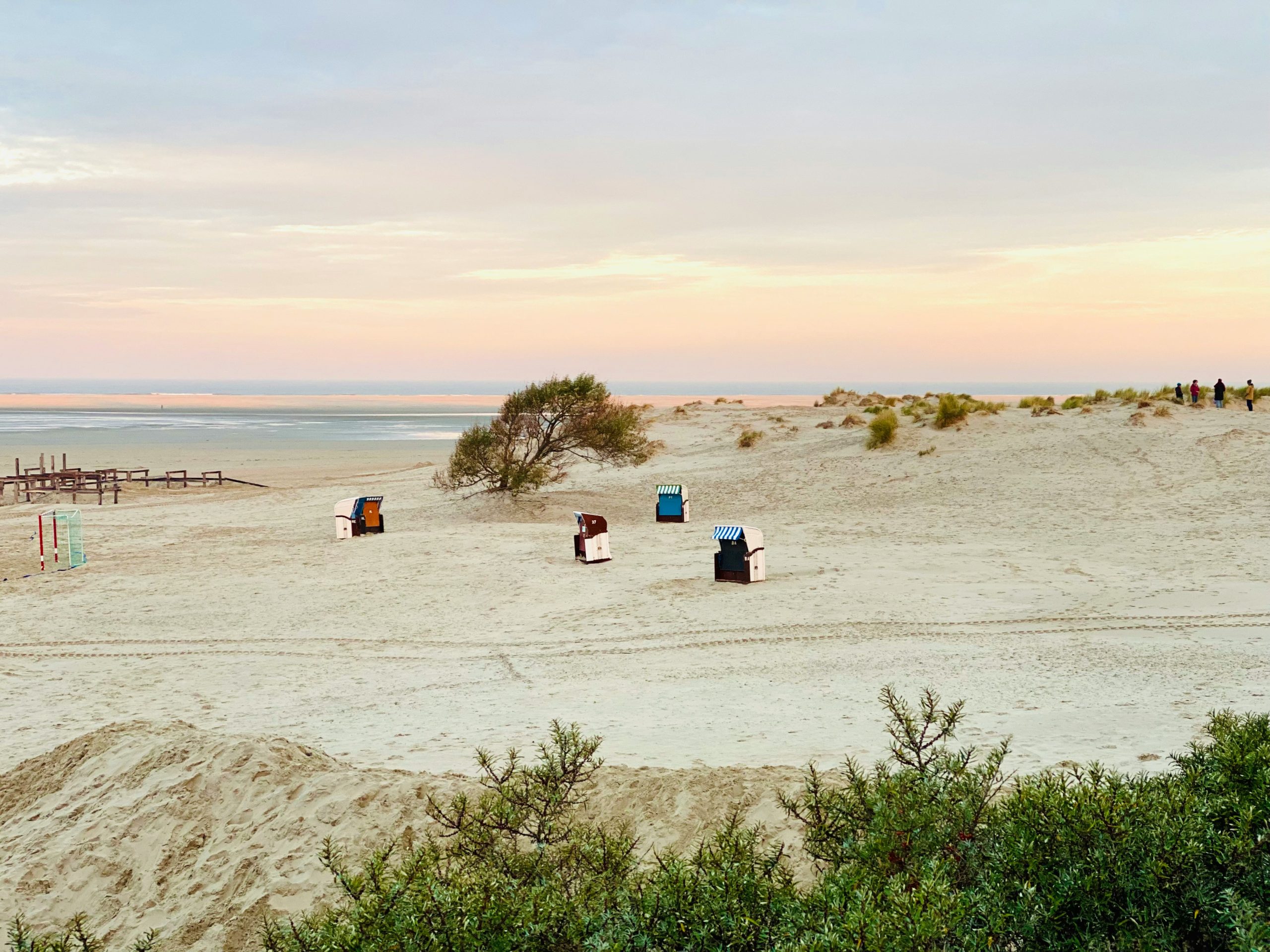
The best beach towns in Germany depend on the type of coastal trip travelers want. The North Sea works better for tides, mudflats, wind sports, and broad natural landscapes, while the Baltic Sea is usually easier for swimming, family stays, promenades, and resort infrastructure.
This guide compares 15 beach towns by trip type, train access, ideal stay length, atmosphere, nearby attractions, and the main drawback of each destination.
The practical choice is rarely the town with the best-looking beach. It is the town that best matches the traveler’s transportation, preferred pace, budget, and plans beyond the beach.
For a beach-focused comparison, see the companion guide to the best beaches in Germany. That article focuses on individual beaches, while this guide focuses on the towns that work best as places to stay.
Quick Comparison of the Best Beach Towns in Germany
Travelers choosing only by beach size may overlook the towns that make the trip easiest. The table below compares the full stay experience, including transportation, services, nearby activities, and the main drawback of each destination.
| Beach town | Coast | Best for | Train access | Ideal stay | Main tradeoff |
|---|---|---|---|---|---|
| Westerland | North Sea | Car-free island trips | Direct trains to Sylt | 3 to 5 nights | Busy and expensive |
| Sankt Peter-Ording | North Sea | Water sports and space | Regional train via Husum | 3 to 5 nights | Spread-out districts |
| Büsum | North Sea | Young families | Train via Heide | 2 to 4 nights | Less natural beach setting |
| Norderney | North Sea | Car-light island stays | Train plus ferry | 3 to 5 nights | Central areas get busy |
| Borkum | North Sea | Weeklong island trips | Train, ferry, island railway | 4 to 7 nights | Longer transfer |
| Cuxhaven | North Sea | Mudflat experiences | Rail from Hamburg or Bremen | 2 to 4 nights | Resort areas are dispersed |
| Norddeich | North Sea | Short trips and ferry links | Direct station at the harbor | 2 to 3 nights | Limited destination depth |
| Timmendorfer Strand | Baltic Sea | Easy family holidays | Train via Lübeck | 2 to 7 nights | Busy in peak summer |
| Travemünde | Baltic Sea | Lübeck plus beach | Regional train from Lübeck | 2 to 3 nights | Less resort-focused |
| Kühlungsborn | Baltic Sea | Best all-around resort | Rail and local connections | 3 to 7 nights | Long linear layout |
| Warnemünde | Baltic Sea | Rostock plus beach | S-Bahn from Rostock | 2 to 3 nights | Crowded on cruise days |
| Binz | Baltic Sea | First-time Rügen trips | Direct or one-change rail | 4 to 6 nights | Heavily visited |
| Sellin | Baltic Sea | Smaller Rügen base | Regional bus and heritage rail | 3 to 5 nights | Steep access to the beach |
| Zinnowitz | Baltic Sea | Relaxed family stays | Usedom island railway | 4 to 7 nights | Fewer major sights |
| Heringsdorf and Ahlbeck | Baltic Sea | Architecture and resort hopping | Usedom island railway | 4 to 6 nights | Higher summer prices |
For the simplest family trip, start with Timmendorfer Strand, Kühlungsborn, Büsum, or Zinnowitz. Choose Sankt Peter-Ording for wind sports and wide-open beaches. Westerland and Norderney are better for travelers who want an island stay without relying on a car.
Travemünde and Warnemünde work best for a short beach trip paired with Lübeck or Rostock. Binz and Zinnowitz make more sense for travelers planning several nights and multiple island excursions.
Fast decision: Choose Kühlungsborn for the most balanced first Baltic trip, Sankt Peter-Ording for the clearest North Sea experience, Büsum for younger children, and Westerland for the easiest rail-based island arrival.
Choose the base before comparing rooms: For a car-free Sylt trip, compare stays in Westerland by the walk from the station to the beach or a bus stop; smaller villages suit travelers who value quiet over services. For Sankt Peter-Ording, compare stays by district: Bad favors resort services, while Ording puts beach and wind sports first. This spread-out town is a poor fit for travelers expecting every district to be walkable.
How to Choose Between the North Sea and Baltic Sea
North Sea Beach Towns: Tides, Wind, and Wider Landscapes
Germany’s North Sea coast is defined by tides, exposed weather, dikes, salt marshes, mudflats, and long horizons. Swimming conditions can change during the day, so visitors should check local tide schedules before entering the water or walking far across tidal flats.
The Wadden Sea is central to the experience. Guided mudflat walks, birdlife, beach-chair rentals, cycling routes, and wind sports often matter as much as swimming.
North Sea towns work best for active travelers, nature-focused families, windsurfers, and visitors comfortable with changeable weather. They are also a better fit for long beach walks and travelers who do not expect warm, calm water.
The main drawback is predictability. Swimming may be limited by tides, wind, or water conditions, and island transfers can add time and cost. School-holiday accommodation on Sylt, Norderney, and Borkum can also become expensive.
Baltic Sea Beach Towns: Calmer Water and Resort Infrastructure
The Baltic Sea has minimal tides and generally calmer water. Many beaches connect directly to promenades, piers, restaurants, hotels, and compact resort centers.
That combination makes the Baltic coast easier for families with young children, first-time coastal visitors, and travelers who want a straightforward beach vacation. It also works well for car-free weekends because several towns sit on regional rail lines or have direct links to Lübeck, Rostock, and Stralsund.
The Baltic coast is known for long sandy beaches, cycling routes, seaside villas, piers, and resort architecture. Timmendorfer Strand, Kühlungsborn, Binz, and the Usedom spa towns offer some of the most complete visitor infrastructure.
The main drawback is peak-season density. Popular promenades and town centers can feel crowded in July and August, and prices rise sharply during German school holidays.
Best North Sea Beach Towns in Germany
North Sea beach towns vary widely in cost, accessibility, beach type, and atmosphere. The destinations below are ordered by traveler value rather than by beach quality alone.
1. Westerland, Sylt: Best for an Easy Island Stay by Train

Westerland is the easiest base for a first trip to Sylt. It is the island’s main transportation hub and has the broadest range of accommodations, restaurants, shops, and services.
The west-coast beach is close to the center, and travelers can reach Sylt by train without taking a ferry. Local buses connect Westerland with Wenningstedt, Kampen, List, Hörnum, and other parts of the island.
That makes Westerland one of the best German island towns for travelers who do not want to rent a car. It also works for couples and visitors who want more dining options than smaller Sylt villages provide.
Three to five nights is a practical stay. That allows time for the beach, one or two village trips, and nature excursions to places such as Morsum Cliff, the Ellenbogen peninsula, and the Wadden Sea side of the island.
| Best for: Car-free island trips, couples, restaurants, and broad services. |
| Ideal stay: 3 to 5 nights. |
| Getting there: Train to Westerland, with local buses for island travel. |
| Main tradeoff: Westerland is convenient but less quiet and less visually consistent than Sylt’s smaller villages. It is also one of the more expensive choices on this list. |
2. Sankt Peter-Ording: Best for Water Sports and Wide Beaches
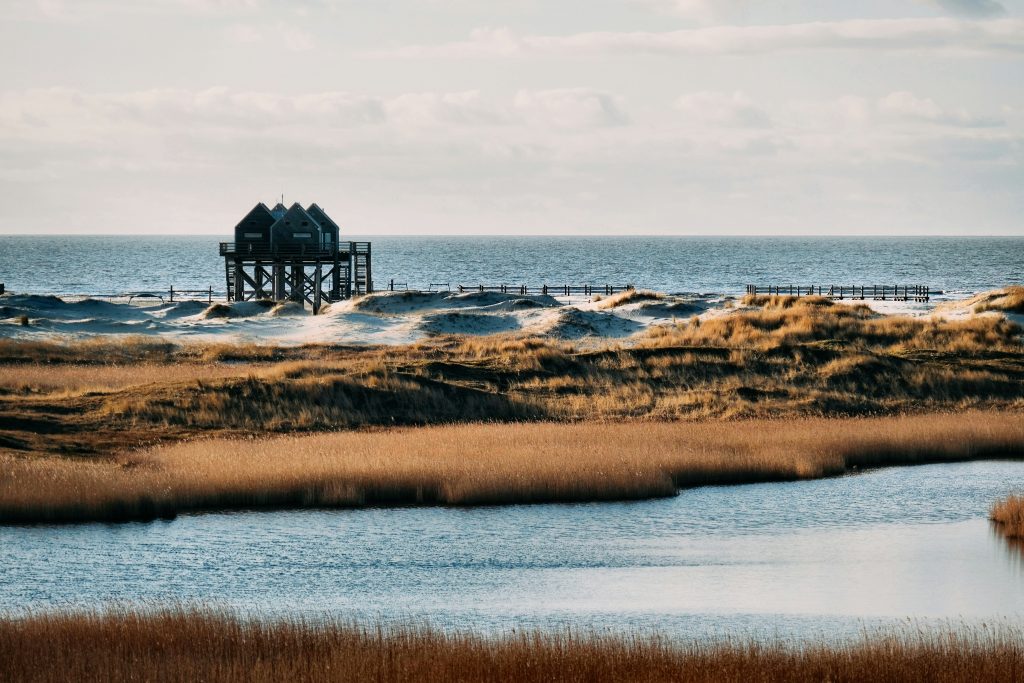
Sankt Peter-Ording is the strongest North Sea choice for travelers who value space, wind sports, and long walks. Its beach is unusually broad, with dunes, stilt buildings, and large open sections that feel very different from compact Baltic resorts.
The destination is divided into several districts. Bad has the strongest resort infrastructure and spa facilities. Dorf has a more traditional center. Ording is best known for beach access and water sports. Böhl is quieter and works well for slower family stays.
Travelers should choose accommodations based on the preferred district, not just the town name. Distances are larger than they first appear, and bicycles are often the easiest way to move between the center, beach access points, and nearby areas.
Regional trains connect Sankt Peter-Ording with Husum, which has onward connections toward Hamburg. Local buses help, but a bike or car gives travelers more flexibility.
Three to four nights works for a focused trip. Five nights is better for families who want a slower pace and a weather backup day.
Nearby options include Westerhever Lighthouse, the Eider Barrage, cycling routes, and guided Wadden Sea activities.
| Best for: Kiteboarding, windsurfing, active families, cycling, and long beach walks. |
| Ideal stay: 3 to 5 nights. |
| Getting there: Regional train via Husum, then local transportation or bicycle. |
| Main tradeoff: The spread-out layout is less convenient without a bike or car. |
3. Büsum: Best for Families and a Low-Stress North Sea Base
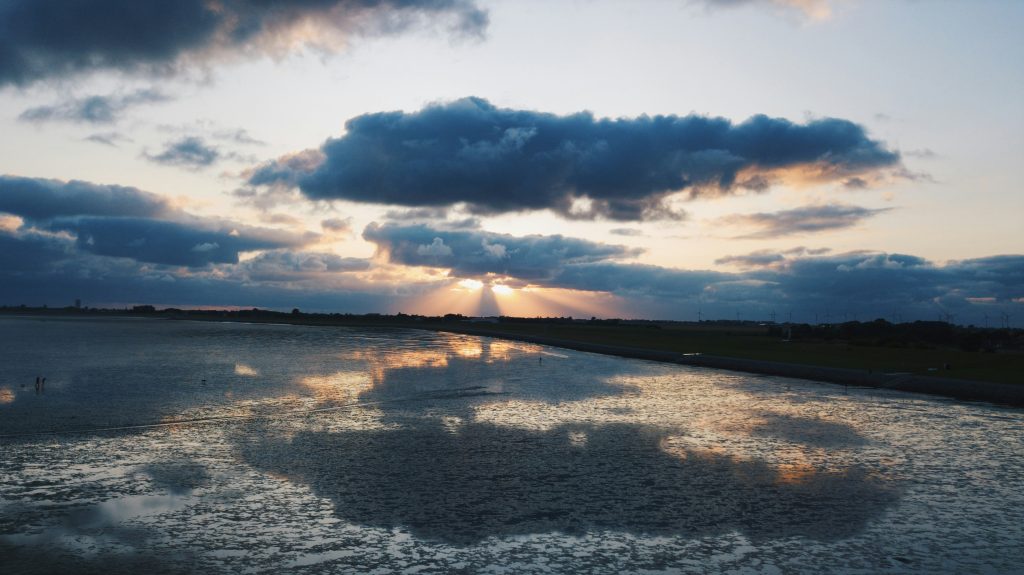
Büsum is one of the easiest North Sea towns for families with younger children. It combines a working harbor, a compact visitor center, family facilities, and the Familienlagune Perlebucht.
The protected lagoon reduces some of the limitations caused by North Sea tides. Families can plan beach time more easily than at destinations where the water retreats far from shore.
Büsum is generally simpler and less costly than Sylt. It also requires less logistical effort than an island stay. The tradeoff is that the beach setting feels more managed and less open than Sankt Peter-Ording or the East Frisian islands.
Travelers can reach Büsum by train from Hamburg with a change in Heide. Most of the central visitor area is manageable without a car.
Two to four nights is enough for the lagoon, harbor, boat trips, and a visit to the Phänomania science center. Longer stays work for families who prefer a stable base over moving between several coastal towns.
| Best for: Young families, first-time North Sea visitors, and travelers who prioritize practical infrastructure. |
| Ideal stay: 2 to 4 nights. |
| Getting there: Train via Heide, followed by a short local connection. |
| Main tradeoff: Travelers seeking a long natural sandy beach should choose Sankt Peter-Ording or an island instead. |
4. Norderney: Best for a Car-Light Island Holiday
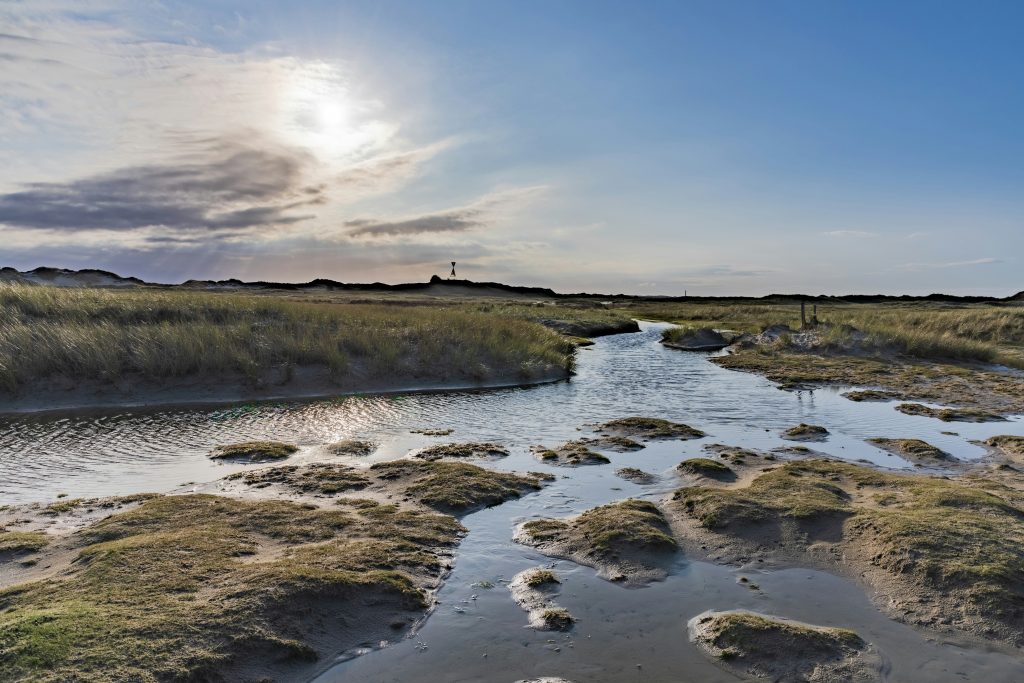
Norderney is one of the most accessible East Frisian islands. Ferries depart from Norddeich Mole, where the train station sits close to the harbor.
The main town is near the western end of the island and offers restaurants, accommodations, shops, and the bade:haus spa. Farther east, the island becomes quieter, with dunes, long beaches, and national park landscapes.
Private cars are restricted, so most visitors rely on bicycles, island buses, and walking. That makes Norderney a strong option for travelers who want to leave the car behind after arrival.
Three to five nights allows enough time for the town, the White Dune beach area, the lighthouse, and cycling into quieter parts of the island. A longer stay works for visitors focused on beach time and wellness.
The central area can feel busy, especially during holiday periods. Travelers seeking more solitude should stay outside the busiest center or plan to use a bike daily.
| Best for: Couples, cycling, wellness, and car-light travel. |
| Ideal stay: 3 to 5 nights. |
| Getting there: Train to Norddeich Mole, ferry to Norderney, then island bus or bicycle. |
| Main tradeoff: Reaching quieter beaches takes time from the central town. |
5. Borkum: Best for a Longer, More Independent Island Stay
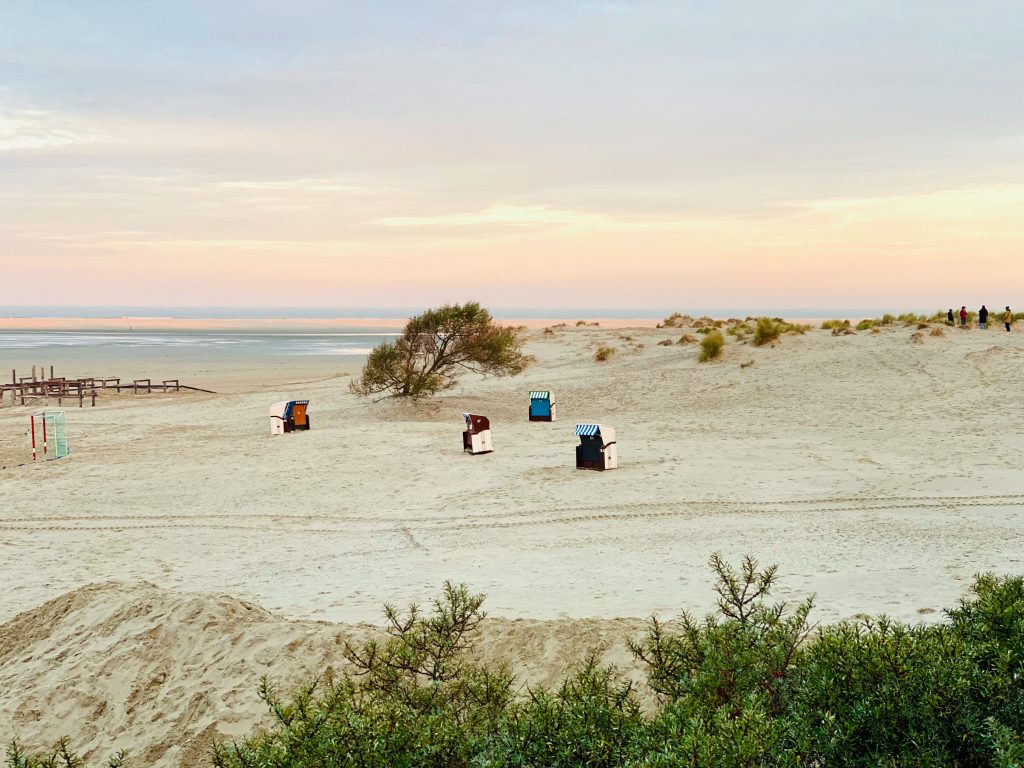
Borkum is the largest East Frisian island and has enough space and infrastructure for a full week. It suits families, cyclists, and repeat North Sea visitors who want a stronger sense of separation from the mainland.
Ferries operate from Emden and Eemshaven. After arrival, an island railway connects the harbor with the main town.
Borkum offers varied beach areas, a promenade, cycling routes, the New Lighthouse, and access to quieter eastern nature areas. Seal excursions and long rides across the island add variety beyond beach days.
The transfer requires more time than a trip to Norddeich or Cuxhaven. For that reason, four to seven nights makes more sense than a quick weekend.
Borkum is not the best choice for travelers trying to fit an island into a two-night itinerary. The journey takes effort, but the island rewards visitors who stay long enough to settle into a slower routine.
| Best for: Weeklong island trips, families, cyclists, and repeat North Sea travelers. |
| Ideal stay: 4 to 7 nights. |
| Getting there: Train to Emden or travel through Eemshaven, then ferry and island railway. |
| Main tradeoff: The transfer is too time-consuming for most short breaks. |
6. Cuxhaven: Best for Mudflat Experiences and Mainland Convenience
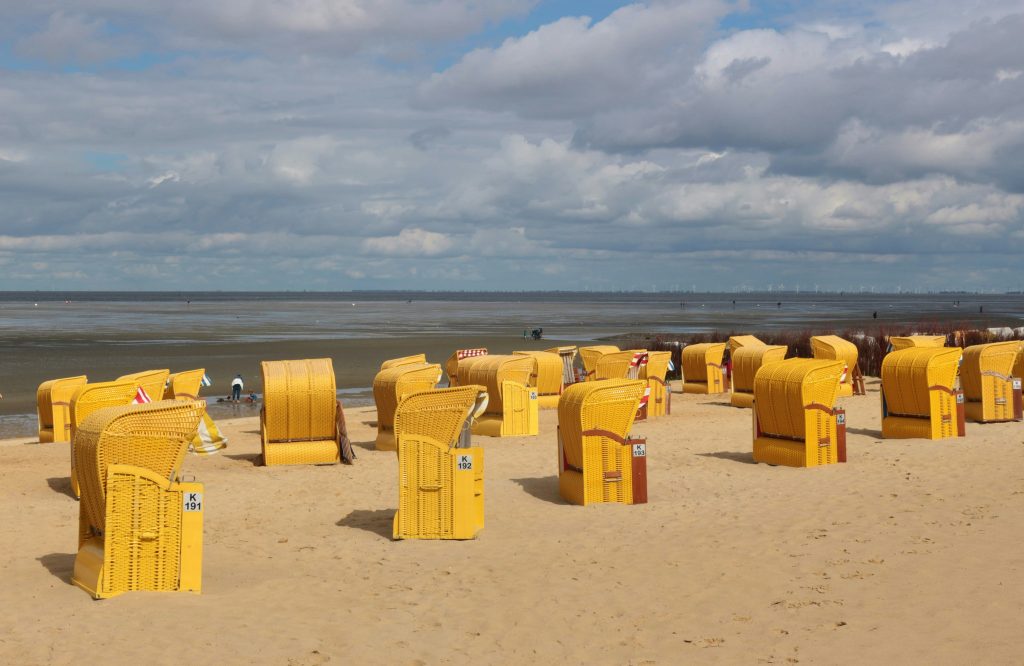
Cuxhaven is a larger coastal city with several resort districts rather than one compact beach town. Duhnen has the strongest resort setup, Döse is convenient for the Kugelbake and beach access, and Sahlenburg offers more forest and nature nearby.
The destination is one of Germany’s best bases for Wadden Sea activities. Guided mudflat walks and horse-drawn wagon trips toward Neuwerk are major draws, but travelers should never cross tidal areas without checking conditions and local guidance.
Cuxhaven is also practical for maritime interests. The Alte Liebe harbor platform, boat traffic, beach-chair areas, and the Kugelbake landmark give the trip more variety than a beach-only resort.
Rail connections from Hamburg and Bremen make Cuxhaven accessible without a ferry. A local bus or bicycle is useful because the resort districts are separated.
Two nights works for a short coast-and-harbor trip. Three or four nights allows time for a mudflat activity and one additional excursion.
| Best for: Wadden Sea activities, families, maritime interests, and mainland convenience. |
| Ideal stay: 2 to 4 nights. |
| Getting there: Rail from Hamburg or Bremen, then local bus or bicycle. |
| Main tradeoff: The city is practical rather than intimate, and accommodation location matters. |
7. Norddeich: Best for a Short Mainland Stay or Island Connection
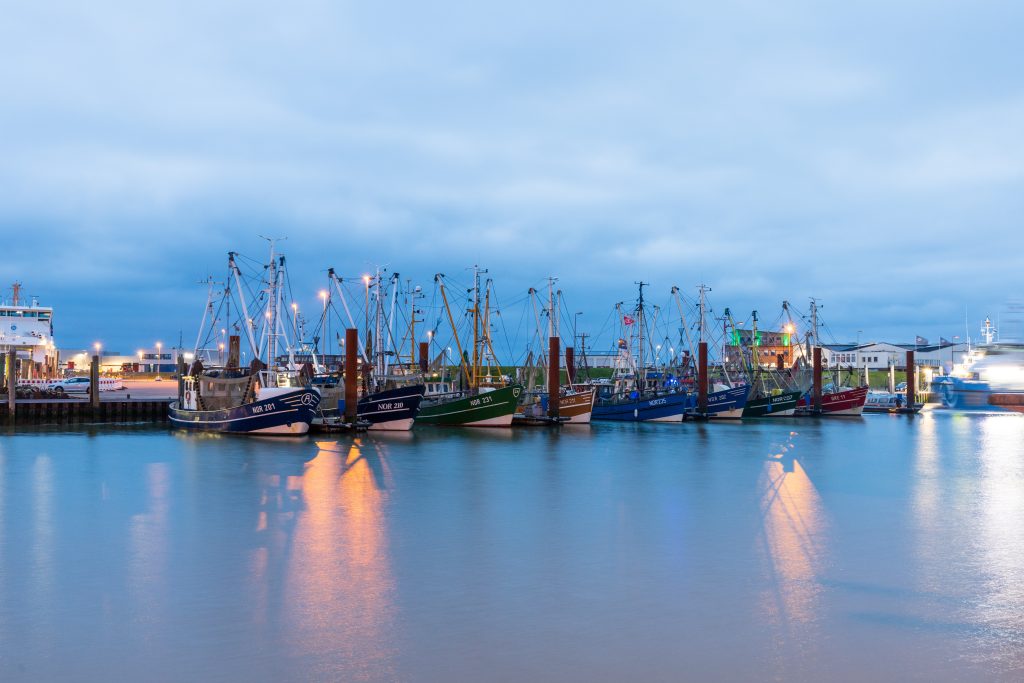
Norddeich works both as a simple beach destination and as the ferry gateway to Norderney and Juist. The direct rail station at Norddeich Mole makes it one of the easiest North Sea access points for train travelers.
The visitor area includes a family beach, harbor facilities, coastal cycling routes, and a seal sanctuary. Nearby Norden adds a historic center and additional dining and shopping options.
Norddeich is a good choice for a low-effort weekend or for one night before an island ferry. It is especially practical for families who want a compact base without committing to a longer island transfer.
Two to three nights is enough as a standalone trip. Travelers continuing to an island usually need only one night, depending on ferry schedules.
The main limitation is depth. Norddeich offers fewer reasons to stay for a full week than Norderney, Borkum, or Sankt Peter-Ording.
| Best for: Train travelers, young families, short trips, and ferry connections. |
| Ideal stay: 2 to 3 nights, or 1 night before a ferry. |
| Getting there: Direct rail to Norddeich Mole. |
| Main tradeoff: Norddeich is more practical than memorable as a long-stay destination. |
Best Baltic Sea Beach Towns in Germany
Baltic Sea towns are generally easier for traditional beach vacations, casual swimming, promenades, and city combinations. The destinations below cover Schleswig-Holstein, Mecklenburg’s mainland coast, Rügen, and Usedom.
8. Timmendorfer Strand: Best for an Easy Family Resort Trip
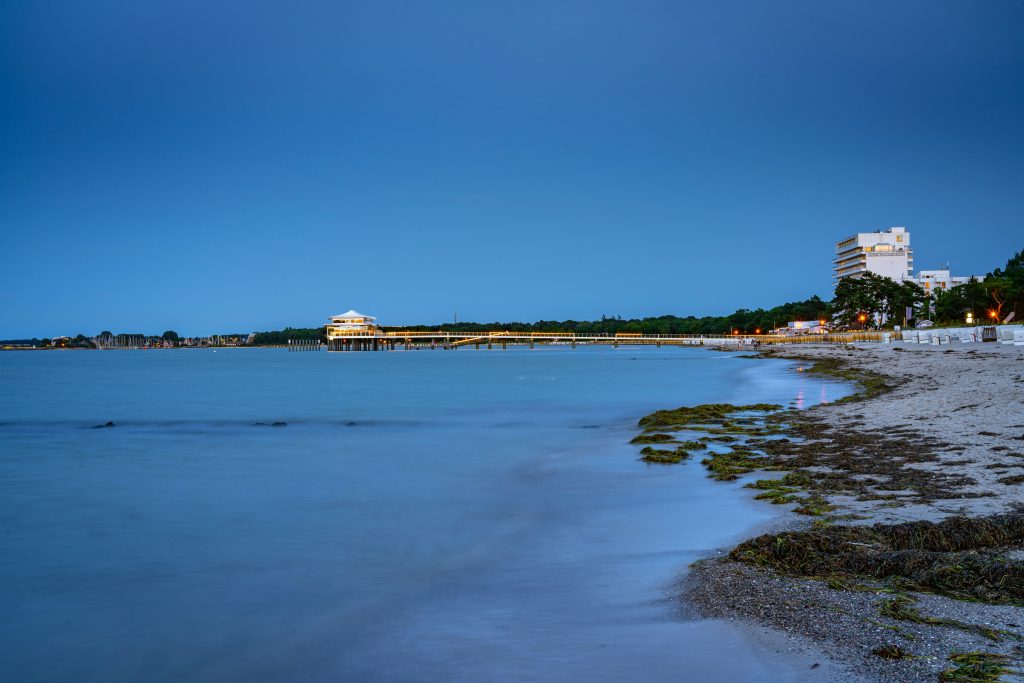
Timmendorfer Strand is one of the simplest Baltic Sea choices for families. The beach, promenade, restaurants, accommodations, and visitor services sit close together, which reduces daily logistics.
Central Timmendorfer Strand has the largest concentration of restaurants, shops, and resort facilities. Niendorf is quieter and has a harbor area with a more local feel.
The destination is accessible by train through Lübeck, with local buses connecting the station and neighboring areas. Travelers planning a car-free stay should book close to the beach or near a dependable bus route.
Two to four nights works for a weekend or short family break. A full week makes sense for travelers who want several beach days without changing locations.
Nearby options include SEA LIFE, Niendorf harbor, cycling routes, and a day trip to Lübeck.
Before choosing Timmendorfer Strand accommodation, check the walking route to the beach and the station or bus stop. The center works for families who want restaurants and services close together; Niendorf offers a quieter harbor setting with fewer central conveniences. A car-free weekend becomes less simple if a cheaper room requires a daily transfer.
| Best for: Families, first-time Baltic visitors, weekend trips, and travelers who want complete resort infrastructure. |
| Ideal stay: 2 to 4 nights, or up to 7 nights for a family holiday. |
| Getting there: Train via Lübeck, followed by local bus or taxi. |
| Main tradeoff: The central area is busy and expensive during summer weekends. |
9. Travemünde: Best for Combining Lübeck With the Beach

Travemünde is a maritime district of Lübeck rather than a separate resort town. It combines a beach, promenade, old harbor, ferry traffic, and easy access to Lübeck’s historic center.
Staying near the beach is best for travelers focused on swimming and beach walks. Staying closer to the Vorderreihe or old harbor works better for restaurants, boats, and maritime activity.
Regional trains connect Lübeck and Travemünde, making the destination one of the easiest coastal trips without a car. It also works well as part of a broader Lübeck and Baltic itinerary.
Two to three nights is usually enough. Travelers can divide the trip between the beach, Priwall peninsula, the Passat sailing ship, harbor cruises, and Lübeck’s old town.
Travemünde is best for visitors who want variety rather than a self-contained resort experience.
| Best for: Car-free weekends, couples, maritime activity, and combining culture with beach time. |
| Ideal stay: 2 to 3 nights. |
| Getting there: Regional train from Lübeck. |
| Main tradeoff: The beach is only one part of the destination, so it feels less resort-focused than Timmendorfer Strand. |
10. Kühlungsborn: Best All-Around Baltic Resort Town
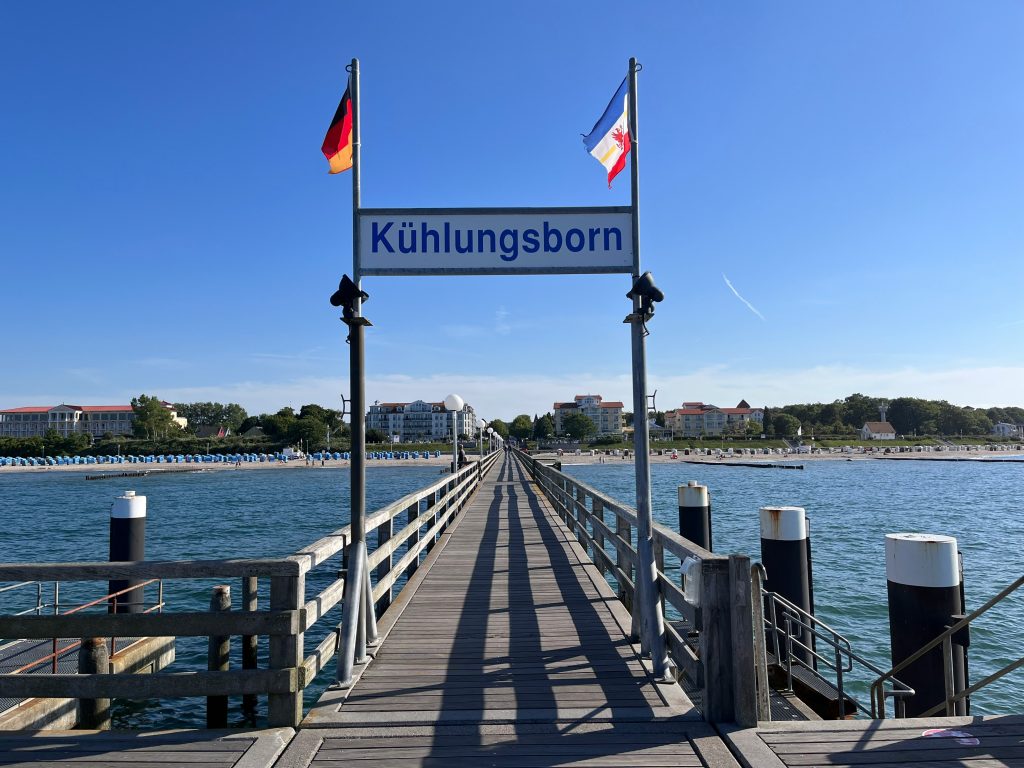
Kühlungsborn offers one of the strongest balances of beach, town services, nearby excursions, and family appeal on Germany’s Baltic coast. It has a long beach, a broad promenade, historic villas, a marina, and separate eastern and western centers.
The town works for families, couples, cyclists, and travelers who want a complete resort base without island logistics. Restaurants and accommodations are spread along the coast, so location matters.
The Molli narrow-gauge railway links Kühlungsborn with Heiligendamm and Bad Doberan. Other nearby options include Bastorf Lighthouse, coastal cycling routes, and Bad Doberan Minster.
Three to five nights is enough for a first visit. A full week works for families or travelers who want several beach days and slower excursions.
Kühlungsborn is one of the safest recommendations for a first Baltic Sea trip because it offers enough variety without requiring complicated transportation.
| Best for: Families, couples, cyclists, and travelers seeking a balanced resort base. |
| Ideal stay: 3 to 5 nights, or up to 7 nights. |
| Getting there: Mainline rail to Bad Doberan, then the Molli narrow-gauge railway or a regional bus connection to Kühlungsborn. |
| Main tradeoff: The long linear layout makes accommodation location important, especially without a bicycle. |
11. Warnemünde: Best for a Rostock City and Beach Combination
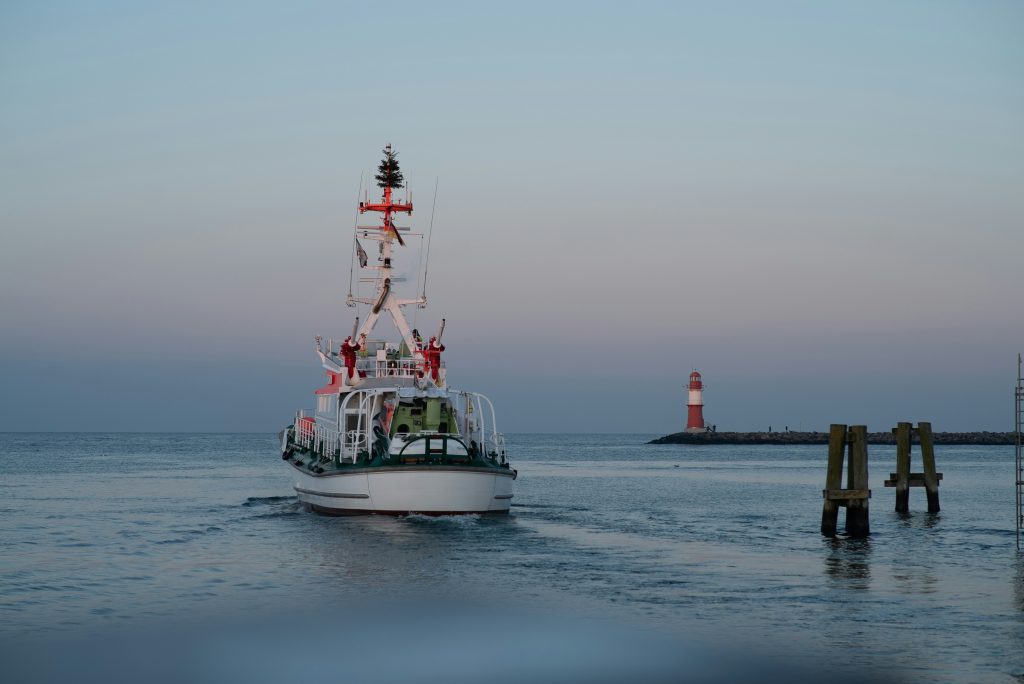
Warnemünde combines a wide Baltic beach with the Alter Strom canal, lighthouse, fish boats, restaurants, and easy access to Rostock. The S-Bahn connection makes it practical for train travelers.
The town has a lively maritime character and more activity than a quiet resort. Cruise ship arrivals can add heavy foot traffic on busy days, especially around the harbor and central promenade.
Warnemünde works well for travelers who want beach time without giving up museums, shopping, restaurants, and city options. Rostock’s historic center is an easy addition, while harbor cruises and westward cycling routes provide coastal alternatives.
Two to three nights is enough for the beach, harbor, lighthouse, and a Rostock visit. Travelers who want a broader regional base can stay longer and use the rail network.
| Best for: Train travelers, short breaks, maritime atmosphere, and city-beach combinations. |
| Ideal stay: 2 to 3 nights. |
| Getting there: S-Bahn from Rostock. |
| Main tradeoff: Warnemünde is one of the busiest German coastal destinations and can feel crowded on cruise days. |
12. Binz, Rügen: Best for a Classic Seaside Resort Base
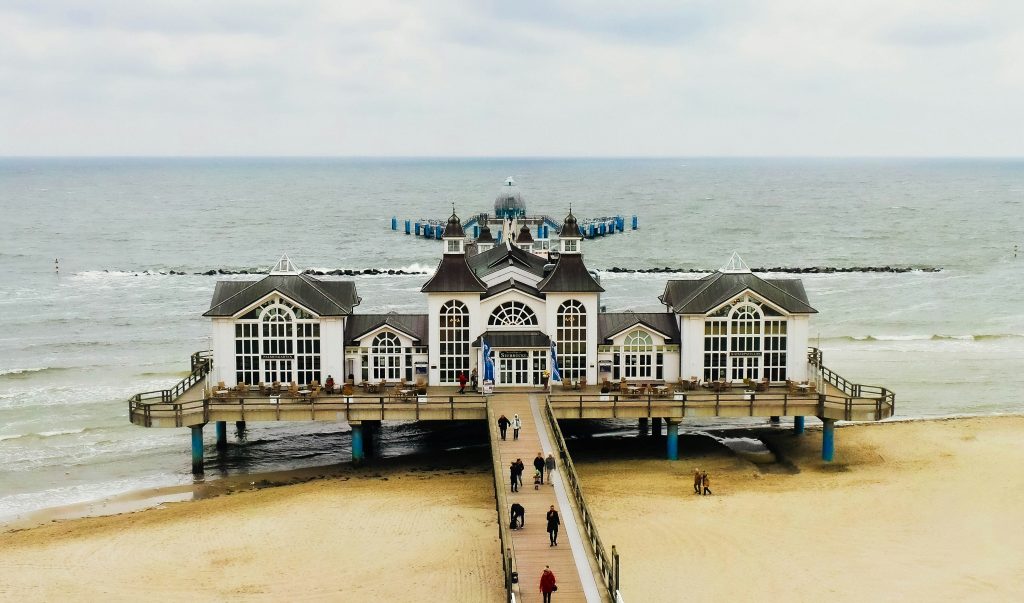
Binz is one of Rügen’s main visitor hubs. It has a long beach, pier, promenade, resort architecture, restaurants, and enough transportation links to support island excursions.
The town is a strong first base for exploring Rügen. Jasmund National Park, Königsstuhl, Prora, Granitz Hunting Lodge, and the Rasender Roland railway are all practical additions to a beach trip.
Travelers can reach Binz by direct or one-change trains from several northern German cities. Regional buses and local rail connections help with island travel, although some excursions are easier with a car.
Four to six nights is the right range for most visitors. The journey is substantial enough that a two-night stay rarely makes sense, especially for travelers planning more than one Rügen excursion.
Binz offers convenience and broad services, but it is not the quietest place on the island.
When comparing stays in Binz, weigh an easy arrival from the station against a location nearer the beach or promenade. Binz suits a first Rügen trip with several excursions; travelers willing to trade services for a smaller resort should compare Sellin. Check each property against the outings you actually plan, especially if you will rely on local transport.
| Best for: First-time Rügen visitors, couples, beach walks, and full-service island stays. |
| Ideal stay: 4 to 6 nights. |
| Getting there: Direct or one-change rail, then local bus or train for excursions. |
| Main tradeoff: Binz is heavily visited and can feel crowded in summer. |
13. Sellin, Rügen: Best for a Smaller Rügen Resort With Good Excursions
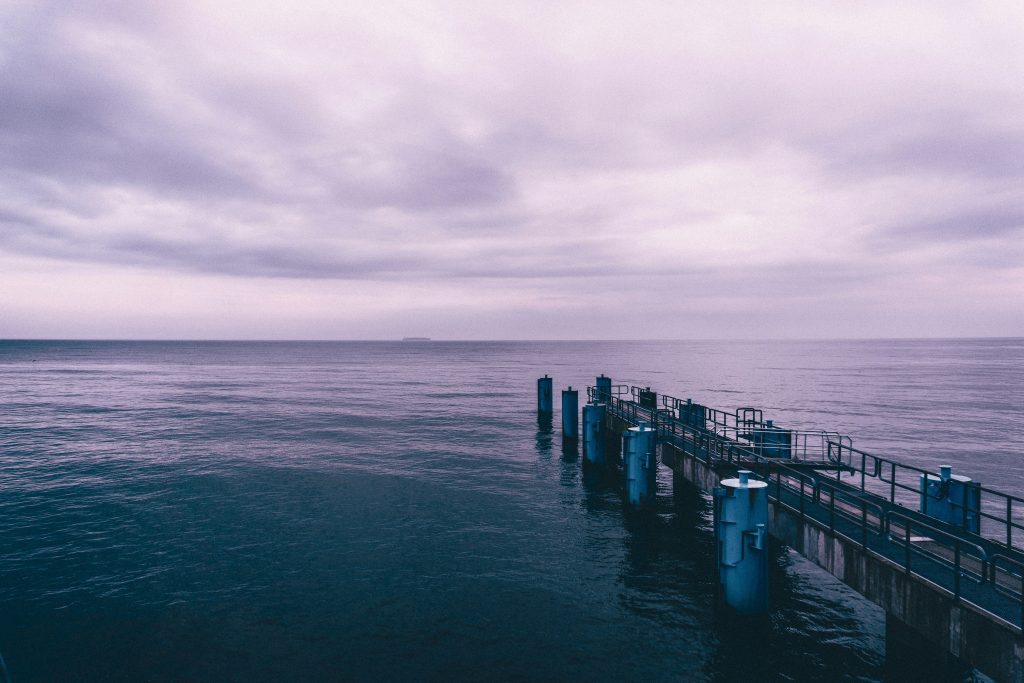
Sellin is smaller and quieter than Binz, with a hilltop center, a well-known pier, a main beach, and a separate South Beach area. It works well for travelers who want access to southeast Rügen without staying in the island’s busiest resort.
The Rasender Roland railway and regional buses connect Sellin with Binz, Göhren, Baabe, and Granitz. Cycling routes also extend toward the Mönchgut peninsula.
Three to five nights gives travelers enough time for beach days, the pier, Granitz forest, and one or two nearby towns.
Sellin’s main drawback is topography. The slope between town and beach can be inconvenient for strollers, mobility limitations, or repeated trips during the day.
The town is a better fit for couples, walkers, and public-transportation users than for families who need effortless beach access.
| Best for: Couples, walkers, smaller-resort stays, and southeast Rügen excursions. |
| Ideal stay: 3 to 5 nights. |
| Getting there: Regional bus or Rasender Roland railway. |
| Main tradeoff: Steep beach access can make daily logistics difficult. |
14. Zinnowitz, Usedom: Best for a Relaxed Family Stay on Usedom
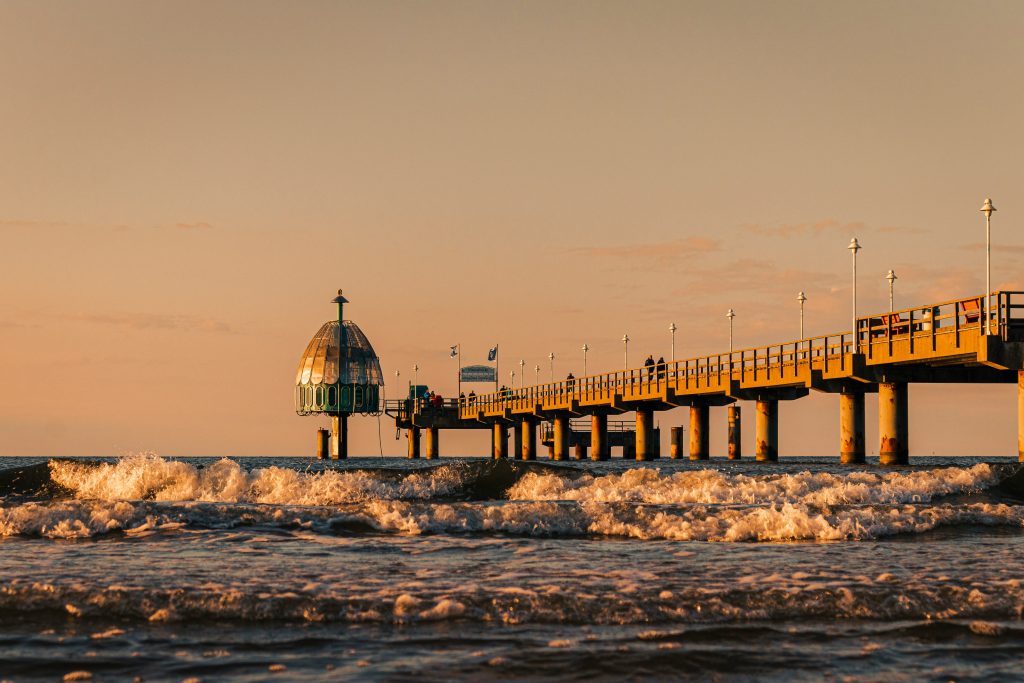
Zinnowitz offers a broad beach, pier, promenade, family facilities, and a more moderate scale than Heringsdorf or Ahlbeck. It is one of the best Usedom bases for families who want a quieter stay without giving up restaurants and basic entertainment.
The Usedom island railway makes it possible to explore neighboring resort towns without driving. That is especially useful during peak summer periods when traffic and parking can become frustrating.
A four-to-seven-night stay works best. Usedom rewards a slower trip with several beach days, cycling, and one or two excursions.
Nearby options include the Bernsteintherme, Trassenheide, coastal cycling routes, and the Peenemünde Historical Technical Museum.
Zinnowitz has fewer grand architectural landmarks and fewer high-end choices than the imperial spa towns farther east. That is also part of its appeal for travelers seeking a less formal base.
| Best for: Families, weeklong stays, train-based island travel, and a moderate resort scale. |
| Ideal stay: 4 to 7 nights. |
| Getting there: Usedom island railway, then walking or local transportation. |
| Main tradeoff: Zinnowitz has fewer major sights and dining choices than Heringsdorf and Ahlbeck. |
15. Heringsdorf and Ahlbeck, Usedom: Best for Seaside Architecture and Car-Free Exploring
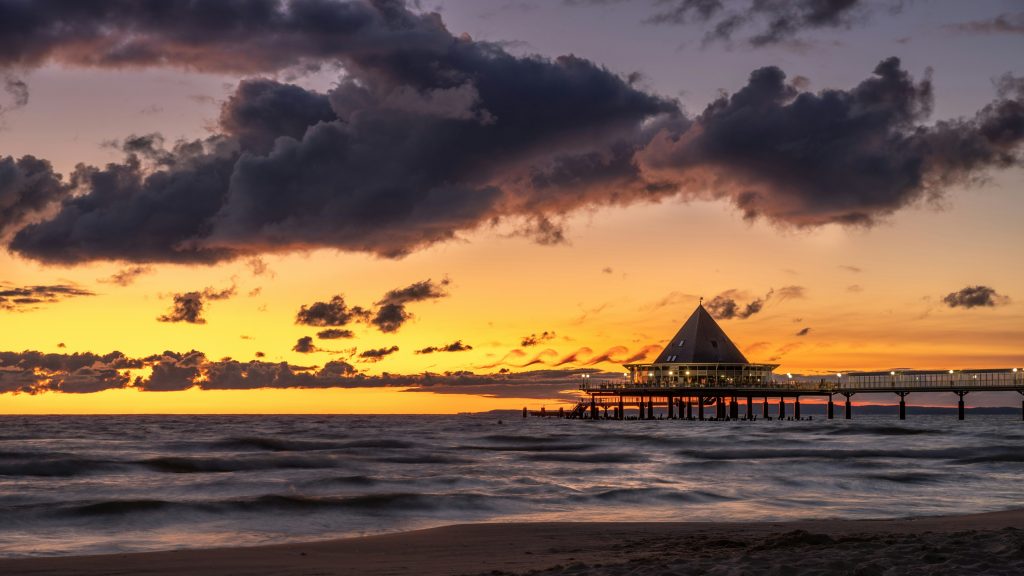
Heringsdorf and Ahlbeck are adjacent resort bases connected by a long promenade. Each has its own center and pier, but travelers can move easily between them by bicycle, local train, or on foot.
The area is known for imperial spa architecture, a wide sandy beach, restaurants, and access to several neighboring resorts. The promenade continues toward Bansin and across the border toward Świnoujście in Poland.
The Usedom rail network makes car-free exploring practical. During peak season, trains and bicycles are often easier than driving between resort towns.
Four to six nights allows time for both towns, beach days, Bansin, Świnoujście, and nearby lakes or forest routes.
Heringsdorf and Ahlbeck work best for couples, architecture-focused travelers, and visitors who want more dining and accommodation choices than Zinnowitz provides.
| Best for: Couples, architecture, resort hopping, and car-free island travel. |
| Ideal stay: 4 to 6 nights. |
| Getting there: Usedom island railway, with local trains and bicycles for nearby towns. |
| Main tradeoff: Summer prices and visitor numbers are high, and the area feels more formal than Zinnowitz. |
Best Beach Towns by Trip Type
Best for Families With Young Children
Timmendorfer Strand and Kühlungsborn are the strongest all-around Baltic choices because the beaches, promenades, restaurants, and family services sit close together. The calmer Baltic water also makes casual swimming easier.
Büsum is the most practical North Sea choice for younger children because the Familienlagune Perlebucht reduces dependence on tides. Zinnowitz is better for families planning a full week on Usedom.
Best for Water Sports and Active Trips
Sankt Peter-Ording is the clearest choice for kiteboarding, windsurfing, cycling, and long walks. Its scale and exposed conditions suit active travelers better than visitors looking for easy swimming.
Sylt also works for surfing, cycling, and beach activity. Norderney is a strong choice for cycling-based island trips, although conditions and instruction availability should always be checked before arrival.
Best for Relaxing Coastal Breaks
Sellin, Zinnowitz, Norderney, and Kühlungsborn work well for slower trips. Sellin and Zinnowitz feel smaller than the largest resorts, while Norderney offers a strong mix of wellness and nature.
Travelers should distinguish between genuinely quieter towns and busy resorts that only feel calm outside July and August.
Best for Easy Train Access
Westerland is the easiest island town to reach directly by train. Warnemünde and Travemünde have simple regional connections to Rostock and Lübeck.
Norddeich is one of the most convenient North Sea rail destinations because the station sits at the ferry harbor. Binz also has strong rail access, although island excursions may still require buses or local trains.
Best for a First German Beach Trip
Kühlungsborn offers the most balanced Baltic experience, with a strong beach, resort services, excursions, and manageable logistics. Sankt Peter-Ording provides the clearest North Sea contrast through tides, broad landscapes, and wind sports.
First-time visitors should choose one coast deliberately rather than expecting the North Sea and Baltic Sea to offer the same type of beach trip.
When to Visit Germany’s Beach Towns
May and June: Better Value and Longer Days
May and June offer long daylight hours, lower accommodation prices, fewer crowds, and strong conditions for cycling and walking. These months are often better for active trips than for swimming.
Sea temperatures remain cool, and some seasonal services may operate on reduced schedules. June is usually the stronger compromise for travelers who want beach time without peak-season pressure.
July and August: Best Beach Weather, Highest Demand
July and August provide the best odds of warm weather and comfortable swimming. They also bring the highest accommodation prices, busiest promenades, heavier traffic, and tighter ferry and train availability.
Families should book early for German school-holiday periods. Island apartments, family rooms, ferries, and popular resort hotels can fill several months ahead.
September: Strong for Couples and Active Travelers
Early September can still provide good beach days with fewer families and better accommodation availability. Cycling, walking, and restaurant access remain strong in most major resorts.
Later September brings cooler evenings, shorter days, and more variable weather. It is a better month for couples and active travelers than for families planning a swimming-focused trip.
October Through April: Coastal Atmosphere Without a Beach Vacation
The off-season works for walks, wellness stays, storm watching, lower prices, and quieter towns. It should not be treated as a conventional beach vacation.
Smaller restaurants and attractions may close or reduce hours. Travelers visiting outside summer should choose the town for its spa, restaurants, and excursions, not only for the beach.
How Long to Stay and How to Plan the Trip
Two Nights: Mainland Weekend Breaks
Travemünde, Warnemünde, Büsum, Norddeich, and Timmendorfer Strand are efficient for two-night trips. They have manageable transportation and enough nearby activity for a short stay.
Island transfers can consume too much of a two-night itinerary unless schedules align perfectly. Westerland is the main exception because the train reaches the island directly.
Three to Four Nights: Most Beach Town Trips
Three to four nights is enough for beach time, one weather backup day, and one nearby excursion. This duration works especially well for Sankt Peter-Ording, Norderney, Kühlungsborn, and Sellin.
It also gives travelers more flexibility when coastal weather changes quickly.
Five to Seven Nights: Islands and Family Vacations
Sylt, Borkum, Rügen, and Usedom justify longer stays. A full week reduces pressure from poor weather and allows several beach days, cycling routes, and day trips.
Families also benefit from a slower schedule because changing accommodations or managing island transfers adds effort.
Practical Booking and Transportation Notes
Accommodation location often matters more than hotel category in spread-out coastal towns. Travelers should book near the preferred beach district, station, ferry harbor, or promenade rather than relying only on the town name.
For a week on Usedom, compare Zinnowitz stays by the walk to the beach and the island railway, not just the resort name. Zinnowitz suits families planning several beach days and train trips along the coast. Heringsdorf or Ahlbeck is a better fit when dining choice and resort architecture matter more; Zinnowitz offers fewer of both.
Other planning considerations include:
- Local visitor taxes and beach access cards
- Parking limits in resort centers
- Ferry reservations and seasonal timetables
- Bicycle rental availability
- Seasonal bus schedules
- Exact walking distance from accommodation to the beach
- One indoor or city-based backup activity
Before booking, travelers should verify ferry times, beach access rules, local visitor taxes, and seasonal transportation on official destination or transport websites.
Germany’s coastal weather can change quickly. A flexible itinerary works better than scheduling every day around swimming.
A custom map showing all 15 towns, nearby rail hubs, and ferry gateways would make this guide easier to save and use during trip planning.