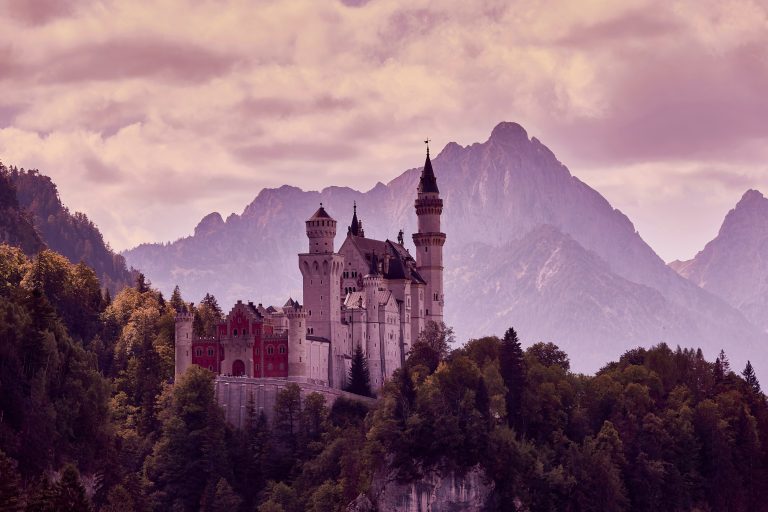
Rhine River Cruise Itinerary Through Germany
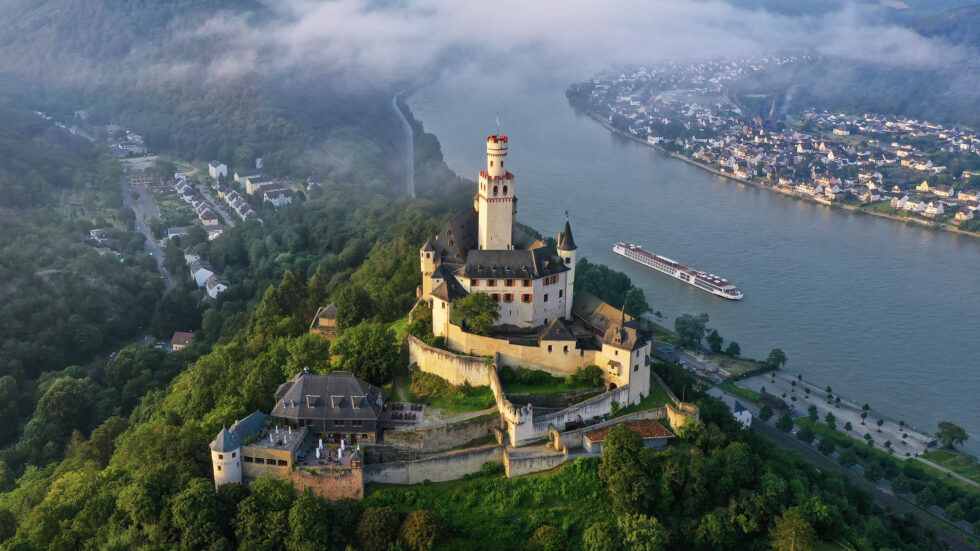
A Rhine River cruise typically runs from Amsterdam in the Netherlands to Basel in Switzerland, but the core of the journey is in Germany. The most important section is the German Rhine between Cologne, Koblenz, the Upper Middle Rhine Valley, Rüdesheim, and Mainz, where the scenery, castle density, and port stops become noticeably more rewarding.
This is not a cruise in the ocean-liner sense. River ships are smaller, port calls are frequent, and the pace is built around scenery and short onshore visits rather than resort-style downtime. This guide breaks down the route, explains what is actually worth paying attention to on the German stretch, compares the major cruise lines, and shows when a train or car may be the better choice.
Route Overview: Amsterdam to Basel at a Glance
|
Stop |
Country |
Typical Day |
Key Reason to Note |
|---|---|---|---|
|
Amsterdam |
Netherlands |
Days 1–2 |
Embarkation; canal city staging ground |
|
Cologne |
Germany |
Day 3–4 |
First major German port; Cologne Cathedral |
|
Koblenz |
Germany |
Day 5 |
Rhine-Moselle confluence; Ehrenbreitstein |
|
Upper Middle Rhine Valley |
Germany |
Day 5–6 |
UNESCO gorge; castle density; Loreley |
|
Rüdesheim |
Germany |
Day 7 |
Wine town; Rheingau region |
|
Mainz |
Germany |
Day 8 |
Southern German anchor; Romanesque cathedral |
|
Basel |
Switzerland |
Day 8–9 |
Disembarkation point; Rhine Promenade |
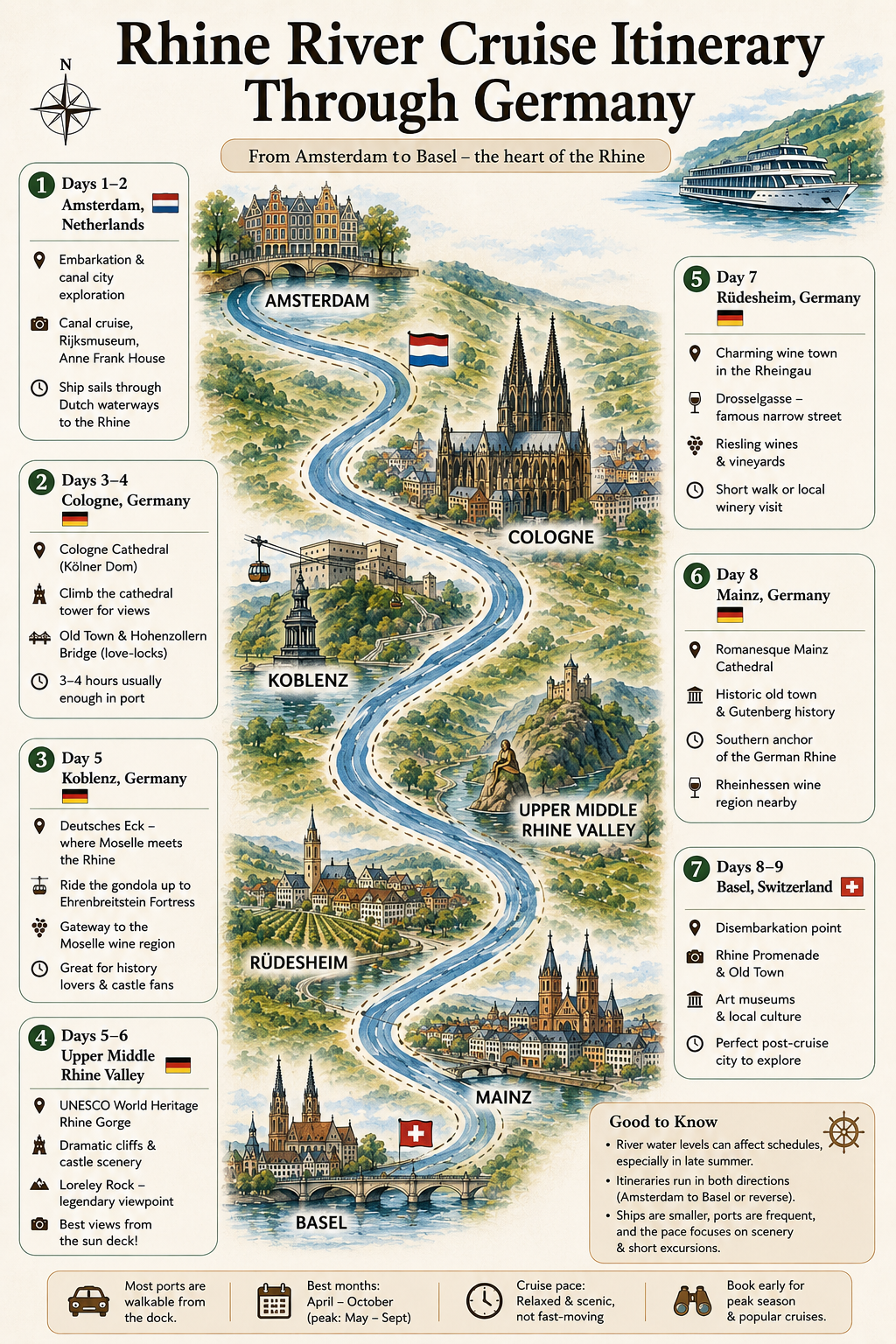
Most commercial Rhine River cruise itineraries run between 7 and 15 days, depending on departure point, pace, and whether extended excursions are included. Cruises run in both directions. Basel to Amsterdam is equally common and offers different visual logic — arriving into the gorge section rather than departing it.
One practical detail most overview articles skip: river water levels can affect scheduling, particularly in late summer. Low water on the Rhine has caused itinerary changes and bus transfers on multiple occasions across operators. It is worth asking about contingency policies before booking.
If the main goal is to experience the most scenic and historically important part of a Rhine River cruise, focus on the German stretch between Cologne and Mainz, especially the Upper Middle Rhine Valley between Koblenz and Bingen. Amsterdam and Basel work well as start and end points, but Germany is where the cruise becomes visually distinctive and most worth the cost.
The Netherlands Leg: Amsterdam as a Starting Point
Amsterdam functions as a staging ground rather than a destination on most Rhine River cruise itineraries. Most packages include one or two nights dockside in the city, often with a canal orientation tour built into the package.
The ship does not sail the Rhine immediately on departure. It travels through Dutch waterways and connecting canals before reaching the German border, where the Rhine proper begins.
For most travelers, Amsterdam is a useful embarkation point rather than the reason to book the cruise. It works well enough as a pre-cruise staging ground, but the real value of the itinerary begins once the ship reaches Germany.
Germany: Cologne and the Northern Rhine
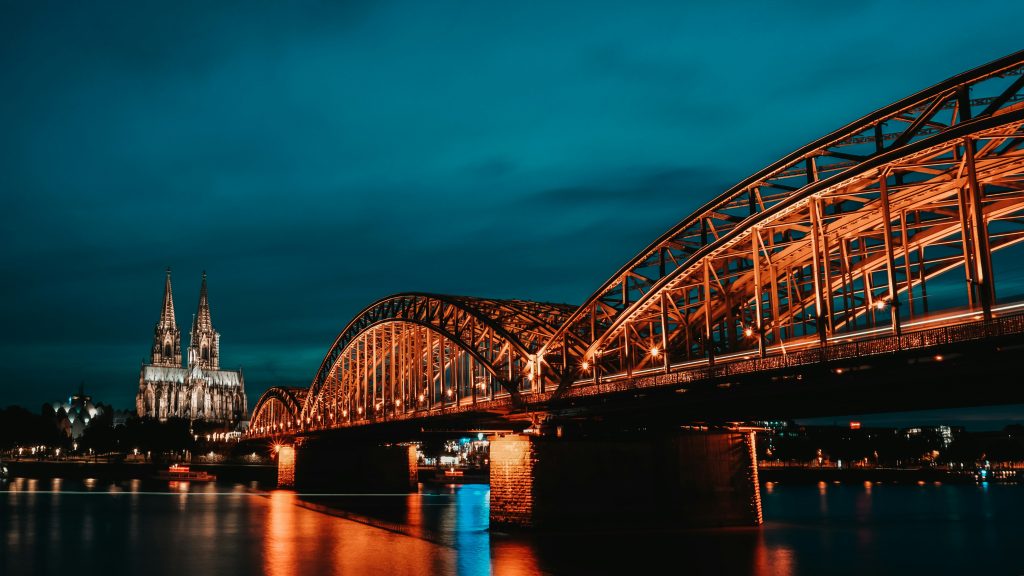
Cologne is the first major German port call and the most urban stop on the entire itinerary. The Cologne Cathedral (Kölner Dom) dominates the riverbank and is within easy walking distance of where cruise ships dock. It is one of the tallest Gothic structures in the world and took over six centuries to complete.
Climbing the cathedral tower is worth considering for the views. From the top, travelers can orient themselves to the river corridor ahead and get a sense of the scale of the city relative to the Rhine below.
The old town and the Hohenzollern Bridge — covered in padlocks across its railings — are both reachable on foot within a few minutes of the dock. Three to four hours in Cologne is typically enough to see the main landmarks without feeling rushed.
The river between Cologne and Koblenz is flatter and less dramatic than many first-time cruisers expect. It is pleasant, but it is not the Rhine most people have in mind when they book this trip. The more cinematic section starts only once the ship reaches Koblenz and turns into the gorge country farther south.
Cologne Beverage Tip: While in port, skip the international hotel bars and find a traditional Brauhaus (like Früh am Dom). Order a Kölsch—the city’s signature light, top-fermented beer. It is served in small 0.2L glasses called Stangen. Don’t be surprised when the waiter (the Köbes) brings another one without asking; they will keep coming until you place a coaster over the top of your glass to signal you’ve had enough.
Germany: Koblenz and the Confluence
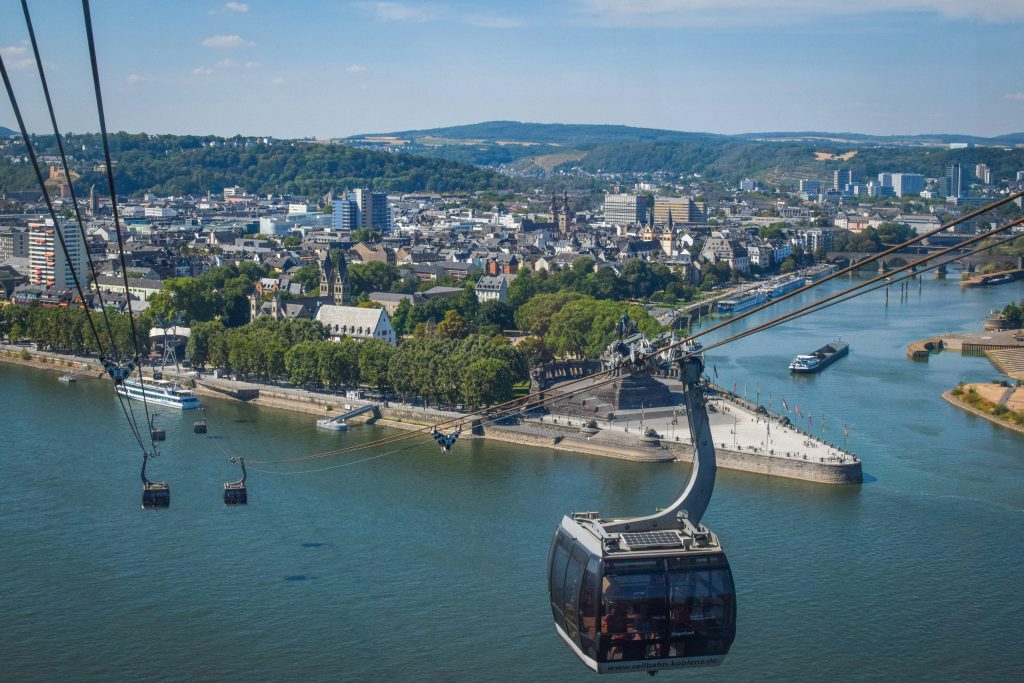
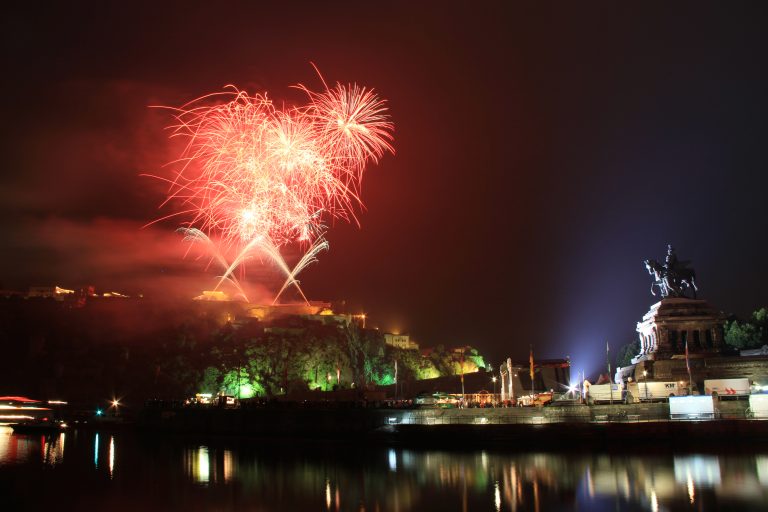
Koblenz sits at the Deutsches Eck — the point where the Moselle River flows into the Rhine. The confluence is visible from the river itself and is one of the most photographically clear geographical features on the entire route.
Above the town sits Ehrenbreitstein Fortress, one of the largest preserved fortresses in Europe. It is accessible by gondola from the riverbank and offers elevated views of both rivers meeting below. The fortress adds meaningful context to the Rhine’s historical role as a defensive corridor through central Europe.
Koblenz is also used as a hub for Moselle Valley excursions on longer itineraries. Travelers with extra days or flexible packages sometimes take a day trip into the Moselle wine region from this port.
History-focused travelers and castle enthusiasts tend to get the most from a Koblenz port stop. Those whose primary interest is the gorge scenery may find it more rewarding to remain on deck as the ship moves south toward the Upper Middle Rhine Valley.
Travelers with extra time should also consider extending into the Mosel River from Koblenz, since it offers a different and often quieter wine-and-castles experience.
Germany: The Upper Middle Rhine Valley (The Core of the Cruise)
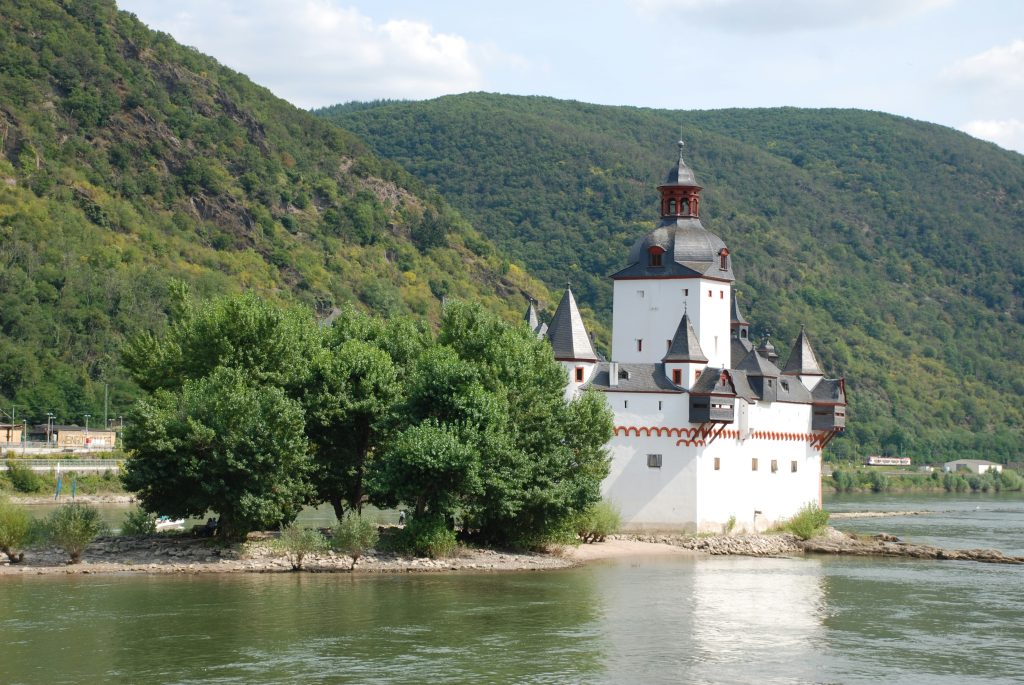
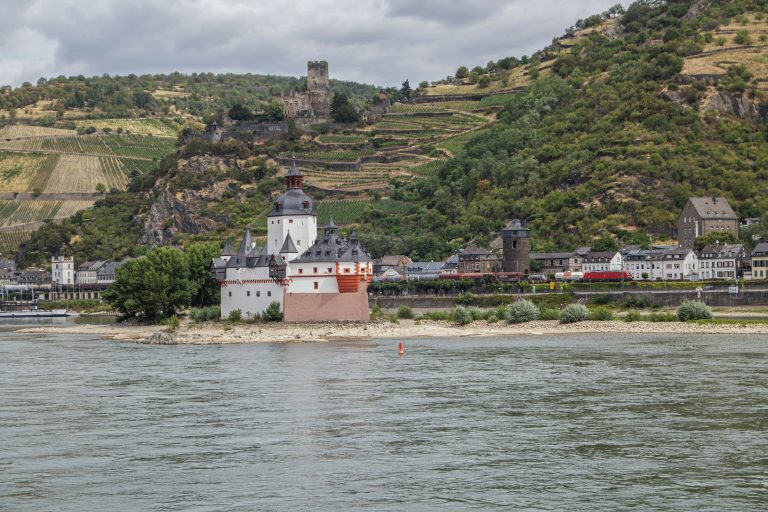
The 65-kilometer stretch between Koblenz and Bingen is the reason most travelers book a Rhine River cruise in the first place. This UNESCO World Heritage section is the visual and historical centerpiece of the entire itinerary. Everything before it is approach; everything after it is tapering off.
Navigation Tip: If you are cruising southbound (toward Basel), the most famous castles and the Loreley Rock will primarily appear on your left (port) side. If you are cruising northbound (toward Amsterdam), look to your right (starboard) side. While both sides are stunning, positioning yourself on the correct side of the deck early can save you from constantly crossing back and forth during the peak gorge passage.
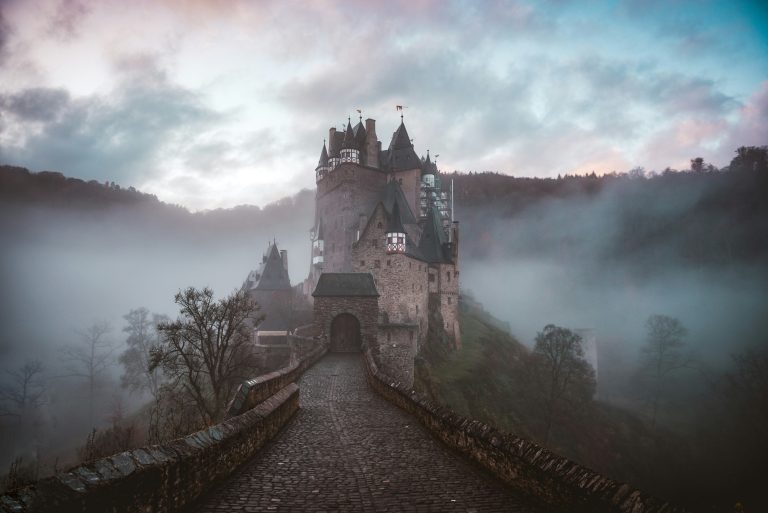
From the river, passengers see over 40 castles and fortresses on the surrounding hillsides. The valley walls rise steeply on both sides, vineyards cover the slopes between ruins, and the river narrows into a corridor that feels fundamentally different from the open northern Rhine. Small wine villages — Bacharach, Oberwesel, St. Goar — sit at water level between the crags. Travelers who want to go deeper into the actual fortifications along this stretch should also see the guide to the best castles on the Rhine River.
The Loreley Rock is one of the most identifiable landmarks in this section. It rises 132 meters above the river at a point where the Rhine narrows sharply, creating historically treacherous navigation conditions. The Loreley is a slate rock formation, not a ruin or a castle. Travelers who arrive expecting a structure are often confused. It is the shape of the cliff itself, and the mythology surrounding it, that gives it its reputation.
Marksburg Castle, visible above the town of Braubach, is the only fully preserved medieval castle on the Middle Rhine. It was never destroyed or significantly rebuilt. Some itineraries include a port call at Braubach, allowing passengers to visit Marksburg on foot. It is the best opportunity on the entire cruise to enter a genuinely intact medieval fortification.
Staying on deck through this entire section is the most consistent piece of advice travelers give after completing the cruise. Missing the gorge passage for lunch is a common regret. The best light depends on direction of travel: morning light favors southbound passengers, while late afternoon light tends to benefit those heading north toward Amsterdam.
Germany: Rüdesheim and the Rheingau
Rüdesheim is a standard Rhine port call. It is compact, heavily visited, and built almost entirely around wine tourism. The Drosselgasse — a short, narrow lane lined with wine taverns and Riesling shops — is the main pedestrian draw and fills up quickly when cruise ships are in port simultaneously.
Rüdesheim works best for travelers who want an easy, highly walkable port stop without much planning. It is less rewarding for anyone looking for depth or a quieter experience, since the town is heavily shaped by cruise and wine-tourism traffic.
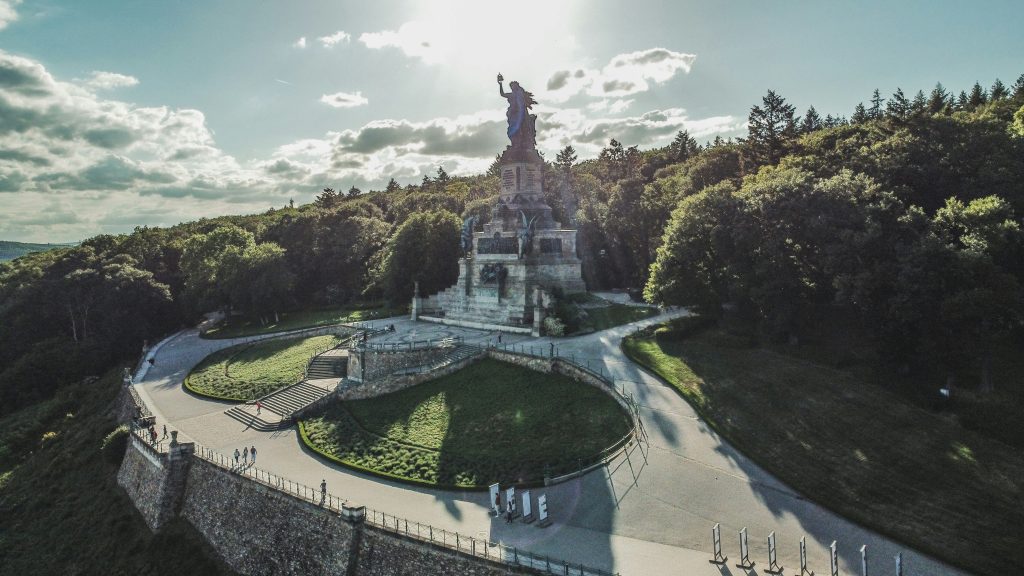
The Niederwalddenkmal, a large monument to German national unity, sits above the town and is reachable by gondola. It offers views over the Rheingau wine region and the bend where the Rhine turns west. The gondola ride itself provides a useful aerial perspective on the landscape.
Wine-focused travelers will find the broader Rheingau region more interesting than Rüdesheim town. This is Riesling country, and some cruise operators include winery visits or structured tastings as optional excursions here.
Germany: Mainz as the Southern Anchor
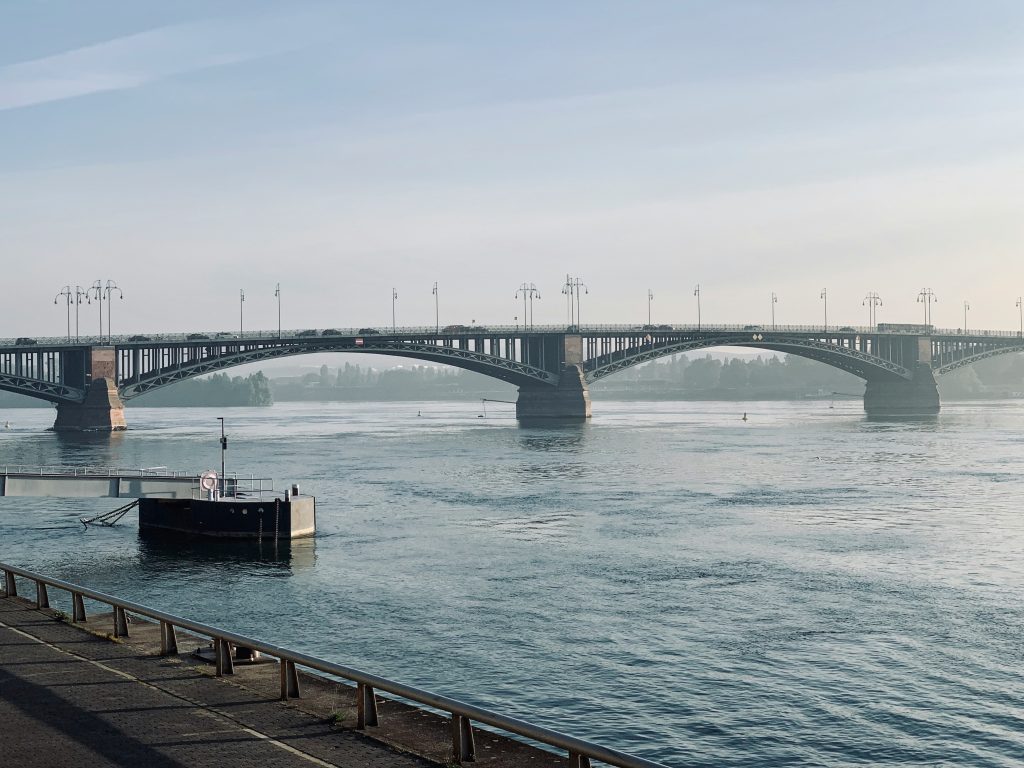
Mainz marks the practical end of the German Rhine on most itineraries. After Mainz, the river enters a broader floodplain before crossing briefly into France (through Alsace) and then reaching Switzerland.
The Mainz Cathedral (Mainzer Dom) is a Romanesque structure that dates to the tenth century, with significant medieval additions. It is one of the finest examples of Romanesque cathedral architecture in Germany and is a short walk from the docks.
The Gutenberg Museum is a secondary but genuinely substantive stop. Johannes Gutenberg was born in Mainz, and the museum holds two original Gutenberg Bibles, making it more than a regional curiosity.
Mainz also functions as an embarkation and disembarkation point for shorter itineraries focused only on the German Rhine. Travelers who want the core of the cruise experience without the full Amsterdam-to-Basel commitment can sometimes book segments that begin or end here.
Switzerland: Basel as the End Point
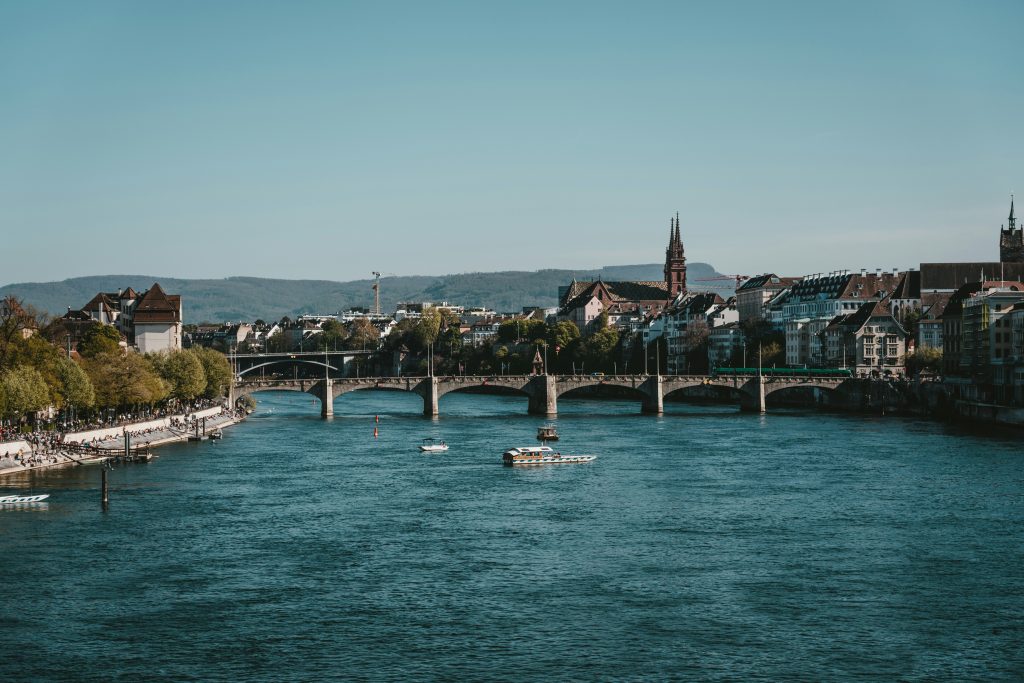
Basel closes the itinerary rather than defining it. For most travelers, the German section has already delivered the core value by the time the ship arrives.
Basel is a compact city on a bend in the Rhine, known for its art institutions and well-preserved old town. The Rhine Promenade and the historic center are walkable from the cruise docks. Some operators add a Swiss excursion at the end of the journey, occasionally to Rhine Falls at Schaffhausen or to Lucerne by coach.
Basel suits travelers who want a clean cultural endpoint to the journey. For those whose interest was always the German river corridor and the gorge section, Basel is a functional finish line rather than a highlight.
Who a Rhine River Cruise Is Best For
A Rhine River cruise works best for travelers who want to see multiple river towns and castle landscapes without handling the logistics themselves. It is especially strong for first-time visitors to the Rhine, older travelers who prefer unpacking once, and couples who value scenery and convenience over flexibility.
It is a weaker fit for travelers who want to linger in small towns, choose their own pace, or spend time in places beyond the standard cruise ports. For those travelers, the train or a self-drive route often delivers better value.
Rhine Cruise Companies Compared: Viking, AmaWaterways, Avalon, Uniworld
These four operators cover most of the English-speaking Rhine cruise market, but they are not interchangeable. The right choice depends less on the route, which is often broadly similar, and more on budget, excursion style, cabin priorities, and the kind of traveler the ship is built around.
Viking River Cruises
Viking is the largest river cruise operator in Europe. Its product is consistent, its shore excursions are well-organized, and its ship design reflects a Scandinavian-influenced aesthetic: understated, functional, and light-filled.
- Best for: First-time river cruisers, older couples, travelers who value reliability and itinerary coverage over onboard luxury
- Pricing tier: Mid-to-upper; all-inclusive but not lavish
- Main limitation: The consistency that makes Viking reassuring can also make it feel formulaic for repeat travelers
AmaWaterways
AmaWaterways operates slightly smaller ships with a stronger culinary identity and a notably broader range of active shore excursions, including cycling and hiking options alongside standard guided tours.
- Best for: Active travelers, food and wine-focused cruisers, couples who want more than bus tours at each port
- Pricing tier: Upper-mid; perceived value is generally high among repeat river cruisers
- Main limitation: Active excursion options are weather-dependent and require reasonable mobility
Avalon Waterways
Avalon is best known for its “open-air” suite concept: a wall of floor-to-ceiling windows that converts the bed area into an elevated river-viewing platform. The design is a genuine differentiator for cabin experience. Avalon also allows more flexibility between independent and guided excursion choices.
- Best for: Travelers who prioritize cabin design and want less structured onboard programming
- Pricing tier: Mid-range; often good value relative to the cabin experience delivered
- Main limitation: The window-suite design benefits passengers whose cabin faces the right bank at the right time
Uniworld Boutique River Cruises
Uniworld operates some of the smallest ships in the market and the most heavily designed interiors, with each vessel styled around a boutique-hotel aesthetic. Everything is included at the highest tier, including premium beverages and gratuities.
- Best for: Luxury travelers, special occasion trips, passengers for whom the onboard experience is as important as the ports
- Pricing tier: Premium; the most expensive of the four operators listed
- Main limitation: Price premium is significant; the onboard quality may not justify the cost gap for travelers who spend most of their time off the ship
Families with younger children are generally not the target audience for mainstream Rhine river cruises. Most lines are designed more for adults, older couples, and multi-generational travelers than for kid-focused onboard programming.
Cruise vs. Train vs. Car: Choosing the Right Way to See the Rhine
The Rhine River cruise is one option for seeing the gorge section, not the only one. Each approach has a genuinely different profile.
- Cruise advantages: Effortless logistics, no driving, curated port stops, a river-level perspective of the castles and valley that no road or rail provides, and a social environment suited to those who travel well with others.
- Cruise disadvantages: Fixed itinerary, limited time in each port (often three to five hours), a cost premium that can reach several thousand dollars per person, and almost no flexibility for spontaneous detours.
- Train advantages: The Koblenz-to-Mainz rail line runs directly alongside the Rhine gorge on the western bank. It is one of the most scenic rail corridors in Germany, costs a fraction of a cruise, and allows travelers to get on and off at any village. For budget-conscious or independent travelers, the train often outperforms the cruise on value.
- Car advantages: A car allows access to smaller villages and wine estates that are not on any cruise itinerary — Bacharach, St. Goar, Boppard. Overnight stays in these towns give a depth of experience that port visits cannot match.
- Who the cruise is worth it for: The cruise is worth it for travelers who want a single, low-friction decision and who value the river-level perspective enough to pay for it. The train is usually the better choice for independent travelers focused on the gorge itself. A car works best for those who want overnight stays in smaller Rhine towns and access to places that cruise ships do not meaningfully cover.
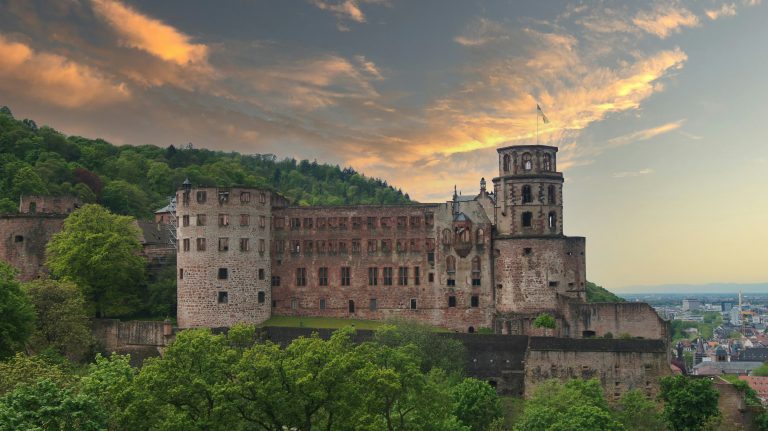
For travelers expanding beyond the river corridor, this Rhine section also fits naturally into a broader route through castles in Germany.
Where to Focus Your Time on the Rhine
A Rhine River cruise is not really about Amsterdam or Basel. It is about the German river corridor between Cologne and Mainz, and above all the Upper Middle Rhine Valley between Koblenz and Bingen. That is the section that justifies the itinerary.
Travelers who care most about scenery, castles, and the classic Rhine experience should treat that German stretch as the real center of gravity. However you reach it — cruise ship, train, or car — that is the part of the Rhine that matters most.