Schwerin Castle: Germany’s Castle on the Lake
Schwerin Castle sits on an island between two lakes in northern Germany, connected to the city by bridges and a causeway. Unlike Germany’s more famous hilltop castles, visitors approach it on flat ground, walking through gardens rather than climbing steep paths to a fortress gate.
The castle serves as the seat of Mecklenburg-Vorpommern’s state parliament, which limits interior access but preserves the grounds as a public space. Most travelers spend two to three hours here, and the experience centers more on the lakeside setting than on the museum rooms inside.
This article covers what to expect from Schwerin Castle, how it compares to other German castles, and how to plan a visit that prioritizes what actually makes it worth the trip.
Schwerin Castle Sits in Water, Not on a Hill — And That Changes Everything
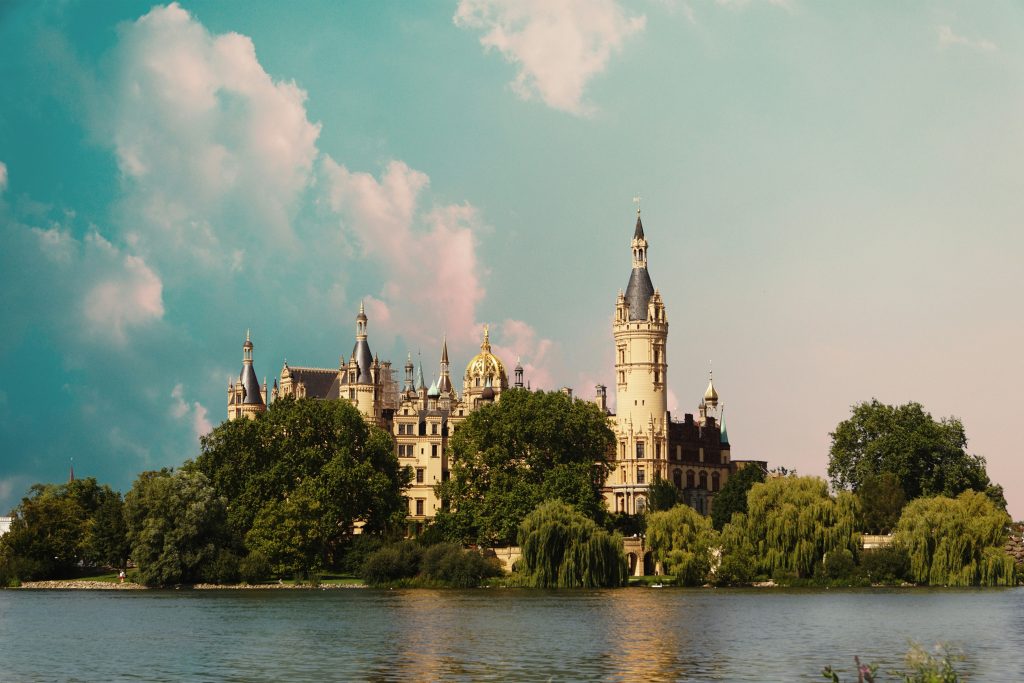
Schwerin Castle occupies a small island between the Schweriner See and the Burgsee. The main approach crosses a causeway and passes through the Schlossgarten, with the castle gradually coming into view rather than dominating the skyline from a distance.
This differs from the defensive hilltop castles most visitors expect. There’s no steep climb, no gatehouse queue, and no sense of earning arrival through physical effort.
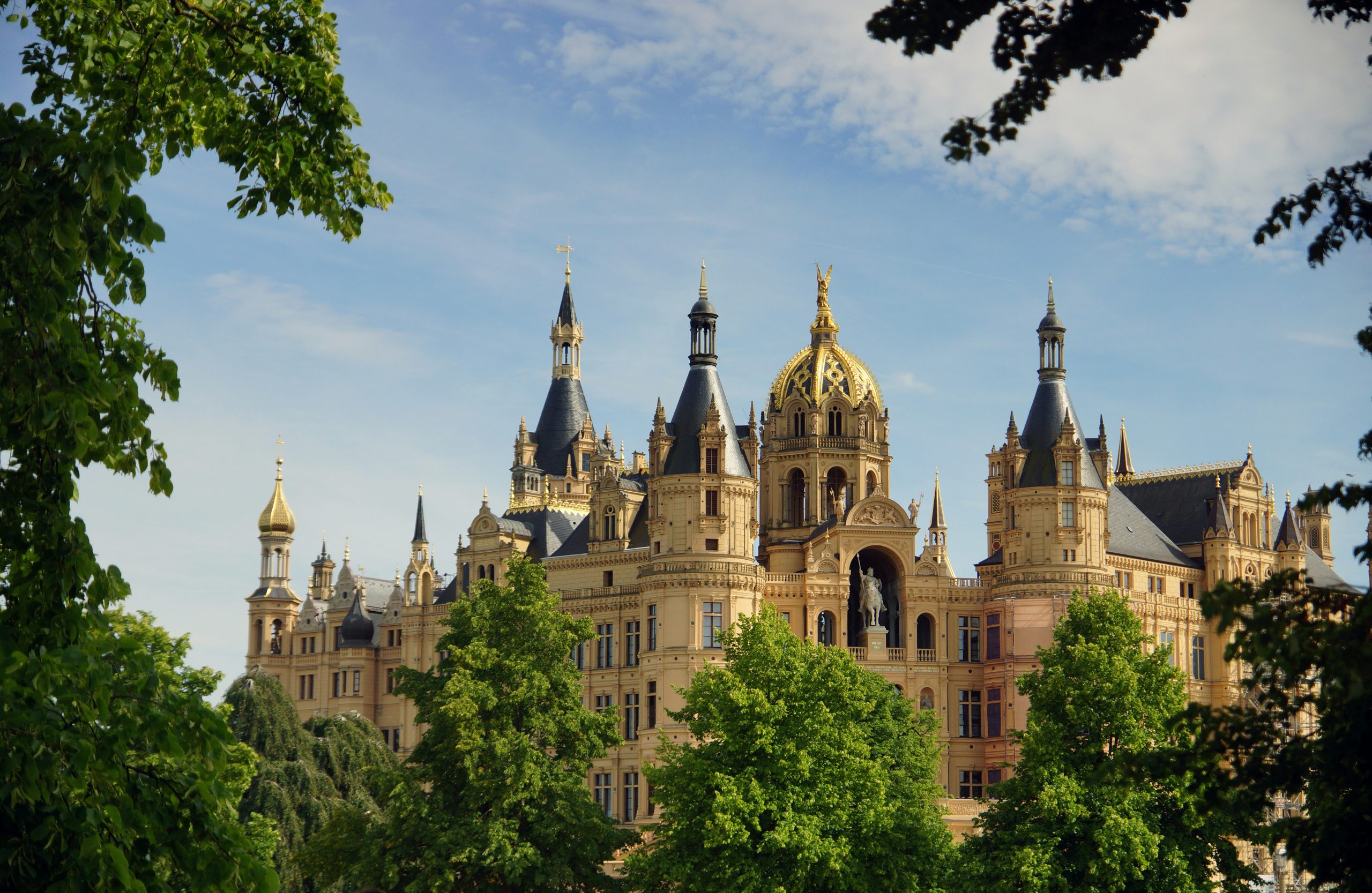
The castle’s current appearance dates largely from the 19th century, when it was rebuilt in a historicist style over medieval foundations. The result is more romantic palace than fortress. Towers, turrets, and ornamental details face the water rather than defensive walls.
Because it houses the state parliament, portions of the interior remain closed to tourists. Visitors access the Schlossmuseum but not the legislative chambers or administrative wings.
The island setting defines the experience more than the interior does. Schwerin Castle works best when visitors budget time for the grounds, the lakeside paths, and the views across the water.
Arriving at Schwerin Castle: A Flat, Unhurried Approach

Schwerin Castle is a 15-minute walk from the city’s Altstadt and about 20 minutes from the Hauptbahnhof. The route is flat and well-signed.
The approach crosses a causeway that separates the two lakes. The castle appears incrementally through the trees rather than all at once. This gradual reveal suits the overall tone of the visit, which is more leisurely than dramatic.
There’s no shuttle system, no parking lot bottleneck, and no ticket gate blocking access to the grounds. The transition from city to castle grounds feels almost seamless, which works for visitors combining Schwerin with other stops but may feel anticlimactic for those expecting a more theatrical arrival.
Most first-time visitors head straight for the museum entrance. That’s a mistake. The strongest part of Schwerin Castle is outside.
The Exterior and Island Setting: Where Schwerin Castle Makes Its Strongest Impression
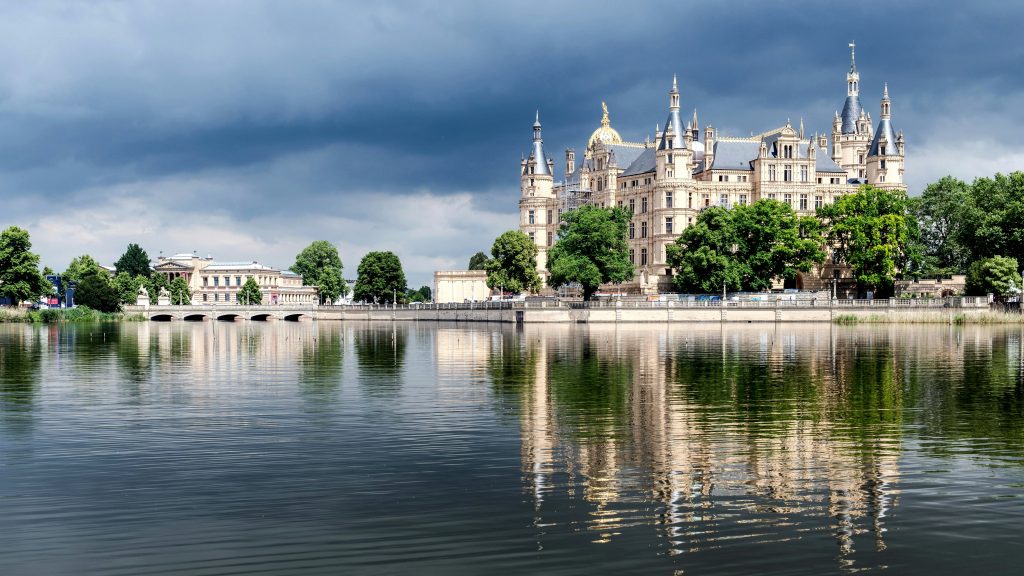
Schwerin Castle’s visual impact comes from its façade and its reflection in the surrounding water. The 19th-century rebuild prioritized symmetry and ornamentation, and the building reads best from across the lake rather than from the interior courtyard.
The best vantage points are:
- From the Schlossgarten looking back across the Burgsee: This gives the classic postcard view, especially in morning light when the sun illuminates the western façade.
- From the bridge on the Burgsee side: This offers a closer perspective without the crowds that gather near the main entrance.
- From the far shore of the Schweriner See: This provides the longest sightline and works well for photography in late afternoon.
Visitors who rush to the museum entrance often miss the perimeter walk entirely. That’s where the island setting pays off. The formal Baroque parterre near the castle transitions into English-style landscaped paths along the lake, with benches, tree cover, and unobstructed views across the water.
The Orangerie and the garden axis are worth including in the walk. Both are frequently skipped, but they add context to the overall landscape design and break up the route around the island.
Budget at least 30 to 45 minutes for the exterior loop. Visitors who skip it in favor of only the museum tend to leave wondering what the appeal was.
Inside the Castle: The State Museum and What to Expect
The Schlossmuseum occupies the publicly accessible wings of the castle. The collection includes a restored throne room, an ancestral portrait gallery, and several period rooms with decorative arts from the 19th century.
The interiors are solid but not exceptional by German palace standards. They don’t compare to the Residenz in Munich, Sanssouci in Potsdam, or even Nymphenburg. The rooms are well-maintained and historically informative, but they lack the scale and opulence that define royal apartments in Bavaria or Prussia.
Most visitors spend 45 to 75 minutes inside. The museum rewards a moderate level of interest in ducal history and 19th-century decorative arts. Travelers expecting grand Baroque state rooms or medieval fortifications will find the museum underwhelming.
This works best for visitors interested in Mecklenburg’s regional history or those who appreciate historicist architecture. It’s less compelling for travelers prioritizing interior spectacle.
Portions of the castle remain closed because of its parliamentary function. That limits the interior footprint and reinforces the sense that Schwerin Castle is more about its setting than its rooms.
The Lake Walks and Schlossgarten: The Overlooked Core of the Visit
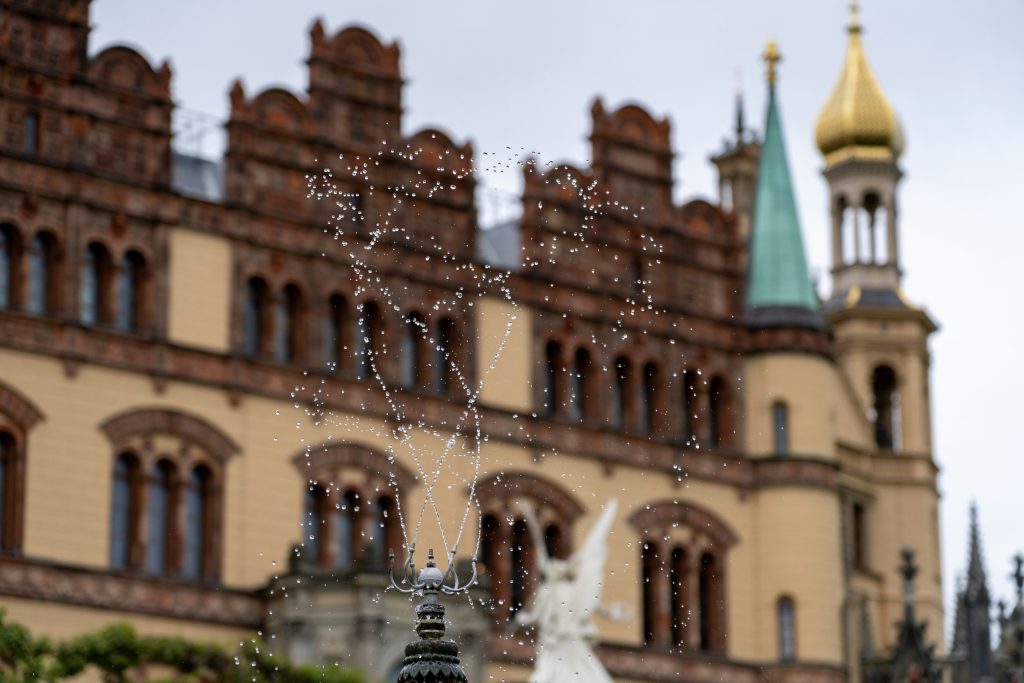
The Schlossgarten and the lakeside paths around the island are the most worthwhile part of a Schwerin Castle visit. This is where the island setting becomes tangible rather than just photogenic.
The garden layout shifts from formal Baroque near the castle to looser English landscaping along the water. The paths are well-maintained, mostly shaded, and offer frequent views back toward the castle and across both lakes.
Seasonal variation matters here. The gardens are most appealing from May through September, when the plantings are active and the lakeside feels populated without being crowded. In late autumn and winter, the paths are still accessible but less visually rewarding.
The cross-lake views change depending on time of day and weather. Early morning and late afternoon provide the best light for photography. Midday sun flattens the reflection and washes out the façade details.
Visitors who skip the garden loop and head straight for the museum miss the strongest element of the Schwerin Castle experience. The setting, not the interior, is what differentiates this castle from others in Germany.
Pacing and Duration: A Two- to Three-Hour Visit, Not a Full Day
Schwerin Castle and its grounds can be thoroughly visited in two to three hours. That includes the museum, the garden loop, and time for photos.
The city of Schwerin adds modestly to the visit. The Dom, the Altstadt, and the Pfaffenteich are all within walking distance, but Schwerin itself is not a destination that typically fills a full day for most travelers.
This is a strength for trip planning, not a weakness. Schwerin works well as a half-day stop between larger cities or as a travel-day destination that leaves time for an evening arrival elsewhere.
The lower intensity also makes it more accessible for visitors who find full-day castle excursions physically or mentally tiring. There’s no steep climb, no crowd management, and no pressure to optimize a timed entry window.
Travelers planning a full day in Schwerin should expect a relaxed pace. The castle and city center don’t demand the same level of energy or attention as destinations like Rothenburg or Heidelberg.
How Schwerin Castle Compares to Germany’s Better-Known Castles
Schwerin Castle occupies a different niche than Germany’s most famous castles.
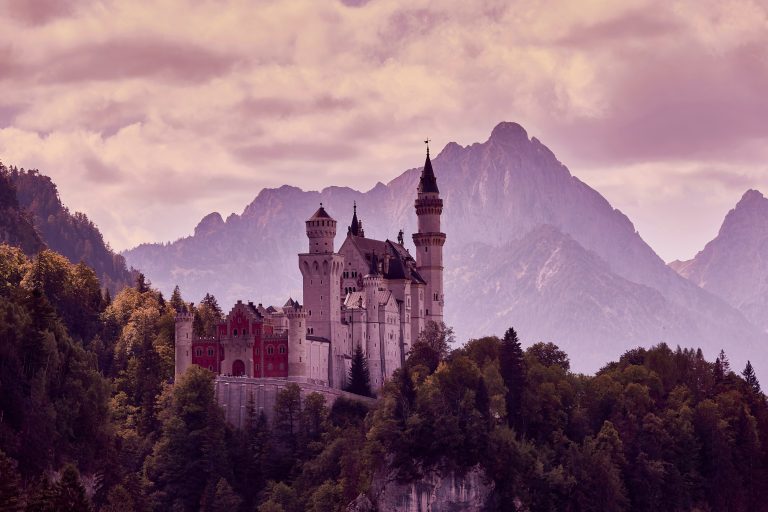
Neuschwanstein draws far larger crowds, requires advance booking, and involves more complex logistics. The spectacle is higher, but so is the friction. Schwerin offers a fraction of the intensity and none of the bottlenecks.
Schloss Sanssouci in Potsdam is a closer comparison in tone and garden emphasis. Both prioritize landscape over interior drama. Potsdam’s park system is vastly larger and more layered, but Schwerin’s island setting is more compact and easier to navigate in a shorter visit.
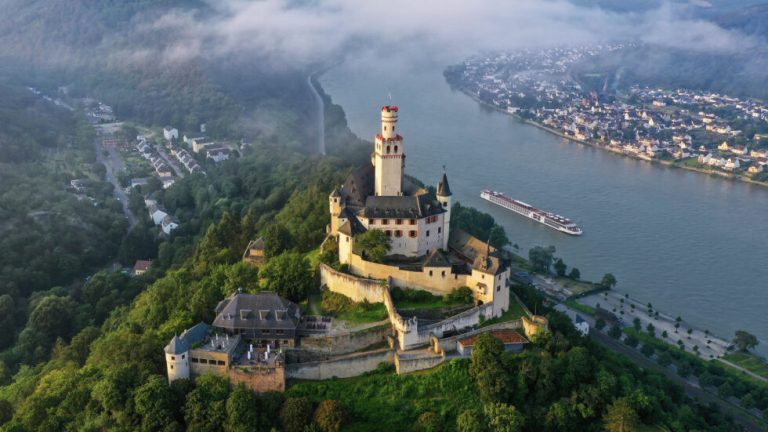
Wartburg and Marksburg represent fundamentally different experiences. Both are hilltop fortresses with medieval interiors and defensive architecture. Schwerin’s romantic lakeside aesthetic has more in common with 19th-century palace culture than with medieval castle design.
Schwerin Castle’s real differentiator is its island-on-a-lake setting, which is genuinely rare among Germany’s major castles. That setting defines the experience, but it also means the visit rewards a slower pace and more attention to the grounds than to the rooms.
Travelers prioritizing interior grandeur or medieval authenticity will find Schwerin less compelling than castles in Bavaria or the Rhine Valley. Those interested in landscape, garden design, and a less crowded northern Germany experience will find it more satisfying.
Combining Schwerin Castle with Nearby Cities and Regions
Schwerin works best as part of a broader northern Germany itinerary rather than as a standalone destination.
Common pairing options include:
- Rostock and Wismar: Both UNESCO-listed Hanseatic cities are within 1 to 1.5 hours by train. A loop covering Schwerin, Wismar, and Rostock provides a strong introduction to Mecklenburg-Vorpommern’s history and architecture.
- Hamburg: About 1.5 hours by train, Hamburg is the most common base for day trips to Schwerin. The combination works well for travelers prioritizing northern Germany’s urban and historical mix.
- Lübeck: Also about 1.5 hours away, Lübeck pairs well with Schwerin for visitors linking Hanseatic cities or traveling between Hamburg and the Baltic coast.
Schwerin’s train connections are decent but not as frequent as major hubs. Checking schedules in advance matters, especially for day-trip logistics.
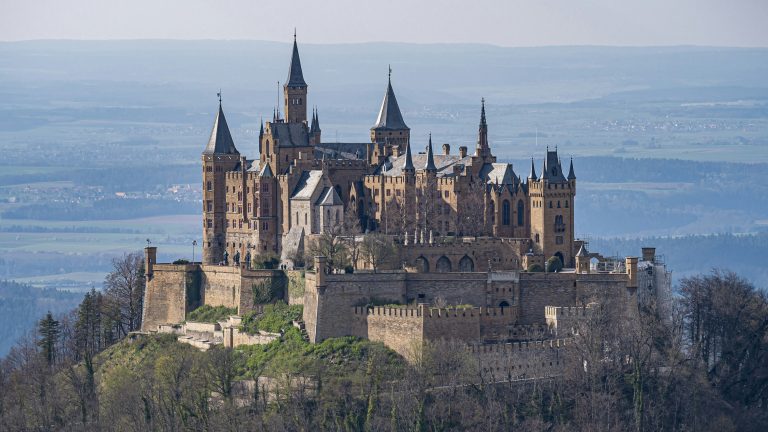
The castle is undervisited relative to southern Germany’s castles, which means lower crowds and a more relaxed pace. Visitors accustomed to timed entries and queue management at Neuschwanstein or Hohenzollern will find Schwerin notably easier to navigate.
Practical Details: Tickets, Timing, and Seasonal Considerations
Museum admission is modestly priced compared to Bavaria’s castles. The grounds and gardens are free to access, which makes Schwerin Castle a relatively low-cost stop.
Visiting in the morning provides the best light on the façade from the garden side and typically results in fewer visitors in the museum. Late afternoon works well for photography but can feel rushed if combined with a same-day departure.
Winter hours are reduced, and some garden features are less rewarding outside of May through September. The lakeside paths remain accessible year-round, but the visual impact is strongest during the warmer months.
Shoulder seasons (late April, early May, September, October) offer the best balance of weather, light quality, and crowd levels. Midday summer visits can feel crowded near the main entrance, though the perimeter paths stay relatively quiet.
Photography is unrestricted on the grounds. Interior photography policies vary by room, so check signage inside the museum.
A Castle Worth Visiting for What Surrounds It
Schwerin Castle is best understood as a landscape experience. The island, the lakes, the gardens, and the reflections define the visit more than the throne room or the ancestral gallery.
This makes it a different kind of stop than what many Germany visitors expect from a castle. Setting expectations accordingly is the difference between a satisfying visit and a puzzling one.
Travelers who prioritize interior grandeur or medieval fortress architecture will find Schwerin less compelling than castles in Bavaria or the Rhine Valley. Those who value setting, garden design, and a less crowded northern Germany experience will find it more rewarding.
Visitors who give the setting its due tend to remember Schwerin Castle for its atmosphere, not its throne room.