Travel Guide Hamburg: Best Neighborhoods for Sightseeing, Food, and Nightlife
Hamburg doesn’t follow the typical German city pattern. Unlike Munich’s compact Altstadt or Berlin’s clearly defined tourist zones, Hamburg spreads its attractions across distinct neighborhoods that each serve different purposes. The city’s layout rewards travelers willing to move between districts rather than planting themselves in one area.
Most visitors find themselves exploring three to four neighborhoods over a weekend. The historic center handles daytime sightseeing, the warehouse district offers waterfront architecture, St. Pauli comes alive after dark, and Sternschanze feeds the city’s creative energy. Each area operates on its own schedule, with different peak times and atmospheres.
Hamburg’s decentralized structure stems from its history as a port city. Trading activity spread along the Elbe River and its tributaries, creating multiple commercial centers rather than a single downtown core. This pattern persists today, making the city feel more like a collection of connected villages than a unified metropolis.
Travelers planning a Hamburg trip should expect to use public transit frequently. The U-Bahn and S-Bahn systems connect neighborhoods efficiently, but distances between districts exceed comfortable walking range. A day pass typically pays for itself after three rides.
Altstadt: The Historic Center (With Caveats)
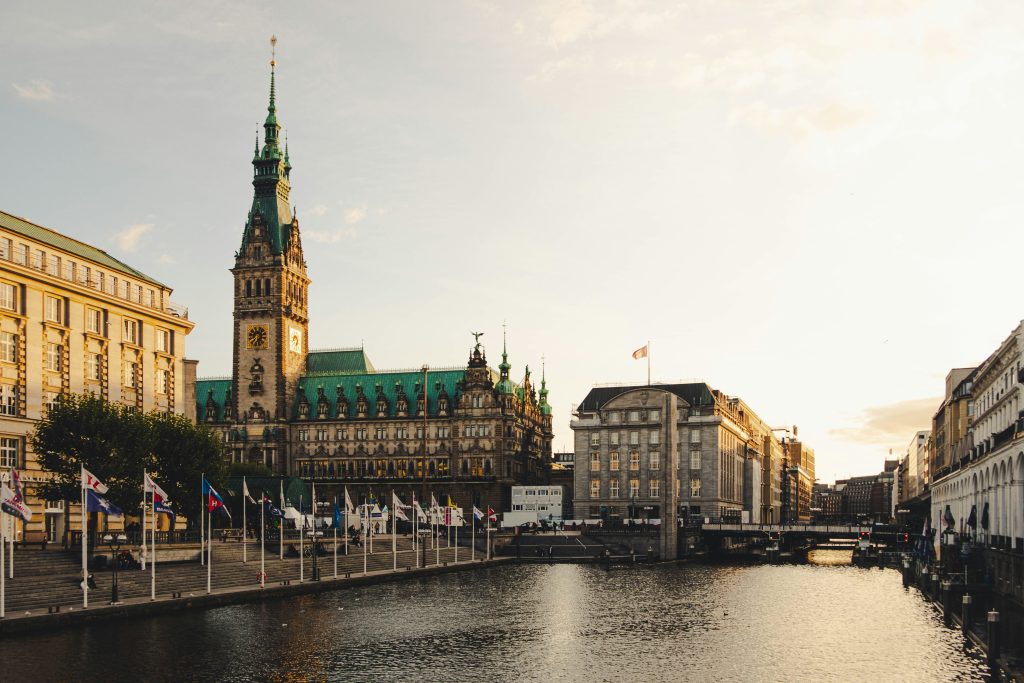
The Altstadt serves as Hamburg’s official old town, though the label requires context. Allied bombing destroyed much of the medieval city during World War II, and postwar reconstruction prioritized function over historical accuracy. Visitors expecting Rothenburg’s preserved charm will find a more pragmatic urban core.
The Rathaus stands as the neighborhood’s centerpiece, a neo-Renaissance city hall completed in 1897 that survived the war largely intact. Its ornate facade and interior courtyard warrant a brief stop, though guided tours run long for casual visitors. The building’s scale reflects Hamburg’s status as a wealthy Free Hanseatic City rather than a mere provincial capital.
St. Nikolai Memorial tower, a bombed-out church preserved as a war monument, provides the Altstadt’s most sobering sight. An elevator carries visitors to a viewing platform offering context for the destruction Hamburg endured. The memorial’s presentation avoids both triumphalism and excessive hand-wringing, presenting wartime history straightforwardly.
Deichstraße preserves one genuine slice of pre-war Hamburg. This single street of narrow merchants’ houses survived the bombing, now housing restaurants that range from tourist-focused to legitimately local. The buildings themselves justify a walk-through even if none of the dining options appeal.
The Fleet canals that thread through the Altstadt receive less attention than they deserve. These narrow waterways once served as the city’s internal shipping network, and the brick warehouses lining them demonstrate Hamburg’s architectural pragmatism. Early morning walks along Nikolaifleet offer photo opportunities before crowds arrive.
Traditional northern German restaurants concentrate in the Altstadt, serving dishes that rarely appear on international menus. Labskaus, a sailor’s hash of corned beef, potatoes, and pickled herring, divides opinions sharply. Pannfisch offers a more accessible introduction to Hamburg’s fishing heritage. Avoid restaurants directly facing the Rathaus, which charge tourist premiums for mediocre food.
The Altstadt functions best as a morning or early afternoon destination. Most sights close by 6 PM, and the neighborhood empties quickly in the evening. Plan to spend two to three hours here before moving to a district with better dining and nightlife options.
HafenCity and Speicherstadt: New Meets Warehouse Gothic

Speicherstadt’s brick warehouse district earned UNESCO World Heritage status based on architectural consistency rather than historical drama. These late 19th-century storage buildings served the city’s coffee, tea, and spice trade, their Gothic Revival facades creating an unusually photogenic industrial quarter. The area now houses museums, offices, and expensive apartments, but the physical structures remain largely unchanged.
Walking Speicherstadt requires one to two hours depending on museum stops. The buildings photograph best in late afternoon when low sun angles emphasize the brick texture and canal reflections. Overcast days flatten the visual impact considerably, making this a weather-dependent activity.
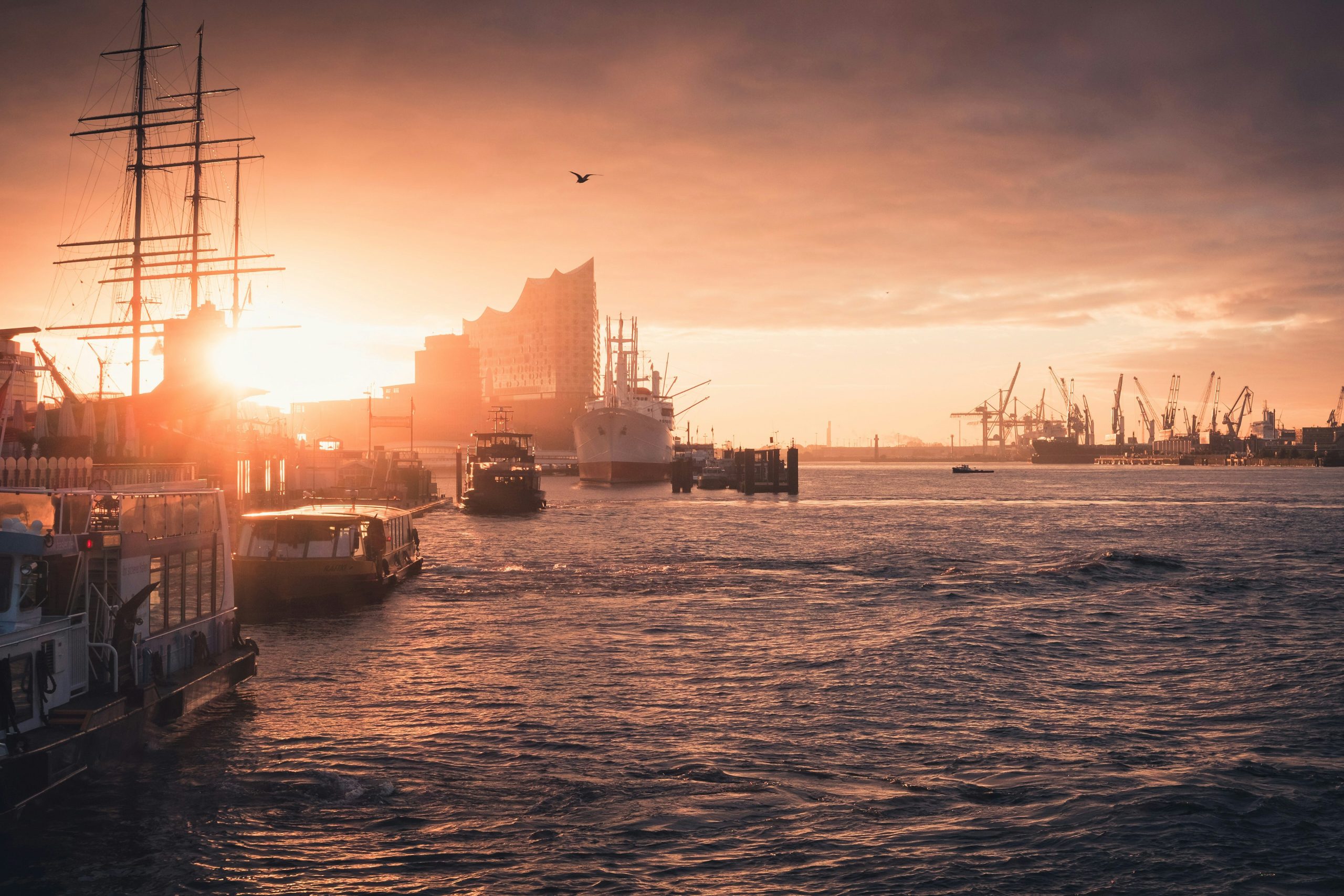
The Elbphilharmonie dominates Hamburg’s modern skyline with a wave-like glass structure perched atop an old warehouse. The building’s plaza level offers free access and harbor views worth the elevator wait, though lines form quickly after 10 AM on weekends. Concert tickets cost substantially more than in other German cities, reflecting the venue’s international reputation. Booking several weeks ahead ensures better seat selection.
Miniatur Wunderland, the world’s largest model railway, draws crowds that seem implausible for a train set. The installation’s appeal extends beyond model train enthusiasts through its obsessive detail and hidden visual jokes. Timed entry tickets sell out days in advance during school holidays, making advance booking essential. Budget two to three hours minimum.
HafenCity spreads east of Speicherstadt as Europe’s largest urban development project. The neighborhood’s modern architecture divides observers into camps that find it either impressively ambitious or soullessly corporate. Glass residential towers and carefully planned public spaces create an environment that feels designed rather than evolved. The area lacks the texture that comes from decades of gradual change.
Restaurants in HafenCity skew toward the expensive and tourist-facing, with harbor views priced into every menu. Locals tend to visit for special occasions rather than regular meals. The Magellan-Terrassen provide free waterfront access without requiring a restaurant reservation, serving as a sensible lunch spot for visitors carrying supermarket food.
A logical walking route connects Speicherstadt’s southern edge to the Elbphilharmonie, then continues east along the HafenCity promenade to Marco-Polo-Terrassen. This path covers roughly 2 kilometers with frequent benches and photo stops. Public transit connections remain limited, making this area more walkable than most Hamburg neighborhoods despite its size.
St. Pauli: More Than Just the Reeperbahn
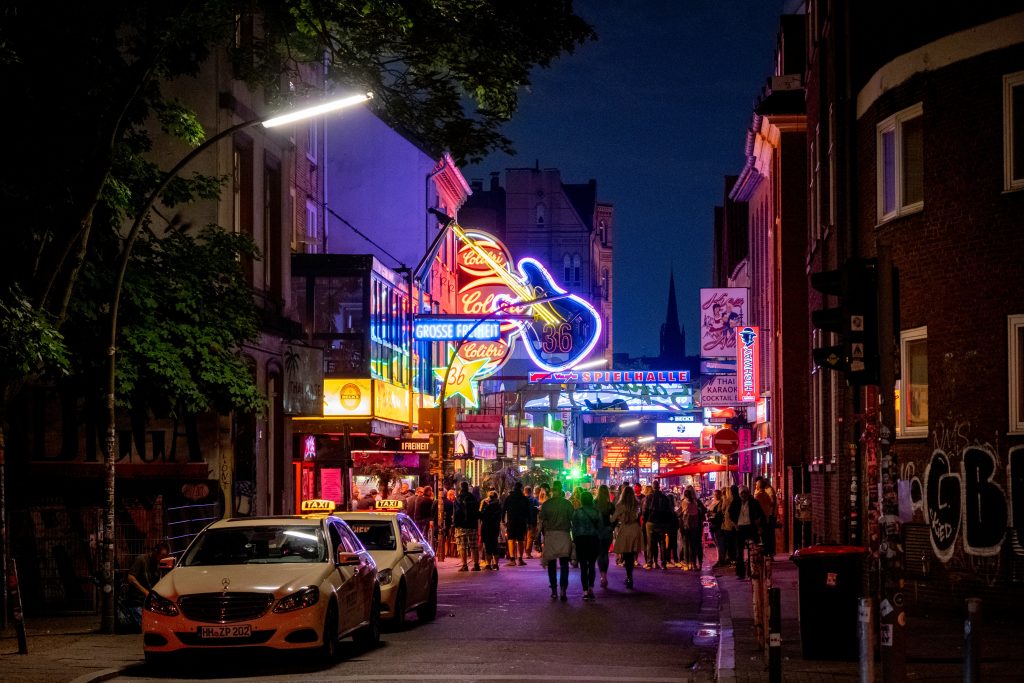
The Reeperbahn’s reputation as Hamburg’s red-light district precedes actual experience of the street. Reality delivers a surprisingly ordinary urban thoroughfare lined with theaters, clubs, bars, and yes, sex shops and brothels. The area’s edginess peaked decades ago, with gentrification steadily sanitizing the neighborhood’s rougher edges.
Weekend nights bring crowds that overflow from bars onto sidewalks, creating a festival atmosphere that ranges from energetic to overwhelming depending on tolerance for drunk tourists. Tuesday and Wednesday nights reveal a quieter St. Pauli, with locals outnumbering visitors and fewer venues operating at full capacity. The neighborhood works for travelers uninterested in nightlife if they visit during daylight hours and focus on areas away from the main strip.
Fischmarkt operates Sunday mornings from 5 AM to 9:30 AM (7 AM to 9:30 AM in winter), selling fish, produce, plants, and tourist souvenirs to a mix of early risers and clubgoers ending their nights. The market’s famous auctioneers shout their pitches in German, creating an energetic atmosphere even for non-speakers. The adjacent Fischauktionshalle (fish auction hall) hosts live music during market hours. Yes, it’s touristy. It’s still worth attending once.
Landungsbrücken, the floating pier complex serving harbor ferries, functions as St. Pauli’s daytime anchor. Public ferries to various river destinations depart regularly, with the line 62 route to Finkenwerder offering a cheap harbor cruise alternative. The Alter Elbtunnel, a century-old pedestrian tunnel under the Elbe, connects to the south bank through tiled tubes that feel simultaneously historic and slightly creepy.
St. Pauli’s residential side streets reveal a different character than the tourist-focused waterfront. The Portugiesenviertel (Portuguese Quarter) concentrates around Ditmar-Koel-Straße, where Portuguese restaurants, cafes, and bakeries serve an immigrant community that arrived in the 1960s. Vietnamese restaurants cluster on Wohlwillstraße, offering some of Hamburg’s best pho and banh mi at prices well below the city average.
The neighborhood’s street art and political murals reflect St. Pauli’s working-class history and leftist political leanings. Local clubs like FC St. Pauli have cultivated an anti-fascist, anti-commercial identity that attracts international attention. This political character feels authentic rather than performed, though the neighborhood’s rising property values create obvious tensions.
Late-night food options abound, from currywurst stands to Turkish kebab shops to 24-hour bakeries. Quality varies wildly, with the best finds requiring local recommendations or trial and error. Safety concerns remain minimal for tourists using common sense—St. Pauli’s reputation exceeds its actual danger for visitors staying aware of their surroundings.
Sternschanze: Where Hamburg Feels Young and Weird
Sternschanze (often shortened to Schanze) concentrates Hamburg’s alternative culture in a compact area south of the main train station. The neighborhood’s leftist politics, street art, and student population create an atmosphere distinct from the city’s more polished districts. Anti-gentrification graffiti covers construction sites and new developments, reflecting ongoing tensions over neighborhood change.
Schulterblatt serves as the main commercial street, lined with vintage clothing stores, record shops, international restaurants, and cafes that skew toward natural wine and specialty coffee. Weekend afternoons bring crowds that spill from shops onto sidewalks, creating a browsing-friendly atmosphere. Quality varies—some vintage stores offer genuine finds while others charge boutique prices for worn-out fast fashion.
Sternschanzenpark, a small green space at the neighborhood’s heart, functions as a central gathering point. The park’s modest size means it fills quickly on sunny days, with groups spreading across every available patch of grass. A water tower converted to a hotel overlooks the park, its bulk dominating the low-rise surroundings.
The Schanzenviertel’s food scene represents Hamburg at its most diverse. Turkish, Vietnamese, Middle Eastern, Italian, and German options compete within a few blocks. Natural wine bars and craft beer spots multiply annually, with quality generally high and prices reasonable compared to HafenCity or the Altstadt. Breakfast and brunch culture thrives here, with weekend waits of 30-45 minutes common at popular cafes.
Rote Flora, a squatted theater turned autonomous cultural center, anchors the neighborhood’s political identity. The building hosts concerts, political meetings, and community events while maintaining its occupation since 1989. Its graffiti-covered exterior makes a clear statement about the neighborhood’s values, regardless of visitor opinions on squatting politics.
The nightlife scene emphasizes bars over megaclubs, with many venues doubling as cafes during daytime hours. The atmosphere tends toward casual and unpretentious, attracting locals rather than the tourist-heavy crowds that pack St. Pauli. Many bars lack English menus, though staff generally speak enough English to take orders.
Travelers seeking polished, traditional German experiences should skip Sternschanze. The neighborhood’s appeal lies in its rough edges, political edge, and creative energy rather than picture-perfect aesthetics. Visitors comfortable with urban grit and alternative culture will find it more interesting than Hamburg’s tourist-focused districts.
Where to Stay: Matching Neighborhood to Your Travel Style
Accommodation location significantly impacts the Hamburg experience. The Altstadt and Neustadt (new town) offer central locations with easy access to major sights but limited evening entertainment. Hotels here typically charge premium rates for business travelers and tourists prioritizing convenience over atmosphere.
HafenCity’s modern hotels suit short stays focused on the waterfront and Speicherstadt. The neighborhood’s lack of organic street life means evenings feel quiet unless plans include specific restaurant reservations. Proximity to the Elbphilharmonie benefits concert attendees but offers little advantage otherwise.
St. Pauli hotels range from budget hostels to boutique properties, with noise levels varying dramatically by exact location. Streets north of Reeperbahn toward Sternschanze offer better sleep quality than addresses directly on the main strip. The neighborhood’s nightlife access appeals to younger travelers and night owls, while families and light sleepers should consider alternatives.
Sternschanze and adjacent Eimsbüttel provide better value than central districts while maintaining good U-Bahn connections. The neighborhoods feel more residential and locally integrated, with superior dining options and lower hotel rates. Most major sights require a 10-15 minute train ride, a reasonable trade-off for many travelers.
Speicherstadt contains several boutique hotels occupying converted warehouses. These properties offer atmospheric accommodations at luxury prices, appealing to travelers prioritizing unique lodging over budget considerations. The quiet surroundings suit light sleepers willing to trade nightlife access for architectural character.
Eating and Drinking Your Way Through Hamburg
Northern German cuisine emphasizes seafood, potatoes, and pickled vegetables in combinations that confuse visitors expecting southern German flavors. Labskaus represents the cuisine’s most challenging dish—a pink hash that looks unappetizing but tastes better than its appearance suggests. Pannfisch offers a gentler introduction, combining fried fish with potatoes and mustard sauce.
Franzbrötchen, Hamburg’s signature pastry, resembles a cinnamon roll’s flatter, stickier cousin. Bakeries throughout the city sell these for one to two euros, making them an ideal breakfast or snack option. Quality varies, with the best versions maintaining a balance between cinnamon sweetness and buttery dough.
Hamburg’s fishing industry delivers legitimately good seafood despite the city’s distance from the ocean. The North Sea and Baltic Sea supply fish that reaches city restaurants within hours of landing. Herring preparations range from pickled to fried, while plaice, cod, and salmon appear on most seafood menus.
Coffee culture has evolved rapidly over the past decade, with specialty roasters and third-wave cafes concentrating in Sternschanze and the Karoviertel. Standards now rival Berlin’s coffee scene, with knowledgeable baristas and carefully sourced beans common in better establishments. Traditional cafes serving weaker, cheaper coffee still dominate outside hipster neighborhoods.
Hamburg’s beer scene extends beyond major breweries like Holsten and Astra. Neighborhood Kneipen (pubs) serve local and regional beers in unpretentious settings favored by regulars over tourists. Craft beer bars have multiplied in Sternschanze and St. Pauli, though Germany’s beer purity law (Reinheitsgebot) limits experimentation compared to American craft brewing.
The city’s port history manifests in immigrant food communities. Vietnamese restaurants cluster in several neighborhoods, serving pho and banh mi to local populations. Portuguese restaurants concentrate in St. Pauli’s Portugiesenviertel, while Turkish kebab shops and bakeries appear throughout the city. These international options often provide better value and quality than traditional German restaurants.
Isemarkt, operating Tuesday and Friday mornings in Eppendorf, offers Hamburg’s best produce and prepared food market. The market stretches along the U-Bahn tracks, with vendors selling vegetables, cheese, meat, baked goods, and ready-to-eat meals. Prices and quality exceed supermarkets, making this a worthwhile stop for self-catering travelers.
Practical Route Planning: Stitching Neighborhoods Together
A two-day Hamburg itinerary might begin in the Altstadt for morning sightseeing, move to HafenCity and Speicherstadt for afternoon exploration, shift to Sternschanze for dinner, and end in St. Pauli for evening drinks. Day two could reverse this pattern, starting with Sunday Fischmarkt, spending midday in Sternschanze’s shops and cafes, and ending with an Elbphilharmonie concert or harbor walk.
The U-Bahn and S-Bahn systems connect all major neighborhoods efficiently. The U3 line links Landungsbrücken (St. Pauli) to Sternschanze to the Hauptbahnhof (main station) in under 10 minutes. Day passes cost around 8 euros and cover unlimited travel within the city center, paying for themselves after three single trips.
Walking distances between neighborhoods exceed what many visitors expect. HafenCity to Sternschanze measures roughly 3 kilometers—manageable but time-consuming when combined with sightseeing stops. The Altstadt to St. Pauli waterfront covers about 2 kilometers through areas with limited interest, making transit more efficient than walking.
Weather significantly impacts Hamburg experiences. Rain forces indoor pivots to museums like Miniatur Wunderland, the International Maritime Museum, or the Kunsthalle art museum. Each neighborhood offers some covered options, though Speicherstadt’s appeal diminishes without good light for photography.
What Didn’t Make the List (And Why That’s Fine)
This guide omits several Hamburg areas that appear in comprehensive guidebooks. Blankenese’s hillside villas offer scenic views but require significant travel time from central neighborhoods. Planten un Blomen, the city’s main park, provides green space without compelling features for time-limited visitors. The Außenalster lake supports sailing and jogging but functions more as local recreation than tourist destination.
Focusing on four core neighborhoods makes sense for weekend visits or first-time travelers. These districts contain Hamburg’s most distinctive experiences and connect logically through public transit. Adding more neighborhoods creates scheduling pressure that reduces enjoyment.
Hamburg rewards return visits more than cities offering concentrated sights. The neighborhoods covered here provide sufficient variety for initial exploration while leaving districts like Ottensen, Eppendorf, and Wilhelmsburg for future trips.
Making Hamburg Work for You: Final Neighborhood Thoughts
Hamburg’s appeal lies in its neighborhood diversity rather than blockbuster monuments. The city asks visitors to move between districts, experiencing different atmospheres throughout the day rather than exhausting a single tourist zone.
The neighborhoods covered here represent Hamburg’s core character—maritime history in the warehouses, working-class grit in St. Pauli, creative energy in Sternschanze, and pragmatic administration in the Altstadt. Travelers mixing these experiences gain better understanding than those focusing solely on guidebook highlights.
Hamburg differs from Munich’s beer garden culture and Berlin’s historical intensity by maintaining a port city’s cosmopolitan practicality. The city feels less performatively German, more focused on commerce and creativity than tradition and spectacle. This character attracts fewer tourists than Bavaria or Berlin, which works to Hamburg’s advantage for travelers seeking less crowded urban experiences.
The neighborhoods beyond these four hold additional discoveries for curious visitors. Each district maintains its own identity, supporting the local pride that defines Hamburg more than any single landmark.