Oktoberfest and Munich: A Practical 3-Day Itinerary
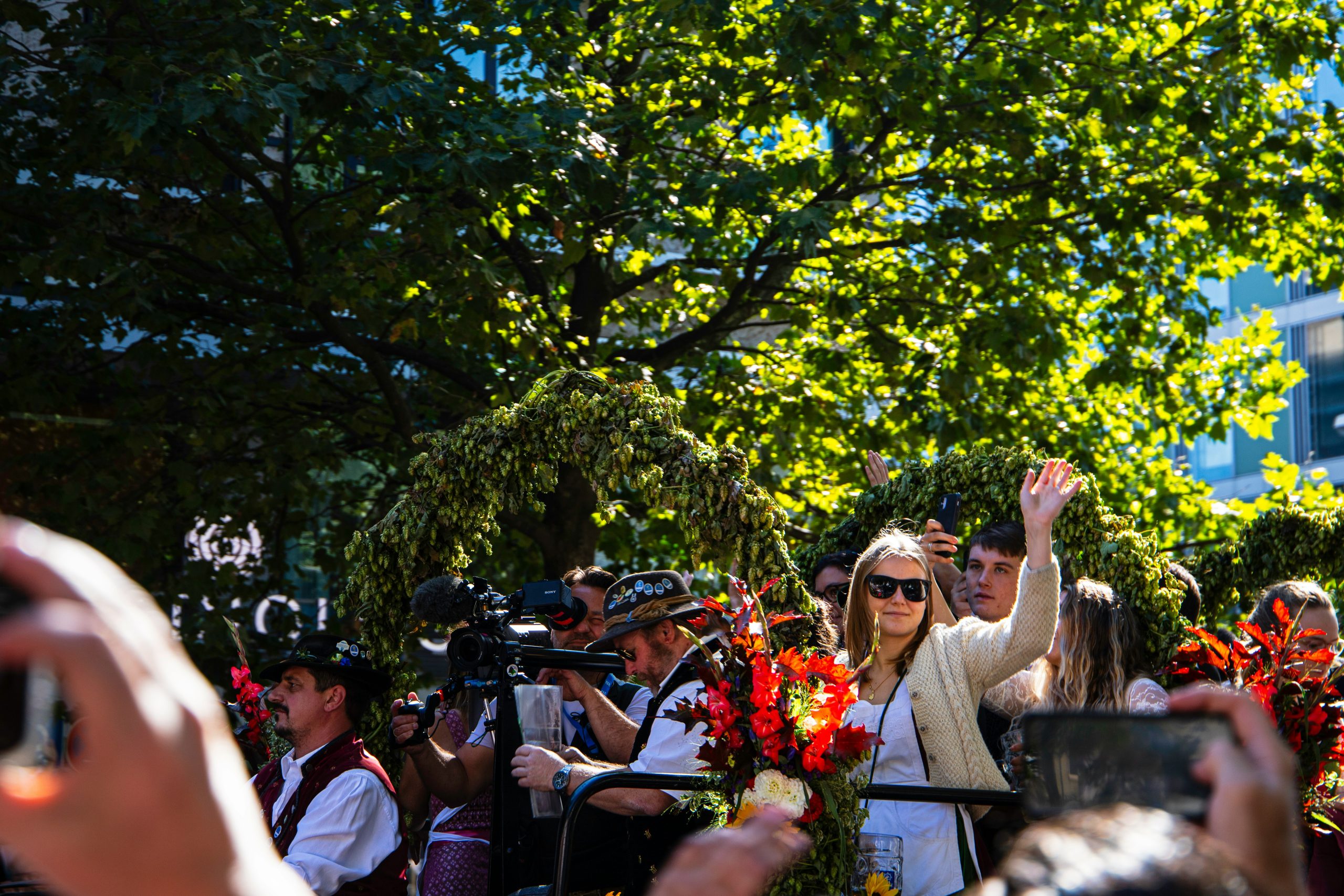
A practical 3-day Munich Oktoberfest itinerary works best when the festival gets one dedicated day. Use Day 1 for a compact introduction to central Munich, attend Oktoberfest on Day 2, and spend Day 3 seeing the city beyond the festival grounds.
This structure gives first-time visitors enough time at the Wiesn, Munich’s name for Oktoberfest, without turning the entire trip into three days of beer tents. It also leaves room for weather changes, tired children, late arrivals, and groups whose members have different interests.
Oktoberfest is crowded, costly, and physically tiring. Visitors usually get more from one well-paced festival day than from repeated attempts to enter as many tents as possible. A weekday morning or early afternoon is the most manageable default. Groups set on a particular tent or evening session should investigate reservations before finalizing the trip.
Best overall plan: Explore central Munich on Day 1, attend Oktoberfest on Day 2, and choose either the Residenz and English Garden or the Deutsches Museum and Isar on Day 3.
Quick Overview of the 3 Day Munich Oktoberfest Itinerary
This itinerary is designed for a three-night stay, although it can work with an evening departure after Day 3. The schedule deliberately keeps Day 1 light and gives Day 3 two route options.
| Day | Morning | Afternoon | Evening | Walking Load | Main Decision |
|---|---|---|---|---|---|
| Day 1 | Arrive and check in | Marienplatz and Viktualienmarkt | Early Bavarian dinner | Moderate | Keep the arrival day short |
| Day 2 | Enter Oktoberfest before the busiest period | One main tent, food, rides, or Oide Wiesn | Leave at a planned time or stay with confirmed seating | High | Choose atmosphere over tent count |
| Day 3 | Slow breakfast and energy check | Residenz and English Garden, or Deutsches Museum and Isar | Convenient final dinner | Moderate | Choose one route, not both |
Who This Itinerary Works Best For
This plan suits first-time visitors, couples, families with school-age children or teenagers, small groups, and travelers using public transportation. It also works for mixed groups that include non-drinkers or people who want Munich culture alongside Oktoberfest.
It is less suitable for groups focused mainly on late-night drinking. It also leaves no sensible room for a full Alpine day trip. Three days can cover Oktoberfest and central Munich well, but they cannot cover every palace, museum, neighborhood, beer hall, and nearby mountain destination.
Before the Itinerary: Make Four Oktoberfest Decisions
Four choices shape the entire trip: the festival day, reservation strategy, hotel location, and the group’s limits. Make them before promising anyone a specific tent or booking a nonrefundable room.
1. Choose a Weekday or Weekend Visit
A weekday morning or early afternoon is the strongest default for first-time visitors. Movement around the grounds is generally easier, families can see more before the evening atmosphere builds, and walk-in visitors have more flexibility.
Friday evenings and Saturdays suit travelers who want maximum energy and accept more waiting, noise, and uncertainty. That is a real trade-off, not a better version of the same experience.
Visitors who strongly dislike dense crowds should not assume they will adjust once inside. A short weekday visit is usually a better test than an entire Saturday planned around the festival.
2. Decide Whether a Tent Reservation Is Necessary
A tent reservation is not the same as admission to Oktoberfest. The festival grounds can be entered without reserving a table, subject to current event rules and capacity controls. Seating inside a desired tent is a separate issue.
Small groups visiting early and willing to accept any suitable tent have more room to improvise. Large groups, visitors targeting a specific tent, and anyone wanting a prime evening slot should investigate the official reservation process early.
Reservations also come with conditions that can vary by tent. Travelers should confirm the current procedure directly with the tent operator. Third-party offers deserve caution.
Walk-in visitors need a backup plan. The right mindset is “find a suitable table,” not “enter this exact tent at this exact time.”
3. Pick a Hotel Area
Ludwigsvorstadt places visitors closest to Theresienwiese, but some streets also carry the most late-night foot traffic. Isarvorstadt remains walkable from parts of the festival area and gives visitors better access to neighborhood restaurants.
Altstadt works best for travelers who prioritize Munich sightseeing as much as Oktoberfest. The Hauptbahnhof area is practical for onward trains and several transit lines, but the blocks around the station can feel hectic during the festival.
Quieter, rail-connected districts such as Haidhausen or Neuhausen can provide better sleep and more distance from the late-night crowds. They suit families and light sleepers who accept a longer ride in exchange for a calmer base.
Before booking, compare the late return route, number of transfers, station access, cancellation terms, and whether the room faces a busy street. The closest hotel is not automatically the best hotel during Oktoberfest.
4. Set the Group’s Festival Limits
Agree on a spending ceiling, drinking pace, meal plan, rides, meeting point, and target departure time before entering. These decisions become harder once the group is tired or separated.
Beer is commonly served in large portions at Oktoberfest, so food and water need to be part of the plan from the beginning. Non-drinkers should confirm what they want from the day, whether that means music, rides, food, traditional dress, or the historical side of the festival. Travelers continuing through Germany can use the Germany beer trip guide to place Munich beer culture in a broader regional context.
Families benefit from an even clearer limit. A focused morning and afternoon visit usually fits children better than an open-ended evening.
Day 1: Arrive and Get Oriented in Central Munich
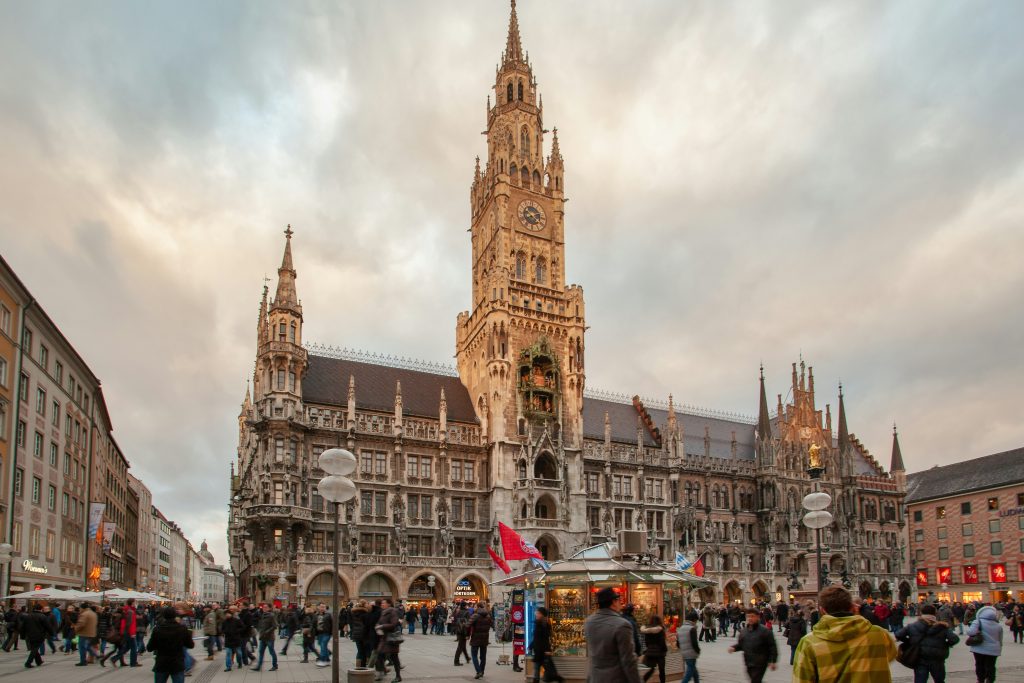
Day 1 should take no more than about six hours after hotel check-in. Its job is to establish a sense of place, provide a good meal, and leave enough energy for the festival.
Do not add Nymphenburg Palace, BMW Welt, and several museums just because the map makes them appear reachable. Arrival delays and luggage make an overloaded first day particularly fragile.
Afternoon: Marienplatz and the Altstadt
Begin at Marienplatz, the practical center of Munich’s Altstadt. Allow time to look around the square and understand the surrounding street layout before moving on.
Walk toward Viktualienmarkt for a food stop or late lunch. The market works well because different travelers can choose different foods without committing to a long restaurant meal.
From there, select one nearby addition. Frauenkirche is the easiest church to combine with the route. St. Peter’s Church is another central option, while its tower only makes sense when the group still has energy and current access conditions allow.
Choose one, not both. The aim is orientation, not completing central Munich in one afternoon.
A reasonable arrival-day sequence is:
- Check in and take a real break.
- Spend 45 to 60 minutes around Marienplatz.
- Walk to Viktualienmarkt for food.
- Add one nearby church, viewpoint, or short street loop.
- Return to the hotel before dinner if anyone needs a reset.
If the group arrives late, skip the extra attraction. Marienplatz, food, and a short walk still provide a useful first look at Munich.
Rain does not ruin this plan. Replace the viewpoint or extended walk with a church interior, cafe break, or compact indoor stop. Save any major museum for Day 3, when the schedule gives it enough time.
Evening: Bavarian Food Without Starting Oktoberfest Early
Choose dinner for location and ease, not fame. The Munich restaurant guide can help compare neighborhoods.
A traditional Wirtshaus works best for a seated Bavarian meal. A brewery restaurant suits visitors who want beer context with dinner, while a beer garden is the lowest-pressure choice when the weather cooperates.
A famous central beer hall is convenient but can repeat the loud communal setting planned for Day 2. Travelers who want more contrast should choose a calmer restaurant and focus on Bavarian dishes rather than another drinking session.
Keep the evening moderate. Oktoberfest involves hours of standing, walking, waiting, eating, and navigating crowds. Starting tired makes every decision on Day 2 harder.
Day 2: Spend One Well-Planned Day at Oktoberfest
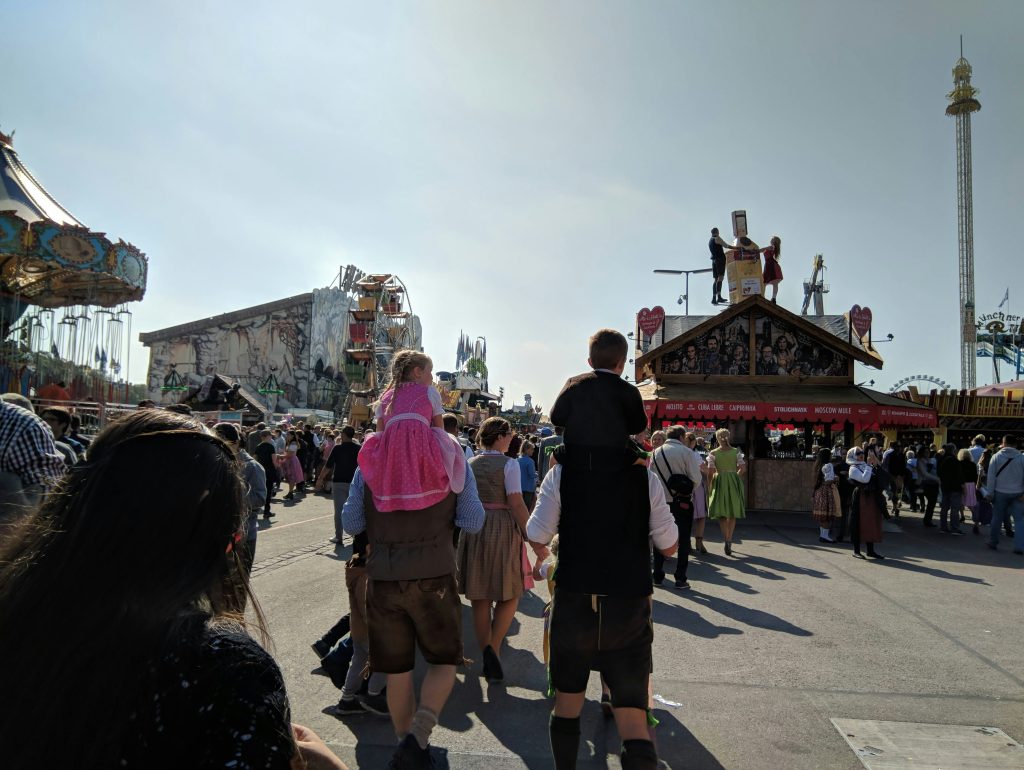
Day 2 is the anchor of this 3 day Munich Oktoberfest itinerary. The strongest version includes one main tent experience, a full meal, time outdoors, and either rides or Oide Wiesn.
Constant tent-hopping sounds efficient but usually wastes time in entrances and searches for seating. One good table is more useful than several tent names checked off a list.
Morning: Enter Before the Busiest Period
Check the official Oktoberfest and Munich transportation guidance before leaving the hotel. Entrance procedures, bag rules, service changes, and station crowd controls can change from one festival year to another.
Wear shoes suitable for a long day on hard surfaces. Carry only what current rules permit, and dress for changing September weather rather than assuming the whole day will be warm.
Choose a clear entrance and meeting point before arrival. Everyone should know where to regroup if phones fail or the party becomes separated. Families should also place contact information where a child can reach it.
Theresienwiese station on the U4 and U5 is the most obvious approach, which can also make it the most congested. Depending on the hotel and current service, Goetheplatz or Poccistraße on the U3 and U6, or Hackerbrücke on the S-Bahn, may provide a more manageable walk.
Do not choose a station from memory on the day. Check live routing and crowd controls before departure.
Once inside, spend a short period getting oriented. Locate the main tent area, food stalls, bathrooms, rides, and the route toward Oide Wiesn if it is part of the plan.
Families and crowd-sensitive visitors should begin early and plan to leave before the evening shift becomes dominant. Adults with a confirmed later reservation can use the morning for the grounds and save their main tent period for the reserved time.
Midday: Choose One Main Tent and Eat a Full Meal
The biggest tents offer the scale, bands, and communal atmosphere many international visitors expect. They also bring the highest noise levels and can be difficult for anyone who dislikes close seating.
Smaller tents can be easier to understand and often center more clearly on a particular food or style. They are not guaranteed to be quiet, but they may suit visitors who want a shorter meal-focused stop.
Oide Wiesn emphasizes the historical side of the festival and can appeal to families, repeat visitors, and travelers more interested in tradition than the loudest hall. It requires a separate decision because current admission details and operating arrangements should be checked for the year of travel.
Choose among them with four questions:
- Does the group want music and crowd energy or easier conversation?
- Is a full meal a priority?
- Is anyone uncomfortable with dense communal seating?
- Does the group have a reservation, or must it stay flexible?
Once seated, order food early rather than waiting until everyone is hungry. Roast chicken is the simplest shared reference point for many groups, while sausages, pretzels, cheese dishes, and vegetarian choices depend on the tent’s current menu.
Visitors with dietary restrictions should review menus before choosing a tent. A full meal helps control the pace and makes the stop useful even for non-drinkers.
Visitors without reservations should accept that the ideal tent may not be available. Never build the entire day around guaranteed entry to a particular hall unless the group has confirmed arrangements.
Afternoon: Rides, Food Stalls, or Oide Wiesn
After the main tent, leave time outside. Remaining seated for most of the day can make Oktoberfest feel less like a folk festival and more like a single crowded restaurant.
A lower-intensity route can focus on traditional attractions, food stalls, people-watching, and Oide Wiesn. This works well for families, mixed-age groups, and visitors who have already had enough loud music.
A rides-focused route suits older children, teenagers, and adults who view the fairground as an equal part of the event. Set a ride budget before starting. Individual purchases can accumulate faster than expected.
Choose one snack that adds something different from the tent meal. There is little value in turning the afternoon into a complete food checklist, especially when portions are substantial.
Keep practical needs visible:
- Check payment methods before relying on one card.
- Use bathrooms before the group becomes rushed.
- Keep weather layers accessible.
- Reconfirm the meeting point after changing areas.
- Keep children close in dense passages.
- Check current rules before bringing a stroller or accessibility equipment.
Evening: Know When to Leave
The default plan should leave while the day still feels successful. Fatigue, heavier drinking, and crowded transport can turn an enjoyable afternoon into a poor final hour.
Families and visitors attending without firm evening seating should usually leave before the evening atmosphere peaks. A simple meal near the hotel can work better than waiting for another tent.
Adults with confirmed seating may choose to stay later. They still need a departure time, a return route, and a clear rule against separating without notice.
A lost phone plan is simple: set one physical meeting place and one time to check it. Do not rely entirely on messaging in a crowded venue.
Oktoberfest rewards pacing. The goal is not to prove how long the group can remain inside.
Day 3: See Munich Beyond Oktoberfest
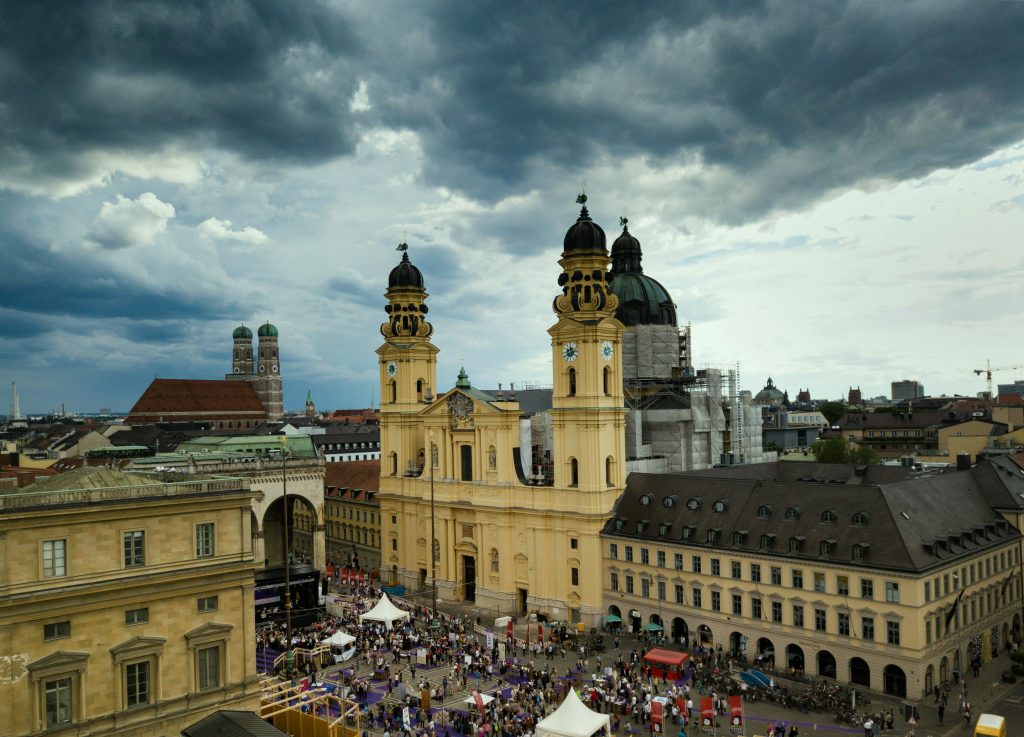
Begin Day 3 with a slower breakfast and an honest energy check. Choose one of the following routes based on weather, ages, and attention span.
Trying to combine both routes produces an overfilled day. Munich deserves better than a series of rushed entrances and exits.
Route A: Residenz, Odeonsplatz, and the English Garden
Route A works best for first-time visitors who want Munich history plus outdoor time. Start at the Munich Residenz and decide whether the state rooms, Treasury, or a shorter highlights visit matters most.
The Residenz can absorb much of a morning. Allow at least two focused hours, then stop rather than treating every room as mandatory. Families with limited interest in palace interiors should shorten this stop and protect the English Garden portion of the day.
Continue through Odeonsplatz and stop for lunch before entering the English Garden. The park gives children and adults room to move after two structured days.
A beer garden can fit naturally into the afternoon, but it does not need to become another alcohol-centered event. Food, shade, and a relaxed stop are enough.
This route’s main advantage is balance. Its drawback is that travelers with limited interest in palace interiors may find the morning too slow.
Route B: Deutsches Museum and the Isar
Route B works better for families, science-focused visitors, and poor weather. The Deutsches Museum is large enough that a priority list matters.
Select two or three subject areas that best fit the group, then stop before attention drops. Families should let children help choose those priorities before entering.
Trying to cover the entire Deutsches Museum after Oktoberfest is not a realistic goal. A focused half-day visit is more useful than rushing through unrelated galleries.
Pair the museum with lunch and a short walk along the Isar. This provides an outdoor reset without requiring another cross-city transfer.
The trade-off is clear. This route gives stronger indoor depth but less historic-center sightseeing than Route A. It is often the better choice when children need hands-on subject matter or when rain makes park time less useful.
Final Evening: Choose Convenience Over Another Checklist
Book the final dinner near the hotel or departure station if the next morning begins early. Convenience protects the last evening from another round of transportation and waiting.
If energy remains, add one short neighborhood walk. Do not add a distant attraction simply because a free hour appears on the schedule.
A successful three-day visit should leave parts of Munich for another trip. It does not need to exhaust the city.
Oktoberfest Costs, Transportation, and Practical Logistics
Oktoberfest expenses change each year, and accommodation prices vary sharply by date. A useful budget therefore separates unavoidable costs from choices the traveler can control.
| Category | What Changes the Cost | Best Control |
|---|---|---|
| Accommodation | Weekend, proximity, booking date, room type | Compare quiet rail-connected areas with walking-distance hotels |
| Tent food and drinks | Group size, length of stay, number of rounds | Set a limit and order a full meal early |
| Rides and snacks | Number of riders and individual purchases | Choose a fixed ride budget |
| Local transportation | Hotel area and ticket type | Compare the appropriate day or group ticket before travel |
| Oide Wiesn | Current admission policy and group size | Confirm the year-specific fee before including it |
Accommodation is often the largest festival premium. Compare the total stay, not just the nightly price. A cheaper room with several transfers may be a poor value for a family, while a slightly longer direct ride can be an easy compromise.
A Realistic Daily Budget Framework
A lower-spend day starts early, uses public transportation, focuses on one tent meal, limits rides, and leaves before an evening second round.
A moderate day includes a full meal, several drinks or non-alcoholic alternatives, a few rides or snacks, and the optional historical festival area.
A higher-spend day adds a central hotel, more rounds, more rides, and late-night food. The festival itself is only part of that total.
Families and non-drinkers are not automatically low-spend visitors. Rides, meals, snacks, and accommodation can outweigh beer costs.
Check the official festival sources for current menus, drink prices, reservation conditions, admission fees, and rules. Do not use a previous year’s budget as a promise.
Getting to Theresienwiese Without a Car
Public transportation and walking are the practical defaults. Driving creates parking, traffic, and alcohol-safety problems without improving the visit.
Travelers staying centrally may be able to walk. Others can use the U-Bahn, S-Bahn with a walk, tram, or bus, depending on the hotel and current service.
Theresienwiese, Goetheplatz, Poccistraße, and Hackerbrücke serve different approaches to the grounds. The best option depends on the entrance, hotel, and temporary crowd controls.
Do not assume the station carrying the festival’s name is always the easiest choice. Check live routing before departure, save the final return connection, and identify one backup station before entering.
Anyone traveling with a stroller, wheelchair, or other accessibility need should review the current official access information. Temporary controls and crowd conditions can change the best route.
Who Should Shorten or Skip Oktoberfest
Travelers who dislike dense crowds, loud music, communal seating, seasonal hotel prices, or alcohol-centered environments should not force a full festival day.
A morning visit of two to four hours can still cover the fairground, food, traditional clothing, rides, and music. It gives visitors context without requiring an evening tent session.
Families with younger children may also prefer the shorter version. Arrive early, choose one or two priorities, eat before anyone becomes overtired, and leave with a clear margin.
Skipping Oktoberfest entirely is reasonable when accommodation prices distort the trip or when nobody in the group wants the experience. Use the day for a deeper Munich route, an outer neighborhood, or another museum.
A day trip outside Munich can work only when travel time leaves enough value at the destination. Adding a long Alpine transfer to this three-day schedule usually weakens both parts of the trip.
Oktoberfest can justify one day in Munich. It should not automatically displace the rest of the city for every traveler.
One Festival Day Creates the Best Balance
The best three-day plan gives Munich and Oktoberfest separate space. Use Day 1 for Marienplatz, Viktualienmarkt, and an early dinner. Give Day 2 to a paced festival visit. Choose one substantial Munich route on Day 3.
The main compromise is simple: more time inside Oktoberfest means less time understanding Munich. One focused day usually provides the strongest balance for first-time visitors, families, couples, and mixed groups.
Choose the festival date first. Then book accommodation, decide whether the group needs a reservation, and confirm official rules shortly before departure.