Kieler Woche and a Week on Germany’s Baltic Coast
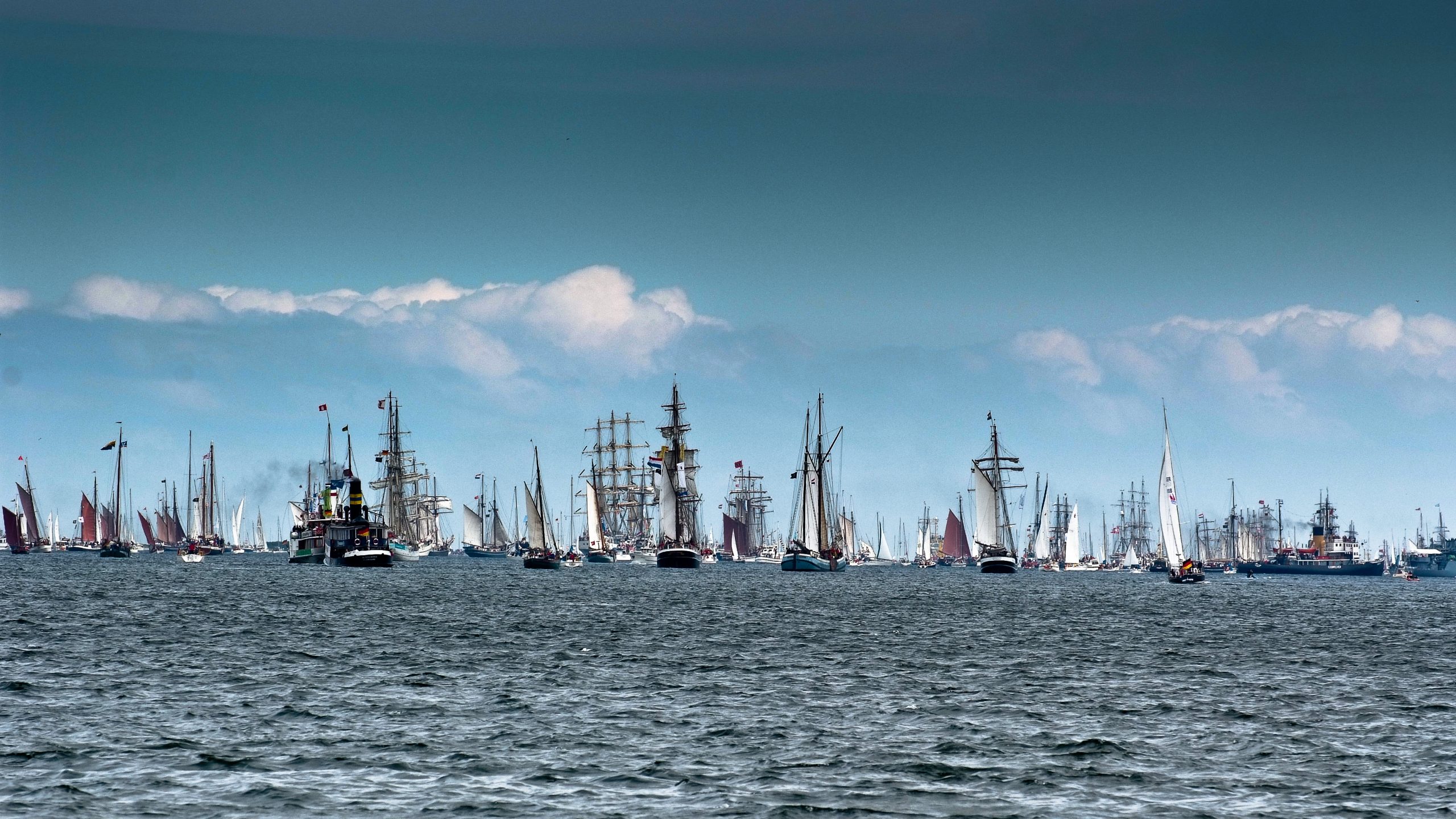
Kieler Woche is an annual sailing regatta and open waterfront festival held in Kiel, typically in the third week of June. It runs for approximately nine days and draws more than three million visitors, making it one of the largest sailing events in the world by attendance.
The event has two distinct layers. The first is a serious international sailing competition, with Olympic-class athletes and professional crews racing on the Kieler Förde and in the open Baltic Sea. The second is a large, free-access public festival spread across the city’s waterfront, with concerts, food stalls, trade displays, and tall ships moored along the harbor.
For casual visitors, the festival side is what shapes the experience. Most travelers will spend the majority of their time in the public zones rather than tracking race schedules.
Kiel is the natural host for this event. The city sits at the southern end of the Kieler Förde, a fjord connecting it directly to the Baltic Sea. It has a deep maritime history, serves as Germany’s primary naval port, and has hosted the regatta since 1882. The sailing infrastructure and the city’s orientation toward the water make Kieler Woche feel genuinely rooted in its location rather than imposed on it.
Quick Facts
- When: Late June, typically the third week of June, lasting around nine days
- Where: Kiel, Schleswig-Holstein, northern Germany
- Cost to attend: Free (food, drink, and some concerts are paid separately)
- Getting there: ICE or regional rail from Hamburg, approximately 75 minutes
- Accommodation tip: Book three to four months in advance
The Sailing Program: What Visitors Actually See
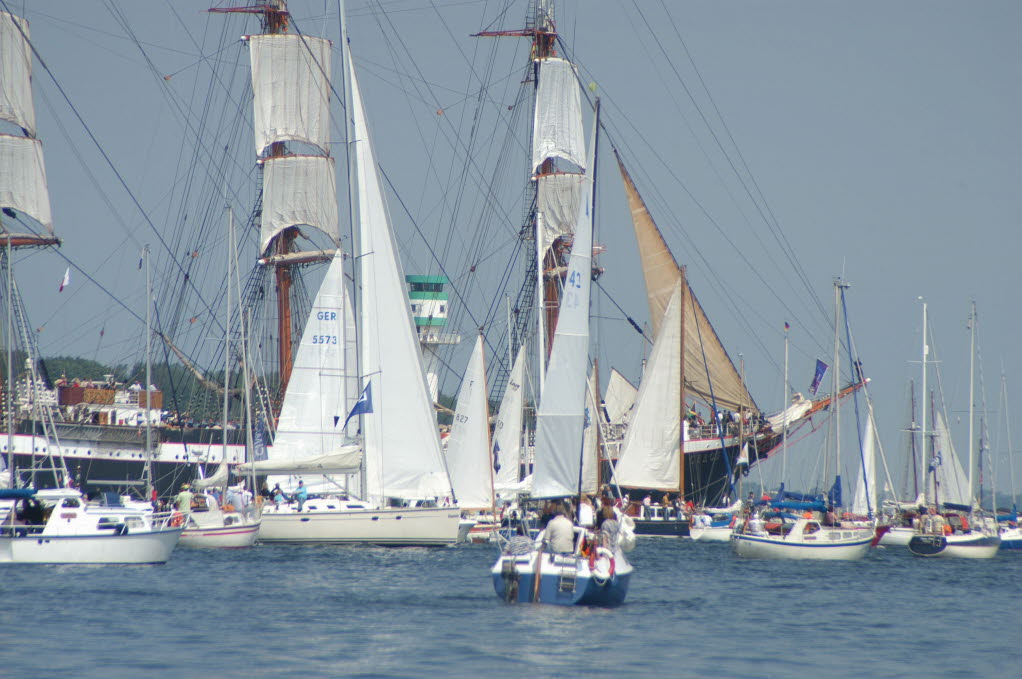
The competitive sailing at Kieler Woche is substantial. Race categories include Olympic-class dinghy fleets, keelboats, and offshore races, with courses set across the Kieler Förde and extending into the open Baltic.
The main limitation for land-based spectators is visibility. Most of the racing takes place offshore or far enough out on the Förde that it is not clearly visible from the waterfront promenade. Travelers who expect to stand on the Kiellinie and watch close racing will likely be disappointed.
The exceptions are the parade of nations and race start and finish activity near the harbor entrance. These moments bring the sailing within viewing range and are the most accessible part of the competition for visitors without a sailing background.
The sailing program appeals primarily to those with a genuine interest in competitive sailing. General visitors tend to engage with the races through the atmosphere rather than close observation. A large number of sailboats on the water, the sound of race announcements, and the visible presence of teams and support crews all contribute to the event’s character, even when the races themselves are distant.
Travelers should not come expecting a spectator sport in the conventional sense. Kieler Woche rewards those who appreciate the broader sailing culture on display rather than those looking for stadium-style viewing.
The Harbor Festival: How the City Is Organized
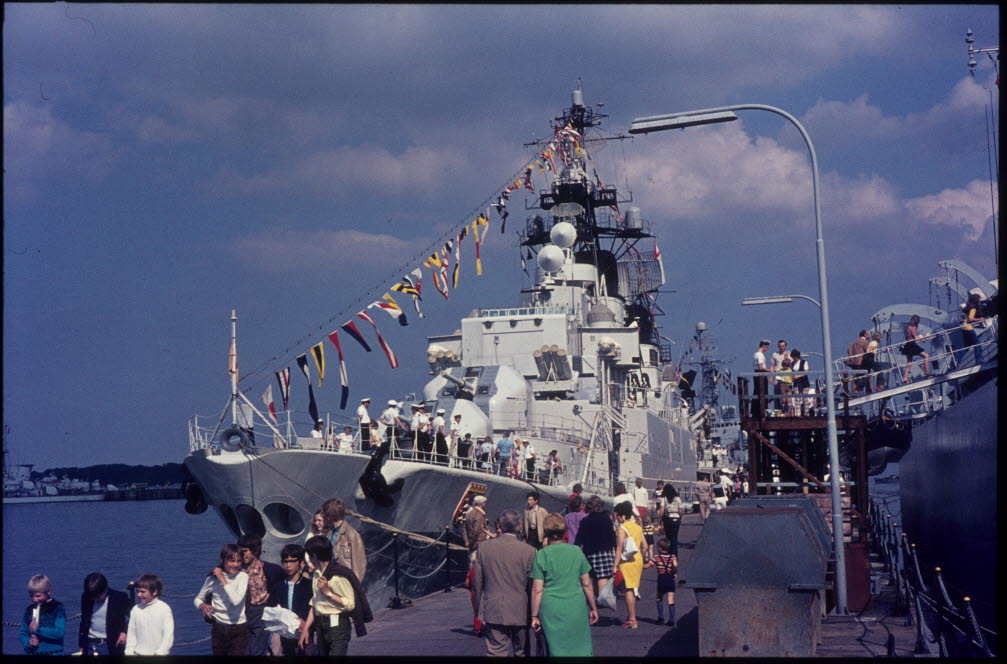
The festival zone at Kieler Woche is spread across several distinct areas, each with a different character. Understanding the layout before arriving helps travelers use their time more efficiently.
The Kiellinie is the main promenade along the Förde and hosts the largest concert stage, the most foot traffic, and the greatest concentration of food and drink stalls. It is the center of the festival for most visitors.
The marina areas near the harbor are denser with trade displays, nautical equipment, and commercial exhibitors alongside food vendors. These zones have a more professional and industry-facing atmosphere.
Rathausplatz, the central city square, offers a more urban festival atmosphere with its own stage program and is easier to navigate than the waterfront zones during peak hours.
Schrevenpark, further from the waterfront, provides a quieter alternative for visitors who want to step away from the main crowds.
The flow of the event matters for planning. Early weekdays tend to be quieter and more navigable. Crowd levels build steadily through the week and peak sharply on the final weekend, particularly the closing Saturday. Travelers who prefer space and a lower-noise environment will find the first half of the festival considerably more comfortable.
The entire festival is free to attend. Costs are limited to food and drink, any paid concerts, and some premium evening events. This is an important practical detail for budget planning, since the free access is not always obvious to first-time visitors.
Concerts and Evening Events
The music program at Kieler Woche runs across multiple free open-air stages throughout the festival zone, alongside a smaller number of ticketed headline concerts held at dedicated venues.
The free stages lean toward pop, folk, and rock, with a mix of regional and national acts. Travelers looking for classical music, jazz, or more niche genres will find the free program limited in that direction.
After dark, the Kiellinie takes on a distinct atmosphere. The harbor is lit, boats are moored within view, and the main stage draws large crowds for evening concerts. This combination works well for visitors who enjoy high-energy outdoor events with a waterfront backdrop.
The main drawback for visitors who prefer quieter evenings is that noise and crowd density along the Kiellinie can be high after around 8pm. Travelers sensitive to this should plan to attend earlier in the day or retreat to side streets and the Schrevenpark area after sunset.
Lineups for specific concerts are typically announced several months before the event. Checking the official Kieler Woche program in advance is the reliable way to plan around any specific acts.
Food, Drink, and What to Expect at the Stalls
The food offer at Kieler Woche reflects the Baltic coast rather than the Bavarian style more commonly associated with German festivals. Grilled fish, Fischbrötchen (open-faced fish sandwiches), herring, smoked fish, and seafood feature prominently. Labskaus, a traditional northern German dish made with cured meat and beetroot, appears occasionally. Standard German festival fare, including sausages, pretzels, and beer, is also widely available.
This regional character is one of the things that makes the food offer at Kieler Woche feel specific rather than generic.
Pricing is honest to plan around. Festival food stalls are not cheap. Travelers should expect standard German open-air event pricing, which is higher than everyday restaurant costs. Budget travelers should factor this in when planning daily spending.
A more local option exists. The waterfront fish market near the harbor operates during the festival period and offers slightly less festival-inflated pricing for seafood. Visitors who want fresh fish without paying full festival markup can look for it there.
Kieler Woche vs. Other German Festivals
Travelers familiar with Oktoberfest often use it as a reference point. The comparison is useful but limited. Kieler Woche draws more total visitors than Oktoberfest, but the experience is structurally very different.
Kieler Woche is dispersed across several kilometers of waterfront and multiple city zones. Oktoberfest is concentrated in a single fairground. Kieler Woche is not alcohol-centric, the overall atmosphere is less performative, and the dress code is ordinary summer clothes rather than traditional costume.
Compared to wine festivals or Christmas markets, Kieler Woche is also distinct in a more meaningful way. It is genuinely tied to a specific place and culture. The Kieler Förde, the maritime history of Schleswig-Holstein, and the presence of international sailors and naval vessels give the event a layer of professional activity that generic seasonal festivals do not have.
The event has a notably more local and community-oriented character in its first half, before international visitor numbers build. Travelers who find the atmosphere at major German tourist events overly staged may find Kieler Woche more natural in comparison.
This tends to appeal more to visitors who are curious about northern German culture and maritime life than to those primarily interested in the pageantry that defines some of Germany’s better-known festivals.
Kiel as a Base: The City Beyond the Festival
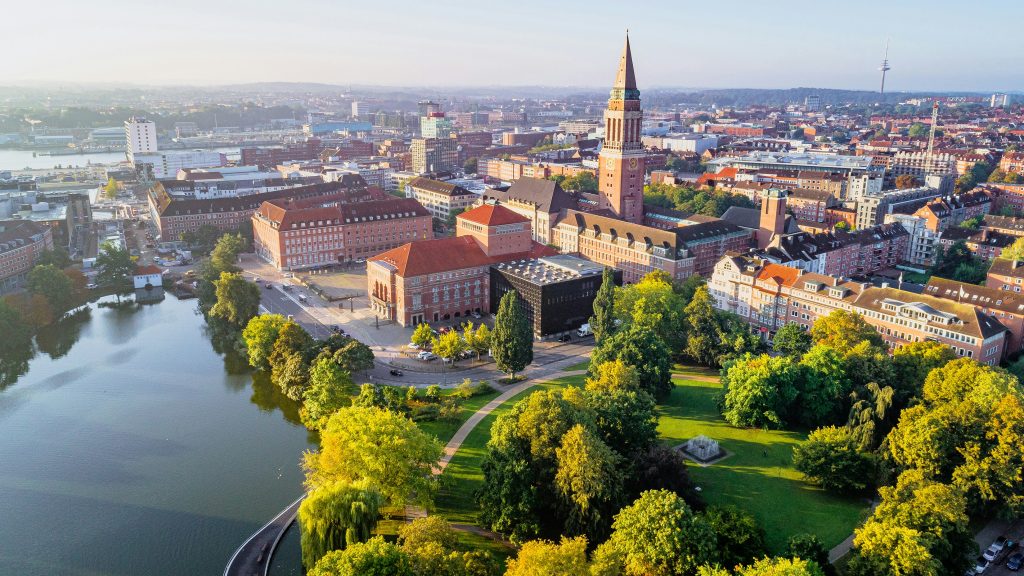
Kiel was heavily bombed during World War II and rebuilt substantially in the postwar period. Architecturally, it is less distinctive than many German destinations. Travelers visiting primarily for historic streetscapes or medieval city centers will not find what they are looking for.
The city’s genuine strengths lie in its relationship with the water. The Kieler Förde is a working fjord with ferries, sailboats, and cargo traffic. Kiel is Germany’s main ferry departure point for routes to Oslo, Gothenburg, and Oslo, making it a practical gateway to Scandinavia as well as a destination in its own right.
The Kiel Canal (Nord-Ostsee-Kanal), which begins just outside the city, is the world’s busiest artificial waterway by ship traffic. Watching vessels transit the canal locks at Kiel-Holtenau is a surprisingly compelling way to spend an afternoon and requires no planning.
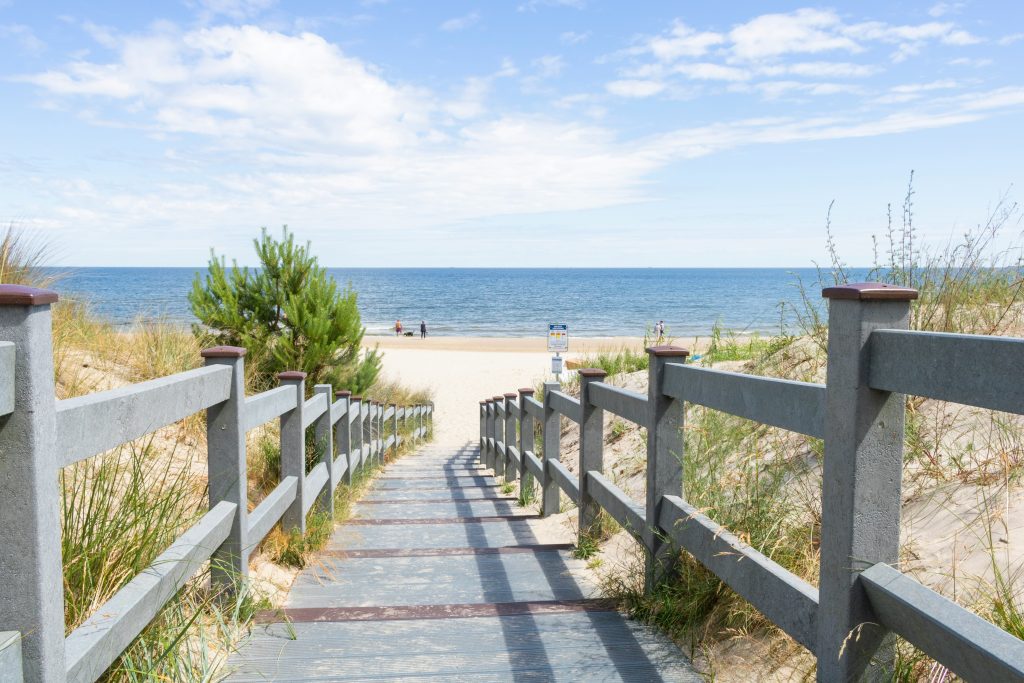
Day trips within practical range include Lübeck, approximately 90 minutes by regional train, with its Hanseatic architecture and the Holstentor gate. The beaches at Laboe and Heikendorf along the Förde are accessible by ferry from the city center and are suitable for a slower morning or afternoon.
Kiel is not a destination most travelers would visit without a specific reason to be there. That is a fair and useful thing to say. The festival is the primary draw, and the city’s other attributes are best treated as supporting content for a multi-day visit.
Practical Planning: Timing, Accommodation, and Getting Around
Getting There
The standard route to Kiel for most international visitors runs through Hamburg. ICE and regional rail services connect Hamburg Hauptbahnhof to Kiel Hauptbahnhof in approximately 75 minutes, with regular departures throughout the day. Rail is the recommended option. Driving to Kiel during Kieler Woche is not practical. Parking in the city is limited during the festival and congestion around the waterfront zones is significant.
Where to Stay
Accommodation in Kiel books out early for Kieler Woche. Travelers should expect to book three to four months in advance to secure reasonable options at reasonable prices. Hotels closer to the Kiellinie and the waterfront command a significant premium during festival week.
An alternative worth considering is staying in a nearby town such as Neumünster, approximately 40 minutes by train, or Lübeck, around 90 minutes, and commuting into Kiel for festival days. This approach trades convenience for lower accommodation costs and better availability.
Getting Around the Festival
The main festival zones are connected on foot, but the distances involved are longer than they appear on a map. Walking from the Kiellinie at its northern end down to Rathausplatz takes 20 to 30 minutes at a comfortable pace. Visitors planning to move between multiple zones in a single day should wear comfortable shoes and build in realistic walking time.
Local buses and the Kiel ferry system provide additional options for moving between zones, particularly for visitors who want to avoid the busiest stretches of the waterfront promenade.
For timing, early weekdays suit visitors who prefer lower crowd density. The final Saturday of the festival is the high-water mark for atmosphere and attendance, suitable for those who want the full-energy version of the event.
The Broader Baltic Coast Context
Kieler Woche works well as the centerpiece of a longer Baltic coast itinerary. Travelers can combine it with a stay in Lübeck, which offers Hanseatic architecture, the Holstentor, the Marienkirche, and Thomas Mann connections within a very compact and walkable old town.
A ferry crossing to Scandinavia from Kiel adds an international dimension to the trip that is straightforward to add with advance booking. Stena Line and Color Line operate routes from Kiel to Oslo and Gothenburg.
The coastal character of Schleswig-Holstein deserves mention as a travel context in its own right. Germany’s Baltic coast is quieter and far less internationally well-known than the Bavarian Alps or the Rhine Valley. The landscape is flat, open, and maritime in character.
This region appeals most to travelers who prefer water, open skies, and a slower pace over the denser tourism of southern Germany. The difference in atmosphere is significant. Northern Germany feels distinct from the rest of the country in culture, food, landscape, and pace.
Schleswig-Holstein has its own regional identity shaped by centuries of contested governance between Germany and Denmark. That history adds cultural texture to a longer visit and is visible in the architecture, the food traditions, and the place names across the region.
Is Kieler Woche Worth Planning a Trip Around?
Kieler Woche is worth a dedicated visit for travelers interested in sailing culture, maritime environments, and large outdoor festivals that feel grounded in a specific place.
The combination on offer is genuinely uncommon: a serious international sailing competition running in parallel with a free public festival, set on a working northern German fjord, with a food program that reflects the region rather than a generic event template.
It is not the right choice for everyone. Travelers primarily chasing German history, medieval architecture, or castle landscapes will find limited overlap with what Kieler Woche offers. Those sensitive to crowds and sustained noise should avoid the final weekend. Visitors with limited time in Germany who would need to sacrifice a major destination to attend should weigh that tradeoff carefully, since Kiel does not have the same breadth of appeal as Berlin, Hamburg, or Munich outside of the festival.
The case for going is clearest when Kieler Woche anchors a multi-day Baltic coast trip rather than serving as a single-day excursion from Hamburg. A day trip is possible, but the better version of the visit involves two or three days in Kiel to take in both the festival energy and the slower side of the Förde, with time built in for the surrounding coastline and a day trip to Lübeck.
Visitors who do it that way tend to find that the event and the setting together are more than the sum of their parts.