Frankfurt Between the Römer and the Skyline
Frankfurt is one of Europe’s major financial centers. It is also a city that rebuilt an entire medieval quarter from scratch after World War II. That combination makes it harder to categorize than most German cities, and easier to underestimate.
The most common misconception is that Frankfurt works only as a layover. Travelers who stop for one night often leave thinking they’ve seen it. Those who give it two full days tend to come away with a different view.
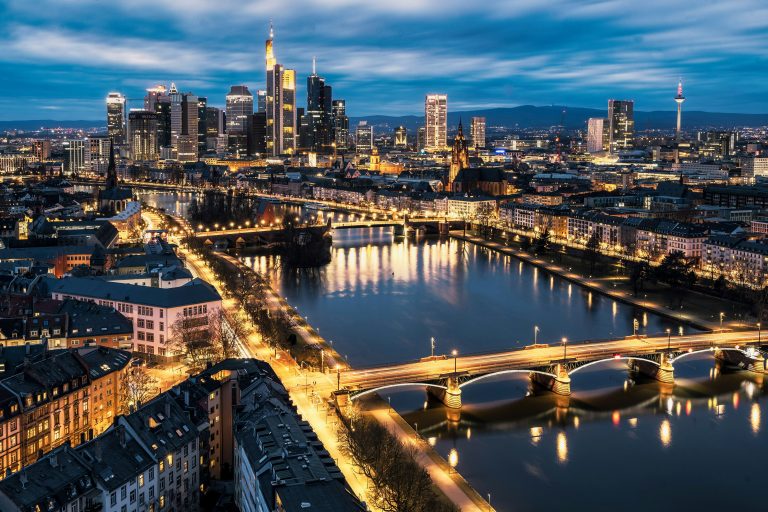
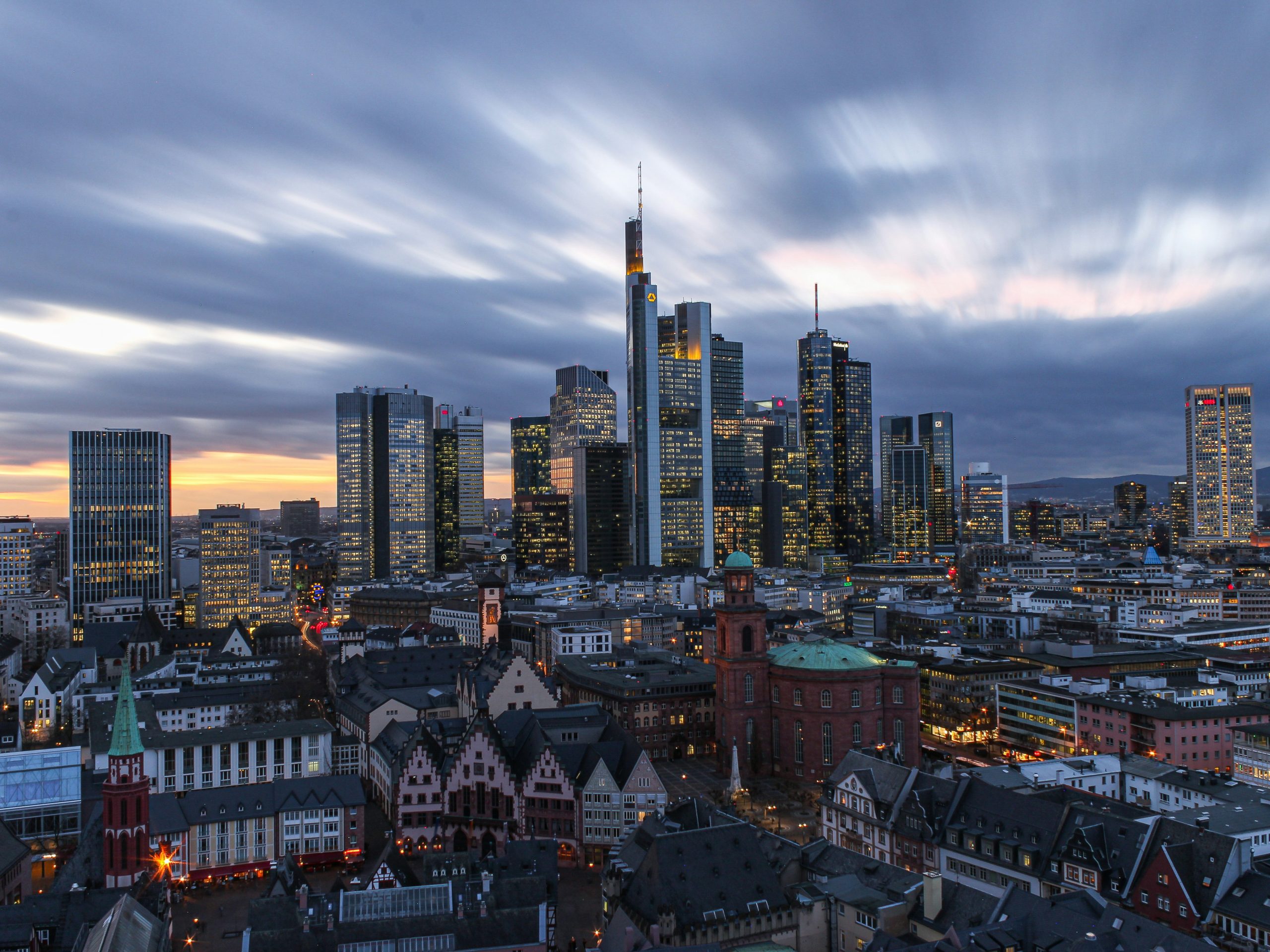
The city is compact and mostly flat. Its main districts are walkable from each other, and the contrast between the reconstructed Altstadt and the glass towers of the financial district is visible from almost every vantage point.
That contrast is the best lens through which to understand the things to do in Frankfurt. The city rewards visitors who engage with both sides of it rather than treating either as a detour.
The Römerberg: What the Old Town Actually Is (and Isn’t)
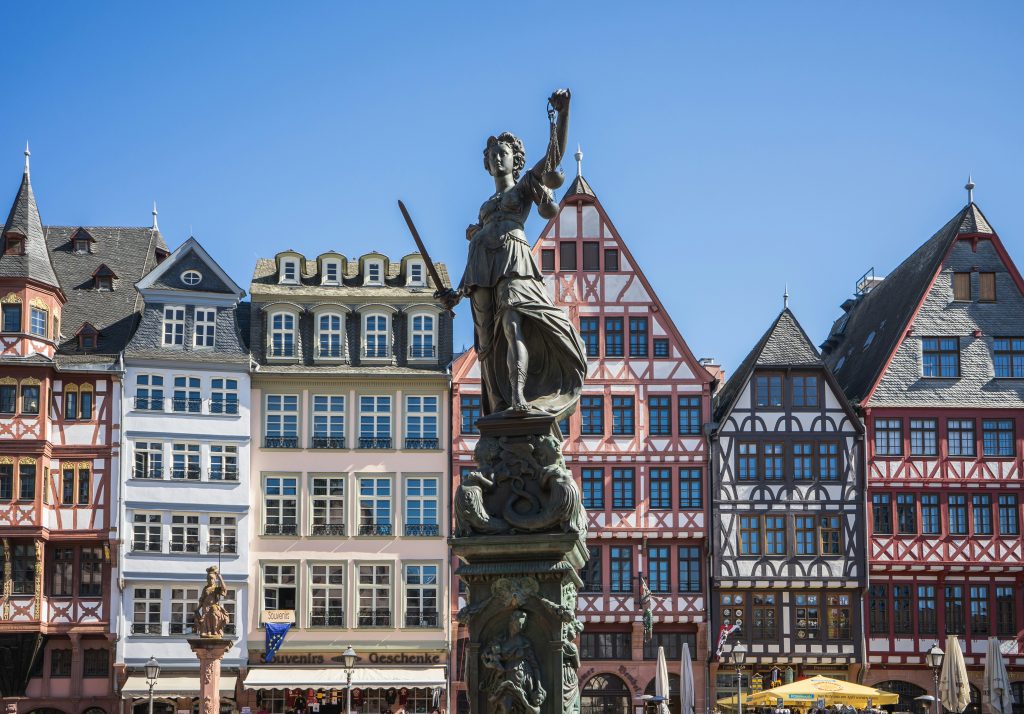
The Römerberg is Frankfurt’s central medieval-style square. Travelers should know upfront that it is not a surviving original. The square and its surrounding buildings were almost entirely destroyed in 1944 and reconstructed after the war. The famous Ostzeile row of timber-frame houses on the east side of the square dates to a 1980s rebuilding, not to the Middle Ages.
That context matters for managing expectations. The craftsmanship is high and the scale is genuinely human, but visitors looking for worn stone and layers of authentic history will find the Römerberg reads as assembled rather than accumulated.
What is worth seeing: the Römer itself, the three-gabled city hall facade that has served as Frankfurt’s civic symbol for centuries. The surrounding square gives a clear sense of the urban proportions that once characterized the city.
The Kaiserdom, Frankfurt’s Imperial Cathedral, is a different case. It is a genuine medieval structure, dating in parts to the 13th century, and warrants a short visit.
Timing matters at the Römerberg. Tour groups arrive mid-morning and the square can become congested by late morning in summer.
Early arrival, before 9am, gives a noticeably different experience.
The Römerberg’s Christmas market is widely considered one of Germany’s more atmospheric. For visitors planning around that, it runs from late November through December 22 and draws large crowds, which is itself a relevant planning variable.
Dom-Römer Quarter: A Reconstruction Worth Understanding
Between the Römerberg and the Kaiserdom lies the Dom-Römer quarter, opened to the public in 2018. It represents one of the most significant urban reconstruction projects in postwar German history.
The project rebuilt 35 structures on the footprint of streets that were destroyed in the 1944 bombing raids. Some buildings are direct reconstructions of specific historical houses, recreated from archive records and surviving drawings. Others are contemporary infill buildings designed by different architects, deliberately differentiated in style from the reconstructions.
That contrast between old-form and new-form buildings is intentional, and it is part of what makes the quarter architecturally interesting.
Walking only the perimeter misses most of it. The internal lanes, particularly around the Hühnermarkt, are where the scale and texture of the project become clear. These narrower streets read more like the original urban grain the area would have had.
The Dom-Römer quarter works best for visitors interested in urban history, heritage debates, or contemporary architecture. It is less engaging for travelers expecting an unmediated medieval experience. Setting that expectation clearly before arriving prevents the kind of disappointment that fuels Frankfurt’s reputation as a city that underwhelms.
The Bankenviertel: Frankfurt’s Skyline Up Close
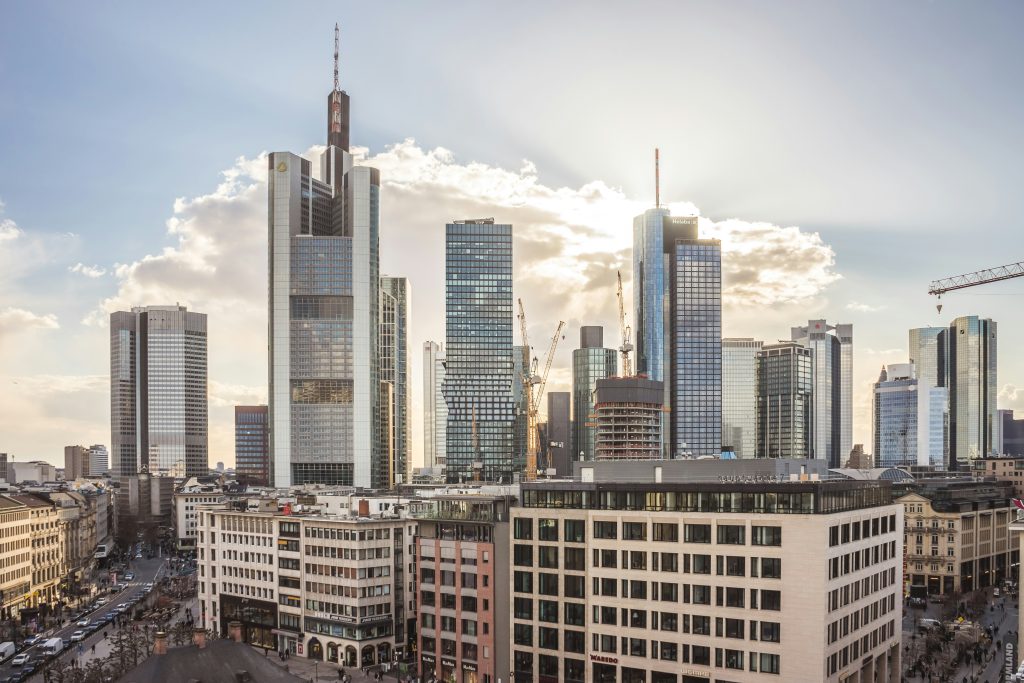
The Bankenviertel, Frankfurt’s financial district, sits roughly 10 to 15 minutes on foot northwest of the Römerberg. The skyline is visible from most of the city center, but walking into the district is a different experience from looking at it from across the Main river.
At street level, the Bankenviertel is quieter than it looks from a distance. On weekdays it functions as a working office district. On weekends it is largely empty, which gives visitors more room to move and look, but less of the ambient life that makes a neighborhood feel inhabited.
The architectural range is more varied than the glass-and-steel shorthand suggests. 1970s towers in concrete and cladding stand next to 1990s curtain-wall buildings and more recent structures with different silhouettes. For visitors paying attention to that variation, the district works as an open-air survey of several decades of commercial architecture.
The Main Tower is the practical reason most visitors come here. It is the only Frankfurt skyscraper with a public observation deck. The platform sits at 200 meters and offers unobstructed sightlines across both the financial district and the river. Tickets cost around 10 euros for adults. The deck is fully exposed to weather, which is relevant for trip planning.
The Bankenviertel is not a place for lingering over lunch. It works best as a purposeful walk or a destination for the Main Tower rather than as an all-day area.
The Museumsufer: Frankfurt’s Overlooked Cultural Spine
Along the south bank of the Main river in Sachsenhausen, Frankfurt has assembled one of Germany’s densest concentrations of museums. The Museumsufer (museum embankment) runs for roughly two kilometers and includes more than a dozen institutions.
Trying to cover multiple museums in a single day is a mistake. One or two is a realistic pace for anyone who wants to engage meaningfully rather than move through quickly.
The strongest options for different types of visitors:
- Städel Museum: One of Germany’s most significant art collections, covering European painting from the 14th century to the present. This is the Museumsufer’s anchor institution and warrants several hours.
- Museum für Kommunikation: Covers the history of communication technology and media. Less visited and more unexpected than the name suggests.
- Deutsches Filmmuseum: Focused on cinema history and technique. A good option for visitors with a specific interest in film.
For trip-timing purposes: the Museumsufer Festival takes place over a late-August weekend each year, typically the last weekend of August. During the festival, many institutions reduce or waive admission fees. It is one of Frankfurt’s better reasons to plan a visit around a specific date.
The Museumsufer is among the strongest arguments against treating Frankfurt as a transit stop. It offers genuine depth, but only if the schedule allows for it.
Sachsenhausen and the Apple Wine Taverns
Sachsenhausen is the district directly south of the river, and it is where Frankfurt feels most accessible to visitors. The streets are smaller in scale, the architecture more varied, and the pace less driven by office traffic or tourist throughput.
It is also where Frankfurt’s most distinctive food tradition is concentrated. Ebbelwei, the local term for Frankfurt apple wine, is the city’s defining drink. It is fermented apple juice with a dry, tart, slightly sour character.
Apple wine is served in a traditional ceramic jug called a Bembel, typically poured into ribbed glass tumblers. It is an acquired taste. Visitors who expect something close to cider will likely find it sharper and drier than anticipated.
That said, trying it is part of understanding Frankfurt’s food identity in a way that other experiences in the city are not.
For traditional taverns, Schweizer Strasse and the streets around the Lokalbahnhof are the more reliable areas. The establishments closer to the museum strip tend to serve a tourist-facing clientele. Walking five minutes further south makes a noticeable difference in atmosphere and often in price.
Sachsenhausen functions well as an evening destination after a day spent in the Altstadt or the Museumsufer.
Kleinmarkthalle: The Most Useful Hour in Frankfurt
The Kleinmarkthalle is an indoor market hall a short walk north of the Römerberg. It is a working market, not a food tourism showcase. Locals buy produce, meat, cheese, and provisions here on a daily basis.
For visitors, the upper-level counter stalls offer a practical and low-cost lunch. The ground floor is worth moving through for regional cheeses, Frankfurt’s distinctive Grüne Soße herb sauce ingredients, and charcuterie from local producers.
The Kleinmarkthalle is closed on Sundays. Mid-morning is the best time to visit. Stock at some stalls thins out by late afternoon.
This is a one-hour stop, not a half-day activity. It fits naturally into a morning spent in the Altstadt before museums or the Bankenviertel.
Planning the Contrast Walk: Old Town to Skyline
The geographic argument for Frankfurt’s walkability is most visible in the route that connects its two defining areas. The walk from the Römerberg through the Dom-Römer quarter to the Bankenviertel and the Main Tower is approximately 2 to 3 kilometers, entirely flat, and takes about half a day when done at a reasonable pace.
A logical sequence: Römerberg square in the early morning, through the Dom-Römer lanes toward the Kaiserdom, north along Braubachstrasse past the Paulskirche (Frankfurt’s democratic assembly building, briefly worth noting for its history), continuing to Goetheplatz and then into the Bankenviertel, finishing at the Main Tower.
From the observation deck, the visual relationship between the old town reconstruction below and the financial towers around becomes fully legible. That view is one of the more useful ways to understand what Frankfurt actually is.
The Main Tower observation deck is weather-dependent. The platform is open-air and exposed on all sides. Check conditions before going, particularly in winter. Hours vary seasonally; the observation deck generally opens at 10am and closes in the evening, with earlier closing times outside summer months.
After the Main Tower, returning via the riverbank south toward Sachsenhausen makes for a natural second half to the day.
When to Visit and What to Skip
Frankfurt’s trade fair calendar, the Messe, creates pricing conditions that catch visitors off guard. Several major events inflate hotel rates significantly. The IAA Mobility fair (September, in alternating years), the Buchmesse (Frankfurt Book Fair, mid-October), and various industry trade shows can double or triple hotel costs within days of their dates.
Checking the Messe Frankfurt calendar before booking is a practical necessity, not a suggestion.
Spring (April through June) is generally the best overall window for visiting. The weather is reliably mild, the Christmas market crowds are absent, and the Museumsufer is fully operational.
Late autumn is workable but daylight is limited, compressing the time available for outdoor areas like the riverbank and the Bankenviertel walk.
Frankfurt is also a city with clear limitations worth naming. It does not offer the extent of genuine historic fabric that Regensburg, Erfurt, or Lübeck provide. Visitors whose primary interest is in preserved medieval architecture will find those cities more rewarding.
Frankfurt works best for travelers interested in the tension between history and modernity, finance and culture. Those expecting picture-postcard Germany are likely to be disappointed. Those willing to engage with a city that rebuilt itself and kept going will find more than the transit-hub reputation suggests.
Two Days in Frankfurt: A Realistic Framework
Two days is the minimum needed to move through Frankfurt’s main areas without rushing. This framework is meant to set expectations rather than prescribe a fixed itinerary.
Day one is best spent in the historic center and along the river. The Altstadt, Dom-Römer quarter, and Kleinmarkthalle in the morning. One museum from the Museumsufer in the afternoon. An evening in Sachsenhausen.
Day two shifts to the financial district. The Bankenviertel walk and Main Tower are best done before midday, when the deck is less crowded and the light is more useful for photographs. The afternoon is flexible based on interest: the Goethe House (birthplace of Johann Wolfgang von Goethe, located near Goetheplatz) works for visitors interested in literary history. A second Museumsufer museum is an option for those who want more cultural depth.
Frankfurt also functions well as a base for day trips into the surrounding region. Rüdesheim and the Rhine Gorge are accessible by train in under an hour. Heidelberg is around an hour by regional rail. For visitors on longer Germany itineraries, this geographic position adds real value to Frankfurt as a hub, even for those not particularly drawn to the city itself.
What Frankfurt rewards, consistently, is patience and a willingness to look past the default assumption that there is nothing here beyond banks and an airport. The Museumsufer alone is sufficient reason to stay.