Spring in Germany: Blooming Gardens and Festivals

Spring in Germany runs from March through May, with the best travel window depending on whether you want early blossoms, festivals, or warmer hiking weather. April and May are typically the strongest months for most travelers, while March works well for early city trips and late-season skiing in the Alps.
This guide explains what spring in Germany is like, when the season begins, where to see spring flowers, and which destinations are best during each month.
In many parts of the country, spring arrives gradually. Western regions along the Rhine warm up earlier, while Bavaria and the Alps often stay cooler well into April. Cherry blossoms, beer gardens, and spring festivals follow this north-to-south progression.
Quick overview of spring in Germany by month
| Month | What Spring Is Like | Best Places to Experience It |
|---|---|---|
| March | Early spring cities, fewer crowds, late-season skiing in the Alps | Dresden, Frankfurt, Bavarian Alps |
| April | Cherry blossoms, spring flowers, Easter markets, mild city travel | Bonn, Berlin, Rhine Valley |
| May | Beer gardens, hiking season, castles and gardens at their best | Munich, Black Forest, Potsdam |
Spring is also one of the best times to visit castles across Germany, before peak summer crowds arrive and when the surrounding landscapes start turning green again.
If you’re still deciding when to go, you can also check my full month-by-month guide to Germany to compare spring with the rest of the year.
When Is Spring in Germany?
Spring in Germany generally runs from March through May, although the exact timing varies depending on geography. Western regions such as the Rhine Valley warm up earlier, while Bavaria and the Alpine south often remain cooler until later in April.
Daytime temperatures typically range from about 7–15°C (45–60°F) in March and gradually climb to around 20°C (68°F) or higher by May. The transition is rarely smooth. Sudden rain showers and brief cold snaps are common, especially during April.
Regional patterns shape how spring unfolds:
- Bavaria and the Alpine south: Spring arrives later here. Snow can still fall in higher elevations in April, and alpine meadows only begin blooming toward May.
- Rhine and Mosel valleys: These protected river valleys warm quickly. Cherry blossoms and fruit tree blooms often appear by late March.
- Northern Germany: The Baltic and North Sea coasts experience slower warming and stronger winds, but the days grow long quickly as spring progresses.
- Central Germany: Regions such as Thuringia and Hesse tend to experience a balanced transition between cooler alpine climates and warmer western valleys.
Because spring progresses gradually across the country, timing a trip around a particular bloom or seasonal activity can make a significant difference.
Best Places to Visit in Germany in Spring
Spring is one of the most rewarding seasons to explore Germany. Cities feel lively again after winter, gardens begin to bloom, and landscapes turn green almost overnight.
Several destinations stand out particularly well during this time of year:
- Bonn: The city’s Altstadt is famous for its cherry blossom tunnels that typically bloom in early to mid-April.
- Rhine Valley: Medieval castles overlooking vineyards are surrounded by fresh greenery and blossoming fruit trees.
- Potsdam: The gardens and palaces around Sanssouci Park offer some of the most impressive spring landscapes in Germany.
- Munich: Beer gardens reopen and locals return to outdoor social life after winter.
- Black Forest: Spring snowmelt fills waterfalls and forest trails begin to turn vibrant green.
These destinations combine mild weather, natural beauty, and seasonal traditions that define German spring travel.
Germany in March
March marks the beginning of spring in Germany, although winter conditions can still linger.
Cities are usually the best destinations during this period. Historic centers, museums, and cafés provide plenty to explore even if temperatures remain cool. Frankfurt, Dresden, and Cologne are particularly appealing for early spring city breaks.
In the Bavarian Alps, late-season skiing remains possible at higher elevation resorts such as the Zugspitze and Nebelhorn. This makes March an interesting month where winter and spring experiences overlap.
Travelers visiting Germany in March often benefit from lower hotel prices and fewer crowds compared with later spring months.
Many of Germany’s most famous castles, like Burg Eltz, are especially enjoyable in early spring when visitor numbers are still low. The Rhine Valley is another great option this time of year, with quieter towns and scenic river views before peak season.
Germany in April
April is when spring becomes clearly visible across much of Germany. Trees begin to bloom, parks turn green, and outdoor cafés reopen in cities throughout the country. One of the most famous seasonal sights is the cherry blossom season, especially in Bonn’s historic old town.
Wine regions also begin to show early vineyard blossoms. Areas along the Rhine and in the Palatinate wine route offer particularly scenic landscapes during this period.
Weather can still be unpredictable—Germany even has a saying about it: “April, April, der macht was er will” (“April does whatever it wants”). Despite occasional showers, the combination of flowers and festivals makes April one of the most interesting months to visit.
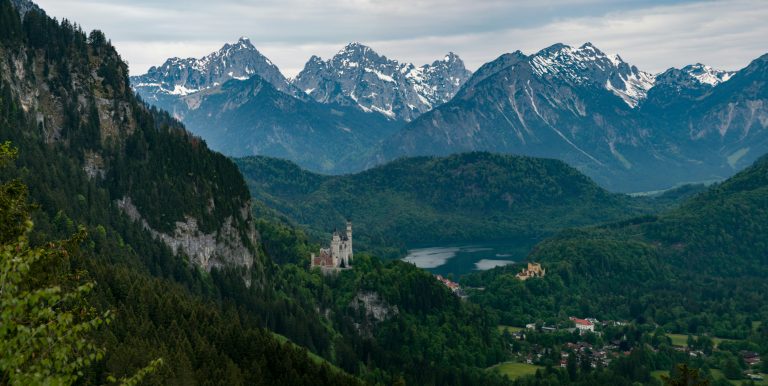
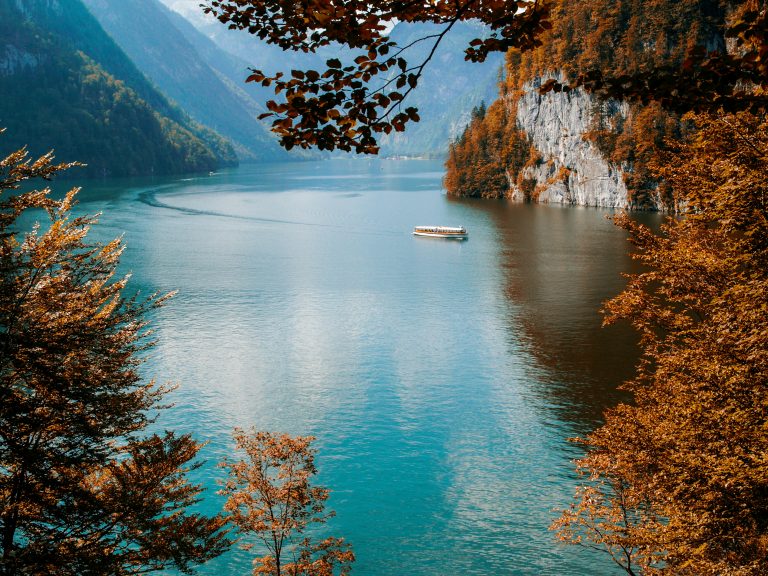
The Black Forest region is one of the best places to experience spring in Germany, with hiking trails reopening and waterfalls at their strongest after the winter melt. As temperatures rise, Germany’s lakes start to come back to life, especially in southern regions like Bavaria. If you’re heading south, the lakes in Bavaria are a great mix of mountain views and quiet springtime atmosphere before the summer crowds arrive.
Cities like Freiburg make an excellent base in spring, with easy access to the Black Forest and a relaxed, outdoor-focused atmosphere.
Germany in May
May is widely considered the best overall spring month to visit Germany. Temperatures become more consistent, days grow noticeably longer, and outdoor life returns across the country. Beer gardens fill with locals enjoying the first warm evenings of the year.
Gardens and parks reach their peak greenery during May. Hiking trails in places like the Black Forest and Saxon Switzerland also become more accessible as snow melts at higher elevations.
With mild weather, blooming landscapes, and longer daylight hours, May offers excellent conditions for exploring both cities and natural areas.
By May, even Germany’s northern coastline starts to feel more accessible, and some of the best beaches in Germany become a viable option for a quieter early-season visit.
In cities like Munich, beer gardens begin to fill up again, making it one of the best times to experience local culture outdoors. Stuttgart is another underrated option in spring, especially for vineyard views and day trips into the surrounding countryside.
Spring also marks the start of festival season, with events ranging from local celebrations to larger gatherings across the country.
Spring Flowers in Germany
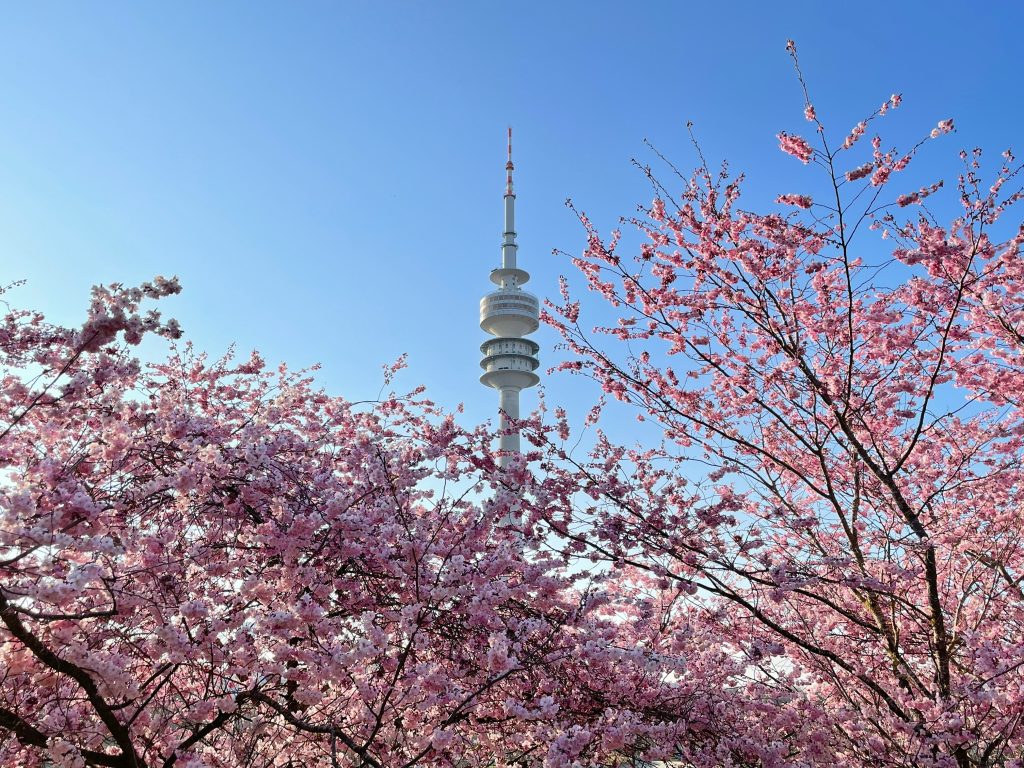
Spring flowers are one of the clearest signs that winter has ended in Germany. Bloom season moves gradually across the country, usually starting in western valleys and lower elevations before reaching Bavaria and the Alps.
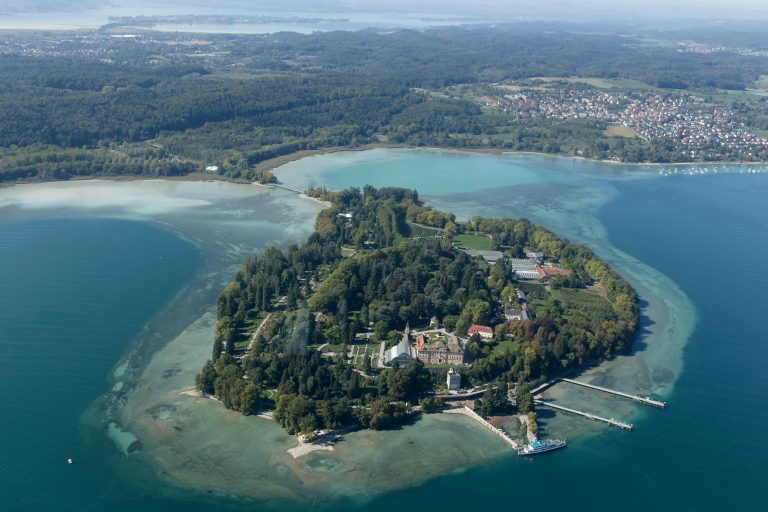
The most famous spring flower display is the cherry blossom season in Bonn, where the Altstadt streets typically bloom in early to mid-April. Other notable places to experience spring flowers include Mainau Island on Lake Constance, the gardens of Sanssouci Palace in Potsdam, and botanical parks in cities such as Berlin and Hamburg.
Spring blooms follow a loose progression:
- March: snowdrops and crocuses.
- Late March to April: cherry blossoms and magnolias.
- April to May: tulips, apple blossoms, and flowering gardens.
- Late May: rhododendrons and azaleas in northern parks.
For travelers who want to plan around flowers, April and early May are usually the strongest overall window. Timing varies slightly by weather, but western Germany generally flowers first, while southern and alpine regions peak later.
Spring Festivals in Germany

Spring festivals in Germany combine seasonal traditions, local folklore, and regional food culture. While Easter is the most widely recognized event, the season also includes smaller celebrations that feel more rooted in local life.
One of the most distinctive is Walpurgisnacht on April 30, especially in the Harz Mountains, where towns such as Thale and Schierke host bonfires, parades, and folklore events linked to legends about witches gathering on the Brocken. Around the same time, many villages celebrate May Day with decorated Maibäume (Maypoles), music, and community gatherings.
Spring also marks the beginning of wine festival season in regions such as the Rhine, Mosel, and Palatinate. Smaller blossom festivals and local vineyard events often start in April and continue into May.
For travelers, the best spring festivals are often found in smaller towns rather than major cities. They tend to feel more traditional, less crowded, and more closely tied to regional customs.
Spring Food in Germany: Asparagus Season and Local Specialties
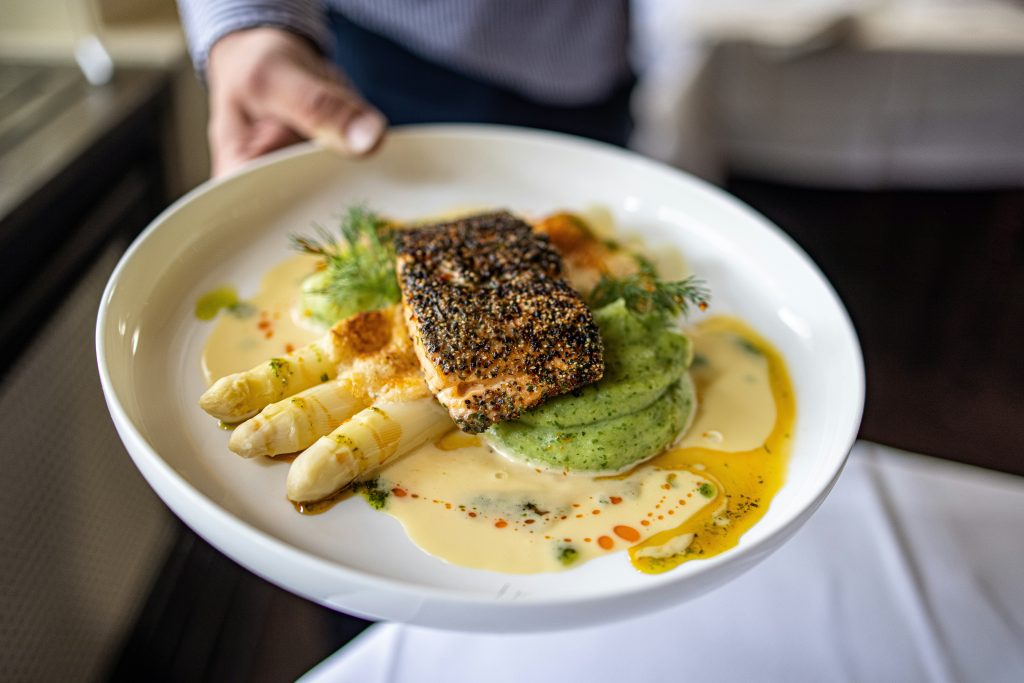
Spring is one of the most distinctive food seasons in Germany. Markets and restaurants begin highlighting ingredients that appear only for a few weeks each year.
The most famous tradition is Spargelzeit, Germany’s celebrated white asparagus season. From mid-April through June 24, white asparagus—often called “white gold”—dominates menus across the country. Towns like Schwetzingen and Beelitz even host asparagus festivals where an annual Asparagus Queen is crowned.
The classic preparation is simple: white asparagus served with new potatoes, melted butter or hollandaise sauce, and sometimes ham.
Spring also brings several other seasonal specialties:
- Bärlauch (wild garlic) used in pesto, soups, and herb butters.
- Maibowle, a spring punch made with white wine and sweet woodruff.
- Rhubarb desserts that begin appearing in bakeries by May.
- Spring lamb featured on many Easter menus.
Weekly farmers markets (Wochenmärkte) return after winter and offer fresh regional produce, from wild herbs to the first local strawberries. For travelers interested in local food culture, spring markets and seasonal restaurant menus provide one of the most authentic ways to experience German cuisine.
Biergarten Season in Germany

The reopening of beer gardens is one of the clearest signals that spring has arrived in Bavaria and other parts of southern Germany.
Beer gardens date back to the nineteenth century when breweries stored beer in underground cellars shaded by chestnut trees. Tables placed above the cellars eventually evolved into the communal outdoor spaces that define Bavarian social life today.
Popular beer gardens include:
- Kloster Andechs southwest of Munich combines a historic monastery setting with panoramic Alpine views and beer brewed by monks since 1455.
- Waldwirtschaft Großhesselohe south of Munich offers live jazz under massive chestnut trees away from tourist routes.
- Prater Garten in Berlin claims to be the city’s oldest beer garden (1837) with a bohemian atmosphere.
- Schillergarten in Dresden provides Elbe River views with benches under 100-year-old chestnut trees.
Spring also introduces seasonal beers such as Maibock, a stronger pale lager traditionally released in May.
Beer gardens often welcome families and groups sharing large communal tables, making them an important part of German outdoor culture.
Spring Hiking in Germany

Spring transforms Germany’s hiking trails as forests and valleys awaken after winter.
Waterfalls become more powerful due to snowmelt, and wildflowers begin appearing along forest floors before trees fully leaf out.
Some of the most rewarding spring hiking regions include:
- The Black Forest: Known for waterfall routes and dense evergreen forests.
- Saxon Switzerland National Park: Dramatic sandstone formations surrounded by emerging greenery.
- The Rhine Gorge: Hiking trails pass castles and vineyards overlooking the river.
- Eifel National Park: Wildflower valleys and volcanic landscapes offer varied spring scenery.
Wildlife viewing opportunities peak during spring. Stork returns are celebrated in villages across Germany, with many towns maintaining webcams on famous nests. April and May bring opportunities to spot deer with young fawns, particularly in early morning or evening. Bird activity reaches its zenith as migratory species return and resident birds establish territories with conspicuous singing.
Trail conditions require consideration during spring. Higher elevation routes may remain snowbound through April, while lower paths can be muddy after rain. The German hiking association (Deutscher Wanderverband) uses a trail difficulty system worth understanding:
- Blue: Easy family-friendly routes.
- Red: Moderate trails with some elevation changes.
- Black: Challenging routes requiring good fitness and proper equipment.
Many German regions maintain “premium trails” designated with specific quality criteria including natural surfaces, minimal road crossings, and scenic diversity. These “Premiumwanderwege” often receive extra maintenance after winter, making them reliable spring choices.
Cultural hiking traditions reach their peak in spring. Organized “Volkswanderung” events combine hiking with community celebrations, food stations, and cultural demonstrations. These often feature multiple route options for different abilities, making them perfect for families or mixed groups.
Spring City Breaks in Germany

Cities across Germany feel noticeably different during spring. Outdoor cafés reopen, parks fill with locals enjoying warmer weather, and urban gardens begin to bloom.
- In Berlin, locals gather in the large park created on the former Tempelhof airport runway.
- In Munich, river paths along the Isar become popular cycling routes.
- In Hamburg, the Alster lakes attract paddleboats and waterfront walkers.
Seasonal museum exhibitions take advantage of spring themes. The German Museum of Technology in Berlin hosts annual renewable energy exhibits coinciding with Earth Day. Cologne’s Chocolate Museum creates special Easter exhibitions, while smaller city museums often showcase local spring traditions and handicrafts.
Car-free initiatives expand during spring in many German cities:
- Münster reopens its famous “promenade” cycle ring around the old city.
- Frankfurt hosts “Mainufer Festivals” with temporary riverbank pedestrian zones.
- Hamburg expands its “Alster loops” connecting park systems for walkers and cyclists.
These car-free days and zones make spring ideal for exploring by bicycle. Most cities offer bike rental systems with 1-3 day passes, and many hotels provide complimentary bicycles for guests.
Rooftop perspectives reveal different cities entirely. Berlin’s Klunkerkranich bar atop a shopping center parking garage in Neukölln offers garden beds, food stalls, and sunset views preferred by locals. Hamburg’s Plaza observation deck at the Elbphilharmonie provides 360° views of the harbor’s spring shipping activity. These elevated spaces typically reopen after winter closures in April or May.
For the photographically inclined, spring light transforms urban landmarks. The golden hour extends later as days lengthen, and post-rain clarity creates exceptional conditions for cityscape photography – especially where rivers reflect newly leafed trees and historic buildings.
Spring is also an excellent time for museum visits, seasonal markets, and photography as longer daylight hours create extended golden hour conditions.
River and Lake Travel in Spring

Germany’s rivers and lakes also become active again during spring. The Rhine Gorge between Bingen and Koblenz is particularly scenic when fresh greenery and blossoming fruit trees surround the region’s medieval castles.
Cycling routes along rivers are especially popular during this season:
- The Elbe Cycle Route passes through fruit-growing regions where apple and cherry blossoms create spectacular displays.
- The Mosel River Path winds through vineyards just beginning their growth cycle.
- The Main River Route connects medieval towns whose half-timbered facades are complemented by window boxes blooming with geraniums.
Boat tours and small-vessel rentals also reopen in many cities, offering a different perspective on Germany’s landscapes and historic towns.
Best Places to Visit in Germany in Spring
If you’re planning a spring trip, a few regions stand out depending on what you’re looking for:
- The Black Forest is ideal for hiking, scenic drives, and waterfalls at their strongest.
- Bavaria’s lakes offer a mix of mountain views and quieter towns before summer tourism ramps up.
- The Rhine Valley combines castles, vineyards, and river scenery with fewer crowds than later in the year.
- Freiburg works well as a base for outdoor exploration with a mild climate and easy access to nature.
- Munich is great for beer gardens, parks, and a lively spring atmosphere.