
Zoos in Germany: The Best Options for Families by Region

Most families visiting Germany plan their trips around specific cities or regions, not around zoo destinations. A ranked list of “best zoos” becomes less useful when the top choice requires a four-hour detour from your actual itinerary.
Germany has over 400 wildlife facilities and more than 30 major zoos. The challenge isn’t finding a quality zoo — it’s choosing the right one for where you’ll already be.
This post organizes zoos by region to match how families actually travel through Germany. Each section focuses on practical tradeoffs: time commitment, age appropriateness, and how the zoo fits into a broader city visit.
The age of your children matters as much as location. A zoo that works beautifully for a three-year-old may bore a ten-year-old. The reverse is equally true.
This post covers the strongest family options in Bavaria, northern Germany, western Germany, eastern Germany, and Berlin, followed by consolidated planning advice that applies across all regions.
Bavaria: Tierpark Hellabrunn (Munich)

Tierpark Hellabrunn is the standout zoo choice in southern Germany for families, particularly those already visiting Munich.
The zoo organizes animals by continent and geographic zone rather than taxonomy. Visitors move through Africa, Asia, the Americas, and Europe in a logical flow. This structure creates a natural narrative that helps with pacing and prevents aimless wandering.
A full visit takes five to six hours with young children. Families can manage a focused half-day visit by prioritizing two or three zones, but this requires advance planning.
The zoo suits mixed-age groups well. The large African savanna section holds the attention of older kids. Petting areas and playgrounds appear throughout the grounds for toddlers.
Who this is for: Families spending three or more days in Munich, or those traveling with children under seven who need outdoor activity breaks between museum visits.
Transportation: Accessible by U-Bahn from central Munich. The zoo has flat terrain manageable with strollers.
Weekends and school holidays bring significant crowds. Weekday mornings during school term offer substantially better conditions.
The tradeoff: Families on a tight Munich itinerary (one to two days) may find a full zoo day hard to justify alongside the city’s other draws. The zoo works best when Munich gets adequate time or when traveling with young children who can’t sustain museum-heavy days.
Northern Germany: Hagenbeck (Hamburg) and the Alternatives
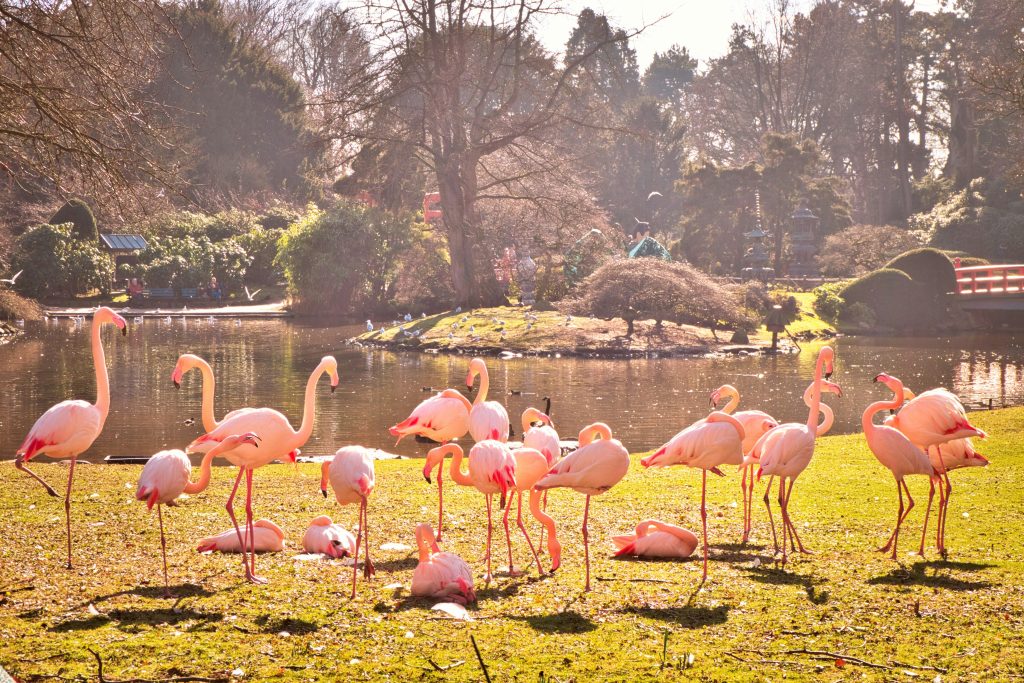
Tierpark Hagenbeck serves as the top family pick in northern Germany, especially for those with Hamburg on their itinerary.
Hagenbeck pioneered the use of open enclosures instead of cages in the early 20th century. The zoo maintains this approach, giving it a spacious feel. Animals remain more visible, and the experience feels less confined than at older zoos with traditional cage structures.
The tropical aquarium operates as a separate ticketed attraction within the zoo grounds. Families should decide in advance whether to add it. The aquarium adds one to 1.5 hours and a meaningful cost increase. Worth it for rainy days or kids interested in marine life, skippable otherwise.
Time needed: Four to five hours for the zoo alone, closer to a full day with the aquarium.
Best for: Families with children roughly ages four to ten. Toddler infrastructure exists, but the zoo rewards walking stamina.
The zoo sits outside central Hamburg. Factor in 20 to 30 minutes of transit from the city center, which matters when managing small children and nap schedules.
Erlebnis-Zoo Hannover offers an alternative for families further inland or passing through Lower Saxony. The zoo uses themed “worlds” that feel more like a theme park. This appeals to older kids but can feel overstimulating for very young children.
The tradeoff: Hagenbeck’s location requires dedicated time. Families squeezing it into an already-packed Hamburg day often feel rushed.
Western Germany: ZOOM Erlebniswelt (Gelsenkirchen) and Cologne Zoo

Western Germany, particularly the Ruhr area and Rhineland, gives families multiple zoo options within a short drive.
ZOOM Erlebniswelt in Gelsenkirchen divides into three large themed areas: Alaska, Africa, and Asia. Each zone functions as an immersive landscape rather than a traditional zoo grid.
This three-zone structure creates natural break points. Families can split the visit across a morning and afternoon with a real lunch pause in between. The defined sections make pacing easier to manage.
Time commitment: Five to six hours to see all three zones without rushing. Trying to compress ZOOM into a half-day leaves most families feeling like they shortchanged the experience.
The distances between zones are real. Less ideal for toddler-only groups.
Best for: Families with kids ages five and up who can handle a full walking day.
Cologne Zoo offers a better pick for families wanting a half-day option or combining the zoo with other Cologne attractions. The zoo has a smaller footprint, central location, and is manageable in three to four hours.
Cologne Zoo works particularly well for younger children. The zoo features compact paths, a well-regarded elephant park, and an attached aquarium that doesn’t require a separate ticket.
The tradeoff: ZOOM delivers the more memorable experience overall. Cologne Zoo is the more practical choice for families who can’t dedicate an entire day.
Eastern Germany: Leipzig Zoo

Zoo Leipzig ranks as one of the most impressive zoos in Germany overall and the clear standout in the eastern part of the country.
Gondwanaland, the massive indoor tropical hall, serves as the zoo’s genuine differentiator. Few other German zoos can match it. Visitors walk through a humid, dense indoor rainforest with free-roaming animals and a boat ride option.
Gondwanaland alone occupies 1.5 to two hours. It functions as a weather-proof anchor for the visit, valuable for spring and fall trips when outdoor conditions are unpredictable.
Full visit time: Five to six hours. Gondwanaland plus the outdoor zoo together make this a full-day commitment.
Mixed-age families and older children appreciate the scale and indoor exploration element. Toddlers enjoy Gondwanaland but may find the rest of the zoo’s footprint tiring.
Leipzig itself is an underrated family city. The zoo integrates well into a two-day Leipzig stop without dominating the entire visit.
The tradeoff: Families whose eastern Germany plans center on Berlin or Dresden may find Leipzig requires a meaningful detour. Worth it if the schedule allows, but not a must-add if it means compressing time in those primary cities.
Berlin: Two Zoos, One City — How to Choose

Berlin has two major zoos: Zoologischer Garten and Tierpark Berlin. Families often aren’t sure whether to visit one, both, or which one to prioritize.
Zoologischer Garten (Berlin Zoo): Centrally located near Kurfürstendamm, compact, very high animal density, includes an excellent aquarium. Best for families with limited time or younger children who benefit from a shorter, more contained visit. Plan for three to four hours.
Tierpark Berlin: Located in the former East Berlin, vastly larger in area, more spread out, fewer crowds. Better for families who want a relaxed, full-day outdoor experience with room to roam. Works well with bikes or a stroller-friendly pace.
Visiting both in one trip is doable but rarely necessary. Choose based on location, available time, and the ages of your children.
Families staying in western Berlin or near the city center will find Zoologischer Garten easier to access. Families staying in eastern districts or those who’ve built flexibility into their schedule may prefer Tierpark’s space and calm.
The tradeoff: Tierpark’s size can work against families with very young kids. The distance between enclosures means more downtime between animal sightings, which tests toddler patience.
Practical Planning: Timing, Tickets, and Pacing
Certain logistics apply across most major zoos in Germany. Consolidating them here avoids repetition in each regional section.
Ticket purchasing: Most German zoos now offer online tickets with timed entry or at least reduced queuing. Buying in advance is almost always worth it, especially for weekend visits.
Best times to visit: Weekday mornings during school term are consistently the least crowded. Late afternoons (after two to three PM) can also work since many families leave. Check closing times, which shift seasonally.
Seasonal considerations: Spring and early fall offer the best balance of weather, active animals, and manageable crowds. Summer school holidays (mid-July through August) bring peak capacity at nearly every zoo.
Build in time for playgrounds and rest stops. Most German zoos incorporate these deliberately into their layout. Resisting the urge to “see everything” makes the visit better for everyone.
Food: Most German zoos have decent on-site dining options. Bringing snacks and water saves time and money, especially with younger children.
When a Zoo Isn’t Worth the Detour
Not every Germany itinerary needs a zoo visit, even if one is nearby.
If the family’s itinerary is already packed and the zoo would mean cutting a half-day from a city like Munich, Dresden, or Hamburg, the city often wins. The exception: when kids genuinely need a zoo day to balance museum-heavy programming.
Smaller regional zoos and wildlife parks can scratch the itch without a full-day commitment. Not every zoo visit needs to be a marquee destination.
Families who’ve already visited one or two major zoos earlier in their Germany trip should feel comfortable skipping additional ones. Diminishing returns are real, especially for kids.
This is permission, not discouragement. Choosing not to visit a zoo is a valid planning decision, not a missed opportunity.
Picking the Right Zoo for Your Route
The best zoo for any given family depends on where they’re already going, how old their kids are, and how much time they can realistically spare.
A simple decision framework helps:
- Identify your region first
- Check whether the zoo fits as a full-day or half-day stop
- Match it to your children’s ages and energy levels
Treat the zoo as a flexible part of the itinerary rather than a fixed obligation. Building flexibility into the schedule allows families to respond to weather, energy levels, and interest.
The zoos covered in this guide represent strong options, not exhaustive coverage. Germany has dozens of other excellent zoos and wildlife parks. The goal is matching the right experience to your specific route and family needs.


