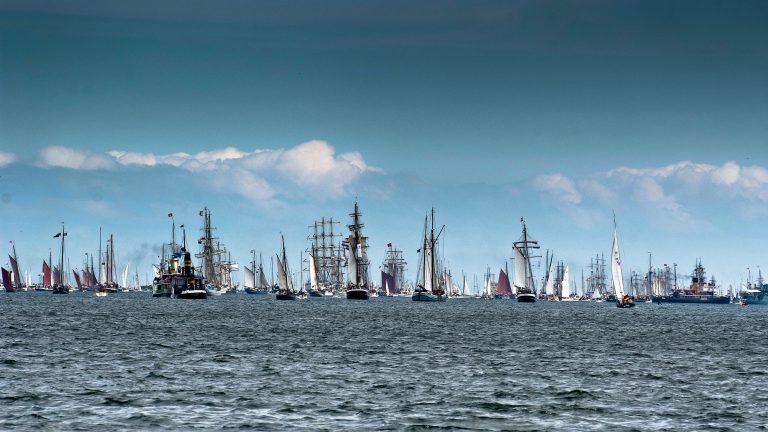
Rhein in Flammen: Fireworks, Castles, and River Cruises
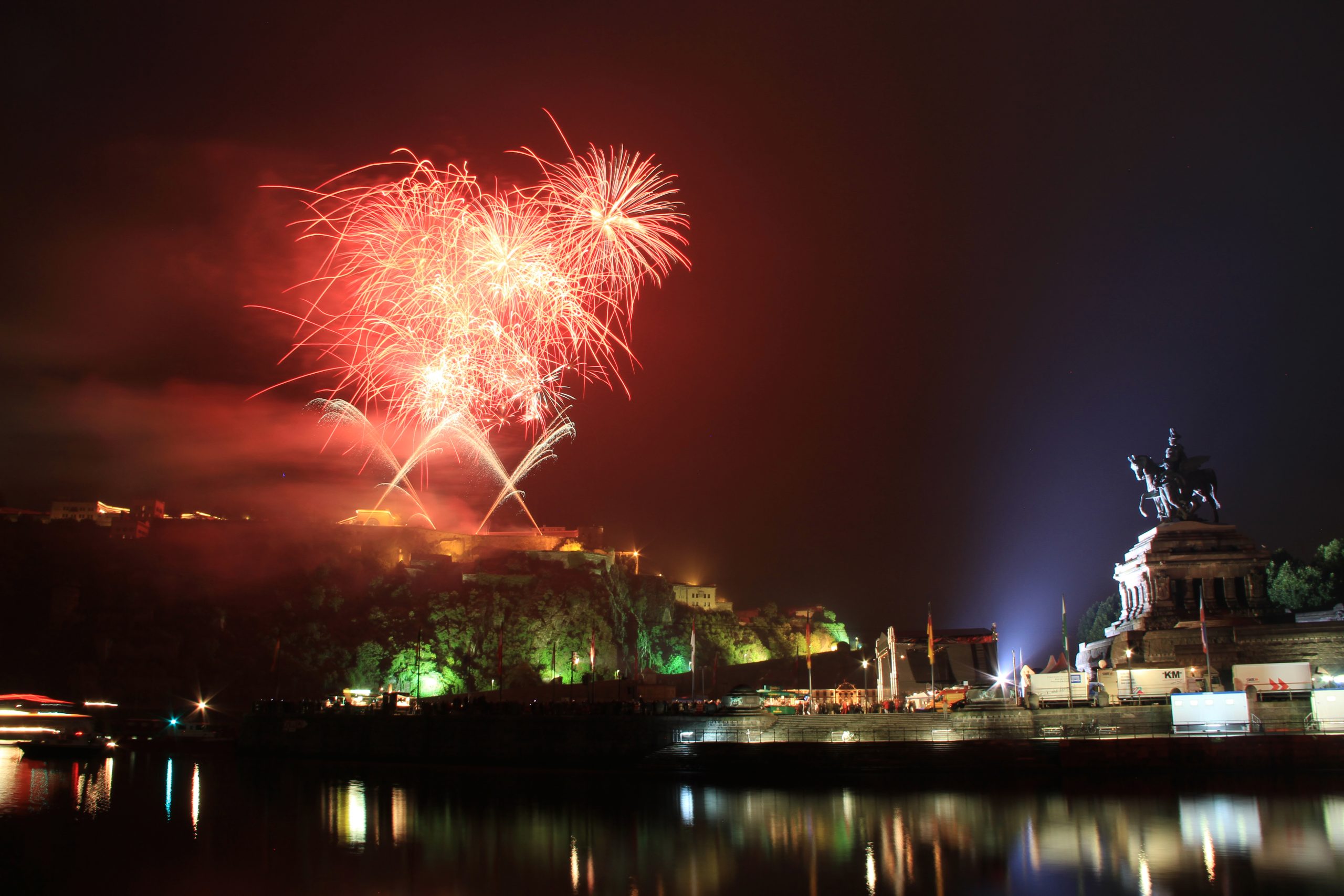
Rhein in Flammen (Rhine in Flames) is a series of fireworks and illumination events held along the Rhine River in Germany between May and September each year. It is not a single event but a recurring seasonal series, with separate dates and distinct settings across five main locations.
The appeal is specific: floodlit medieval castles, decorated river cruise ships forming illuminated processions, and large-scale fireworks reflected off the water. Visitors should not expect a music festival or street fair. The core experience is visual and atmospheric.
The main locations are Bonn, St. Goar, Bingen/Rüdesheim, Spay/Koblenz, and Oberwesel. Each runs on its own date, with its own character and crowd profile.
| Location | Typical Date | Cruise Available | Notable Feature |
|---|---|---|---|
| Bonn | May | Yes | City backdrop, Siebengebirge hills |
| St. Goar | September | Yes | Loreley Rock, densely packed Rhine Gorge |
| Bingen / Rüdesheim | July | Yes | Niederwald Monument, wine country |
| Spay / Koblenz | August | Yes | Deutsches Eck, Ehrenbreitstein Fortress |
| Oberwesel | September | Yes | Medieval towers, smaller crowds |
The Rhine Valley as the Setting
The Middle Rhine is not a generic river backdrop. The gorge between Koblenz and Rüdesheim is narrow, with steep vineyard slopes rising sharply from the water on both sides. Within a roughly 65-kilometer stretch, travelers pass more medieval castles than almost anywhere else in Central Europe.
This density is not incidental. The Upper Middle Rhine Valley holds UNESCO World Heritage status, recognized specifically for the concentration of intact medieval landscapes along the river. Travelers attending Rhein in Flammen are watching fireworks inside one of Europe’s most historically layered river corridors.
The castle illuminations are not background decoration. Rheinfels, Stolzenfels, Marksburg, Maus, and Katz are all floodlit during events, and the effect of colored light on stone towers reflected across moving water is a core part of what distinguishes Rhein in Flammen from a standard fireworks display held in a park or stadium.
Each location feels meaningfully different from the others. Koblenz is urban, logistically straightforward, and large in scale. St. Goar is compact and dramatic, with the gorge closing in on both sides. Rüdesheim is smaller and more relaxed, with wine culture embedded in the surrounding area. Travelers choosing between them are not choosing between better and worse versions of the same experience. They are choosing between genuinely different events.
Boat Cruise vs. Viewing from Land
River cruise tickets for Rhein in Flammen typically place visitors aboard a decorated passenger ship that joins an illuminated procession along the fireworks zone. Most cruises include food and drink on board. Some operators offer afternoon boarding with a dinner package followed by the fireworks after dark.
The tradeoff between a cruise and land viewing is real and worth understanding before booking.
From the water, visitors are positioned inside the spectacle. The surrounding ships, the reflections, and the movement along the river create an immersive experience. The limitation is that viewing directly overhead fireworks from a boat deck is less clear than watching from an elevated hillside position, and the movement of the ship means sightlines are not always ideal.
From land, particularly from elevated positions or the opposite riverbank, the full panorama is visible: water, castle silhouettes, and fireworks together in a single frame. The atmosphere is more passive, but the visual clarity is generally better.
Cruise tickets at popular locations sell out months in advance. Koblenz and St. Goar are the most competitive. Pricing typically runs from around €50 for basic deck access to €120 or more for meal-inclusive packages. Land viewing at most locations is free, though some organized grandstand areas in Koblenz charge a small entry fee.
Couples and adult travelers seeking atmosphere tend to prefer cruises. Families with younger children, or visitors working within a tighter budget, often do better from well-positioned land viewpoints.
Location-by-Location: What Each Rhein in Flammen Event Offers
St. Goar and St. Goarshausen
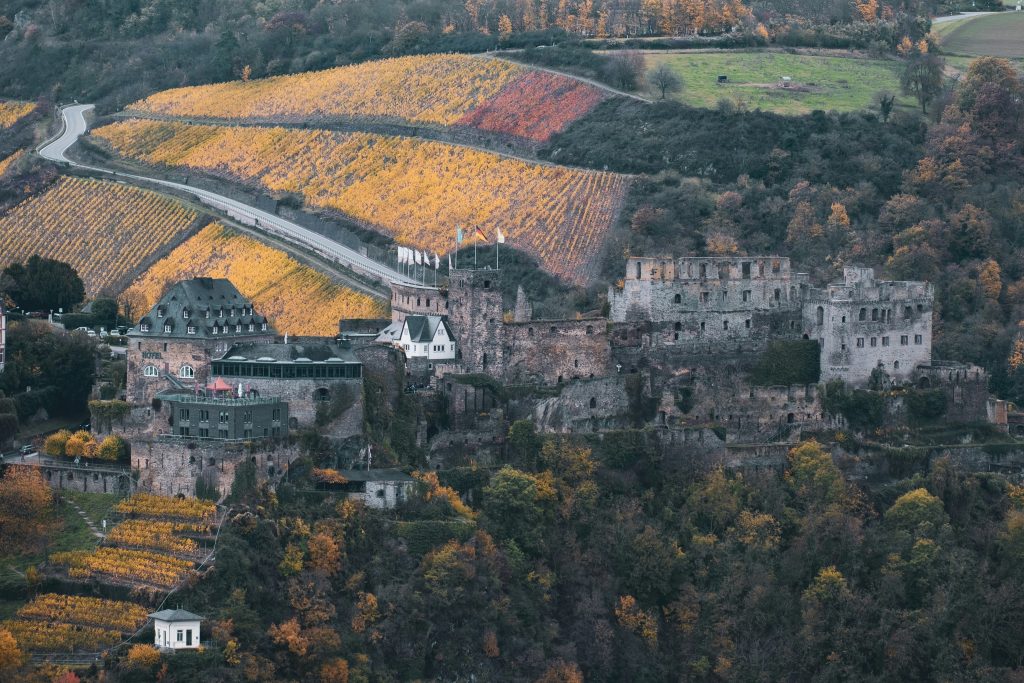
St. Goar and St. Goarshausen sit on opposite banks at one of the narrowest navigable stretches of the Rhine. The Loreley Rock rises above the eastern bank. Castle Rheinfels, one of the largest castle ruins in Germany, overlooks from the west.
The setting is the most visually concentrated of all Rhein in Flammen locations. For travelers who want the archetypal Rhine Gorge experience, St. Goar is the obvious choice.
The main drawback for visitors is crowd intensity. Riverbanks fill early, and cruise spots sell out before any other location. Travelers who have not booked well in advance are unlikely to find river cruise availability.
Koblenz
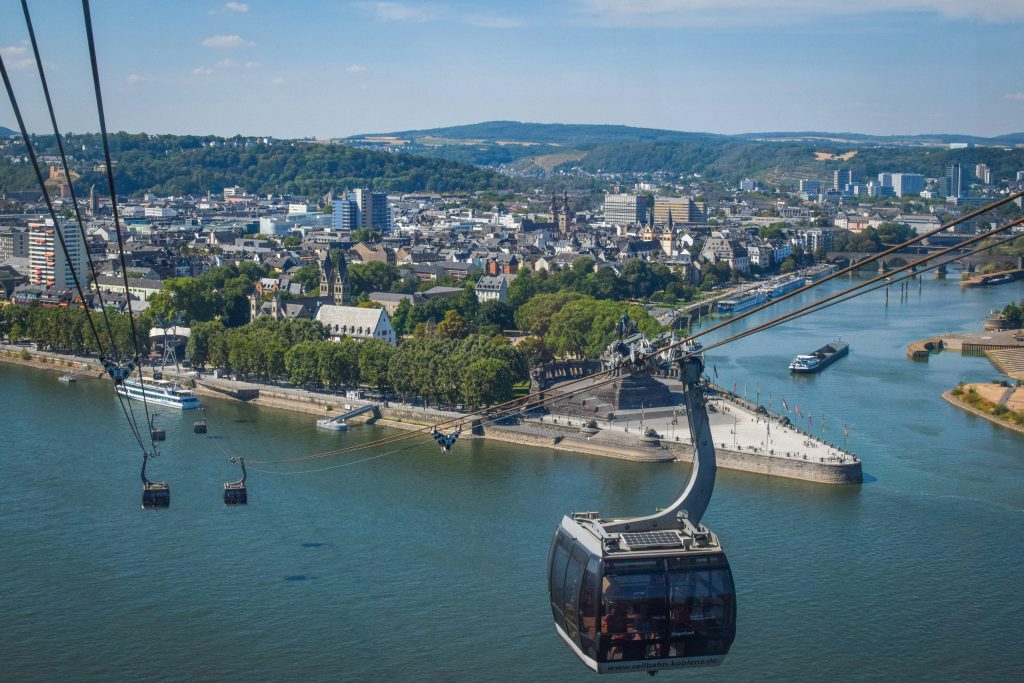
Koblenz hosts the largest and most accessible Rhein in Flammen event. The fireworks take place at Deutsches Eck, the famous promontory where the Moselle joins the Rhine. Ehrenbreitstein Fortress is lit from across the water on the opposite bank.
Koblenz has better infrastructure than smaller event towns: more accommodation options, stronger rail connections, and more manageable land viewing positions. This makes it the most practical choice for first-time visitors or those combining the event with a broader Koblenz city stay.
The scale also means larger crowds overall, but the space is distributed more generously than in the tight gorge at St. Goar.
Rüdesheim
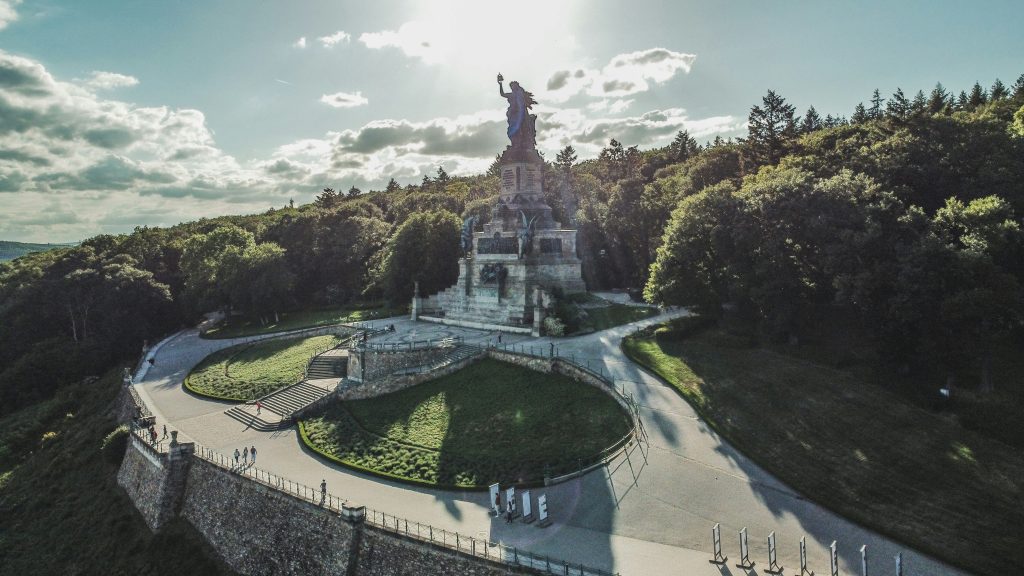
Rüdesheim offers a noticeably smaller and more relaxed Rhein in Flammen event. The Niederwald Monument above the town is part of the illuminated backdrop, and the surrounding Rheingau wine region gives the visit a secondary dimension.
This location works best for travelers who are already touring the Rhine Valley and want to time a stop around an event night, rather than those building a trip specifically around the fireworks. Crowd pressure is lower than at Koblenz or St. Goar, and the wine-village character of the town makes for a more low-key evening overall.
Oberwesel
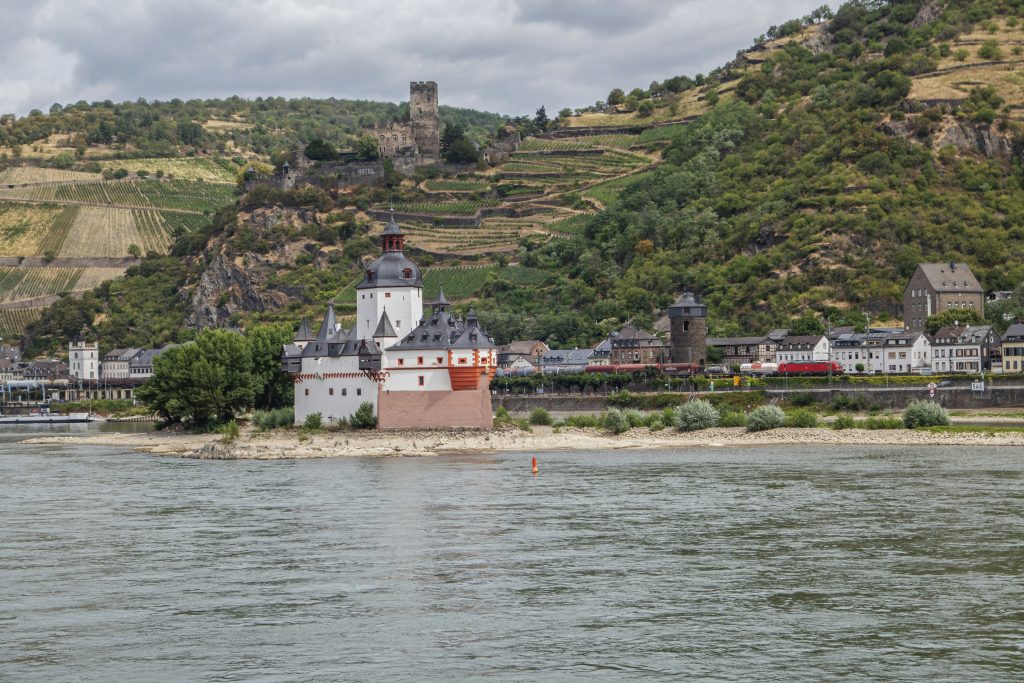
Oberwesel is the quietest and most overlooked Rhein in Flammen location. The town retains a largely intact set of medieval towers and town walls, some of which serve as unusual land viewing platforms during the event.
For travelers who want to experience the visual core of Rhein in Flammen without the crowd intensity of the larger events, Oberwesel is the strongest option. The tradeoff is scale: the fireworks display and the overall production are smaller than Koblenz or St. Goar.
Note: Dates across all locations shift year to year. Travelers should verify exact dates on official event sites before making any bookings.
Planning Realistically: Timing, Crowds, and Logistics
Accommodation near Rhein in Flammen events books out extremely early. For the most popular dates and locations, particularly Koblenz and St. Goar, six to twelve months of lead time is not unusual. Budget travelers who cannot secure accommodation in the event town itself should consider staying in a larger nearby city such as Koblenz, Mainz, or Boppard, and arriving by regional train on the day.
Riverbank crowds on event nights are substantial. Packed promenades, limited street parking, and long queues for river ferries are all normal. Arriving two to three hours before the fireworks begin significantly improves the chance of securing a good land viewpoint.
The ferry crossing between St. Goar and St. Goarshausen can queue for extended periods on event nights, and some road closures around event sites are typical. Planning the return journey is as important as planning the arrival. Travelers relying on trains should check last service times in advance, as some regional services run extended schedules on event nights but not all.
The fireworks displays typically last between 30 and 60 minutes and begin after dark, generally around 22:00 to 23:00 in summer months. This late finish affects the suitability of the event for families with younger children.
Who Rhein in Flammen Is (and Isn’t) For
Rhein in Flammen works well for couples looking for a visually atmospheric summer evening. It also suits travelers already touring the Rhine Valley who want to time their visit around an event night, and photography enthusiasts drawn specifically to castle illuminations and fireworks over water.
The event is less ideal for families with very young children. The late finish, dense crowds, and absence of structured daytime entertainment tied directly to the event all work against a comfortable experience with small children.
Visitors expecting a festival atmosphere with music stages, food stalls, and carnival programming will find most Rhein in Flammen locations to be something more restrained. These are primarily viewing events. The experience is built around watching, not participating in organized activity.
Travelers with limited mobility should research specific land viewpoint accessibility before committing to a location. The best hillside and riverbank positions frequently involve uneven terrain, steps, or extended periods of standing. Cruise options may offer a more comfortable viewing experience for some visitors, though boarding and disembarking a ship on a busy event night involves its own logistical challenges.
Building a Rhine Valley Itinerary Around Rhein in Flammen
A 3 to 5 day itinerary structured around a Rhein in Flammen event has a natural shape. Arriving one or two days early allows time to visit the castles that will be illuminated on the event night. Marksburg, near Braubach, is the best-preserved intact castle on the Rhine and a worthwhile half-day trip. Rheinfels, above St. Goar, is the most substantial ruin. The Loreley trail above St. Goarshausen is manageable on foot and provides a clear orientation of the gorge landscape.
Smaller Rhine towns such as Bacharach and Boppard hold up well as daytime stops. Both have riverfront character and are easily reached by regional rail.
For travelers attending the Koblenz event, a trip up to Ehrenbreitstein Fortress by cable car is worth prioritizing as a daytime activity. The fortress provides the clearest elevated perspective on the Deutsches Eck and the confluence of the two rivers, which gives the event night itself more visual context.
The Rhine Valley is well-served by regional rail. The Koblenz to Mainz line runs along the west bank, while a separate service covers the east bank. Traveling without a car is entirely practical, and basing accommodation in one town while moving between villages by train is the most common approach for independent visitors.
Wine is a natural secondary draw in this region. The Mittelrhein and Rheingau wine regions both produce Rieslings worth seeking out. Several smaller wine festivals run alongside or close to Rhein in Flammen dates in Rüdesheim and Bacharach, making it possible to connect the fireworks event with a wider Rhine wine itinerary.
Practical Costs and What to Budget
Understanding the cost structure before arriving helps avoid surprises on event nights.
- River cruise tickets: Typically €50 to €120 per person, depending on ship category and whether meals are included. Some operators offer afternoon boarding with dinner followed by the fireworks display.
- Land viewing: Free at most locations. Some organized grandstand areas in Koblenz charge a small entry fee.
- Accommodation: Expect a 30 to 50 percent price increase on event weekends in nearby towns. Booking six or more months ahead is standard practice, not an exception.
- Food and drink on event nights: Riverbank vendors operate at most locations, but options are limited and queues are long. Bringing a picnic is practical and common among land viewers.
Where to Watch: Choosing the Right Location
The most useful planning decision for most visitors is simple: pick one location and commit to it fully rather than trying to attend multiple events across the season.
The experience deepens when paired with one or two days of exploring the specific stretch of the Rhine around the event. Travelers who arrive, watch the fireworks, and leave early the following morning tend to leave with less context for what made the landscape significant in the first place.
For first-time visitors who want the most accessible version of the event, Koblenz is the practical starting point. It has the infrastructure, the logistical ease, and the visual scale to deliver a complete experience without requiring specialist planning.
For travelers who want the most dramatic and concentrated visual setting, St. Goar and St. Goarshausen is the answer, provided cruise tickets and accommodation are booked well in advance.
For those who want a lower-pressure introduction to Rhein in Flammen, Rüdesheim or Oberwesel offer the same core spectacle at a more manageable scale.
What makes Rhein in Flammen genuinely distinctive is not the fireworks in isolation. Other summer fireworks events exist. What sets this series apart is the specific convergence of floodlit medieval ruins, a working river in active use by cruise ships on event nights, and one of the most historically intact river valleys in Central Europe. The fireworks are the occasion. The Rhine Valley is the setting.