Is Bremen Worth Visiting? What to Know Before You Go

Bremen is a Hanseatic trading city with a medieval core that has survived largely intact. It sits on the Weser River in northwestern Germany and holds status as a city-state, meaning it governs itself independently much like Hamburg and Berlin.
That city-state status is worth understanding before visiting. Bremen is not a large city by German standards. Its population is around 570,000, but the area that most visitors actually spend time in is much smaller. The Altstadt, the riverfront, and the main residential neighborhoods are all within easy walking distance of each other.
This compactness is one of Bremen’s strengths. It is also the source of most visitor disappointment when expectations are not calibrated correctly.
Bremen is not a destination that competes with Munich’s density of attractions or Dresden’s visual drama. It is a city with a distinct identity, a strong sense of civic character, and a handful of genuinely good reasons to visit. Travelers who understand that going in tend to find it more satisfying.
The Historic Center
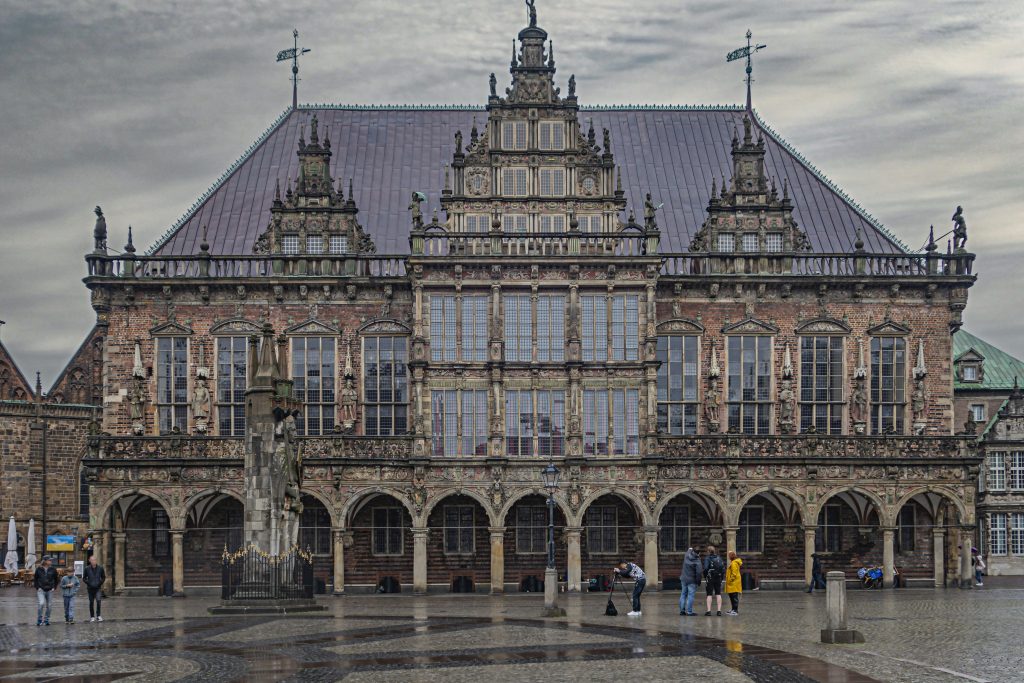
Bremen’s Altstadt is where the majority of visitor time is spent, and for good reason. The Market Square is the clear centerpiece, anchored by the Town Hall and the Roland statue. Bremen’s Town Hall is a UNESCO World Heritage Site, recognized alongside the Roland statue as an outstanding example of the development of civic autonomy in the Holy Roman Empire. That designation carries weight, and the building itself justifies the walk across the square.
The Böttcherstraße runs south from the Market Square and offers something architecturally unusual: a narrow lane redesigned in the 1920s in an Expressionist style, filled with small shops, galleries, and a carillon that plays at regular intervals. It is a brief detour rather than a destination in itself, but it adds texture to the area.
The Schnoor quarter, a few minutes’ walk from the Market Square, is the oldest surviving residential district in Bremen. The streets are genuinely narrow and the buildings are well-preserved. Visitors often find it worth thirty to forty-five minutes of exploration.
The honest expectation to set: the Schnoor can feel noticeably tourist-oriented during peak hours, particularly on weekends. It is small, and the commercial presence is heavier than the residential character might suggest from photographs.
Most visitors can cover the core historic area comfortably in a half-day. A full day allows for slower pacing, time inside the Town Hall, and a walk along the Schlachte riverfront. This has direct implications for trip planning: Bremen is genuinely manageable as a day trip from Hamburg, and whether an overnight stay is justified depends on the traveler’s pace and priorities.
Bürgerpark: Where Bremen Slows Down
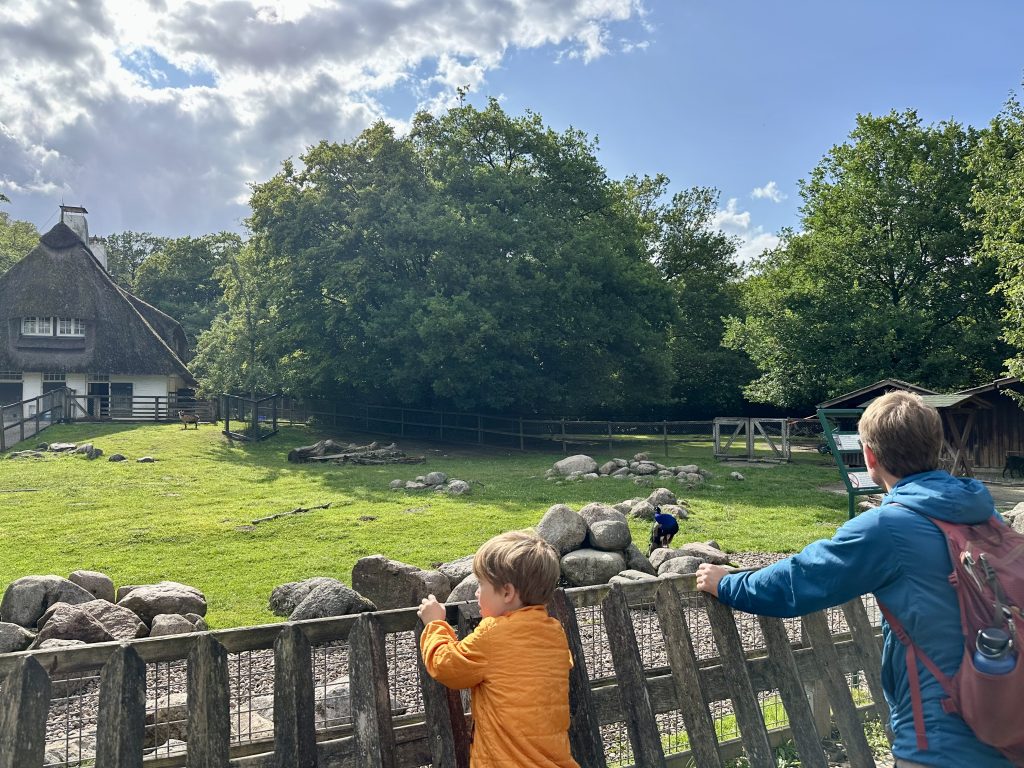
Bürgerpark is one of the most locally valued green spaces in northern Germany and one of the least covered in standard travel content about Bremen. It covers over 200 acres north of the city center and functions as a designed landscape park with a lake, walking and cycling paths, and a relaxed atmosphere that reflects how Bremen residents actually use the city.
For visitors, Bürgerpark is not a dramatic attraction. There is no major monument at its center. What it offers is space and pace, which suits certain types of visits well.
Families with children, travelers extending a day visit into something more relaxed, and anyone who values time outside of monument-to-monument pacing will find Bürgerpark a worthwhile addition. It works especially well in spring and summer.
The Parkhotel Bremen sits adjacent to the park and serves as a useful orientation point. The park is roughly a fifteen-minute walk or a short tram ride from the Altstadt.
Bürgerpark is best understood as something that improves a visit to Bremen rather than anchoring one. In good weather, it adds genuine texture to a second day.
Universum Bremen: An Interactive Highlight for Families

Universum Bremen is a science museum housed in a distinctive silver shell structure near the University of Bremen campus. The building itself is identifiable from a distance and worth noting as an example of deliberate architectural ambition outside the historic center.
Inside, Universum focuses on interactive exhibits across topics including nature, humanity, and the cosmos. The format is hands-on and well-suited to mixed-age groups.
Universum is best suited for families with children and for visitors with a longer stay who have already covered the Altstadt. Solo travelers or those on short visits will likely find it a lower priority. The historic center offers more per hour for a traveler with limited time.
Logistics are straightforward. Universum is a short tram or bike ride from the city center, roughly ten to fifteen minutes depending on the starting point. A visit typically occupies two to three hours comfortably. Admission is ticketed and the museum draws school groups during weekday mornings.
For the right traveler, it is a strong half-day option. For others, it is easily skipped without missing what makes Bremen distinctive.
The Hanseatic Atmosphere and What It Means in Practice
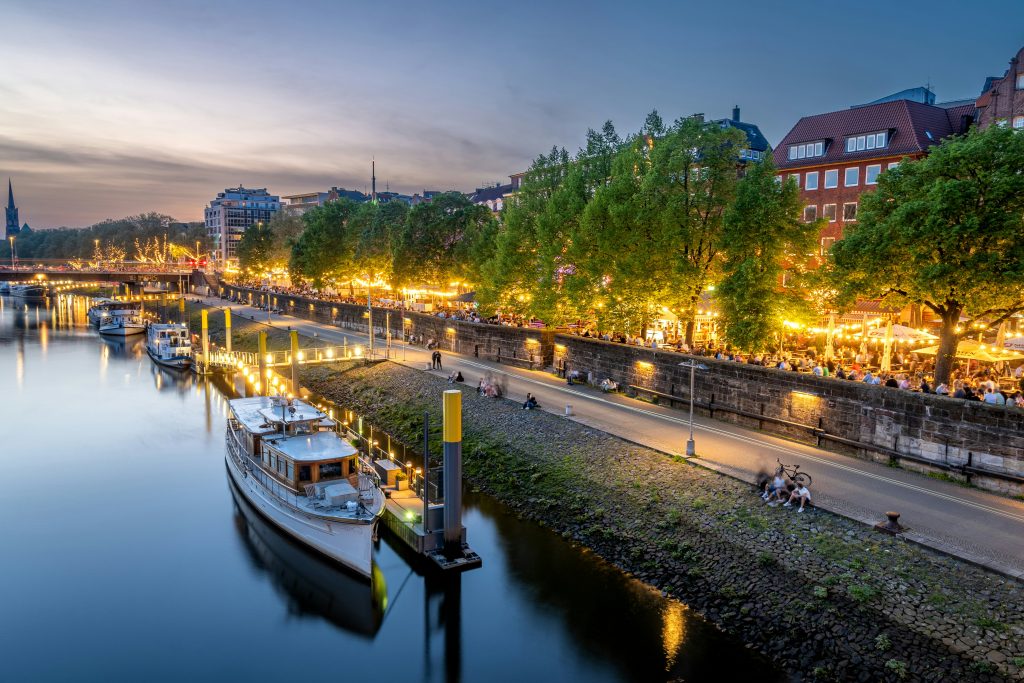
The word “Hanseatic” appears often in descriptions of Bremen, but what it actually translates to as a visitor experience is worth unpacking.
Visitors tend to find Bremen well-maintained, orderly, and quietly confident. Public spaces are looked after. There is no dominant tourist infrastructure pushing visitors through a predetermined circuit. The city feels like it has its own life independent of tourism, which is not always true of smaller historic cities in Germany.
Bremen shares Hanseatic heritage with Hamburg but operates at a much smaller and quieter register. Hamburg is louder, larger, and more varied. Bremen’s version of the same civic tradition is expressed through a tighter, more contained cityscape.
In warmer months, the Schlachte promenade along the Weser adds a more animated social layer. Outdoor bars and restaurants line the riverfront, and the atmosphere shifts noticeably from the restrained character of the Altstadt. This is one of the more accessible ways to spend an evening in Bremen.
This atmosphere tends to appeal to travelers who value authenticity and a slower pace. It may feel underpowered for those expecting the energy of a city built around tourism.
Breminale and Seasonal Events
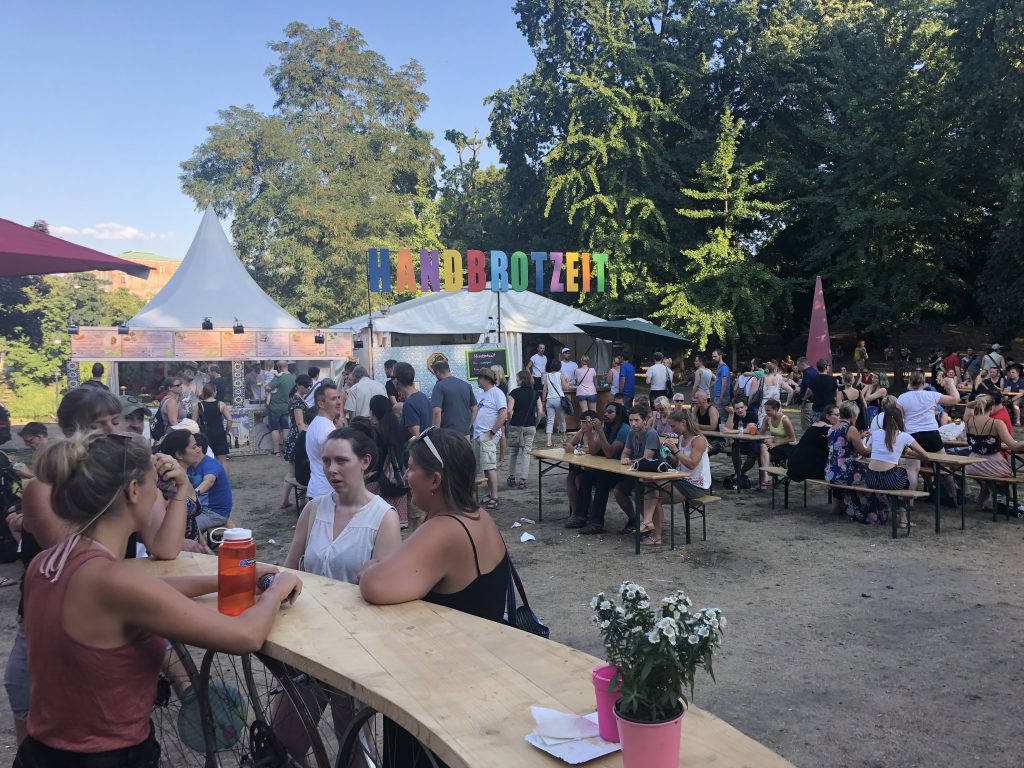
The question of when to visit Bremen is more consequential than it might first appear. Seasonal events genuinely change what the city feels like.
Breminale is Bremen’s largest open-air music and culture festival, held each July along the Weser riverfront. It draws large crowds and gives the city a noticeably different energy than it carries during the rest of the year. For travelers with flexible itineraries, a visit that overlaps with Breminale adds a dimension that is otherwise absent.
Bremen’s Christmas market is another well-regarded seasonal draw. It takes place primarily around the Market Square and is considered one of the better-organized Christmas markets in northwestern Germany, though it is not as widely promoted as those in Cologne or Nuremberg.
The practical implication: Bremen in November or February offers a quieter, colder, and somewhat reduced experience compared to a summer or December visit. Neither is wrong, but travelers who have any flexibility should factor in whether a festival or market period aligns with their timing. It meaningfully affects what the city feels like.
Honest Tradeoffs: What Bremen Does Not Offer
Bremen does not have a world-class museum anchor. Travelers who prioritize major cultural institutions will notice the absence of something equivalent to Hamburg’s Kunsthalle or Elbphilharmonie. The Kunsthalle Bremen is a solid regional art museum with a respectable collection, but it is not a destination draw in the way that its Hamburg counterpart is.
Nightlife in Bremen exists but is modest. The Ostertor and Viertel districts, a short walk east of the city center, have bars, small clubs, and a live music scene. Travelers specifically seeking nightlife culture should calibrate expectations accordingly. Bremen is not a city that competes with Hamburg or Berlin in that category.
The scale limitation bears repeating more directly. With the core sights concentrated in a relatively small area, visitors staying multiple nights may find Bremen runs out of structured content unless they are deliberate about using parks, neighborhoods, and day-trip options.
Public transport within Bremen is functional. Trams connect the main areas and the system is easy to navigate. That said, the city’s walkability means most visitors will not need it heavily for getting between primary attractions. This is a genuine positive for trip logistics.
Bremen is not a difficult city to navigate, overstay, or misread. It simply requires honest expectations about what a compact city-state can and cannot offer.
Bremen vs. Hamburg: How to Think About the Choice
This comparison is best framed as a planning question rather than a ranking exercise. Bremen and Hamburg serve different travel needs and are not straightforward substitutes for each other.
Hamburg is a stronger primary destination for first-time visitors to northern Germany. It offers more depth across culture, nightlife, food, waterfront experience, and overall scale. The Elbphilharmonie, the Speicherstadt, Reeperbahn, and the HafenCity give Hamburg a range that Bremen simply does not replicate.
Bremen suits travelers who want a lower-key northern Germany experience, a city that feels lived-in and manageable, and who may have already visited Hamburg or specifically prefer smaller cities.
The most practical itinerary logic: Bremen works well as a one- to two-night addition to a Hamburg-anchored trip. The two cities are connected by direct trains running roughly every thirty minutes, with journey times around an hour. This makes combining them straightforward.
For a traveler with ten or more days in northern Germany, visiting both makes sense. For a traveler with four or five days who has never been to the region, Hamburg should take priority and Bremen can be added as a day trip.
Who Bremen Is Best Suited For
Bremen works well for a specific set of travelers:
- Families with children, particularly those who plan to include Bürgerpark and Universum alongside the historic center
- History-focused travelers with an interest in Hanseatic architecture, civic history, and UNESCO-listed heritage
- Repeat visitors to Germany who have already seen the major cities and want to explore something at a different scale
- Travelers who prefer manageable, unhurried cities where everything is accessible on foot and the pace is slower
- Anyone visiting during Breminale or the Christmas market period, where the city’s baseline offer is meaningfully extended
Bremen is less well-matched for:
- First-time visitors to Germany with limited time who need to prioritize major cultural destinations
- Travelers primarily interested in nightlife or large-scale museum culture
- Anyone expecting the historic density of Dresden or the visual scale of Munich’s Altstadt
The question of whether Bremen is worth visiting almost always comes down to fit. For the right traveler with realistic expectations, the answer is clearly yes.
Making the Most of One or Two Days
A one-day visit to Bremen covers the essential ground comfortably. The realistic itinerary for a single day includes the Market Square and Town Hall, a walk through the Böttcherstraße, time in the Schnoor quarter, and an evening on the Schlachte riverfront. That is a full but not rushed day.
A second day in Bremen looks different. Bürgerpark suits a slow morning. Universum Bremen can occupy an afternoon, particularly for families. The Viertel and Ostertor neighborhoods give a better sense of how Bremen residents actually live and eat.
One day is genuinely sufficient for many travelers. Staying overnight is most justified for those who want a slower pace, are visiting during a festival period, or are traveling with children who benefit from the park and museum combination.
Arrival logistics are simple. Bremen Airport is a small regional airport with connections to several European cities. Travelers arriving by train will find the main station central and walkable to the Altstadt in around fifteen minutes. No car is needed for a standard visit.
Bremen is a city that rewards realistic expectations. Travelers who arrive knowing what it is and what it is not tend to leave satisfied. That is not a low bar; it is an honest one.