Black Forest Itinerary: 3 to 5 Days in Germany’s Most Scenic Region
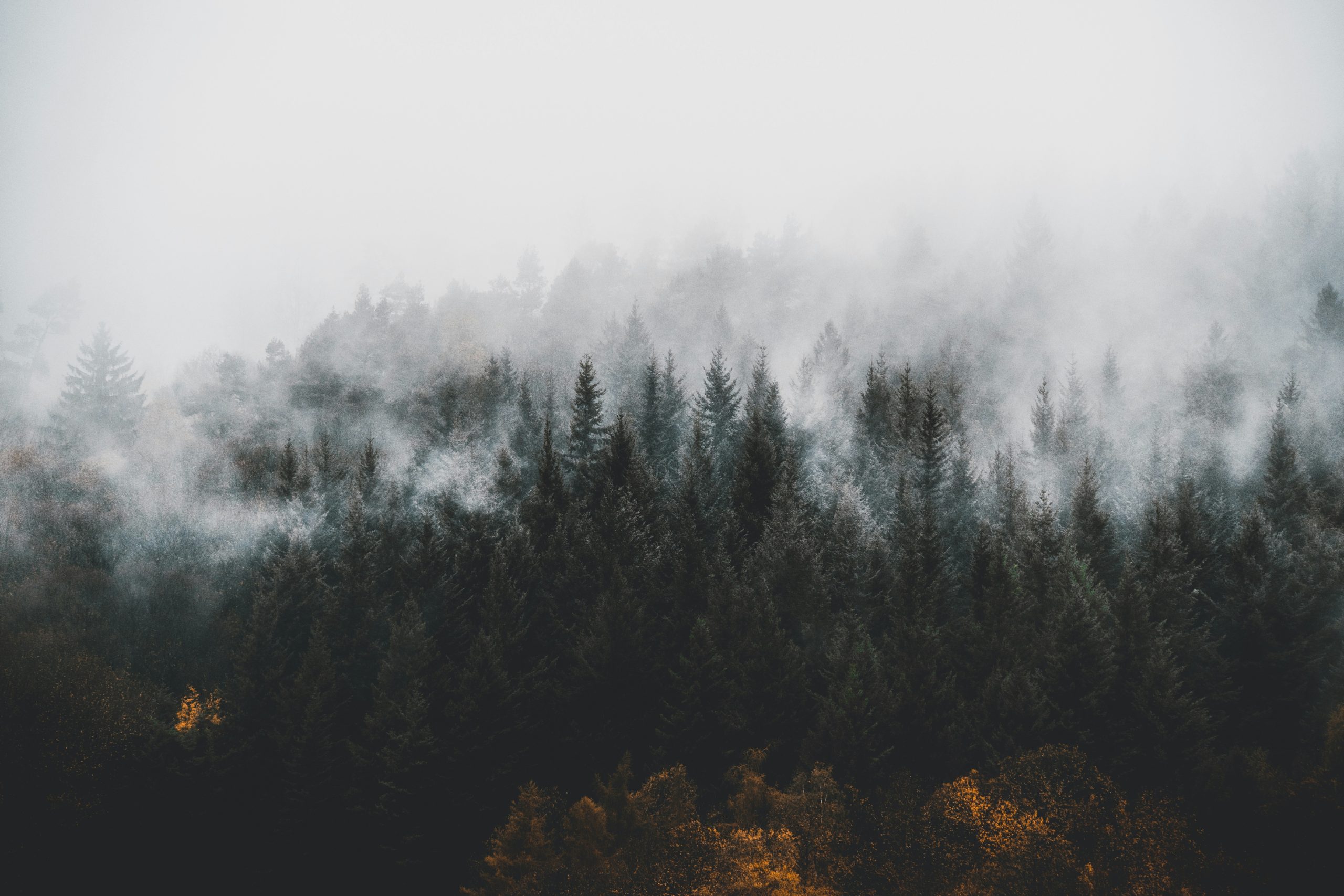
A 3 to 5 day Black Forest itinerary is enough time to cover the region’s main scenic highlights, especially if you focus on Freiburg, Feldberg, the southern lakes, and the Schwarzwald Hochstraße. For most first-time visitors, the Southern and Central Black Forest are the right priority, while the northern section is usually less essential.
This guide lays out a practical route through the Schwarzwald with realistic driving times, sensible base options, and clear tradeoffs between the main stops. It is written for travelers who want a route that actually works, not just a list of places to pin on a map.
This itinerary suits self-driving travelers best. It also works well for visitors already based in Germany or a neighboring country who want a focused landscape trip rather than a city-heavy itinerary.
Black Forest Itinerary at a Glance
| Detail | Information |
|---|---|
| Region covered | Southern and Central Black Forest |
| Best base towns | Freiburg im Breisgau, Titisee-Neustadt, Baden-Baden |
| Ideal travel months | May to June, September to October |
| Suggested trip length | 3 to 5 days |
| Primary transport | Rental car (required for this itinerary) |
| Northern section | Generally skippable for first-time visitors |
Two zones to know: The Southern Black Forest, covering Feldberg, Titisee-Neustadt, and Todtnau, is more dramatic and suited to hikers. The Central section, around Baden-Baden and Triberg, is gentler and more heavily touristed.
Public transport is possible but limits flexibility significantly. A rental car is effectively required to follow this route as written.
Quick Route Summary
For most travelers, the strongest version of this Black Forest itinerary starts in Freiburg, focuses on the Southern Black Forest first, then transitions north via the B500 Hochstraße, and ends in Baden-Baden or the Kinzig Valley depending on onward travel plans.
In simple terms:
- Day 1: Freiburg and Schauinsland
- Day 2: Feldberg, Todtnauer Wasserfall, and Titisee or Schluchsee
- Day 3: Schwarzwald Hochstraße with stops like Mummelsee and Hornisgrinde
- Day 4: Baden-Baden and the Baden wine region (5-day version)
- Day 5: Slow exit via Gengenbach and the Kinzig Valley
Where to Base Yourself for a Black Forest Trip
The right base depends on what travelers want from their evenings and how much driving they are willing to do each day.
Freiburg im Breisgau is the most practical choice for most visitors. It is well-connected by rail, has its own walkable city center, and provides easy access to the southern forest. Travelers who want an urban anchor at night will find Freiburg the strongest option.
Titisee-Neustadt sits closer to the scenic highlights. It is a smaller town with fewer evening options, but the position makes it efficient for hikers and those who want to maximize time in the landscape rather than the city.
Baden-Baden suits a different type of visitor. It works best for travelers pairing the forest with spa culture or wine, and it serves as a natural starting point for the northern Hochstraße section. The trade-off is that it sits farther from the southern highlights.
For a 5-day trip, splitting bases makes sense. Starting in Baden-Baden and ending in Freiburg covers the region north to south without significant backtracking.
For most first-time visitors, Freiburg is the best single base. Travelers staying 5 days and wanting less backtracking should split the trip between Freiburg and Baden-Baden.
One practical note: accommodation across the region books out quickly in summer and around German public holidays. Booking several weeks in advance is standard practice, not an abundance of caution.
Day 1: Arriving and Orienting in Freiburg

Freiburg is the logical entry point for this Black Forest itinerary. The city center is walkable, the Münster market is worth an hour of time, and the Schlossberg viewpoint gives a first look at the hills that form the forest’s western edge.
Arriving by midday is the useful target. The afternoon can then be used for a short drive or cable car ride up Schauinsland, the mountain directly above the city. The summit plateau offers ridge-level views and a short introductory hike that gives a clear sense of the terrain ahead.
Schauinsland is not the most dramatic stop on the itinerary, but it functions well as an orientation. Travelers see the forest’s scale before committing to full days inside it.
Freiburg itself warrants 2 to 3 hours, not a full day. If the forest is the main reason for the trip, the city should be kept in its role as a starting base rather than a primary destination.
Practical note: Parking in Freiburg’s center is expensive. Using the park-and-ride system on arrival is the more efficient approach.
Day 2: The Southern Black Forest Loop
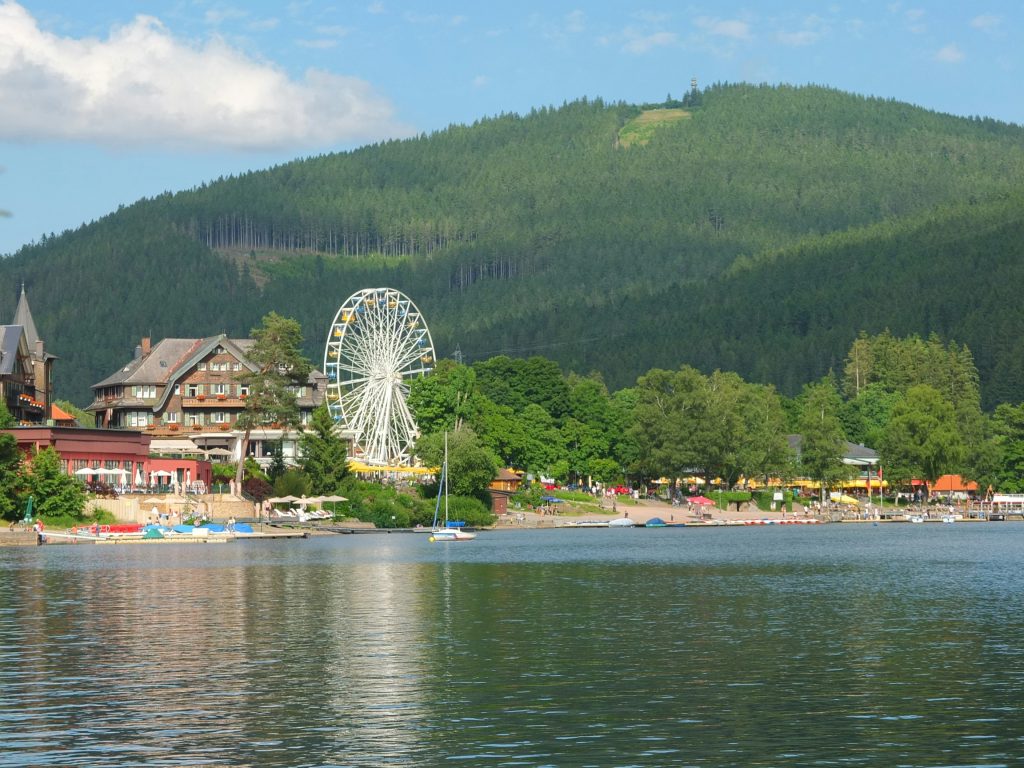
Day 2 covers the scenic core of this itinerary: Todtnauer Wasserfall, Feldberg, and Titisee-Neustadt. These three stops form a natural loop from Freiburg and represent the highest concentration of landscape interest in the region.
Todtnauer Wasserfall
Todtnauer Wasserfall is widely cited as Germany’s highest waterfall. The access trail is short and well-marked. In summer it is crowded, particularly from mid-morning onward. An early start significantly improves the visit.
The waterfall itself is genuinely impressive. Travelers who arrive expecting a minor roadside feature will be corrected quickly.
Feldberg
Feldberg, at 1,493 meters, is the Black Forest’s highest peak. The summit is accessible via a short walk from the main car park.
One expectation worth setting clearly: the summit plateau feels alpine and exposed, not forested. Travelers who picture the Black Forest as dense woodland and arrive at Feldberg expecting tree cover will find something quite different. The views are wide and open, which is either the appeal or a surprise depending on the visitor.
Titisee-Neustadt
Titisee is the most polarizing stop on the route. The lake is genuinely attractive. The lakeside town is heavily commercialized, with souvenir shops and tourist infrastructure that can feel out of proportion to the setting.
The practical approach is to walk around the lake rather than spending time in the town center. The loop takes around 90 minutes and gives a much better return on the stop than browsing the shops.
Schluchsee, a quieter lake a short drive away, works well as a late-afternoon addition if time allows. It sees fewer visitors and offers a calmer version of the same landscape.
Driving note: The roads between these stops are winding and scenic. Budget 30 to 40 minutes more than mapping apps suggest for the full loop.
Day 3: The Schwarzwald Hochstraße (B500 High Road)
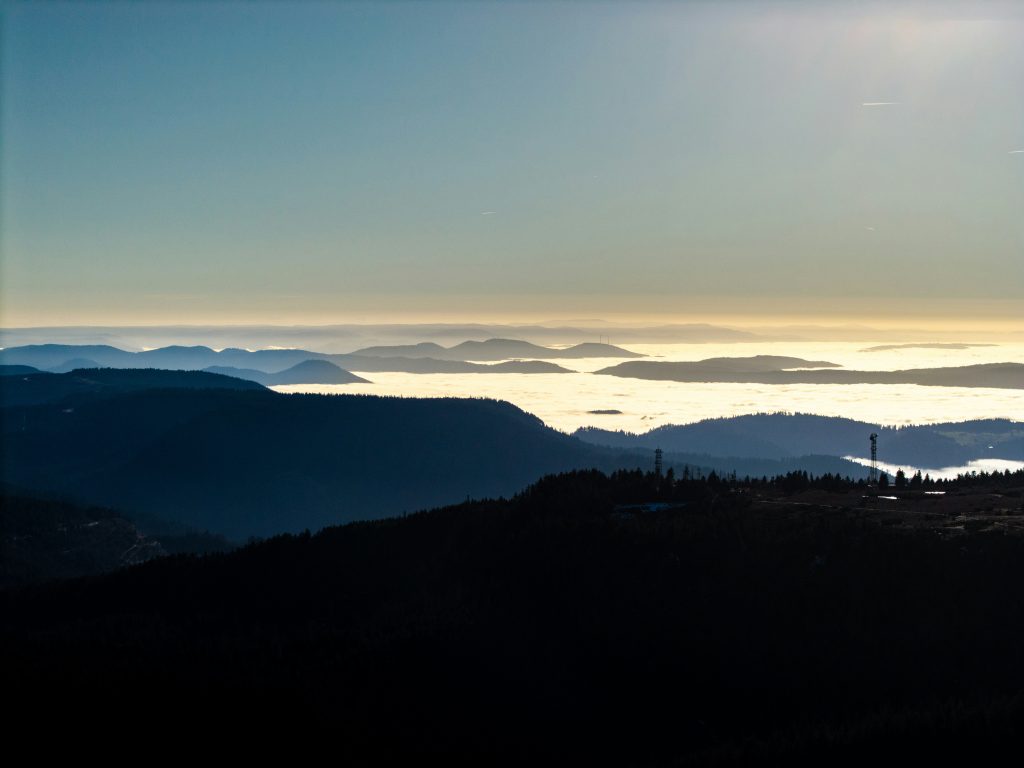
The Schwarzwald Hochstraße, also known as the B500, runs approximately 60 kilometers along the ridge from Freudenstadt to Baden-Baden. It is consistently cited as one of Germany’s best scenic drives, and for this itinerary it serves as the transition from south to north.
Mummelsee
Mummelsee is a dark volcanic lake near the road’s midpoint. A short walking circuit around the lake takes under 30 minutes. It is not a major hiking destination, but the atmosphere is distinctive and it makes a natural break in the drive.
Hornisgrinde
Hornisgrinde is the highest point in the Northern Black Forest at 1,164 meters. The summit is accessible by foot from a nearby car park. The views are wide on clear days, though the terrain here is more rolling and forested than Feldberg’s open plateau.
This section of the Black Forest feels different from the south. It is less dramatic, more consistently forested, and quieter in places. The drive itself is the experience here, not a sequence of landmark stops.
Triberg
Triberg is worth a brief stop for two reasons: the Triberg Waterfalls, which are technically the tallest in Germany by total drop, and the town’s position as the center of the region’s cuckoo clock tradition.
Expectations should be managed. Triberg is heavily touristed. The waterfalls require a paid entry fee. Visitors who are already satisfied with Todtnauer Wasserfall may find Triberg a weaker version of a similar experience.
Triberg works best as an optional stop rather than a core reason to structure the day. Travelers who have already seen Todtnauer Wasserfall and are not especially interested in cuckoo clock culture may find it less compelling than the drive itself. For others, it adds a recognizable Black Forest stop without requiring a major detour.
Day 4: Baden-Baden and the Baden Wine Road (5-Day Extension)
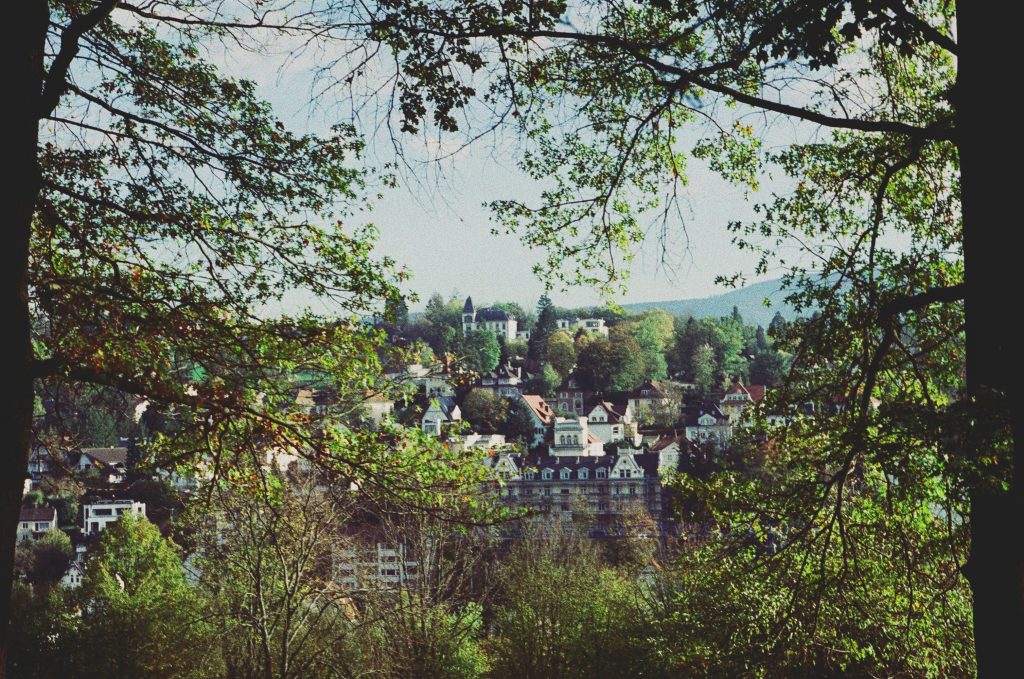
This section applies to travelers on a 5-day trip. Those on a 3-day schedule can move directly to Day 5 planning or end after Day 3.
Day 4 is deliberately lower in physical intensity. After two or three consecutive outdoor days, it functions as a natural rest point.
Baden-Baden offers a clear contrast to the forest days. The Caracalla Baths and the historic Friedrichsbad are both well-established thermal options. The Lichtentaler Allee park runs along the river and is one of the more pleasant walks in the region. The casino is there for those who are curious, though it is not the main draw for most visitors.
Baden-Baden suits travelers who want a mix of landscape and culture. It is less useful for those who came specifically for hiking and have no interest in spa or wellness facilities.
Baden Wine Road (Badische Weinstraße) and Kaiserstuhl
The Badische Weinstraße runs along the eastern edge of the Black Forest, through Ihringen, Breisach, and the Kaiserstuhl volcanic wine region. This stretch offers a completely different landscape from the forest days, with terraced vineyards replacing the conifers.
Kaiserstuhl has a warm microclimate and is known for Spätburgunder (Pinot Noir) and Grauburgunder wines. An afternoon walk through the vineyard terraces followed by a tasting at a local Weingut works well as a half-day activity.
To be clear: this is wine tourism, not forest hiking. Travelers who book this day expecting more outdoor scenery should set different expectations.
Day 5: Slow Exit via the Kinzig Valley
The Kinzigtal (Kinzig Valley) is an underused route for travelers returning west or north. It runs through a series of half-timbered towns and sees considerably fewer visitors than the main forest circuit.
Gengenbach is the standout stop along the valley. It is consistently described as one of the most photogenic small towns in the wider region. The center is compact and walkable, the architecture is well-preserved, and it is suited to a relaxed morning coffee stop without requiring a full half-day.
Wolfach and Hausach are quieter alternatives along the same route. They are worth passing through rather than making dedicated stops.
This day works best as a transition rather than a high-output sightseeing day. Travelers who try to squeeze in more major sights on a departure day tend to feel rushed. The Kinzig Valley rewards a slower pace.
Practical note: The valley connects naturally to the A5 autobahn toward Basel, Frankfurt, or Strasbourg, depending on onward travel plans.
Getting Around: Driving, Logistics, and Practical Details
A rental car is the recommended approach for this Black Forest itinerary. The scenic routes are not meaningfully served by rail or bus, and the key stops between days are impractical to link by public transport without significant time loss.
Road conditions: Road quality is generally excellent. Mountain roads in the Feldberg area can be closed in winter or require snow chains. Travelers visiting between November and March should check conditions before setting out.
Fuel and parking: Infrastructure across the region is reliable. Fuel stations are available in all main towns. Wild camping is not permitted, but there are established campsites for those who prefer that option.
Best time to visit: Late spring (May to June) and early autumn (September to October) offer the strongest combination of accessible roads, foliage interest, and manageable crowd levels. July and August are peak season and noticeably busier at all the main stops.
Schwarzwald Card: Many accommodations in the region offer a guest card (Schwarzwald Card or local equivalent) that covers some transport and attractions. It is worth asking at check-in, though it is not essential for this itinerary.
How to Adjust This Black Forest Itinerary for Your Trip
Not every traveler will use all five days. The structure below offers adjustments based on trip length and travel style.
- For 3 days: Cover Days 1 and 2 as written, then drive the B500 Hochstraße as a condensed Day 3 without extending to Baden-Baden or the wine road. This gives a complete south-to-central circuit.
- For hikers: Replace the Titisee browsing time with the Wutachschlucht gorge trail. It is one of the best full-day hikes in the region and is consistently underused by general visitors. The trail follows a narrow gorge and requires a full day.
- For families: Triberg’s cuckoo clock museum is a manageable stop for children. Europa-Park, a large theme park near Rust just west of the forest, is a realistic addition without requiring a significant detour.
- For photography: Early morning at Mummelsee and the Feldberg summit before cloud builds tends to give the clearest conditions. Evening light in Gengenbach’s town square works well for architectural photography.
The Black Forest rewards travelers who keep the route selective. A well-paced 3-day trip with clear priorities usually delivers more than an overstuffed 5-day plan that tries to cover everything. The best version of this itinerary leaves room for scenic drives, shorter walks, and one or two stops that are worth lingering in.