Best Places to Visit in Germany (Month-by-Month Guide)

The best places to visit in Germany change throughout the year. Weather, festivals, and seasonal landscapes make some destinations far more appealing in certain months. This guide breaks down the best places to visit in Germany month by month to help travelers choose the right destination for the right time.
This guide works as a month-by-month reference rather than a ranked list. The coverage spans Germany’s full geographic range: the Bavarian Alps, the Rhine and Moselle valleys, the Baltic and North Sea coasts, major cities, wine regions, and the quieter inland areas that rarely make the headlines but reward timing well.
Quick overview of the best places to visit in Germany by month:
| Month | Best Places to Visit in Germany | Why Visit |
|---|---|---|
| January | Garmisch-Partenkirchen, Berchtesgaden, Dresden | Reliable Alpine snow, winter landscapes, quiet cultural cities |
| February | Cologne, Düsseldorf, Mainz, Oberstdorf | Karneval festivals and peak ski season |
| March | Oberstdorf, Black Forest, Frankfurt | Late-season skiing and early signs of spring |
| April | Bonn, Berlin, Palatinate Wine Road | Cherry blossoms, spring gardens, mild city weather |
| May | Rhine Valley, Neuschwanstein Castle, Potsdam | Blooming landscapes, castles, excellent travel conditions |
| June | Lake Constance, Munich, Mecklenburg Lake Plateau | Lakes, long daylight hours, summer festivals |
| July | Bavarian Alps, Rügen Island, Sylt | Alpine hiking and Germany’s best coastal weather |
| August | Berchtesgaden, Allgäu, Tegernsee | Peak mountain hiking and warm lake swimming |
| September | Munich, Bavarian Alps, Rhine Valley | Oktoberfest, ideal hiking weather, early wine harvest |
| October | Moselle Valley, Saxon Switzerland, Franconia | Fall foliage, vineyard harvest, scenic hiking |
| November | Berlin, Hamburg, Nuremberg | Cultural city travel and early Christmas markets |
| December | Nuremberg, Dresden, Rothenburg ob der Tauber | Christmas markets and winter atmosphere |
Some months favor outdoor and alpine travel. Others suit city itineraries. A few carry specific events or conditions worth knowing before booking. The sections below help travelers match their plans to the time of year.
Germany in January: Snowy Landscapes and Alpine Skiing
January is deep winter across Germany. It suits travelers looking for cold-weather experiences rather than general sightseeing. Crowds are low in most parts of the country, with the main exception being ski resorts, which reach their busiest point of the year.
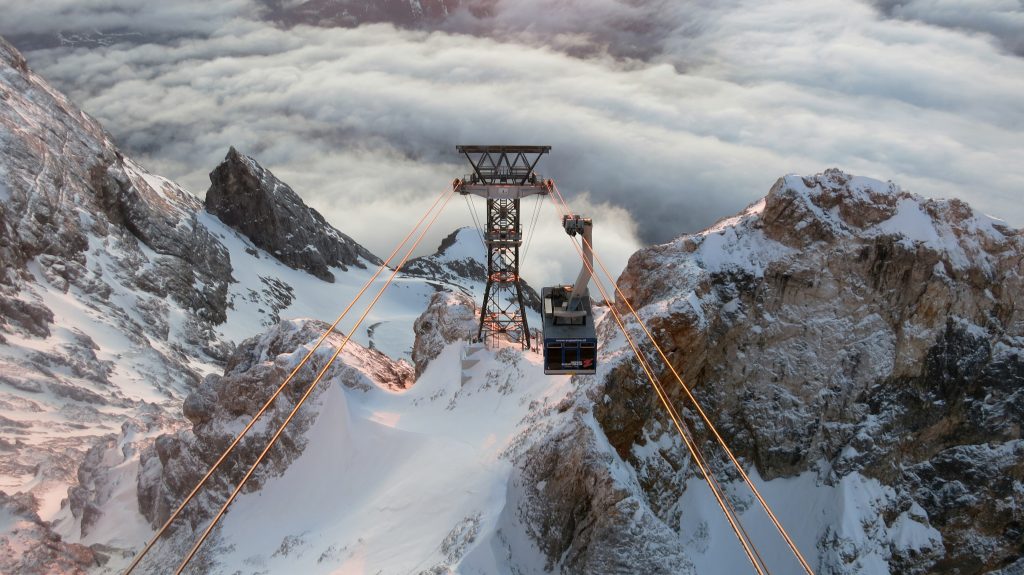
Garmisch-Partenkirchen is Germany’s primary Alpine ski destination. Snow coverage in January is reliable, the Zugspitze (Germany’s highest peak at 2,962 meters) is accessible by cable car or cog railway, and the ski area accommodates a range of ability levels. It is the most practical base for skiing in the country.
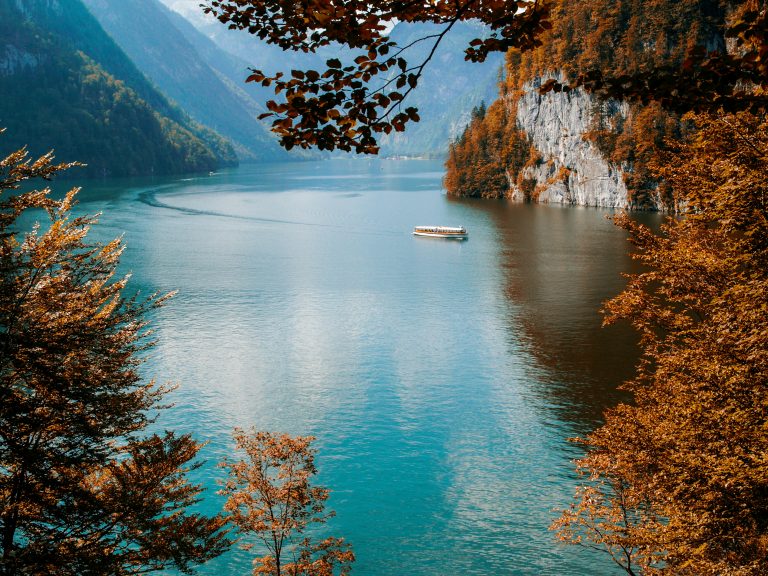
Berchtesgaden and Berchtesgadener Land offer a quieter alternative. The mountain scenery is dramatic, and the Königssee lake takes on a still, glassy quality in winter that makes it one of the more photogenic corners of Germany in January. Visitor numbers here are noticeably lower than in Garmisch.
Dresden is one of the stronger January city options. The Zwinger palace and the Gemäldegalerie Alte Meister draw relatively few visitors in winter, and the Baroque architecture of the Old Town reads well against the low winter light. For travelers who want a culturally rich city trip without summer competition, Dresden in January is worth considering.
The core trade-off for January: coastal cities like Hamburg and most of the north are grey and damp, with little to compensate for the weather. The Alps or historic inland cities reward January visitors far more than the northern coast.
Germany in February: Carnival Season and Winter Adventures
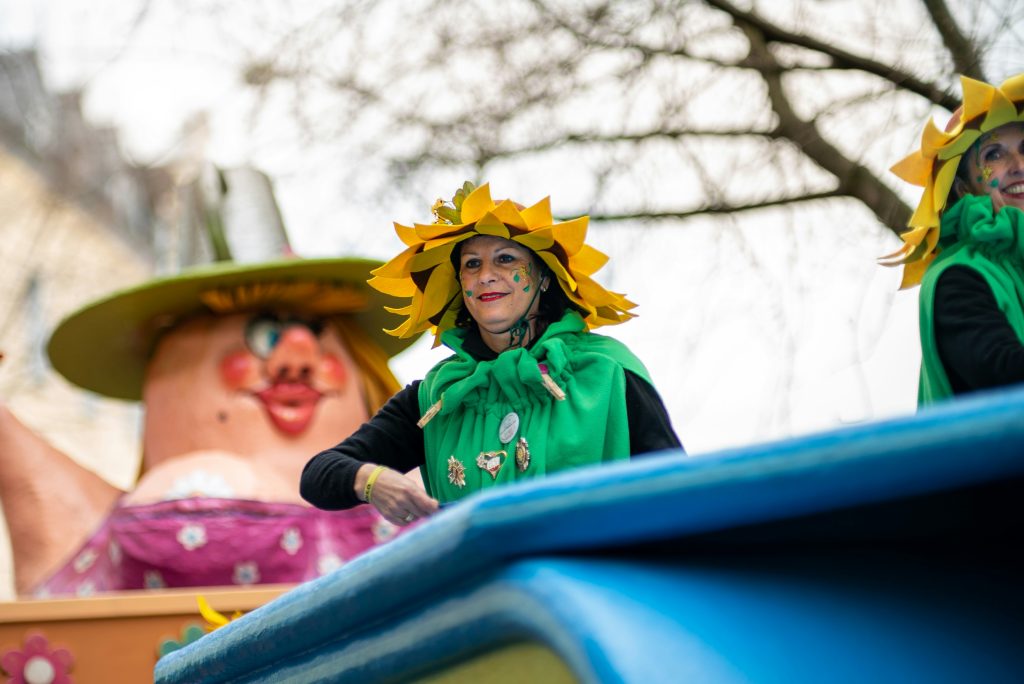
February brings Karneval (also called Fasching or Fastnacht depending on the region), one of Germany’s most culturally specific seasonal events. The timing shifts year to year but peaks in the week before Ash Wednesday, with the Rose Monday (Rosenmontag) parade as the centerpiece.
Cologne is Germany’s most famous Karneval city. The street parades draw hundreds of thousands of participants and spectators. Hotel prices surge significantly during Karneval week, and the city operates in a state of organized chaos. Cologne in February is not suitable for travelers seeking a quiet city break.
Düsseldorf offers a strong Karneval alternative. The celebrations have a distinct regional character, local participation is high, and the crowds are less overwhelming than in Cologne. Travelers who want the festival atmosphere with slightly more breathing room often prefer it.
Mainz is the third major Karneval hub. Its Rose Monday parade has a particularly good reputation, and the crowd levels are more manageable than Cologne. It is often the better choice for first-time visitors to the festival.
Bavaria for skiing is also worth noting. February frequently delivers the best snow conditions of the ski season. The Zugspitze, Oberstdorf, and the broader Allgäu region are all solid options for February ski trips.
Travelers planning to attend Karneval should book accommodation several months in advance. Those who want to visit Rhineland cities like Cologne or Düsseldorf without the festival should save those trips for a different month.
Germany in March: Late Skiing and the First Signs of Spring
March is a transitional month. Lower elevations are thawing while higher areas of the Alps may still carry good snow well into mid-March. It suits flexible travelers who are willing to adjust based on conditions.
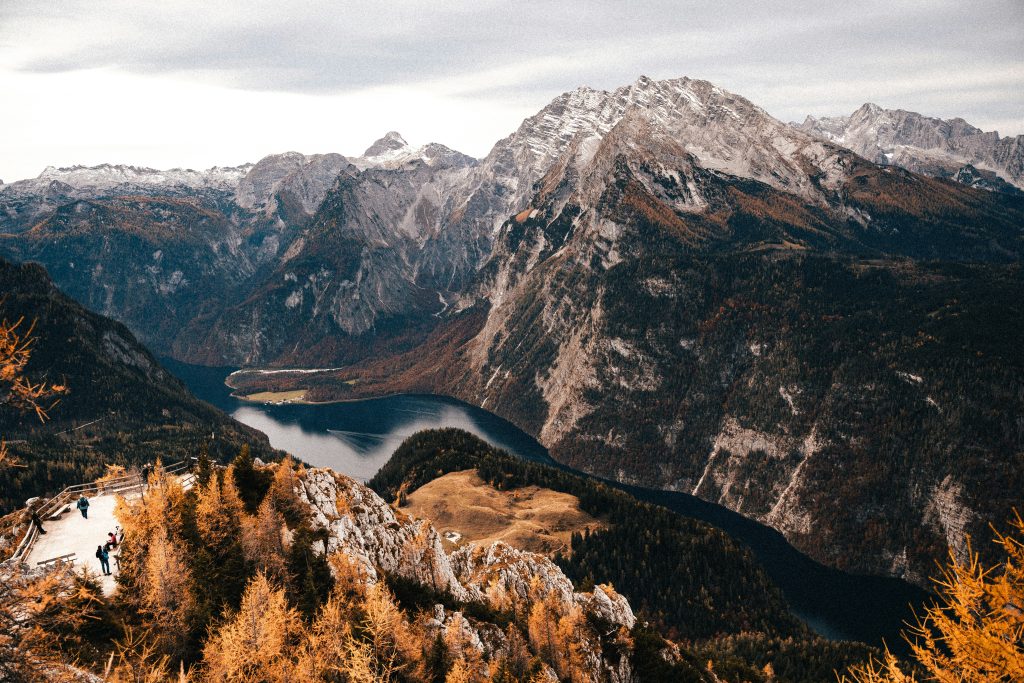
Oberstdorf and the Allgäu Alps are the most reliable option for late-season skiing in Germany. The higher base elevations mean March skiing here is genuinely viable, not speculative. This is the most defensible choice for anyone wanting a ski trip after February.
Frankfurt and the Rhine-Main region see spring arriving earlier than most of Germany. Outdoor café life begins to return by mid-March, and the Frankfurt Palmengarten shows early seasonal blooms. It is not dramatic spring yet, but the shift is visible and the city is pleasant without summer crowds.
The Black Forest (Schwarzwald) is a good option for gentle hiking by late March. Waterfalls run at full volume from snowmelt, the paths are largely clear, and visitor numbers are far lower than in summer. Accommodation pricing reflects the quiet season.
March is one of the least-visited months in Germany outside ski areas. Museums and castles that carry long queues in summer are essentially walk-in. For budget-conscious travelers with flexibility, it offers good value with an acceptable weather trade-off.
Germany in April: Cherry Blossoms and Spring City Trips
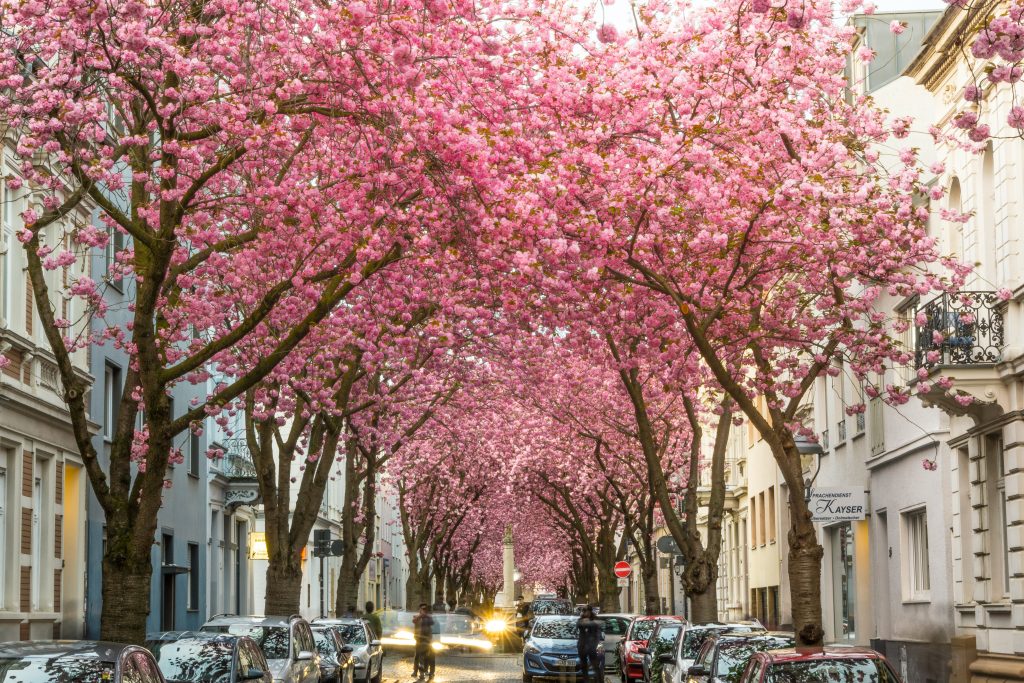
April is when Germany starts to genuinely reward travel. The weather is mild but variable, landscapes are actively changing, and cities regain energy after the quieter winter months.
The Palatinate region and the Deutsche Weinstraße (Wine Road) produce some of Germany’s earliest blossoms. Almond and cherry trees along the route between Bad Dürkheim and Neustadt an der Weinstraße typically peak in early April. The blossom season here is worth planning a trip around for the right traveler.
Bonn is well known in Germany for the cherry blossom avenue (Heerstraße) in the Nordstadt district. Bloom timing typically falls in early-to-mid April. Weekend crowds can be significant when conditions are peak; visiting on weekdays is consistently the more practical choice.
Berlin in April is underrated as a destination. The parks and gardens are coming back to life, and major attractions including the Pergamon Museum and the East Side Gallery are accessible without the visitor volumes of summer. It is a good window for the capital before the high season sets in.
Easter is a significant domestic travel period in Germany. When Easter falls in April, trains and popular destinations see a noticeable increase in bookings. Advance reservations are advisable regardless of destination.
Germany in May: Castles, Gardens, and Perfect Travel Weather
May consistently ranks among the best months to visit Germany across nearly all regions. Daylight hours are long, temperatures are mild, landscapes are in full bloom, and prices have not yet reached summer peaks.
The Romantic Road (Romantische Straße) and Neuschwanstein Castle are at their most accessible in May. The castle-lined route from Würzburg to Füssen looks its best when the surrounding landscapes are green and flowering. Neuschwanstein attracts long queues in July and August. Visiting in May offers the same castle, the same views, and significantly shorter waits.
The Rhine Valley between Koblenz and Rüdesheim is well suited to river cruising and cycling in May. Vineyards are leafing out, hillside castle ruins are fully accessible, and the riverside towns are active without the saturation of peak summer. May is arguably the most balanced month for Rhine Valley travel.
Sanssouci Palace and Potsdam are best experienced when Frederick the Great’s park gardens are in full bloom. Late May is the optimal window. Potsdam is easily reached as a day trip from Berlin but is often overlooked in favor of the capital. Travelers who prioritize historic gardens and Prussian architecture will find it more rewarding than many visitors expect.
Hamburg and the North Sea Coast in May offer a reliable introduction to northern Germany before the July and August beach season. The Elbe riverbanks, Alster lakes, and the Speicherstadt warehouse district are all accessible and uncrowded.
A practical note on public holidays: Ascension Day (Christi Himmelfahrt) and Whit Monday (Pfingstmontag) fall in May or early June and are public holidays. Long weekends around these dates see increased domestic travel, which affects train availability and accommodation in popular areas.
Germany in June: Lakes, Festivals, and Long Summer Days

June opens Germany’s summer travel season in full. Days are long, temperatures are reliably warm, and both Alpine and coastal destinations move into primary demand.
Lake Constance (Bodensee) is one of Germany’s most underrated summer destinations. Shared with Austria and Switzerland, the lake offers cycling routes around the entire perimeter, warm water by late June, and the island town of Lindau as a particular highlight. It tends to draw fewer non-European international visitors than Bavaria while offering comparable scenery.
Munich comes fully alive in June. The English Garden is in constant use as a public space, the city’s beer gardens operate at full capacity, and the urban architecture is best seen in strong summer light. June is the optimal month for Munich for travelers who want the city’s full character without Oktoberfest crowds.
The Bavarian Lake District (Starnberger See, Ammersee, Chiemsee) offers day trip and overnight options within easy reach of Munich. Water temperatures approach swimmable by mid-June. These lakes are popular with German families but do not carry the same international tourist volumes as the city.
The Mecklenburg Lake Plateau (Mecklenburgische Seenplatte) in northeast Germany is a different kind of summer destination. It suits slower travel: kayaking, cycling, and small villages. International tourism here is noticeably lighter than in Bavaria, which is either a draw or a limitation depending on what a traveler is looking for.
Germany in July: Alpine Hiking and Coastal Escapes

July is statistically Germany’s warmest and most reliably sunny month. It is also the most expensive and most crowded. Where and when within the month a traveler goes matters significantly.
Zugspitze and Bavarian Alpine hiking are fully accessible in July. Mountain trails above the treeline are open, and the routes between Garmisch-Partenkirchen, Mittenwald, and Berchtesgaden are among the best hiking in Germany. Serious hikers should note the Zugspitze plateau and the Watzmann ridge routes as specific targets.
Rügen Island (Baltic Coast) is Germany’s largest island. Chalk cliffs, beech forests, and beach resort towns like Binz draw heavy visitor numbers in July. Advance bookings are essential. The Jasmund National Park chalk cliffs (Königsstuhl viewpoint) are a specific highlight that warrants an early start to avoid crowds at the viewpoint itself.
Sylt (North Sea) is Germany’s most prominent North Sea island. Long tidal beaches, consistent wind conditions for kitesurfing, and affluent resort towns characterize the island. July is genuinely crowded and expensive. The landscape and coastal light justify it for the traveler who values that environment, but it is not the right choice for anyone looking for a quiet or affordable coastal experience.
July is school holiday season across most German states. Major attractions, intercity trains, and coastal destinations operate at maximum capacity for most of the month. Early booking and flexibility on specific dates within July can reduce friction considerably.
Germany in August: Mountain Trails and Summer Lake Travel

August continues peak season. By late in the month, there is a gradual shift: evenings in the mountains cool noticeably, and the sense of crowd density begins to ease toward month’s end.
Berchtesgaden National Park is the most reliable month for completing higher-altitude hikes. The Watzmann traverse and routes around the Königssee are conditions-dependent but generally stable in August. This is the park at its most accessible for serious Alpine walkers.
The Allgäu region offers gentler Alpine scenery than Berchtesgaden. It is well suited to hiking with children or less experienced walkers. The market town of Füssen serves as a practical base and sits adjacent to Neuschwanstein Castle, making combination itineraries straightforward.
Bavarian lakes (Tegernsee, Walchensee) are worth targeting in August for lake swimming. Walchensee in particular is known for its clear turquoise color and is warmer than its alpine elevation might suggest. Popular on weekends but not overwhelming in the way that coastal resorts become during peak season.
Dresden and Leipzig both have active cultural calendars in August. Dresden’s Filmnächte am Elbe (outdoor cinema series on the Elbe riverbank) and Leipzig’s summer festival programming offer city-based options for travelers who want cultural activity without the beach-season pressure of coastal destinations.
Germany in September: Oktoberfest and Early Fall Landscapes

September is one of Germany’s most active travel months. The weather often stays warm and stable well into the month, fall foliage begins at higher elevations, and Oktoberfest dominates Munich from mid-September onward.
Munich and Oktoberfest is the dominant draw for international visitors in September. The festival runs from mid-September to the first Sunday in October (or October 3rd if that Sunday falls on the 1st or 2nd). The Theresienwiese fairgrounds are the obvious focus, but Munich rewards travelers who stay more than a day. Nymphenburg Palace gardens, the Viktualienmarkt, and the Deutsches Museum are all worth including in any extended stay.
Munich accommodation during Oktoberfest is among the most expensive in Europe for that period. Bookings six to twelve months in advance are standard practice for festival weeks. Travelers who want September in Bavaria without Oktoberfest should target the eastern Alps or the Franconia region.
The Bavarian Alps in early fall are arguably at their best for hiking in September. Summer crowds have eased, trails are still fully open, and the quality of light changes in a way that makes the landscape more photogenic than in July or August. September is the strongest single month for Alpine hiking for most traveler types.
The Rhine Valley sees Riesling harvest beginning in late September. Hillside vineyards around Rüdesheim and Bacharach start turning gold, and wine festivals in smaller river towns mark the start of the harvest season. For travelers interested in the wine regions, late September into October is the peak window.
Germany in October: Wine Harvests and Autumn Colors

October delivers some of Germany’s most visually striking landscapes. Autumn foliage peaks across different regions at different points in the month, and the wine harvest season is in full swing.
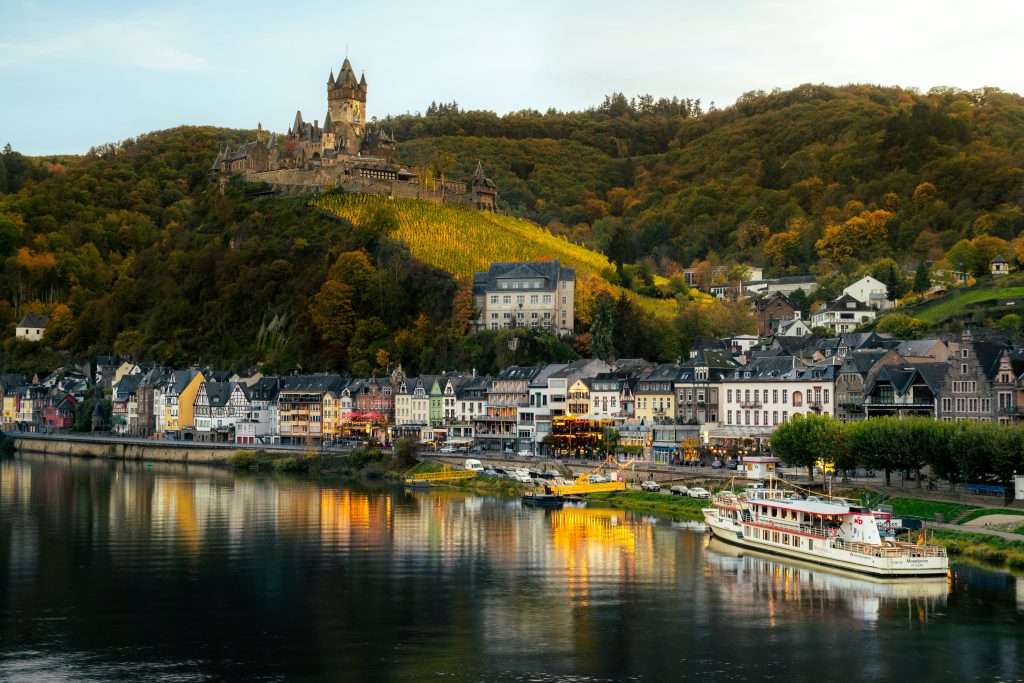
The Moselle Valley (Moseltal) between Trier and Koblenz is at its most photogenic in October. Harvest festivals (Weinfeste) run throughout the month in villages including Bernkastel-Kues and Cochem. The river cruise route between these towns is well suited to slow travel. This is not a destination for travelers in a hurry.
Saxon Switzerland (Sächsische Schweiz) near Dresden features sandstone rock formations that take on dramatic coloring in October. Hiking routes through the Elbe Sandstone Mountains are far less crowded than in summer. The Bastei Bridge viewpoint, which requires significant patience in July and August, is genuinely accessible in October without major queuing.
Franconia (Fränkische Schweiz) is Bavaria’s quieter northern region. Wooded hills, medieval towns (Bamberg, Bayreuth), and a distinct local wine culture make it a solid October destination. The fall foliage here is often overlooked by international visitors, which is precisely what makes it appealing.
Oktoberfest ends in early October, which means Munich accommodation prices drop sharply after the first week of the month. Late October in Munich can offer genuinely good value with pleasant autumn weather and no festival congestion.
Germany in November: Quiet Cities and Early Holiday Markets

November is widely regarded as Germany’s least appealing travel month, and for outdoor travel, that is a fair assessment. For city-focused travelers with cultural interests, it carries real advantages.
Berlin is arguably at its most authentic in November. Galleries, concert halls, and museums draw a predominantly local crowd. The city’s contemporary culture scene operates without a tourist overlay, which suits travelers who want the city on its own terms rather than as a visitor attraction.
Hamburg is a compelling November city break. The Speicherstadt warehouse district and HafenCity waterfront are atmospheric in grey November light. The Elbphilharmonie concert hall and several strong museums provide cultural weight. Hamburg in November is best suited to travelers who appreciate urban atmosphere over outdoor activity.
Early Christmas markets open on the first Advent Sunday (late November). Travelers who visit Germany’s Christmas markets in late November get the full experience with noticeably smaller crowds. Nuremberg’s Christkindlesmarkt, Dresden’s Striezelmarkt, and Cologne’s cathedral market are all open by the last week of November.
November is the most affordable month for accommodation and transport across most of Germany. For budget-conscious travelers who prioritize cultural access over weather, it is worth serious consideration.
Germany in December: Christmas Markets and Winter Cities

December is Germany’s most seasonally distinctive travel month. The Christmas market tradition is genuinely embedded in regional culture rather than being a tourism construct, and timing the visit well makes a meaningful difference.
The first two weeks of December consistently offer the best balance of atmosphere and crowd levels. The week before Christmas (December 18 to 23) and New Year’s Eve in major cities are both extremely busy and expensive.
Nuremberg (Nürnberger Christkindlesmarkt) is one of Germany’s oldest and most famous Christmas markets. It is centered on the Hauptmarkt square below the Imperial Castle and is known for Lebkuchen (gingerbread), handcrafted wooden ornaments, and a relatively traditional atmosphere compared to larger urban markets.
Dresden (Striezelmarkt) claims to be Germany’s oldest Christmas market, with the first recorded event in 1434. Held on the Altmarkt, it is closely associated with Christstollen, the traditional German fruit bread. Dresden in December combines the market with one of the country’s strongest Baroque city centers.
Rothenburg ob der Tauber operates a smaller market within its medieval walled town. The half-timbered architecture and enclosed character of the old town make it well suited to travelers who want atmosphere over scale. It is not the right choice for visitors primarily interested in large event markets.
Cologne Cathedral Christmas Market spreads across multiple sites in the city center, with the market beside the Dom as the centerpiece. Cologne in December is genuinely festive but also genuinely crowded. Arriving midweek and early in the day is the most reliable way to manage the congestion.
Matching the Right Month to the Right Trip
Germany has no genuinely wrong month for travel. What changes is which type of trip each month supports well.
Outdoor and Alpine travelers have the widest options from May through September, with May and September offering the strongest balance of conditions and crowd levels. July and August deliver the best weather but also the most competition for accommodation and trail access.
City and culture travelers can visit Germany effectively in any month. The winter months (November through March, outside Christmas markets) offer the best access to museums, galleries, and urban neighborhoods without tourist pressure.
Specific niches reward targeted planning: skiing in January and February, Karneval in February, cherry blossoms in April, Oktoberfest in September, wine harvest in October, and Christmas markets in late November and early December.
Germany’s regional diversity means the right destination is always available. The month-by-month sections above are intended as a reference tool rather than a ranking. The best time to visit Germany is the time that matches the type of trip being planned.