25 Best Lakes in Bavaria (Ranked for Families, Swimming & Hiking)
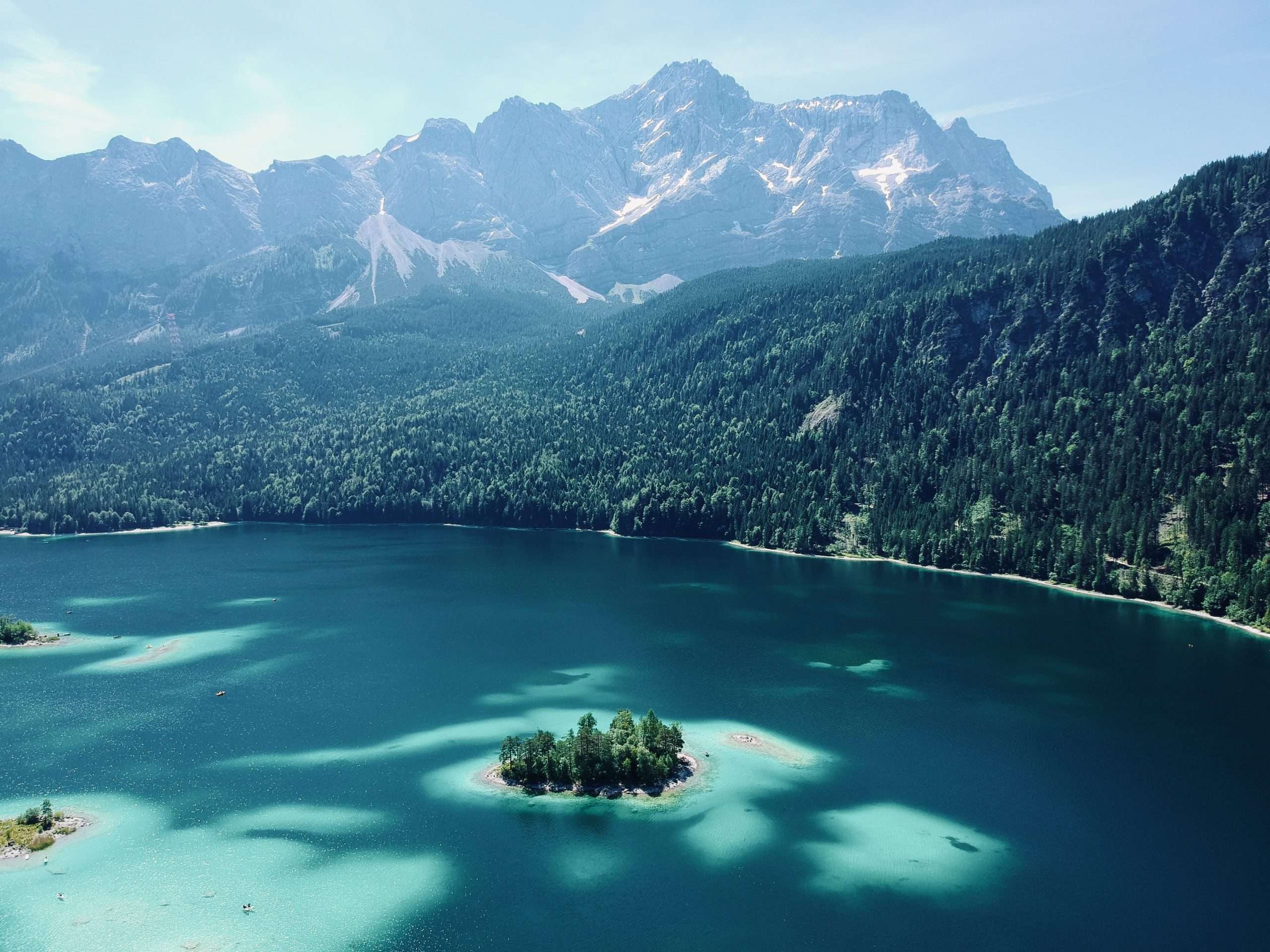
Eibsee is the strongest all-around choice among the best lakes in Bavaria because it combines swimming, a manageable lake circuit, and direct access to the Zugspitze area. Tegernsee is easier without a car, Chiemsee offers the best full-day mix of boats and islands, Walchensee suits more active visitors, and Königssee is best treated as a boat-and-walk day rather than a beach trip.
This ranking compares 25 Bavarian lakes for actual trip value, not appearance alone. It weighs swimming access, family facilities, walking or hiking, transportation, crowd pressure, and whether each lake works as a day trip or needs a longer stay.
No lake wins every category. Alpine water is often colder and facilities can be limited. Larger lakes closer to towns usually offer easier beaches, restaurants, playgrounds, and public transportation.
Quick Ranking of the 25 Best Lakes in Bavaria
| Rank | Lake | Nearest Base | Best For | Main Tradeoff |
|---|---|---|---|---|
| 1 | Eibsee | Grainau | Easy circuit and mountain setting | Cold water and heavy demand |
| 2 | Tegernsee | Tegernsee or Gmund | Car-free day from Munich | Busy and relatively expensive |
| 3 | Chiemsee | Prien | Boats, islands, and a full family day | Too large to cover casually |
| 4 | Walchensee | Walchensee village | Clear water and active days | Dispersed facilities |
| 5 | Königssee | Schönau am Königssee | Boat journey and mountain walks | Not a conventional beach day |
| 6 | Starnberger See | Starnberg | Flexible half-day trip | Uneven public shore access |
| 7 | Schliersee | Schliersee | Compact walk-and-swim day | Busy on warm weekends |
| 8 | Ammersee | Herrsching | Promenade, boats, and food | Choose the arrival town carefully |
| 9 | Großer Alpsee | Immenstadt | Swimming and water sports | Better within an Allgäu stay |
| 10 | Forggensee | Füssen | Castle-region add-on | Seasonal water levels |
| 11 | Brombachsee | Pleinfeld | Purpose-built beach day | Far from a short Munich itinerary |
| 12 | Staffelsee | Murnau | Swimming and a slower day | Fewer headline attractions |
| 13 | Wörthsee | Steinebach | Straightforward swimming | Limited bad-weather value |
| 14 | Kochelsee | Kochel | Mixed museum and outdoor day | Cooler, wind-exposed water |
| 15 | Hopfensee | Hopfen am See | Easy swim and stroll | Usually a half-day stop |
| 16 | Weißensee | Füssen | Quiet lake circuit | Limited facilities |
| 17 | Hintersee | Ramsau | Short mountain-lake walk | Small parking and shore areas |
| 18 | Alpsee | Schwangau | Walk near the royal castles | Castle-area crowds |
| 19 | Obersee | Königssee | Walk after the Salet boat stop | Boat-dependent access |
| 20 | Alatsee | Füssen | Short forest circuit and swim | Small supporting stop |
| 21 | Riegsee | Murnau | Low-key swimming | Fewer services |
| 22 | Simssee | Rosenheim region | Quieter Chiemgau lake day | No island or major boat trip |
| 23 | Fichtelsee | Fichtel Mountains | Forest recreation | Best only within northern Bavaria |
| 24 | Rothsee | Roth | Easy Franconian recreation | Chosen for facilities, not mountains |
| 25 | Niedersonthofener See | Immenstadt area | Quiet Allgäu swim | Weak public transportation |
The ranking favors lakes that solve several planning needs at once. A lower-ranked lake can still be the better choice when it sits on the route and offers the facilities a group needs.
Travelers comparing Bavaria with other regions can use the broader guide to Germany’s best swimming lakes to understand how Alpine and lowland options differ.
Quick choices: Eibsee is the best first Bavarian lake for most visitors. Wörthsee and Brombachsee are stronger when swimming facilities matter most. Schliersee offers one of the easiest complete lake walks. Tegernsee is the simplest high-value car-free option from Munich. Chiemsee makes the best full-day outing, while Riegsee works as a quieter alternative near Murnau.
1 to 5: Bavaria’s Strongest All-Around Lake Experiences
These five lakes carry the ranking because each creates a full outing around the water. They still require different pacing. Choosing by activity and transport is more useful than choosing by photographs.
1. Eibsee: Best Overall for Mountain Views and an Easy Lake Circuit
Eibsee works for groups with different energy levels. The circular path gives walkers a clear plan, while other visitors can swim, rent a boat when services are operating, or stay near the eastern shore facilities.
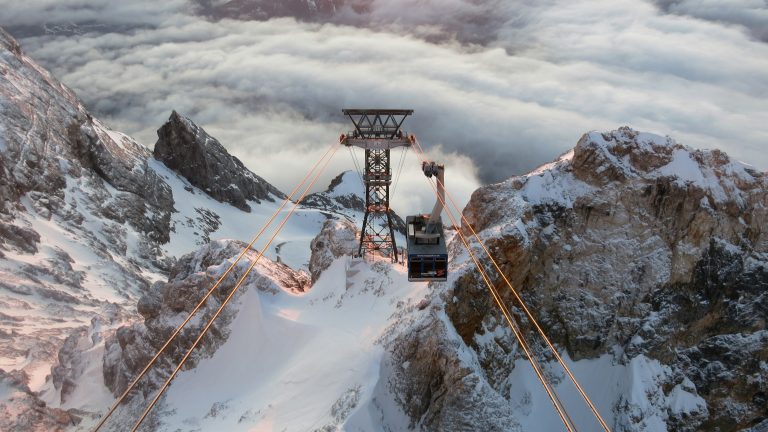
The loop is a real walk, not a quick promenade. Families should allow time for shore stops and avoid automatically pairing the full circuit with a long Zugspitze visit. The cable-car station is close, but doing both in one day works best with an early start and modest expectations.
Swimming is permitted at multiple shoreline access points. The water remains cool compared with lower lakes, and many entries are natural rather than beach-style. Grainau advises that early morning and late afternoon are generally less busy.
Best for: mixed-interest groups, older children who enjoy a longer walk, and first-time visitors to the Garmisch-Partenkirchen area.
Main drawback: parking and transport become crowded during peak periods. Use the Eibsee bus or Zugspitzbahn when it fits the day’s route, and check current services before leaving.
2. Tegernsee: Best Car-Free Lake Day from Munich
Tegernsee offers the most flexible lake day for travelers based in Munich. Rail access reaches Gmund and Tegernsee town, while local buses and passenger boats connect several shoreline communities.
The right arrival point depends on the plan. Tegernsee town works for a promenade, boat access, restaurants, and museum time. Gmund provides a useful starting point for the northern shore. Rottach-Egern and Bad Wiessee offer more resort facilities and designated bathing options.
Official regional information lists public lake access around all five communities and a wide range of boat rentals. Passenger boats serve landing stages in Gmund, Tegernsee, Bad Wiessee, and Rottach-Egern, subject to the current timetable.
Best for: car-free visitors, broad age ranges, and groups that want food and indoor alternatives nearby.
Main drawback: weekend crowds, traffic, and higher prices can make the lake feel less relaxed. A simple boat-and-promenade day is usually better than forcing a major hike, swim, and several towns into one outing.
3. Chiemsee: Best for a Full Family Day with Boats and Islands
Chiemsee is best planned from one useful gateway, usually Prien, rather than as a drive around the entire shore. The strongest first visit combines a passenger boat with either Herreninsel or Fraueninsel, then adds swimming only if the schedule still has room.
Herreninsel is the choice for the palace and more structured sightseeing. Fraueninsel provides a smaller settlement, short walks, and food stops. Trying to treat both islands, a palace tour, and a beach as equal priorities creates a long day with too much waiting.
Flat walking and boat travel make Chiemsee suitable for different generations. Children still need to tolerate boarding lines, fixed departures, and time away from a playground or beach.
Best for: a full-day outing, boat interest, and families that want an activity beyond swimming.
Main drawback: the lake’s scale is deceptive. Check the current boat timetable and choose the day’s main goal before arrival.
4. Walchensee: Best for Clear Water and an Active Mountain Day
Walchensee suits visitors who want cold-water swimming, paddling, cycling, or a mountain walk in the same area. It feels less organized than Tegernsee because facilities and shoreline access are spread among several small communities.
That lower level of development is part of the appeal, but it changes the packing list. Food, shade, restrooms, and easy water entry cannot be assumed at every stop. Wind can also change the water quickly, which matters for paddlers and less confident swimmers.
Active families with older children will get more from Walchensee than groups seeking a shallow lido and a large playground. A short shore visit is possible, but the lake works better when it is the day’s main destination.
Travelers who want a mountain meal after walking can compare the region’s best mountain hut hikes before combining two demanding activities.
Best for: confident swimmers, paddlers, and travelers combining a lake with a moderate outdoor activity.
Main drawback: the access road and parking can be difficult on warm weekends. Kochelsee is the easier alternative when rail access, museums, and town services matter more.
5. Königssee: Best for Boat Access and Mountain Walks, Not a Beach Day
Königssee earns its high ranking through the journey across the lake. Electric passenger boats connect the busy northern landing area with St. Bartholomä and, during the applicable operating period, Salet for access toward Obersee.
This is not the best choice for a casual family beach day. The experience revolves around timetables, queues, boat travel, and walking after disembarkation. Families with younger children may be happier stopping at St. Bartholomä instead of adding the longer Salet and Obersee sequence.
Travelers continuing toward Obersee need to watch the last return departure and leave a generous buffer. Mountain weather and seasonal service can alter the plan.
Best for: boat travel, mountain surroundings, and children comfortable with a structured full day.
Main drawback: waiting and fixed return times reduce flexibility. Review the official Königssee schedule shortly before the trip.
6 to 10: Accessible Lakes for Family Days and Short Breaks
Convenience matters more in this group. These lakes work because visitors can build a realistic day around a train station, town, beach, or established holiday base.
6. Starnberger See: Best for Easy Access and Flexible Half-Day Plans
Starnberger See is the easiest large lake to add to a Munich itinerary without sacrificing an entire day. Starnberg offers direct rail access, a promenade, passenger boats in season, and restaurants near the water.
The mistake is arriving without choosing a public bathing area. Parts of the shore are private or difficult to reach, so the town promenade is not automatically the best swimming base. Tutzing and designated recreation areas may fit better depending on the day’s goal.
Best for: a flexible half day, boat ride, or low-effort break from city sightseeing.
Main drawback: public water access is inconsistent. Decide whether the priority is swimming, boating, or walking before selecting the station.
7. Schliersee: Best Compact Lake-and-Mountain Combination
Schliersee is easier to understand than many larger lakes. The official circular route is about 7.3 kilometers, mostly level, and roughly two hours without long stops. A partial walk is easy to arrange when that is too much.
The eastern-shore lido has shade, a non-swimmer area, play and sports facilities, food, and supervised swimming when operating. Other bathing areas offer simpler access.
Rail service makes the lake practical from Munich, and the station sits close enough to begin without another major transfer.
Best for: a complete walk-and-swim day with school-age children.
Main drawback: the compact setup attracts heavy demand on hot weekends. Arriving by train avoids the worst parking problem.
8. Ammersee: Best for a Relaxed Day with Boats and Food Stops
Herrsching is the most straightforward first base at Ammersee. The train ends near the lake, and the promenade offers boat access, restaurants, and places to pause without a complex plan.
Ammersee works best when the day remains simple. A passenger-boat outing, lunch, and a selected bathing area are enough. Visitors who add a long walk to Andechs should decide whether swimming is still realistic afterward.
Best for: easy pacing, mixed ages, and a later return to Munich.
Main drawback: the shore towns are not interchangeable. Choosing the wrong arrival point can add transfers and reduce time at the water.
9. Großer Alpsee: Best Allgäu Lake for Swimming and Active Families
Großer Alpsee near Immenstadt combines designated bathing areas with sailing, paddling, and other water-based activities. It offers enough variety for older children and adults who do not want to spend the full day on a lawn.
The lake makes more sense within an Allgäu trip than as a long day from Munich. Immenstadt provides rail access, but the final connection to a specific beach or activity needs checking.
Best for: active families, water sports, and an Allgäu base.
Main drawback: visitors staying elsewhere in southern Bavaria can find similar activities with less travel. Pick Großer Alpsee because the wider trip is already in the Allgäu.
10. Forggensee: Best Lake Stop Near Füssen and the Royal Castles
Forggensee adds water time to a Füssen stay without requiring a new region. Passenger boats operate when water level and season allow, while shore sections support swimming and cycling.
The lake also fits naturally into a longer Romantic Road itinerary that uses Füssen as its southern base.
The lake is a reservoir with a managed seasonal level. That makes current conditions more important here than at natural lakes. Boat service and the appearance of the shore can change across the year.
A castle day already involves timed entries, transportation, and walking. Add only a short cruise, beach stop, or cycling segment rather than all three.
Best for: travelers spending several nights around Füssen.
Main drawback: it is not a dependable year-round boating plan. Check current water level and service before building the day around a cruise.
11 to 15: Best Bavarian Lakes for Swimming and Beach Facilities
These lakes move up the list when swimming conditions and usable facilities matter more than mountain terrain. A designated bathing area is often the better family choice because it can provide toilets, shade, food, play space, and a safer entry point.
11. Brombachsee: Best Purpose-Built Beach Day in Franconia
Brombachsee is the strongest facility-first choice in northern Bavaria. The lake system has several recreation centers and bathing areas, including family-oriented beaches and places for water sports.
The official lake association identifies seven recreation facilities around the Brombach lakes. That spreads visitors across multiple bases, but it also means families must choose the correct beach before driving.
Best for: a full beach day, cycling, and families who want more infrastructure.
Main drawback: it does not fit naturally into a short Munich or Alpine itinerary. It belongs in a Franconian trip.
12. Staffelsee: Best for Warm Swimming and a Slower Pace
Staffelsee near Murnau is a good recovery-day lake after more demanding mountain outings. Visitors can choose a bathing area, take a seasonal boat, or spend time in Murnau without committing to a major hike.
The lake has less destination-scale sightseeing than Chiemsee or Tegernsee. That is an advantage for groups that genuinely want to swim, eat, and stop adding activities.
Best for: a relaxed swim day and travelers based around Murnau.
Main drawback: visitors seeking a long list of attractions may find the day too quiet. That is a planning mismatch, not a fault in the lake.
13. Wörthsee: Best Straightforward Swimming Day near Munich
Wörthsee can be a better swimming choice than its more famous neighbors. Designated public bathing areas give families a clearer plan than searching for informal shore access.
The lake has less to offer when the weather changes. There is no equivalent to Chiemsee’s islands or Tegernsee’s broad town infrastructure, so a poor forecast should trigger a different plan.
Best for: warm-weather swimming as the main activity.
Main drawback: public access and parking are concentrated. Confirm the selected bathing area and transport before departure.
14. Kochelsee: Best for a Cooler Swim with Museum and Mountain Options
Kochelsee works for groups that do not all want the same day. One part of the group can visit the Franz Marc Museum or stay near town while others walk or use the water.
Wind exposure and cooler water make it less reliable as a pure family beach day than Wörthsee or Staffelsee. The benefit is a stronger range of alternatives nearby.
Best for: mixed interests and travelers moving between Munich and the mountain lakes.
Main drawback: swimmers should not expect calm, warm conditions on every summer day.
15. Hopfensee: Best Easy Swim-and-Stroll Lake near Füssen
Hopfensee offers one of the easiest low-effort afternoons in the Füssen area. The waterfront settlement has a promenade, restaurants, and bathing access without the fixed schedule of a castle or boat excursion.
This lake is most useful as intentional downtime. It does not need a full sightseeing day unless swimming is the primary goal.
Best for: younger children, tired walkers, and a rest afternoon during a Füssen stay.
Main drawback: visitors with only one day in the region will usually prioritize the castles or Füssen itself.
16 to 20: Best Bavarian Lakes for Walks, Hikes, and Mountain Pairings
The lakes in this section reward walking more than beach time. Route surface, distance, exposure, and return logistics matter more than whether a map labels the route easy.
16. Weißensee near Füssen: Best Quiet Lake Circuit near Major Sights
Weißensee gives Füssen visitors a quieter half day away from the castle corridor. A circuit and public bathing access allow a walk to become a swim day when conditions cooperate.
Facilities are lighter than at Hopfensee. Carry water and confirm restrooms or food rather than assuming every shoreline section has services.
Best for: walkers who want a calmer lake near Füssen.
Main drawback: it works as a supporting outing, not a replacement for the region’s major sights on a first short visit.
17. Hintersee near Ramsau: Best Short Mountain-Lake Walk
Hintersee provides a short shoreline experience that fits into a Berchtesgaden stay without consuming the whole day. The surrounding path can be shortened, and nearby Ramsau gives the outing a clear regional base.
Parking and shore space are limited compared with larger lakes. An early arrival or bus plan is more sensible than treating Hintersee as a spontaneous roadside stop during peak periods.
Best for: a shorter walk, mixed abilities, and a day that includes Ramsau.
Main drawback: the lake’s small scale makes crowd pressure noticeable.
18. Alpsee near Schwangau: Best Walk to Pair Carefully with Neuschwanstein
Alpsee sits below Hohenschwangau and close to the royal castles. It should not be confused with Großer Alpsee near Immenstadt.
The lake gives castle visitors an outdoor option, but timed entries and shuttle or walking logistics already make the day demanding. A short shore walk is more realistic than automatically committing to the full circuit.
Best for: travelers staying in Schwangau or visiting one castle rather than two.
Main drawback: the entire area shares the same high visitor pressure. A lake walk does not remove the need to plan parking and castle transport.
19. Obersee near Königssee: Best Reward After a Boat Journey
Obersee is reached from the Salet landing stage on Königssee passenger-boat services when that route is operating. It is not an independent roadside lake.
The walk from Salet begins gently, but visitors continuing farther need suitable footwear, weather awareness, and enough time for the return boat. Strollers and very tight schedules are poor fits.
Best for: active families with older children and travelers prepared for a structured full day.
Main drawback: every part of the visit depends on the boat schedule. Missing the intended return is a serious planning failure, not a minor inconvenience.
20. Alatsee: Best Small Lake for a Short Walk above Füssen
Alatsee has a shady circular path, two public bathing points, and a restaurant near the water. It can be reached by road from the Weißensee side or on longer walking and cycling routes.
The lake works well when a group wants a compact walk and an optional swim without another major attraction. Its protected surroundings also mean visitors should stay with established access and respect local restrictions.
Best for: a half day, mixed walking ability, and a quieter Füssen-area stop.
Main drawback: its smaller scale makes it a complement to a Füssen itinerary rather than a reason to cross Bavaria.
21 to 25: Quieter Regional Alternatives Worth Choosing Deliberately
The final five are not substitutes for every higher-ranked lake. They are useful when the route, crowd tolerance, or desired pace makes a smaller regional lake the smarter choice.
21. Riegsee: Best Low-Key Alternative near Murnau
Riegsee is a quieter swimming alternative near Murnau and Staffelsee. The municipality describes it as a protected lake that warms relatively quickly, but visitors should still check current bathing-water information.
Choose it when: swimming and a picnic matter more than boats or town facilities.
Skip it when: public transportation, restaurants, and an all-weather plan are essential.
22. Simssee: Best Chiemgau Alternative Away from Chiemsee’s Main Hubs
Simssee offers bathing and low-key recreation without Chiemsee’s island traffic. It makes sense for travelers already staying around Rosenheim or the Chiemgau.
Choose it when: the goal is a simpler regional lake day.
Skip it when: a passenger boat, palace visit, or broad choice of shoreline towns is central to the plan.
23. Fichtelsee: Best Forest Lake in Northern Bavaria
Fichtelsee fits a Fichtel Mountains trip through swimming, short walks, and forest recreation. It should not be added to a southern Bavaria itinerary simply to increase the lake count.
Choose it when: northern Bavaria is already part of the route.
Skip it when: the priority is Alpine terrain or easy access from Munich.
24. Rothsee: Best Franconian Lake for Easy Recreation
Rothsee has bathing areas at Birkach, Heuberg, and Grashof, supported by parking, public transportation, and food options. It provides a practical alternative to Brombachsee within the Franconian Lake District.
Choose it when: facilities, swimming, and a straightforward family day matter most.
Skip it when: the lake itself needs to anchor a long sightseeing detour.
25. Niedersonthofener See: Best Small Allgäu Lake for a Quiet Swim
Niedersonthofener See works as a calm swimming stop for travelers already driving through the Allgäu. It offers less infrastructure and weaker public transportation than Großer Alpsee.
Choose it when: fewer crowds and a simple afternoon are the goal.
Skip it when: rentals, broad facilities, or rail access are required.
How to Choose the Right Bavarian Lake for Your Trip
Start with the day’s nonnegotiable need. Families with younger children often need a designated bathing area, shallow entry, toilets, shade, food, and a playground. Older children may value paddling, cycling, a longer circuit, or a boat trip more.
A well-equipped lake near the route usually produces a better day than a higher-ranked lake that requires several extra hours of travel.
Choose Eibsee over Walchensee for a clearly defined circuit and easier pairing with a major mountain attraction. Choose Walchensee for paddling, cold-water swimming, and a less organized outdoor day.
Choose Tegernsee over Schliersee for more towns, boats, restaurants, and fallback options. Choose Schliersee for a compact circuit and a simpler walk-and-swim plan.
Choose Chiemsee over Simssee for islands and a full excursion. Choose Simssee for less structure and fewer headline sights.
Choose Staffelsee over Riegsee for more visitor services and boat options. Choose Riegsee when swimming and quiet matter more.
Choose Brombachsee over Rothsee for a broader lake-resort day. Choose Rothsee when it is closer to the route and the family only needs a good bathing base.
Build the Trip Around One Base
The lakes are too dispersed for one efficient statewide route. A base-first plan prevents long transfers from consuming the day.
| Base | Best Lake Choices | Realistic Plan | Transport Note |
|---|---|---|---|
| Munich | Tegernsee, Schliersee, Starnberger See, Ammersee, Wörthsee | Choose one lake per day | Several useful rail options |
| Garmisch-Partenkirchen or Grainau | Eibsee, Staffelsee, Kochelsee, Walchensee | Two lake days or one lake plus one mountain day | Eibsee is easiest without moving the base |
| Füssen or Schwangau | Forggensee, Hopfensee, Weißensee, Alpsee, Alatsee | Use one full lake day plus short stops around other plans | A car helps for the smaller lakes |
| Berchtesgaden | Königssee, Obersee, Hintersee | Keep Königssee and Obersee together; use Hintersee separately | Boat schedules control the Obersee day |
| Franconian Lake District | Brombachsee, Rothsee | Choose one main beach base each day | Do not add these to a short Alpine itinerary |
What to Skip When Time Is Short
- Skip a full Eibsee circuit when the Zugspitze is the day’s main priority. Use a shorter shore walk instead.
- Skip trying to see all of Chiemsee. Choose Herreninsel or Fraueninsel, then decide whether swimming still fits.
- Skip Obersee when children cannot handle a boat-dependent day with a fixed return window.
- Skip Forggensee as a quick add-on to a tightly timed two-castle day near Füssen.
- Skip the quieter regional lakes when they require a major detour. Their value comes from fitting the route, not outranking the main destinations.
Best Lakes by Traveler Priority
- Best with younger children: Brombachsee, Rothsee, Schliersee’s designated lido, Hopfensee, and selected Tegernsee bathing facilities.
- Best with older children: Eibsee, Walchensee, Großer Alpsee, Chiemsee, and Königssee.
- Best without a car: Tegernsee, Schliersee, Starnberger See, Ammersee from Herrsching, and Chiemsee from Prien.
- Best from Garmisch-Partenkirchen: Eibsee, Staffelsee, and the Kochelsee-Walchensee area.
- Best from Füssen: Forggensee, Hopfensee, Weißensee, Alpsee, and Alatsee.
- Best from Berchtesgaden: Königssee, Obersee, Hintersee, and Chiemsee on a separate day.
- Best in Franconia: Brombachsee and Rothsee.
Open-water safety deserves more attention than most lake rankings give it. Swim at designated access points when possible. Keep children within direct supervision, watch local storm-warning systems, and stay away from passenger-boat lanes and landing stages. Inflatable toys are not safety devices.
Parking plans should include a backup. Warm weekends can fill the most convenient lots early. Rail-accessible lakes often produce a calmer day because the return does not depend on finding a space near the shore.
When to Visit Bavaria’s Lakes
Summer provides the strongest chance of comfortable swimming and full seasonal services. It also brings the highest crowd and parking pressure.
Late spring and early fall can be better for lake circuits, boat trips, and meals by the water. Swimming is less predictable, and some rentals, boats, or bathing facilities may operate on reduced schedules.
Mountain lakes react quickly to weather. Wind, storms, and cold water can turn a planned swim into a walking day. Check the local forecast, water temperature, bathing-water notice, boat schedule, and trail status shortly before travel.
The lakes are spread across Bavaria. Travelers should cluster them around Munich, Füssen, Garmisch-Partenkirchen, Berchtesgaden, the Allgäu, or Franconia instead of trying to collect distant stops in one route.
Bad-Weather Alternatives
Poor weather does not affect every lake equally. Tegernsee, Schliersee, Starnberger See, Ammersee, and Kochelsee have towns, restaurants, museums, or indoor pools that make a shortened lake visit workable.
Walchensee, Hintersee, Alatsee, and the smaller regional lakes offer fewer useful fallbacks at the shore. On wet or stormy days, move the outdoor plan rather than waiting in a parked car for conditions to improve.
Königssee and Chiemsee require a current boat decision. Wind, storms, visibility, and operating changes can remove the main reason for the trip, so check the official service before traveling to the landing stage.