Best North Sea Islands in Germany
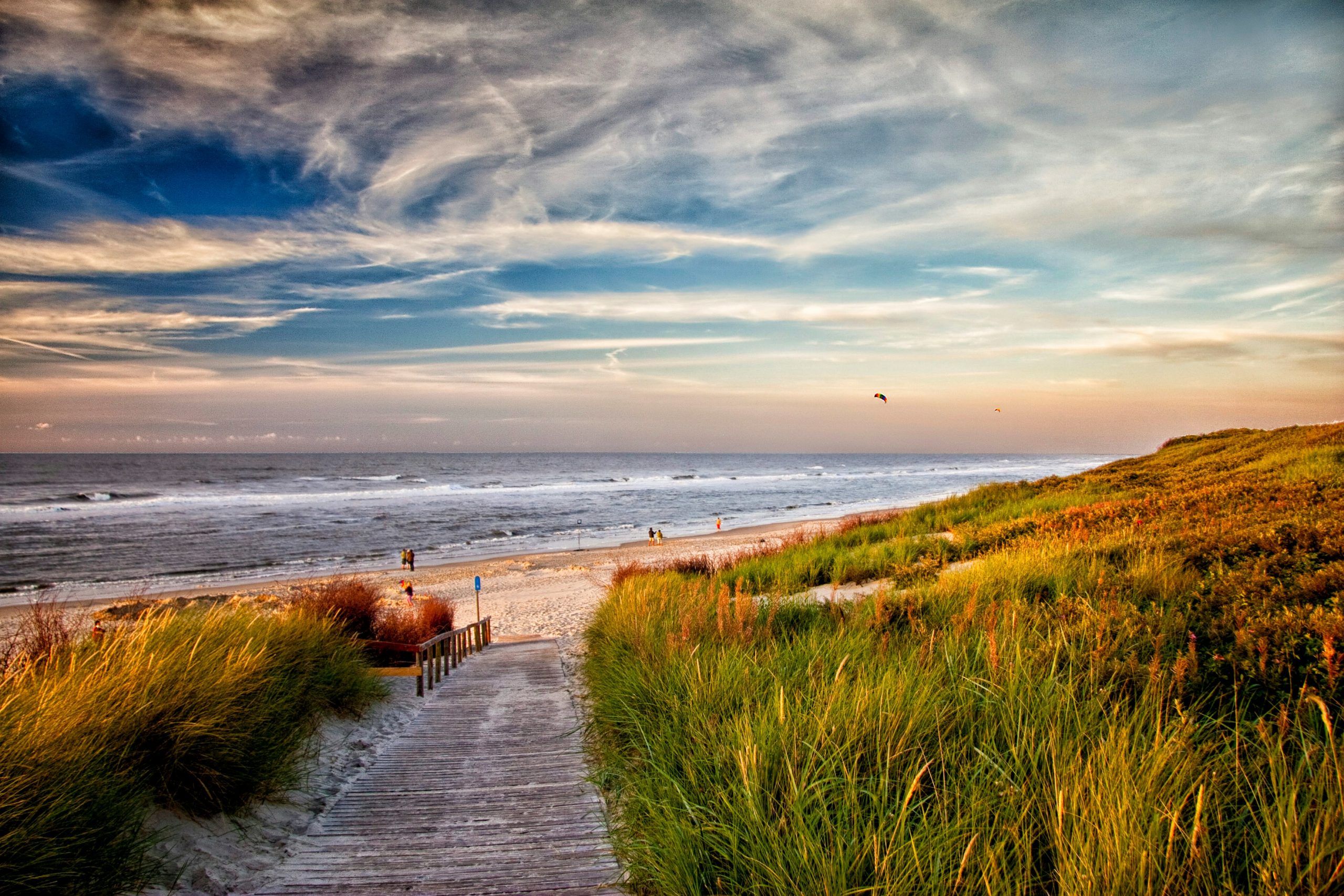
Sylt is the best North Sea island in Germany for travelers who want the widest choice of beaches, villages, restaurants, and bad-weather alternatives. Föhr is the stronger all-around family choice, while Amrum is best for travelers who want broad beaches and nature to dominate the trip.
Norderney and Borkum offer the most activity variety among the East Frisian islands. Juist, Langeoog, and Spiekeroog work better for quieter car-free stays, but they require more careful planning around ferries, luggage, and limited indoor options.
No island is best for everyone. This guide compares eight German North Sea islands by beach character, family suitability, access, cost, car rules, accommodation location, and realistic length of stay. The goal is to help travelers choose an island that fits the trip rather than defaulting to the most famous name.
Quick Comparison of the Best North Sea Islands in Germany
Travelers should first decide whether they want a full-service destination, a nature-focused beach trip, or a quieter car-free island. That choice narrows the field faster than comparing beaches alone.
| Island | Best For | Beach Character | Family Activities | Access | Car Policy | Relative Cost | Suggested Stay |
|---|---|---|---|---|---|---|---|
| Sylt | Best overall variety | Long west-coast beaches | Broadest activity range | Direct train | Cars allowed | Highest | 4 to 7 nights |
| Föhr | Best all-around family trip | Calmer beaches in many areas | Strong family balance | Ferry from Dagebüll | Cars allowed | Moderate to high | 4 to 7 nights |
| Amrum | Best for beaches and nature | Very wide Kniepsand beach | Mostly outdoor activities | Ferry from Dagebüll | Cars allowed, often unnecessary | Moderate to high | 3 to 6 nights |
| Norderney | Best East Frisian mix | Broad beaches near a developed town | Good indoor and outdoor options | Ferry from Norddeich | Restricted in some areas | Moderate to high | 3 to 6 nights |
| Borkum | Best for active longer stays | Several beach areas | Cycling, town services, family activities | Ferry or catamaran | Permitted with restrictions | Moderate | 4 to 7 nights |
| Juist | Best for quiet car-free beach time | Long uninterrupted beach | Low-key outdoor routine | Tide-dependent ferry or plane | Car-free | High | 3 to 5 nights |
| Langeoog | Best car-free island for younger children | Broad sandy beach | Compact and family-friendly | Ferry plus island train | Car-free | Moderate to high | 3 to 5 nights |
| Spiekeroog | Best for quiet nature | Beach, dunes, and open space | Limited but manageable | Ferry | Car-free | Moderate to high | 2 to 4 nights |
Sylt is the safest recommendation for travelers who want enough variety for a full week. Föhr is a better fit for families who prefer a calmer pace and easier day-to-day planning.
Amrum, Juist, and Spiekeroog work best when the beach, walking, cycling, and nature are the main activities. They are less suitable for travelers who need a long list of attractions every day.
Fastest decision: Choose Sylt for the broadest trip, Föhr for the best family balance, Amrum for beach and dunes, Norderney for town life, Borkum for an active week, Langeoog for a manageable car-free family stay, Juist for uninterrupted beach time, and Spiekeroog for the quietest short break.
Best Islands by Travel Style
Best Overall North Sea Island: Sylt
Sylt is the best overall choice for travelers who want beaches, restaurants, cycling, nature, shopping, and enough variety for a longer stay. Direct train access also makes it easier than ferry-only islands.
The main drawback is cost. Sylt is usually the most expensive island in this comparison, and the busiest areas can feel crowded during school holidays.
Föhr is the better alternative for travelers who want a more relaxed family trip without giving up practical services.
Best North Sea Island for Families: Föhr
Föhr offers the strongest balance of family-oriented beaches, manageable distances, cycling, restaurants, groceries, and accommodation options. Wyk auf Föhr provides the easiest base, especially without a car.
Föhr does not have the same range of villages, dining, or headline attractions as Sylt. That is also part of its appeal. Daily planning tends to be simpler.
Langeoog is the best alternative for families specifically seeking a car-free island.
Best Island for Beaches and Nature: Amrum
Amrum stands out for Kniepsand, a broad sandbank that creates one of Germany’s most substantial beach landscapes. The island also works well for dune walks, cycling, birdwatching, and lighthouse outings.
Amrum is not the best choice for nightlife, shopping, or a long list of indoor attractions. It works best when outdoor time is the point of the trip.
Juist offers a similar beach-focused rhythm in a car-free setting.
Best East Frisian Island for Variety: Norderney
Norderney combines beaches with a developed town, restaurants, wellness facilities, cycling, and indoor options. That makes it easier to fill four or five days, even when the weather changes.
The tradeoff is atmosphere. Norderney feels busier and more resort-oriented than Juist, Langeoog, or Spiekeroog.
Borkum is the better alternative for travelers who want more space and a longer cycling-based stay.
Best Car-Free Island for Families: Langeoog
Langeoog is one of the easiest car-free islands for families with younger children. The ferry connects with an island train, the village is compact, and bicycles cover most daily needs.
Car-free does not mean effort-free. Families still need to plan luggage transfers, ferry timing, and the distance between the station and their accommodation.
Best Island for Quiet and Minimal Development: Spiekeroog
Spiekeroog works best for travelers who want a slow schedule built around the beach, dunes, walking, and simple village life. It is well suited to a shorter stay.
The limited activity range is the main drawback. Families who need regular indoor attractions or broad dining choice may find it too quiet after several days.
North Frisian Islands: Sylt, Föhr, and Amrum
The North Frisian islands off Schleswig-Holstein work well for multi-day trips built around beaches, cycling, and the Wadden Sea. Sylt offers the most infrastructure. Föhr provides the best family balance. Amrum gives the strongest nature-first experience.
Sylt: Best for Variety, Easy Train Access, and a Longer Stay
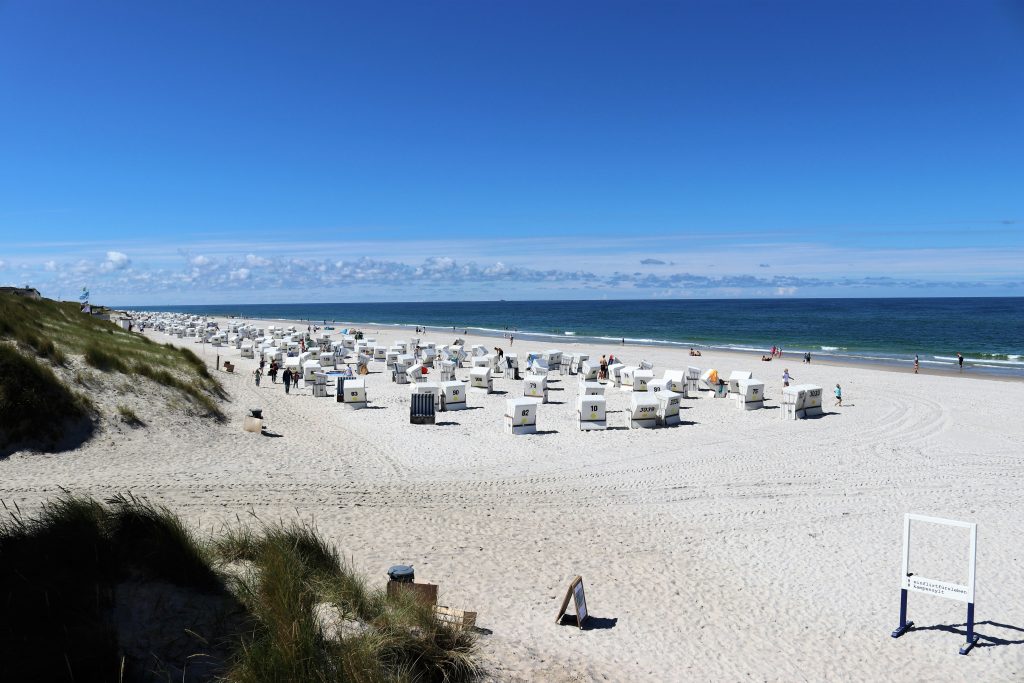
Sylt offers the broadest trip of any German North Sea island. The west coast has long sandy beaches, while the east side faces the Wadden Sea. Cycling routes connect villages, dune areas, and coastal nature reserves.
The island also provides concrete alternatives when beach weather fails. Westerland has the Sylter Welle leisure pool, List has the Erlebniszentrum Naturgewalten, and the villages are linked by buses and cycling routes. Outdoor priorities include the Rotes Kliff near Kampen, the Ellenbogen at the northern end, and the quieter southern landscape around Hörnum.
Travelers with only one or two usable days should not try to cover the entire island. It is better to choose one beach area, one nature stop, and one village than spend the day moving between List and Hörnum.
The island’s size and village variety matter. Travelers can stay in a practical transport hub, choose a quieter beach base, or focus on the northern and southern ends of the island.
Sylt works especially well for a four- to seven-night trip because poor weather does not stop the entire vacation. Restaurants, shops, swimming facilities, museums, buses, and multiple villages provide alternatives to a full beach day.
Direct rail access is a major advantage. Passenger trains reach Westerland over the Hindenburgdamm, so travelers can arrive without coordinating a ferry. Cars reach the island by vehicle train.
A car is useful for families carrying beach equipment or staying outside Westerland. It is not essential. Buses and bicycles can work well for travelers based near a station or village center.
The main drawback is cost. Accommodation, restaurants, and peak-season bookings can be expensive. Travelers paying Sylt prices should choose the location carefully rather than booking the cheapest available room far from the places they plan to use.
Where to Stay on Sylt
Westerland is the easiest base without a car. It has the main train station, restaurants, shops, indoor options, and quick beach access. It is also the busiest and least peaceful choice.
Wenningstedt-Braderup offers a strong family balance. It has practical services and good beach access while feeling calmer than central Westerland.
Kampen suits travelers prioritizing upscale accommodation and dining. It offers poor value for families mainly interested in the beach.
List works well for dunes, nature, and the northern end of the island. It is less central for exploring Sylt as a whole.
Hörnum offers a quieter beach-focused base in the south. The tradeoff is distance from the island’s main services.
Föhr: Best All-Around Island for Families
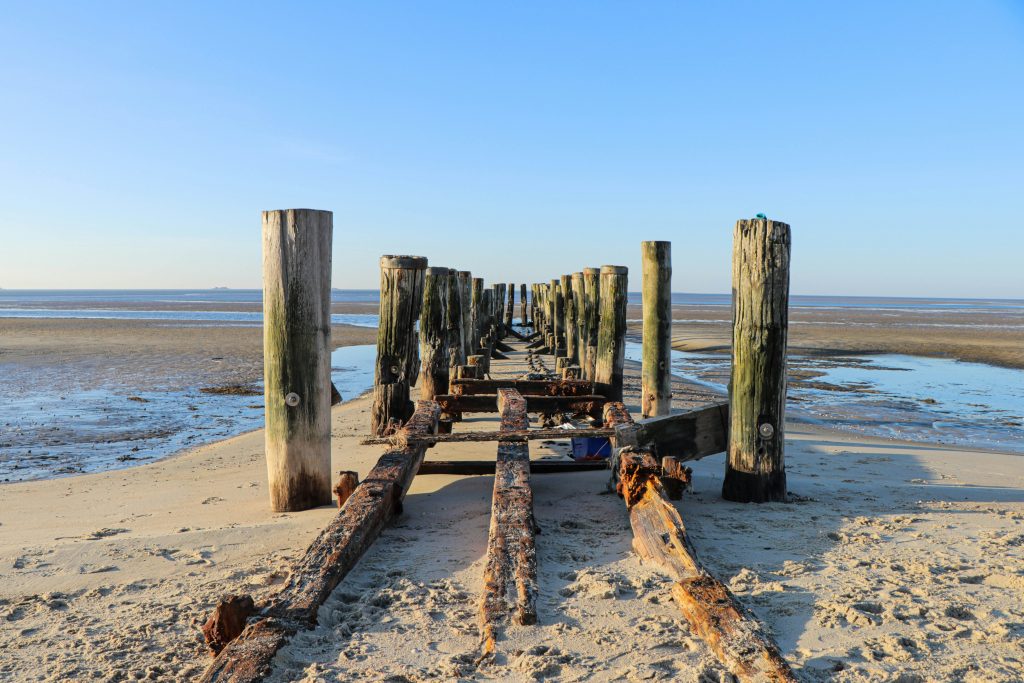
Föhr is one of the best North Sea islands in Germany for a family vacation. It is large enough for several days of cycling and exploring, but small enough to avoid long daily transfers.
Wyk provides useful bad-weather options, including the AQUAFÖHR pool and wellness complex. The Museum Kunst der Westküste in Alkersum gives older children and adults a substantial indoor alternative to another beach day. These named options are part of why Föhr works better for a longer family stay than a smaller car-free island.
Families staying only three nights should prioritize Wyk, one cycling loop through the island villages, and one flexible beach day. Trying to visit every village adds distance without materially improving a short trip.
Many beach areas face the Wadden Sea rather than the open west coast. Conditions can feel gentler than the exposed beaches on Sylt or Amrum, although tides still shape when and how the water can be used.
Wyk auf Föhr is the most practical base. It has the ferry port, promenade, restaurants, groceries, bike rentals, and the broadest range of rainy-day options. Families arriving without a car should strongly favor Wyk or accommodation with an easy bus connection.
The smaller villages offer more space and a quieter setting. They work better for travelers who bring a car or are comfortable cycling longer distances for groceries and restaurants.
A car adds convenience but is not required. Bicycles are useful because the island is relatively flat, and buses connect the main settlements.
Föhr’s strength is balance. It does not have Amrum’s vast beach landscape or Sylt’s range of restaurants and villages. It does offer easier family pacing, practical services, and enough variety for four to seven nights.
Amrum: Best for Wide Beaches, Dunes, and Outdoor Time
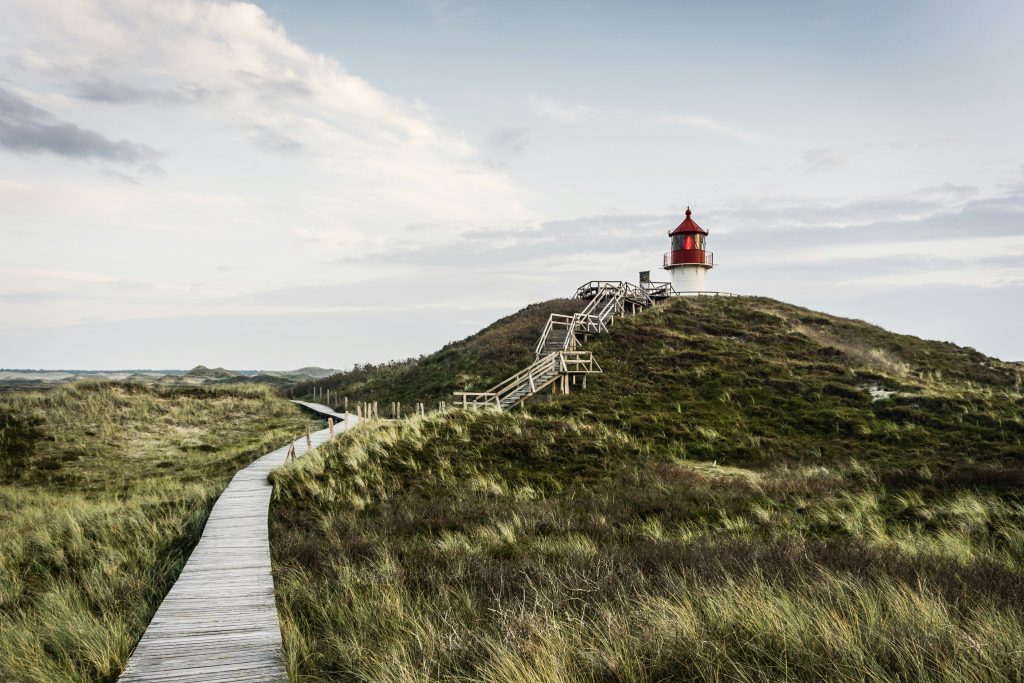
Amrum is the clearest choice for travelers who want the beach and nature to dominate the trip. Kniepsand runs along much of the island’s west side and creates an unusually broad area of sand.
The Amrum Lighthouse provides a clear destination for a cycling or walking day, while the Vogelkoje and surrounding woodland add variety away from the open beach. These stops are secondary to the island’s natural setting, not reasons to build an attraction-heavy itinerary.
Travelers should skip Amrum if they expect a different organized activity every morning and afternoon. The island rewards repeat beach visits, long walks, cycling, and unstructured outdoor time.
The island suits walking, cycling, dune landscapes, birdlife, and lighthouse outings. Daily plans can remain simple: beach in good weather, cycling or walking when it is cooler, and shorter village stops between outdoor activities.
A car is usually less useful than on Sylt or Föhr. Distances are manageable by bicycle, and bringing a vehicle adds ferry cost and reservation planning.
Amrum’s main limitation is bad-weather variety. There are restaurants, small museums, shops, and local facilities, but the island cannot match Sylt or Norderney for indoor options.
Families should choose accommodation with practical access to groceries, meals, and transport. A remote location can feel peaceful on sunny days and inconvenient during several days of wind and rain.
Three to six nights works well. A shorter stay can feel rushed after the ferry journey, while a full week suits families content with a nature-led routine.
East Frisian Islands: Norderney, Borkum, Juist, Langeoog, and Spiekeroog
The East Frisian islands differ more than their similar geography suggests. Norderney and Borkum offer larger towns and more activities. Juist, Langeoog, and Spiekeroog remove private cars and slow the pace.
The key decision is not simply whether an island is car-free. Travelers should also compare ferry flexibility, luggage handling, mainland parking, accommodation distance, and the amount of activity variety available after arrival.
Norderney: Best for Town Life, Beaches, and Bad-Weather Options
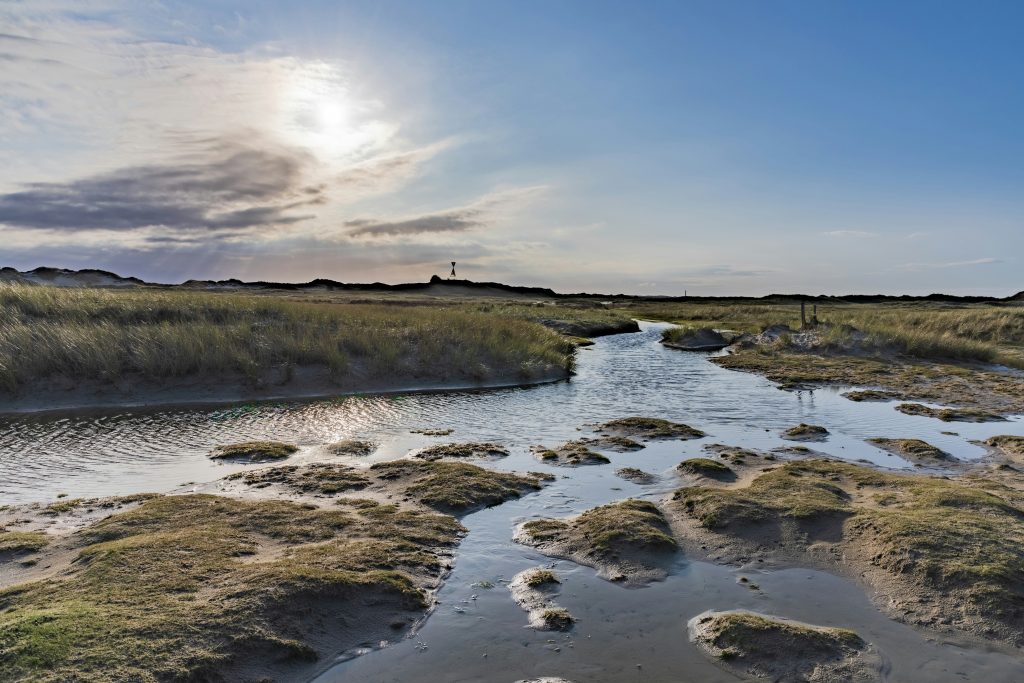
Norderney is the best East Frisian island for travelers who want a beach vacation without giving up restaurants, shops, wellness facilities, and indoor alternatives.
The Badehaus Norderney and the Nationalpark-Haus WattWelten give the island concrete wet-weather and Wadden Sea options. The main town is the practical base, while beaches such as the areas around Nordstrand and Weiße Düne provide different levels of services and distance from town.
Travelers seeking a car-free village atmosphere should skip Norderney and choose Juist, Langeoog, or Spiekeroog. Norderney’s advantage is infrastructure, not isolation.
The town provides a practical base, while cycling and buses open access to quieter sections of the island. This mix makes Norderney easier for a four- to six-night stay than smaller car-free islands.
Families benefit from having more than one type of day available. A sunny day can center on the beach. A cooler day can include cycling, town activities, swimming, or shorter excursions.
Visitors can bring cars under certain conditions, but vehicle restrictions and limited usefulness mean many travelers are better off parking on the mainland. The island is manageable by bicycle, bus, and walking.
Norderney’s drawback is crowding. During school holidays and busy weekends, the town and popular beach areas can feel more like a full resort than a quiet island escape.
Travelers who want maximum peace should choose Juist or Spiekeroog instead.
Borkum: Best for Active Families and a Full Week
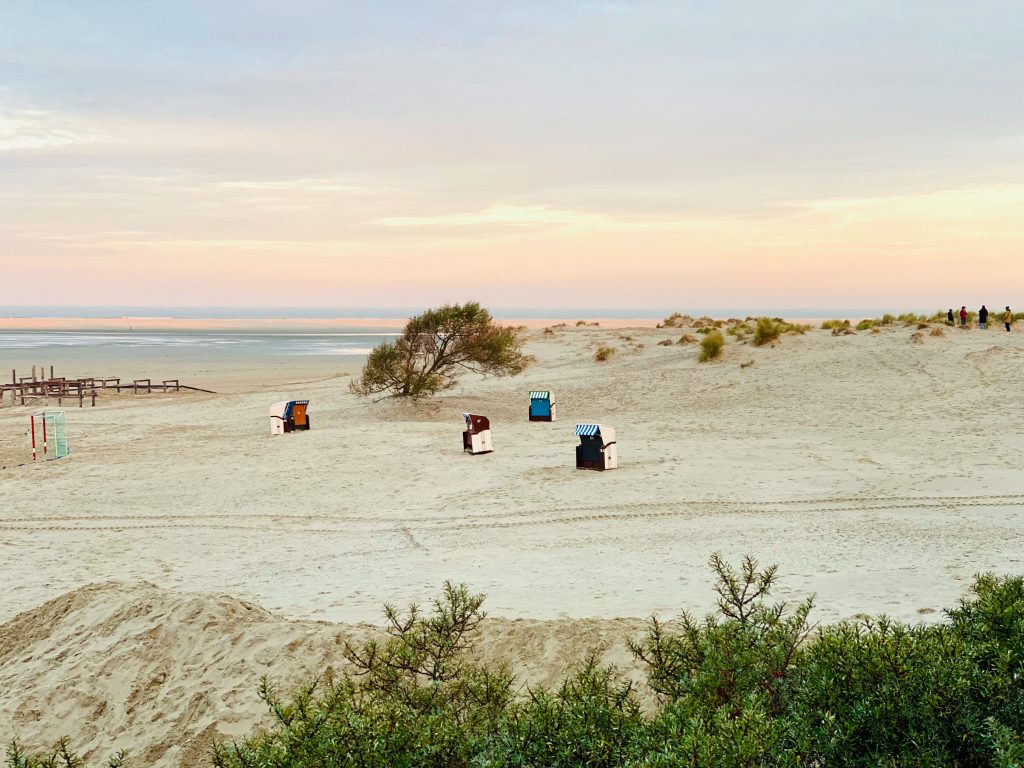
Borkum is the largest East Frisian island and one of the best choices for a longer active stay. Its scale creates more room for cycling, several beach areas, town services, and varied daily routes.
The island railway makes the arrival feel different from the smaller islands and links the port area with town. Gezeitenland provides a useful indoor swimming and wellness option, while the New Lighthouse gives visitors a fixed town-based landmark around which to organize a shorter outing.
Borkum is not the best choice for travelers who want everything within a short walk. Its size is an advantage for cycling and a drawback for families who prefer a compact village-and-beach routine.
The island suits families who do not want every day to follow the same pattern. Beach time can be combined with cycling, shorter nature outings, town stops, and indoor alternatives.
Borkum can be reached from Emden in Germany and from Eemshaven in the Netherlands. The best departure point depends on the travel route, parking needs, and available sailing.
Cars are permitted under restrictions, but many visitors rely on bicycles and the island railway. A car may help with luggage and remote accommodation, yet it can become unnecessary once the family settles into an island routine.
Borkum is less compact than Langeoog or Spiekeroog. That can make the island feel less immediately cohesive, but it also creates enough variety for four to seven nights.
Travelers choosing Borkum should book accommodation near the part of the island they expect to use most. A low room rate loses value if every meal, beach visit, and activity requires extra transport.
Juist: Best for Uninterrupted Beach and Car-Free Quiet
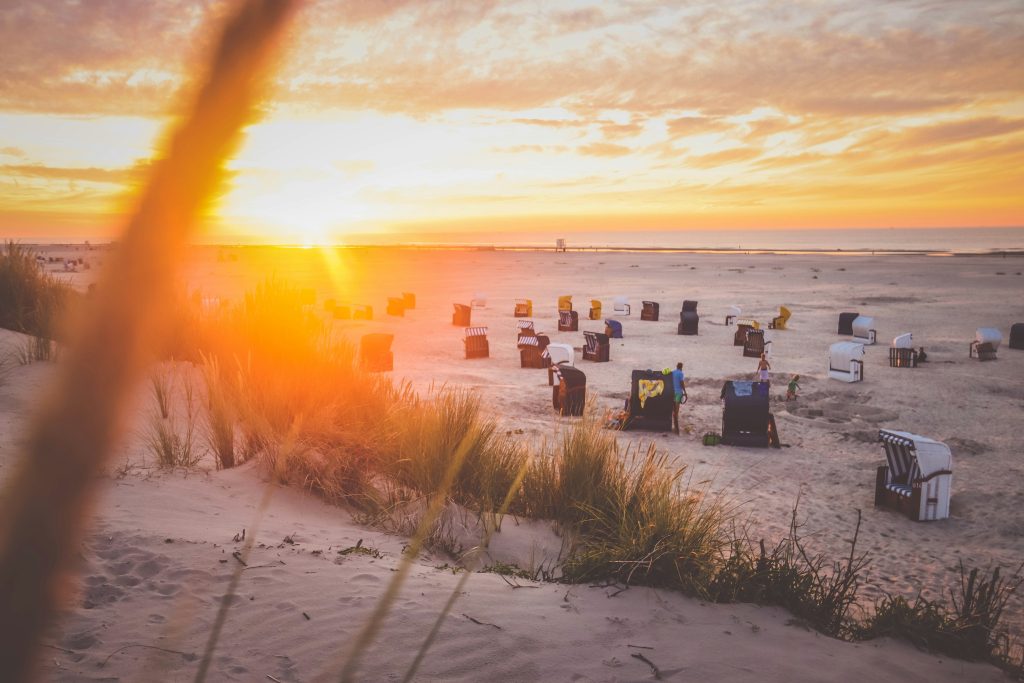
Juist is a long, narrow, car-free island built around beach time, walking, cycling, and a low-traffic environment. Horse-drawn transport remains part of the island’s practical identity.
The island works well for families who want a calm routine and do not need a packed sightseeing schedule. The long beach makes it easy to find space even when the main village is busy.
Ferry schedules are influenced by tides, which can reduce arrival and departure flexibility. Travelers should check the complete journey before reserving accommodation or onward trains.
Juist can also be expensive because accommodation supply is limited. The island is a good value only when travelers actively want quiet, car-free days and a strong beach focus.
Three to five nights suits most first visits. A full week works better for repeat visitors or families comfortable with a slow pace.
Langeoog: Best Car-Free Island for Younger Children
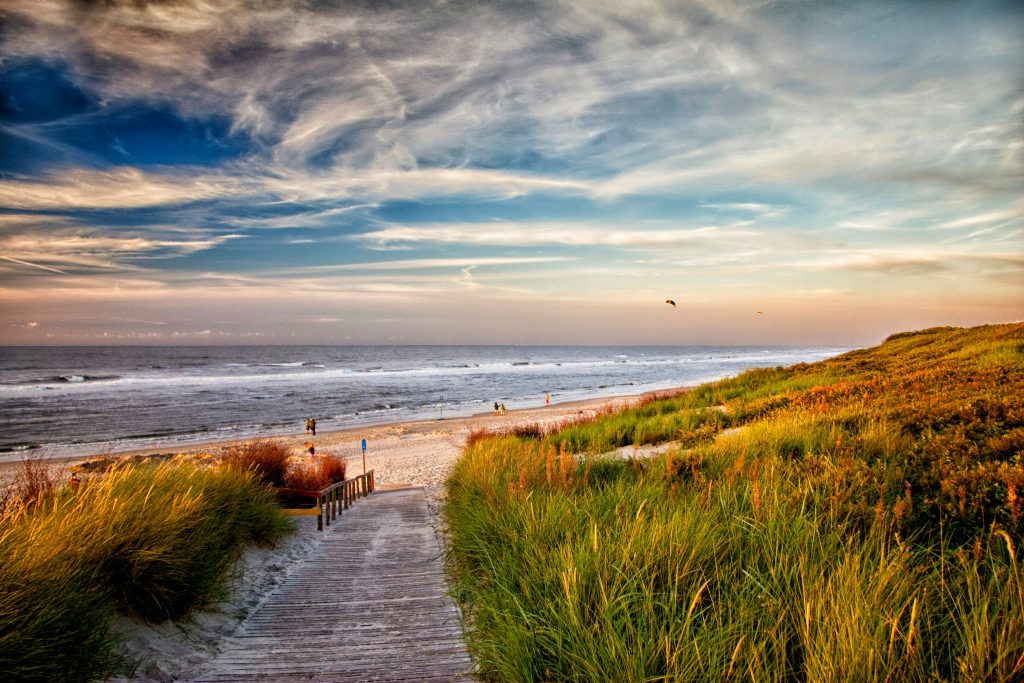
Langeoog offers one of the clearest car-free arrival systems. Ferries connect with an island train that carries passengers toward the village, reducing the distance families need to cover immediately after arrival.
The village is compact, bicycles handle most transport, and the beach is easy to make part of the daily routine. Playgrounds and family services add enough structure for younger children without turning the island into a large resort.
Luggage still needs a plan. Families should confirm whether their accommodation collects bags, whether luggage carts are available, and how far the property is from the station.
Langeoog works well for three to five nights. A week may feel long for families who need a different major attraction every day.
This island is best for travelers who view simple logistics, cycling, and beach time as advantages rather than limitations.
Spiekeroog: Best for Quiet Nature and Shorter Stays
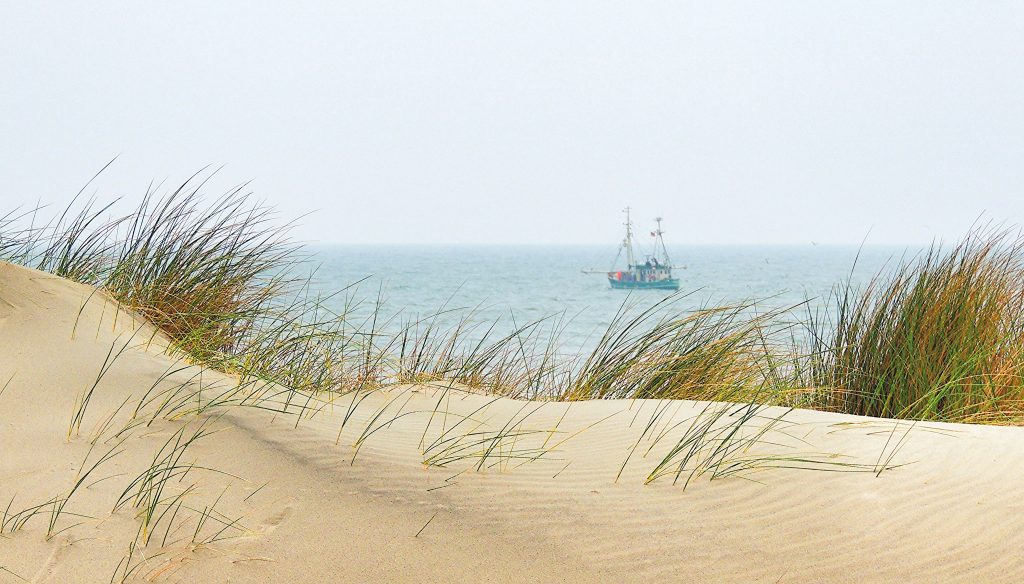
Spiekeroog is one of the quietest choices in this guide. Private cars are not permitted, and the island’s appeal centers on dunes, beach, walking, and a small village.
It works best for travelers comfortable with a low-key schedule. A typical day may include a long beach visit, a walk through the dunes, a meal in the village, and little else.
That simplicity is the point. It is also the island’s limitation.
Dining, shopping, and indoor attractions are more limited than on Norderney or Borkum. Two to four nights is a sensible range for a first visit, especially with children who need more variety.
Ferry, Train, and Car Logistics
The final stage of the journey can shape the entire trip. Ferry schedules, vehicle reservations, mainland parking, luggage transfers, and island transport deserve attention before accommodation is booked.
| Island | Mainland Departure Point | Main Access | Cars | Main Planning Issue |
|---|---|---|---|---|
| Sylt | Mainland rail network | Passenger train or vehicle train | Allowed | Peak travel demand |
| Föhr | Dagebüll | Ferry | Allowed | Vehicle reservations and parking |
| Amrum | Dagebüll | Ferry | Allowed | Transfers and limited value of a car |
| Norderney | Norddeich | Ferry | Restricted use | Mainland parking and island rules |
| Borkum | Emden or Eemshaven | Ferry or catamaran | Restricted use | Choosing the best departure port |
| Juist | Norddeich | Tide-dependent ferry or plane | Car-free | Schedule flexibility and luggage |
| Langeoog | Bensersiel | Ferry plus island train | Car-free | Luggage transfer after arrival |
| Spiekeroog | Neuharlingersiel | Ferry | Car-free | Limited island transport |
Direct Train Access to Sylt
Sylt is the easiest island for rail travelers because passenger trains reach Westerland directly. This removes a separate ferry transfer and makes the island practical for travelers with several bags or a stroller.
Direct does not always mean simple. Peak trains can be crowded, and connections from southern Germany still create a long travel day. Seat reservations and a realistic transfer margin help.
Ferry Access to Föhr and Amrum
Dagebüll is the main ferry point for Föhr and Amrum. Travelers can leave cars on the mainland or reserve vehicle space when taking a car to the islands.
Bringing a car makes more sense for accommodation outside Wyk on Föhr than for a compact Amrum trip. Families should compare ferry cost, parking cost, luggage, and local bike rental before deciding.
Ferry Access to the East Frisian Islands
The East Frisian islands use different mainland ports. Norderney and Juist generally connect from Norddeich. Langeoog connects from Bensersiel, while Spiekeroog connects from Neuharlingersiel. Borkum has routes from Emden and Eemshaven.
Some connections are more dependent on tides than others. Travelers should check the official timetable for their exact dates before booking rail tickets or a one-night mainland stop.
The useful comparison is door to door, not ferry time alone. A sailing that looks faster may require a longer drive, an overnight near the port, a parking shuttle, or a difficult rail connection. Families should compare the final mainland train or drive, parking procedure, ferry check-in, luggage transfer, and distance to accommodation as one journey.
Planning a Car-Free Island Stay
Car-free travel reduces traffic and daily driving decisions, but it increases the importance of accommodation location.
Before booking, check:
- Distance from the ferry, station, or island train
- Luggage transfer options
- Bicycle availability and child seats or trailers
- Grocery and restaurant access
- What happens during heavy rain or strong wind
Car-free does not automatically mean effort-free. It works best when arrival, bags, and the first meal are planned in advance.
Costs, Accommodation, and Booking Strategy
Sylt is generally the highest-cost island in this group. Juist and smaller car-free islands can also be expensive because accommodation supply is constrained.
Föhr, Amrum, Norderney, Langeoog, and Spiekeroog tend to sit in the middle to upper range. Borkum often provides a broader range of accommodation types, which can make it easier to find moderate options.
Exact nightly prices vary too much by season, location, unit size, and booking date to support a useful universal comparison. Relative cost and total trip structure matter more.
Vacation apartments often work better than standard hotel rooms for families. They provide breakfast flexibility, storage for wet clothing, more room after bedtime, and the option to prepare simple meals.
The listed nightly rate is not the full cost. Check for:
- Final cleaning fees
- Minimum-stay rules
- Tourist taxes
- Linen or towel charges
- Parking costs
- Ferry and vehicle charges
- Cancellation conditions
Summer school holidays require early booking, especially for larger apartments and properties close to the beach or main town.
Accommodation Location Tradeoffs
Staying near the main town or transport hub usually makes sense without a car, with younger children, or during unstable weather. Groceries, restaurants, and indoor options remain easier to reach.
Remote dune and village locations provide more quiet and space. The tradeoff is greater dependence on bicycles, buses, and longer walks.
A slightly more expensive central apartment can be better value than a cheaper property that creates two extra transfers every day.
How Many Days to Spend on Each Island
The ferry journey and final transfers make most North Sea islands poor one-night destinations. Two nights is the practical minimum, and even that only works when arrival and departure times leave enough usable time.
Sylt: 4 to 7 nights. The island has enough villages, beaches, restaurants, and nature for a full week.
Föhr: 4 to 7 nights. Families can combine beach time, cycling, Wyk, and quieter village days without rushing.
Amrum: 3 to 6 nights. A shorter stay works for a focused beach trip. Longer stays suit travelers who enjoy walking and cycling.
Norderney: 3 to 6 nights. The town and indoor options support a longer visit than smaller East Frisian islands.
Borkum: 4 to 7 nights. Its size, cycling network, and activity range justify a week.
Juist: 3 to 5 nights. This provides time to settle into the car-free rhythm without overcommitting.
Langeoog: 3 to 5 nights. It is long enough for relaxed beach days but short enough for families needing variety.
Spiekeroog: 2 to 4 nights. The quiet setting works best as a shorter reset unless the family strongly prefers slow travel.
One-night stays usually offer poor value after parking, ferries, luggage, and check-in are included.
Best Time to Visit the German North Sea Islands
Late June through August provides the warmest beach conditions and the broadest schedule of family activities. It also brings the highest accommodation demand, school-holiday crowds, and peak prices.
June and early September often provide a better balance. Days can still support cycling, beach time, and outdoor meals, but visitors should expect cooler water and changing weather.
May, late September, and October suit walking, birdlife, cycling, and quieter trips. Seasonal restaurant hours and ferry frequency may be reduced.
Winter works for travelers seeking wellness, wind, walking, and a very quiet stay. It is not the best season for a first family beach vacation.
North Sea weather changes quickly. Wind, rain, and tides affect the day more than they do at many lake or Mediterranean destinations.
Families should pack for layers and choose at least one indoor backup for each day. Islands with larger towns, especially Sylt, Norderney, and Borkum, make weather disruptions easier to manage.
| Best for swimming and full family programming: July and August. |
| Best balance of weather, crowds, and cost: June and early September. |
| Best for quiet walking and nature: May, late September, and October. |
| Least suitable for a first family beach trip: Winter. |