Sylt Travel Guide for Families: Where to Stay, What to Do, and What to Expect
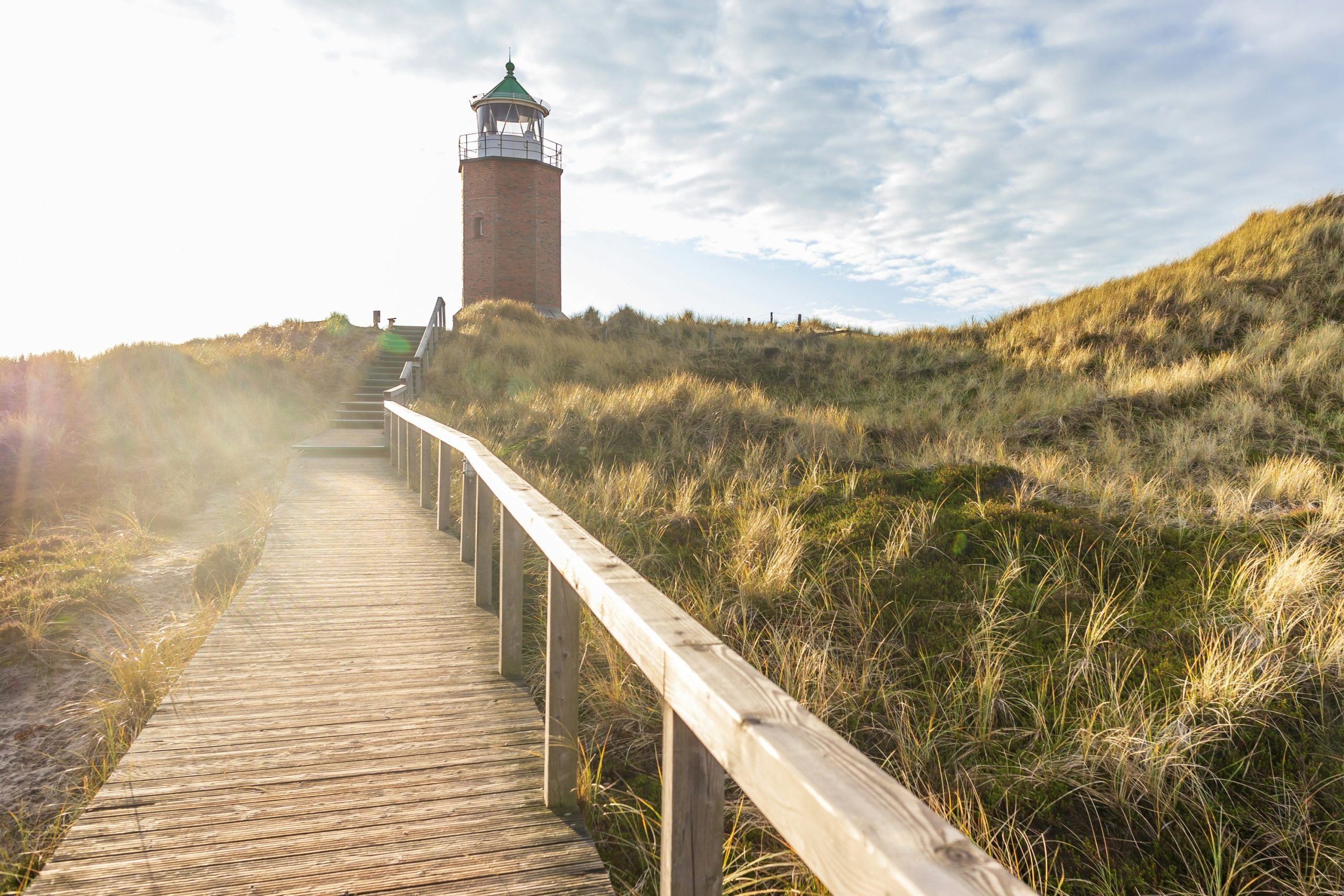
Sylt is one of Germany’s most visited islands, but it is not a destination that works equally well for every family. The island suits families who are comfortable with outdoor-focused, unstructured days: wide beaches, cycling routes, and tidal flat walks. School-age children who can handle variable weather and spend time outdoors without organized entertainment tend to do well here. Families who enjoy a slower rhythm and don’t need constant activity will find Sylt genuinely rewarding.
The fit is less clear for families expecting resort-style convenience, reliably warm weather, or a wide range of rainy-day options. Sylt is also one of the more expensive domestic destinations in Germany, which is worth factoring into the decision early.
This Sylt travel guide approaches the island practically. The goal is to help families understand what they’re committing to before booking, not after arriving.
When to Go: Timing a Family Trip to Sylt

Summer (July through August) is the peak window for beach use. Water temperatures are at their highest, beach facilities are fully operational, and the island has the most activity. The tradeoff is significant: accommodation prices peak, crowds are at their worst, and the Autozug from Niebüll books out weeks or months in advance.
Shoulder season (May through June, September) is worth serious consideration for families who don’t need peak-summer conditions. Prices drop, beaches are quieter, and the weather is often workable for outdoor activities, even if swimming is less appealing.
North Sea weather does not follow Mediterranean patterns. Even in summer, wind is constant, overcast days are common, and temperatures rarely exceed the low 20s Celsius. Families should pack layers regardless of the month they visit.
German school holidays (Sommerferien) shift by state, which directly affects crowd levels and booking availability on Sylt. Families traveling from outside Germany’s peak holiday states may find late July or early August more manageable than expected.
Easter and autumn half-term are underrated windows for families who prioritize lower costs and empty beaches over swimming conditions. The island has a different character in these periods, quieter and less polished, but functional for families who are prepared for it.
Getting to Sylt: Ferry, Train, or Car
Sylt has no road bridge. Families arriving from mainland Germany have two realistic options.
The Autozug (car-carrying train) from Niebüll is the main route for families traveling by car. Vehicles are loaded onto flat rail cars for a crossing that takes roughly 40 minutes. Booking in advance is essential during summer and school holiday periods. Slots at popular departure times fill early, and last-minute availability is unreliable.
The passenger train from Hamburg Hauptbahnhof to Westerland runs regularly and is practical for families not bringing a car. The journey takes around three hours and is straightforward with children. Sylt Airport handles a small number of domestic routes, but for most families arriving from major German cities, the train is more practical.
A ferry connection exists between List (on Sylt’s northern tip) and the Danish island of Rømø, but this is not a useful route for most mainland travelers.
Bringing a car gives flexibility for moving between villages and transporting beach gear, but it adds cost and planning pressure. Families staying in one village for the duration of their trip can manage without one.
Getting Around Sylt
Sylt’s cycling infrastructure is one of its genuine strengths for families. The island has an extensive network of paved bike paths connecting all the main villages, and bike rental is widely available, including cargo bikes and child trailers for younger children.
Buses run between the main towns and are family-friendly, though evening schedules thin out.
Driving is possible, but parking in Kampen and Wenningstedt is limited and becomes frustrating in summer. Westerland has more parking capacity but is also the most congested area.
The practical question for families is whether children are old enough to cycle 5 to 10 kilometers comfortably. If they are, a car is largely optional. For families with toddlers or significant amounts of gear, having a vehicle eases daily logistics and removes some of the friction around moving between parts of the island.
Where to Stay: Accommodation Options by Family Type
Sylt’s accommodation market skews toward self-catering, which works in families’ favor.
Holiday Apartments and Ferienwohnungen
Holiday apartments are the most common and cost-effective option for families on Sylt. A kitchen reduces daily meal costs considerably, and the extra space matters when traveling with children for more than a few nights. Westerland and Wenningstedt have the highest concentrations of family-suitable apartments. In peak season, budgeting €150 to €250 per night for a family apartment is realistic.
Hotels with Family Infrastructure
TUI Blue Sylt in Wenningstedt is a good example of a hotel designed specifically for families. It offers family rooms, an indoor pool, and structured children’s activities, which reduces the organizational load on parents. This setup works well if you prefer having everything in one place rather than planning each day yourself. It comes at a higher price point, and families who enjoy building their own itinerary may not need the added structure.
If you want a better sense of what this looks like in practice, the video below gives a helpful walkthrough of the hotel and its family-focused setup.
Campsites
Sylt has campsites, including Camping Munkmarsch, that work for families comfortable with variable North Sea weather. This is the most affordable accommodation category on the island and suits families traveling light who accept that conditions can change quickly. It is not a good fit for families with very young children or those who need reliable shelter infrastructure.
Across all accommodation types, Sylt is expensive relative to other German island destinations. This is not a budget-friendly destination, and families should plan with that expectation rather than against it.
Beach Life on Sylt: What to Actually Expect
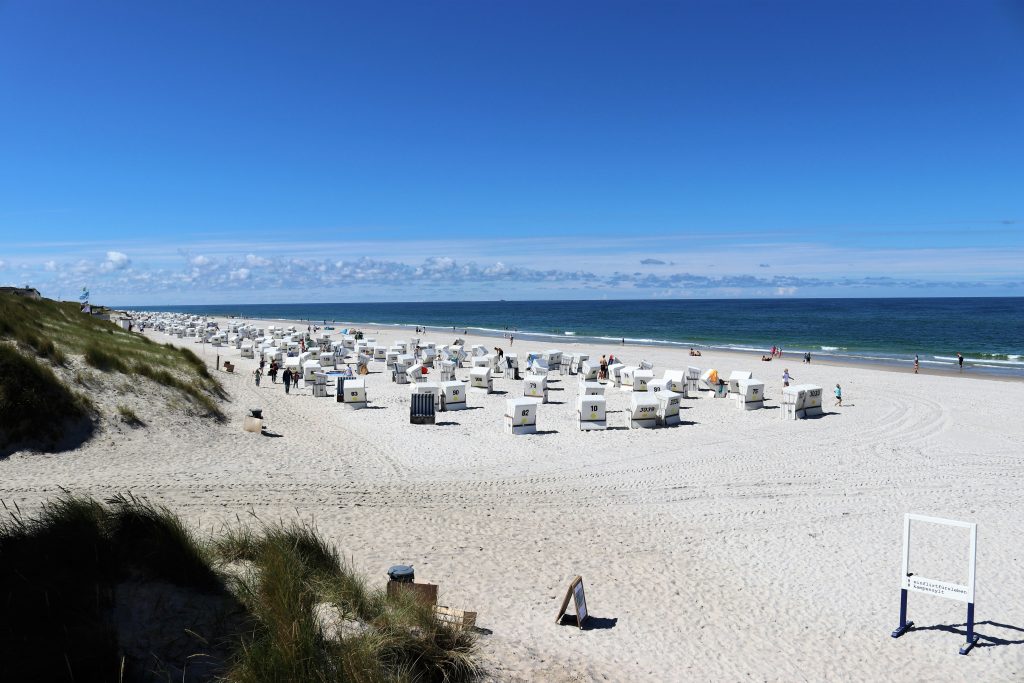
Sylt’s beaches are wide and have white sand, but the experience is shaped by wind in a way that surprises some visitors.
Strandkörbe, the hooded wicker beach chairs that are rented across the island, exist for a practical reason: the exposure is real. Families who rent one have a windbreak and a defined base for the day. Those who don’t may find beach time more uncomfortable than expected, even in summer.
Beach access fees (Kurtaxe) apply in most areas and are charged per person per day. Children under 6 are generally exempt. Many accommodations include the Kurtaxe in the nightly rate, but families should confirm this at the time of booking.
Different beaches suit different preferences. Westerland’s main beach is the most animated, with food stalls, beach volleyball, and proximity to the town center. It is also the most crowded. Kampen and Rantum are quieter and more exposed, better for families who want space rather than activity.
Water temperatures in summer hover around 16 to 18 degrees Celsius. Children comfortable in cool water will swim. Others will wade. Setting realistic expectations before arrival avoids disappointment on the day.
Activities Beyond the Beach
Sylt’s activity range is narrower than most mainland destinations, but a few options are well worth planning for.
Wattenmeer (Wadden Sea) tours are the standout non-beach activity for families with school-age children. Guided walks across the tidal flats at low tide are educational, tactile, and genuinely unlike most other family activities available in Germany. Operators in List and Munkmarsch offer guided sessions. These tours require appropriate footwear and should be booked in advance during peak season.
Cycling routes across the island are accessible and adaptable. The path from Westerland toward Kampen or south toward Hörnum covers manageable distances with varied scenery. Families can shorten or extend routes based on children’s stamina.
List and the northern tip are worth a half-day visit. The harbor area is small but functional, and seals are visible offshore at certain times of year. Older children tend to engage more with the landscape here than younger ones.
Rainy-day options are thin. The Naturgewalten visitor center in List covers North Sea ecology and is suitable for children roughly 6 and older. Beyond that, Sylt does not have the indoor infrastructure of a city or resort destination. Families should plan for this gap rather than expect it to be filled.
Food and Eating with Kids on Sylt
Sylt is not a food destination in the conventional sense, though quality is generally high.
Fish and seafood dominate menus across the island. Families with selective eaters will find more child-friendly options in Westerland and Wenningstedt, where a broader range of restaurants operates. In smaller villages, the menu options narrow considerably.
Self-catering from Westerland’s supermarkets (Edeka, REWE) is practical and widely used by families staying in apartments. It is the most effective way to keep daily costs under control.
Dining out is noticeably expensive by German standards. A mix of self-catering and occasional restaurant meals is the approach most families find manageable.
Practical Details Worth Knowing Before You Go
Kurtaxe: Most municipalities on Sylt charge a visitor’s tax. Children under 6 are typically exempt, and older children often receive a reduced rate. Confirm the specifics with accommodation when booking, as policies vary between villages.
Mobile coverage is generally reliable across the main inhabited areas. Signal becomes patchier in the dunes and at the northern tip around List.
Packing for Sylt: Wind-resistant layers, waterproof jackets, and closed shoes for tidal flat walks are not optional. North Sea conditions make light packing a mistake, regardless of the month.
Trip length: Sylt operates at a slow pace by design. Families accustomed to activity-dense itineraries may find the island under-stimulating after three or four days. A five-to-seven-day stay suits families who settle into beach rhythms. Shorter trips of three to four days work better for families combining Sylt with Hamburg or other Schleswig-Holstein destinations.
Planning the Trip: Putting It Together
A practical approach for most families is to anchor around one or two villages rather than trying to move accommodations mid-trip. From a single base, cycling, beach days, and a Wattenmeer tour cover the core of what Sylt offers.
Book the Autozug and peak-period accommodation significantly earlier than feels necessary. Both fill ahead of German school holidays, and the window for good options narrows quickly. This is not overcaution specific to Sylt; it is the standard reality of planning a trip to the island in summer.
Sylt rewards families who come prepared for the weather, accept a slower rhythm, and don’t need structured entertainment to feel like a trip is succeeding. It is not a budget destination, and it is not an activity-dense one.
For the family that fits those conditions, Sylt offers something that is hard to find elsewhere in Germany: a large, well-maintained island with genuine natural character, reliable cycling infrastructure, and a quality of environment that holds up over a longer stay.