Is Stuttgart worth Visiting?
Stuttgart is worth visiting for travelers interested in automotive history, Swabian food, and southwest Germany, but it is not one of the country’s strongest all-purpose city breaks. For visitors expecting a postcard-pretty old town or a compact historic center, it will likely fall short.
This guide explains what Stuttgart does well, where it underdelivers, who should prioritize it, and how to decide whether it belongs on a Germany itinerary.
Stuttgart at a Glance
| Factor | Rating | Notes |
|---|---|---|
| Historic architecture | ★★☆☆☆ | Limited; WWII damage, postwar rebuild |
| Museums | ★★★★★ | Two world-class automotive museums |
| Food and drink | ★★★★☆ | Strong Swabian identity, good wine |
| Green space | ★★★★☆ | Unusual for a city its size |
| Walkability | ★★★☆☆ | Spread out; transit required |
| Value for money | ★★★☆☆ | Pricier than many German cities |
| Ease of visit | ★★★★☆ | Great rail access, clear logistics |
Quick Answer
For most travelers, Stuttgart is worth visiting only if one of its specific strengths matches the trip: the Mercedes-Benz and Porsche museums, Swabian food, or its position within a broader southwest Germany route. If the priority is historic charm, compact walkability, or a classic first-time Germany experience, other cities usually make more sense.
What Stuttgart Does Well
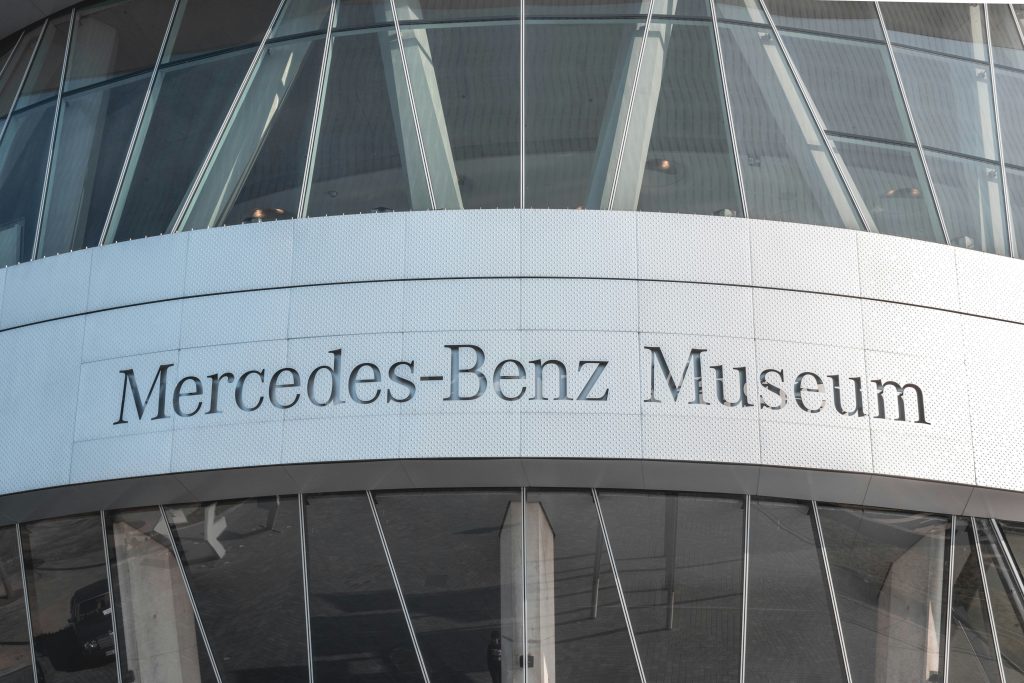
Stuttgart’s strongest asset is also its most specific: the Mercedes-Benz Museum and the Porsche Museum are two of the best automotive museums in the world. Both go well beyond brand promotion.
The Mercedes-Benz Museum traces the full history of the automobile from the earliest prototypes to modern racing. It’s genuinely comprehensive, well-designed, and worth several hours. The Porsche Museum is smaller but tightly focused on design, engineering, and racing history. Visitors with no strong prior interest in cars often find it more accessible than expected.
Stuttgart also has an unusual geography. The city sits in a valley ringed by forested hills and vineyards. This gives it a greener, more layered feel than most German cities of comparable size. The hillside Weinsteige vineyards are active and visible, which is rare for a major urban center.
The food identity is another underrated strength. Swabian cuisine is distinct within Germany. Maultaschen (a filled pasta), Spätzle (egg noodles), and Zwiebelrostbraten (roasted beef with onions) are all regional to this area. Stuttgart is also one of the few major German cities with active wine production inside its own city limits.
The Markthalle Stuttgart, a covered market hall built in Art Nouveau style, is one of the better food markets in southern Germany. It tends to draw food-focused travelers who find it less crowded and more local in character than comparable markets elsewhere.
Where Stuttgart Falls Short
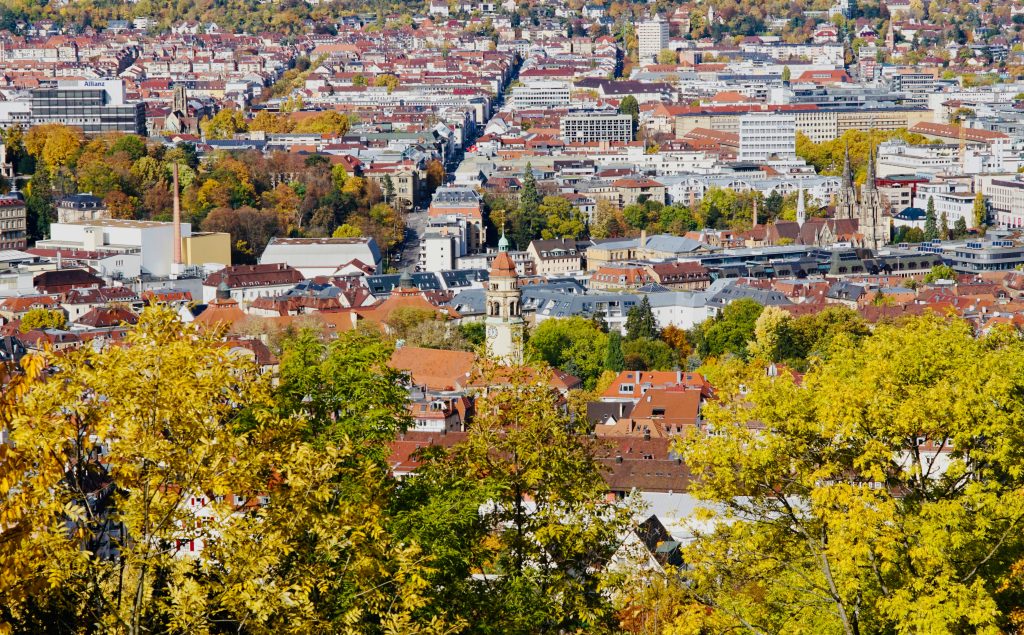
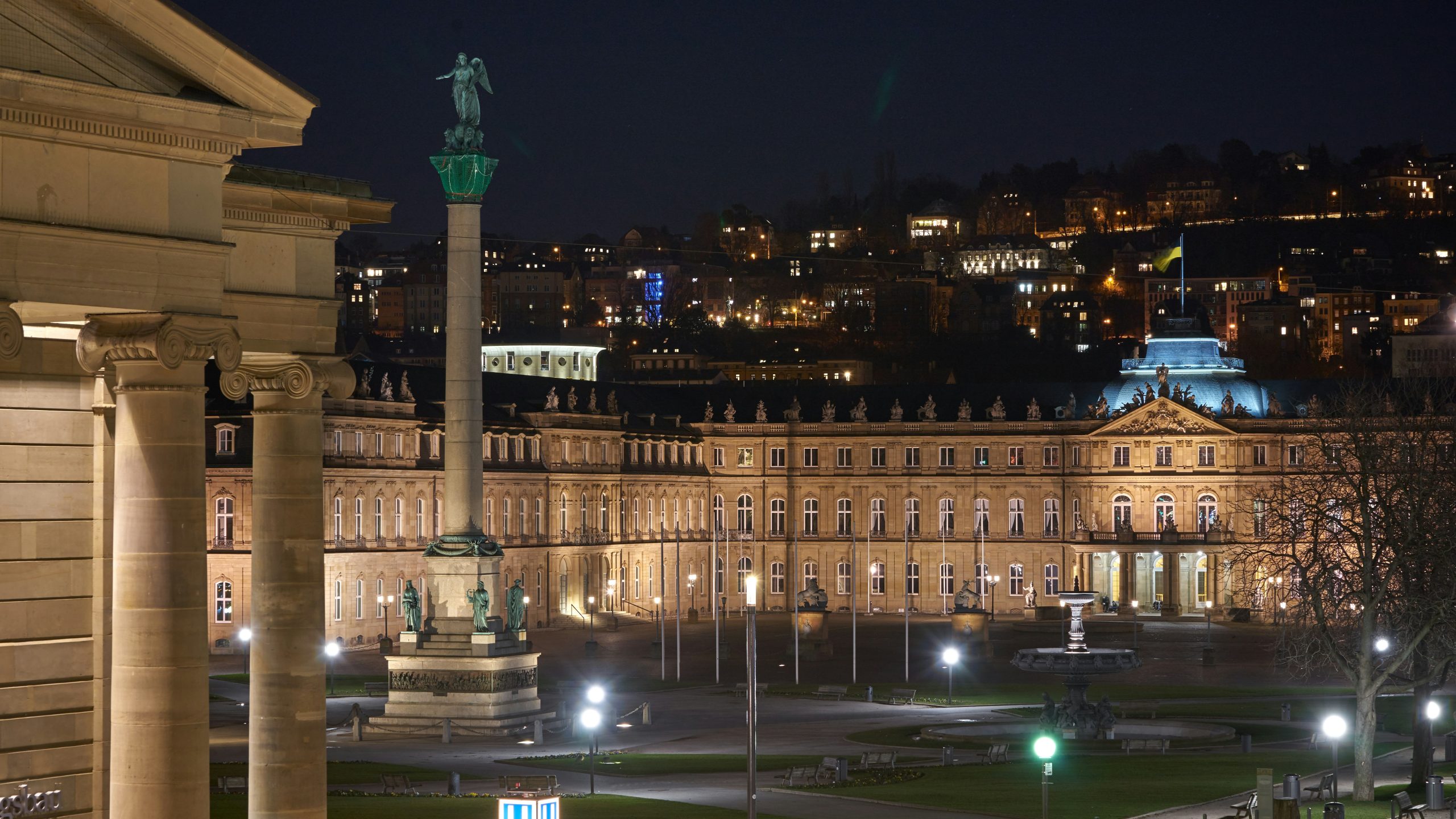
Stuttgart’s historic center was heavily bombed during World War II. What was rebuilt is functional and reasonably pleasant, but it lacks the visual drama of cities that survived the war intact. The Schlossplatz, the central square, is open and well-maintained. It is not, however, exceptional.
The city’s layout is a more practical problem. Stuttgart is spread out. Key highlights sit in different directions from the center, and the two main museums are on opposite sides of the city. Getting between them takes planning and transit time.
The atmosphere can also feel flat to visitors arriving with expectations shaped by southern German tourist towns. Stuttgart is, at its core, a prosperous industrial city. It has a slightly corporate, reserved character. This is not a flaw, but it is a mismatch for travelers expecting Bavarian warmth or the relaxed energy of smaller historic towns.
Nightlife and café culture exist, but they are not strong enough to make Stuttgart stand out for travelers choosing a city primarily for energy after dark.
The Automotive Museums: Stuttgart’s Strongest Case
The Mercedes-Benz Museum and Porsche Museum deserve their own section because they are the clearest reason to add Stuttgart to an itinerary. They are also the clearest reason to skip it for travelers with no interest in cars or design history.
Mercedes-Benz Museum: Located in Bad Cannstatt, the museum covers automotive history from the invention of the car forward. The building itself is architecturally notable. Visitors typically need two to three hours to move through it properly.
Porsche Museum: Located in Zuffenhausen, the museum is smaller and more focused. The presentation is design-centered, with an emphasis on racing heritage and engineering decisions. Most visitors spend one to two hours here.
The two museums are on opposite sides of the city. Neither is walkable from the center. Realistically, visiting both requires either two separate half-days or a full day split between them with transit time factored in.
For car enthusiasts and design history buffs, both are essential. For travelers with no particular interest in either, both are largely skippable. Stuttgart’s case as a destination weakens considerably without them.
Stuttgart vs. The Alternatives
Travelers planning a Germany trip frequently weigh Stuttgart against other options in the southwest. The comparisons are worth addressing directly.
Stuttgart vs. Munich: Munich is the more complete tourist destination. It has a better-preserved old town, stronger beer culture, and more concentrated walkable highlights. Stuttgart offers something Munich does not: a quieter, less tourist-saturated experience and the automotive museums. Munich is the stronger default choice for first-time visitors. Stuttgart appeals more to repeat travelers with a specific interest.
Stuttgart vs. Heidelberg: Heidelberg is far more visually dramatic and historically intact. For travelers seeking a classic romantic-Germany experience, Heidelberg outperforms Stuttgart on nearly every visual metric. It can also be visited as a day trip from Stuttgart itself, which makes the tradeoff relatively simple to resolve.
Stuttgart vs. the Black Forest: If the goal is natural scenery, village atmospheres, or hiking, the Black Forest outperforms Stuttgart easily. Stuttgart works better in this context as a transit base or urban stop before heading into the region rather than as a competing destination. Travelers planning both should see our Black Forest itinerary for the more scenic side of a southwest Germany route.
Stuttgart is most often best positioned as a one- to two-day stop within a broader southwest Germany route. It functions well as a connector between Munich, the Black Forest, and the Rhine Valley. It is harder to justify as a standalone destination unless the automotive museums or Swabian food culture are specific priorities.
Who Should Visit Stuttgart
Stuttgart works well for a specific set of travelers.
- Car and design enthusiasts: Stuttgart is a near-mandatory stop. No other city puts two flagship automotive museums within the same metro area.
- Travelers moving through Baden-Württemberg: Stuttgart is a logical transit hub with enough to fill two days en route between Munich, the Black Forest, and the Rhine Valley.
- Food travelers interested in regional German cuisine: Swabian food culture is distinctive and underrepresented in most Germany travel coverage. Stuttgart is a practical place to encounter it without significant tourist crowds.
- Travelers on a longer Germany trip: Those with ten or more days in Germany are more likely to find Stuttgart rewarding, since the pressure to maximize every stop is reduced.
Who Can Reasonably Skip Stuttgart
Stuttgart is not the right fit for every itinerary.
- Travelers on a short Germany trip focused on historic architecture or classic scenery will find better returns in Rothenburg ob der Tauber, Heidelberg, or Bavaria.
- First-time visitors to Germany who want a high-density, walkable tourist experience will likely prefer Munich or Berlin as their southern Germany anchor.
- Budget travelers should factor in that Stuttgart is among the pricier German cities for accommodation. The business travel base keeps hotel costs elevated, and the cost-to-experience ratio is not always favorable compared to smaller cities nearby.
Practical Logistics: Getting There, Getting Around, and Timing
Getting there: Stuttgart has a well-connected international airport (STR) with direct flights from many European hubs. By rail, the city sits on direct ICE routes between Munich and Frankfurt, making it easy to add as a stop without significant backtracking.
Getting around: The VVS public transit network covers the city reliably. However, Stuttgart’s hilly, spread-out layout means several destinations require specific U-Bahn or S-Bahn lines rather than walking. The Porsche Museum in Zuffenhausen is served by the U6 line. The Mercedes-Benz Museum is reachable via the S1 line. Neither is accessible on foot from the city center.
Timing: The Cannstatter Volksfest runs in late September and early October. It draws large crowds and has a character similar to Oktoberfest, though on a smaller scale and without the same international profile. Stuttgart’s Christmas markets are well-regarded and less crowded than Munich’s. Summer is pleasant, but the city does not transform seasonally the way coastal or mountain destinations do.
Duration: Two days is the practical target for covering the key museums, eating well in the center, and seeing the main areas. One full day is possible if the focus is narrowed to a single museum. More than three days is hard to justify without a specific interest anchoring the extended stay.
For travelers continuing south or west, Stuttgart often makes the most sense as a short city stop paired with a longer Black Forest itinerary rather than as a standalone destination.
The Verdict: Is Stuttgart Worth Visiting?
Stuttgart is not Germany’s most immediately appealing city. The question of whether Stuttgart is worth visiting comes down to what the itinerary is trying to accomplish.
Visit Stuttgart if automotive culture, Swabian cuisine, or a southwest Germany route is part of the plan. The Mercedes-Benz Museum and Porsche Museum are genuine world-class institutions. The food scene is distinctive. The valley setting and surrounding vineyards add character that most cities this size lack.
Consider skipping Stuttgart if the priority is historic architecture, compact walkability, or the visual character associated with classic German towns. Those needs are better served elsewhere in the region.
Stuttgart rewards visitors who arrive for the right reasons. It is a working city with a few unusually strong assets, not a default pick for every Germany itinerary. Travelers who approach it as a specialized stop rather than a classic city-break destination are much more likely to find it worthwhile.