How To Spend 2–3 Days In Leipzig: Music, History, and Creative Energy
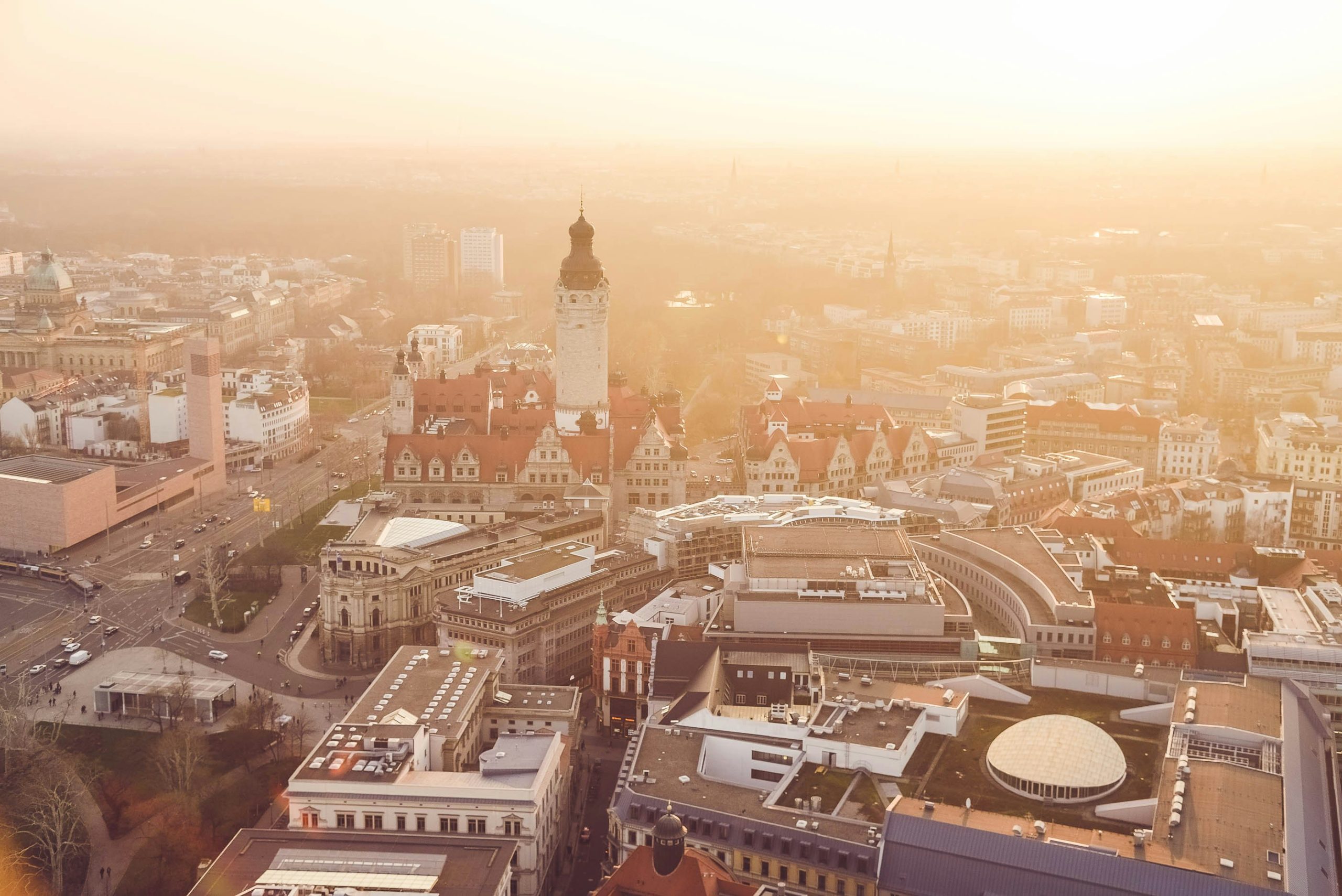
Leipzig is one of Germany’s most dynamic cities, known for its music heritage, thriving art scene, and historic trade fair culture. Travelers spending two to three days in Leipzig can comfortably explore the historic Old Town, visit major music landmarks connected to Johann Sebastian Bach, and discover the city’s creative neighborhoods.
The city combines a compact historic core with serious music heritage, a working contemporary art district, generous green space, and a café culture rooted in its centuries-long connection to the German book trade. For travelers who want substance without the crowds of Berlin or Munich, Leipzig delivers on both counts.
This guide covers the main things to do in Leipzig across two or three days, with a focus on what to prioritize, what to skip, and how to structure the time.
Leipzig Attractions: Quick Reference
| Attraction | Area / Neighbourhood | Why It’s Worth Your Time |
|---|---|---|
| Marktplatz and Altes Rathaus | Old Town | One of Germany’s best Renaissance civic buildings |
| Thomaskirche | Old Town | Bach’s working church; his remains are interred here |
| Bach Museum | Old Town | Well-curated; accessible without prior knowledge of Bach |
| Mädler Passage | Old Town | Historic arcade; literary connection to Goethe’s Faust |
| Baumwollspinnerei | Plagwitz / West Leipzig | Working art district; Leipzig School of painting |
| Monument to the Battle of the Nations | Southeast Leipzig | One of Europe’s largest monuments; strong historical context |
| Clara-Zetkin-Park | Southern edge of centre | Leipzig’s main park; active and local in feel |
| Karl-Heine Canal Network | West Leipzig | Post-industrial neighbourhood with waterway access |
Leipzig’s Old Town: Marktplatz, Passages, and Thomaskirche
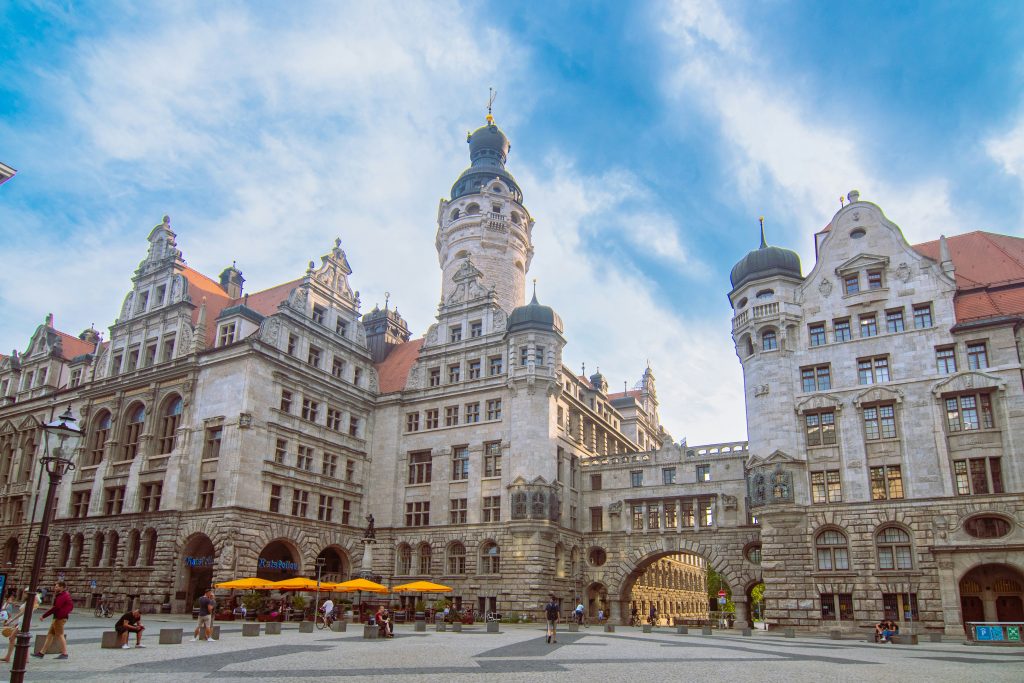
Marktplatz is the logical starting point for any visit to Leipzig. The square is anchored by the Altes Rathaus, one of Germany’s best-preserved Renaissance civic buildings. Travelers often walk past it without pausing. That would be a mistake.
The Old Town’s indoor arcade culture is one of Leipzig’s more distinctive features. The Mädler Passage is the most historically significant of these covered walkways. It houses Auerbachs Keller, the restaurant referenced in Goethe’s Faust, and the passage itself dates to the early 20th century. Specks Hof is another worth entering. Both work well as shelter on poor-weather days and as shortcuts through the centre.
Thomaskirche sits a short walk west of Marktplatz. J.S. Bach worked here for 27 years, and his remains are interred beneath the floor near the altar. The church functions as an active parish church, not a museum. Entry is free, the interior is understated, and the atmosphere is unlikely to feel commercial.
The Old Town is compact and walkable. Travelers should expect to cover Marktplatz, the main passages, and Thomaskirche in a half-day without feeling rushed. This section works well as a morning block on Day 1.
Bach, Mendelssohn, and Leipzig’s Music Heritage
Leipzig has a stronger and more specific claim to classical music history than almost any other German city. This is not a marketing position. It is a factual one.
Bach spent the last 27 years of his life here. Felix Mendelssohn later championed Bach’s music at the Gewandhaus and founded what became the first music conservatory in Germany. Robert Schumann and Clara Schumann were both closely associated with Leipzig. The concentration of 19th-century musical significance in one city is unusual by any measure.
The Bach Museum, directly opposite Thomaskirche, is well worth the entry fee. The exhibitions are interactive and accessible to visitors with no prior knowledge of Bach’s life or work. Visitors should expect to spend 60 to 90 minutes here.
The Thomanerchor (St Thomas Boys Choir) is one of the oldest boys’ choirs in the world. The choir performs motets at Thomaskirche on Fridays and Saturdays. This is one of the few genuinely unmissable free cultural experiences Leipzig offers, and it is worth timing a visit around if possible.
The Gewandhaus Orchestra is one of Europe’s oldest civic orchestras. Checking the Gewandhaus concert schedule ahead of arrival is worthwhile even for travelers with only passing interest in classical music. Tickets are not expensive by the standards of comparable European orchestras.
This section of Leipzig is most relevant to travelers with some interest in music or cultural history. Visitors with no interest in either can treat the Bach Museum as a single 90-minute stop rather than a half-day commitment.
The Baumwollspinnerei: Leipzig’s Art District
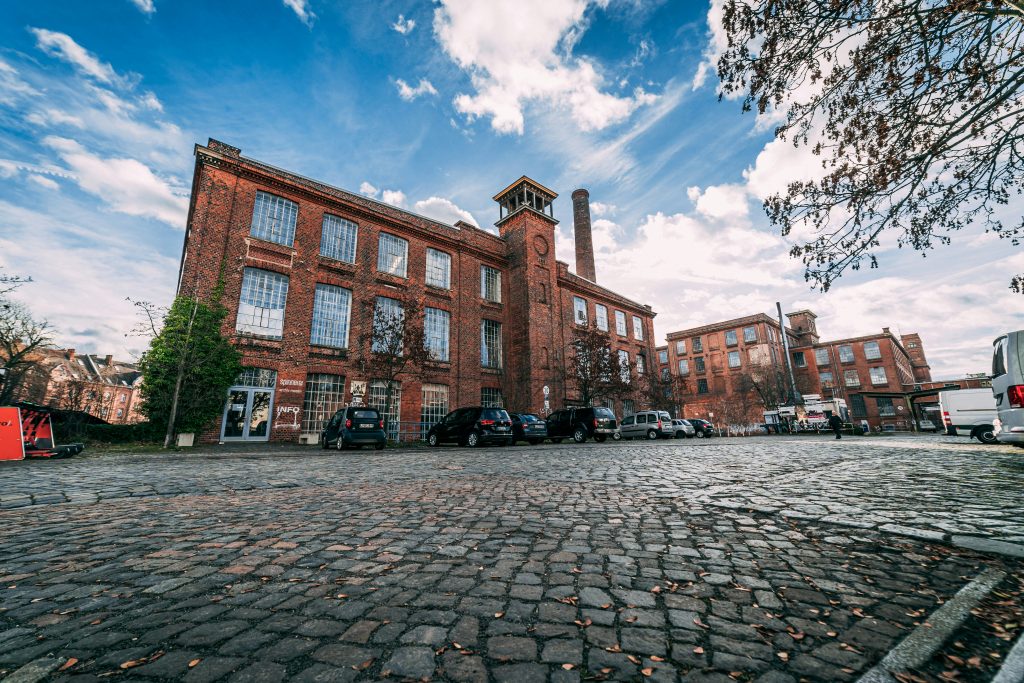
The Baumwollspinnerei is a former cotton mill complex in the west of Leipzig, now home to more than 100 artists’ studios, galleries, and creative spaces. It should be understood as a working art district rather than a curated tourist attraction. The distinction matters.
Neo Rauch and several of the painters associated with the Leipzig School worked here. For travelers interested in contemporary German art, the Baumwollspinnerei is probably the most compelling single destination in the city outside the Old Town.
Not all spaces are accessible on a standard visit. The First Saturday of each month is an open studio day when access is considerably wider. Checking the schedule before arrival is recommended.
There is a café and food on site, which makes the Baumwollspinnerei a reasonable half-day destination rather than a brief stop. Traveling to the site and spending only 30 minutes would not make good use of the journey.
This destination suits visitors interested in contemporary art or post-industrial architecture. It is less relevant for travelers focused purely on historic sights or with limited time.
Plagwitz and the Canal Network
Plagwitz sits immediately adjacent to the Baumwollspinnerei and is worth treating as part of the same visit rather than a separate trip.
The Karl-Heine-Kanal runs through the district and connects to a wider urban waterway network. Boat tours and kayak rentals are available during warmer months, making the canal area more active in spring and summer than in winter.
The neighbourhood character is defined by converted industrial buildings, independent restaurants, and a quieter residential pace. It is distinct from the Old Town without being self-consciously fashionable.
Plagwitz works best as an afternoon destination following a morning at the Baumwollspinnerei. The canal area is noticeably quieter than central Leipzig, which is either a strength or a limitation depending on what a traveler is looking for.
The Monument to the Battle of the Nations
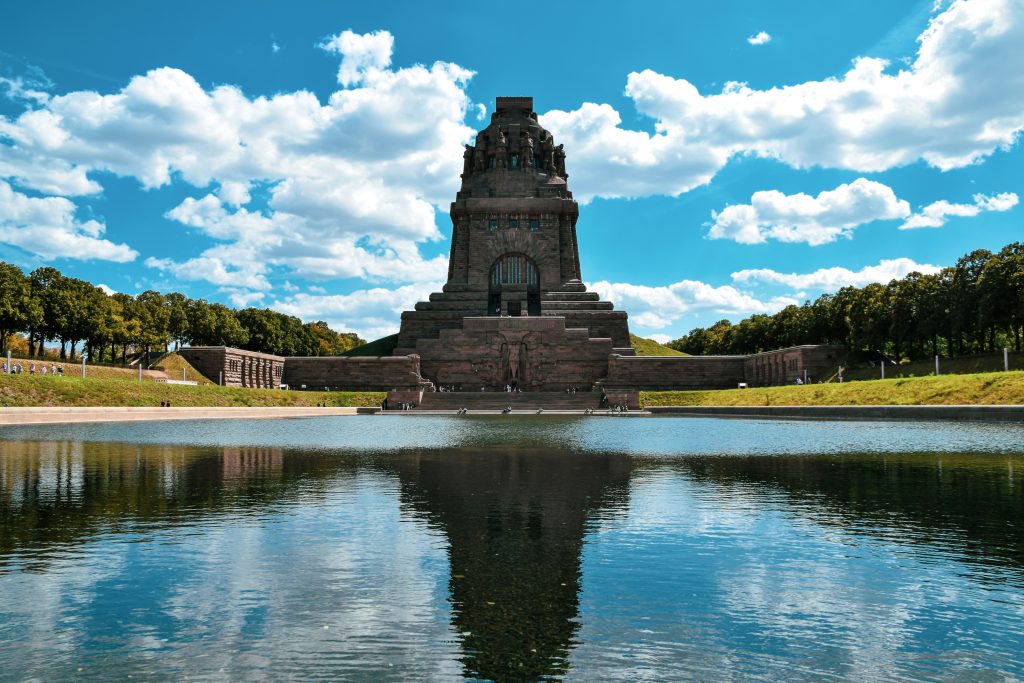
The Monument to the Battle of the Nations (Völkerschlachtdenkmal) is one of the largest monuments in Europe. At 91 metres, it is difficult to miss on the southern skyline.
The monument was completed in 1913 to mark the centenary of the 1813 Battle of Leipzig. The historical context is significant. The Battle of the Nations involved more than 600,000 soldiers and was the largest battle in European history before World War I. Napoleon’s defeat here effectively ended French military dominance in continental Europe.
Climbing to the viewing platform inside the monument is recommended for visitors who are physically able. The views over Leipzig and the flat surrounding plain are useful for understanding the city’s layout and scale.
The monument’s aesthetic is heavy, monolithic, and Soviet-adjacent in feeling, despite predating the Soviet era by decades. This is part of what makes it architecturally notable and worth seeing in person rather than in photographs.
Practically: the site is located roughly 4km south of the city centre. It is accessible by tram on lines 15 and 2, or by taxi. Walking from the Old Town is not practical. An admission fee applies. Allow 60 to 90 minutes including the exterior and the surrounding memorial park.
Parks, Green Space, and Clara-Zetkin-Park
Leipzig has a notably high ratio of green space for a German city of its size. Travelers who find Berlin or Frankfurt oppressively urban will find Leipzig a different proposition.
Clara-Zetkin-Park is the largest and most central park in Leipzig. It borders the city’s southern edge, includes the Elster river system, and connects informally to the broader Auwald floodplain forest to the west.
The park works best as a transition between sightseeing blocks or as an early morning walk rather than as a standalone destination. It is not a formal botanical garden or heritage site.
In summer, the park fills with local residents. Food stalls appear near the lake. The atmosphere is closer to a public commons than a tourist space. For travelers who want a genuine sense of how Leipzig residents use the city, this is one of the more accessible opportunities.
Leipzig’s Café and Book Culture
Leipzig has a centuries-long association with the German book trade. The Deutsche Nationalbibliothek (German National Library) has its second location here, alongside the one in Frankfurt. The city once rivalled Frankfurt as Germany’s publishing capital.
That history has a practical contemporary expression. Leipzig has a high density of independent bookshops and literary cafés relative to its population size. This is not incidental atmosphere. It is a structural feature of the city that affects where people spend time and what neighborhoods feel like.
The Leipzig Book Fair (Leipziger Buchmesse) takes place each March. It is the largest public-facing book fair in the German-speaking world. Travelers visiting in spring should consider planning around it.
For day-to-day visits, the café culture in Südvorstadt and Gohlis is where locals actually spend time. These areas offer a more grounded alternative to the tourist-facing options around Marktplatz.
A single afternoon in Südvorstadt can be more rewarding for many travelers than a second loop of the Old Town. This aspect of Leipzig tends to suit slower-paced trips more than packed itineraries.
Planning Your 2–3 Days in Leipzig: A Practical Structure
Leipzig is compact enough that the core sights are manageable in two full days. A third day suits travelers who want depth, slower movement, or access to the surrounding region.
- Day 1: Marktplatz and the Altes Rathaus, Mädler Passage, Thomaskirche, Bach Museum, evening in Südvorstadt
- Day 2: Monument to the Battle of the Nations (morning, before crowds), Baumwollspinnerei and Plagwitz in the afternoon
- Day 3 (optional): Clara-Zetkin-Park, Gohlis neighbourhood, or a half-day trip toward Halle or the Saale-Unstrut wine region
Two days covers the main sites without feeling exhausted. The third day is for those who want depth over coverage, or who want to move at a pace that allows the city to settle.
Leipzig has an integrated tram network that covers most visitor sites effectively. A 24-hour or 48-hour travel card is the practical option for most visits.
What Leipzig Rewards Most
Leipzig suits travelers who are prepared to look slightly beyond the headline sights. The Thomaskirche and the Battle of the Nations monument are well known. The Baumwollspinnerei, the motet performances, and the Südvorstadt café culture are less obvious and often more memorable.
The city’s character, a combination of Baroque civic architecture, post-industrial creative repurposing, and a dense local cultural scene, takes more than a single day to read. Two days is the point at which Leipzig begins to make full sense.
Travelers who approach Leipzig the way they would a smaller version of Berlin will likely leave underwhelmed. Travelers who approach it on its own terms will find a city with more substance per square kilometre than most of Germany.