
eSIM Germany Guide: Best Options for Travelers + Setup Tips
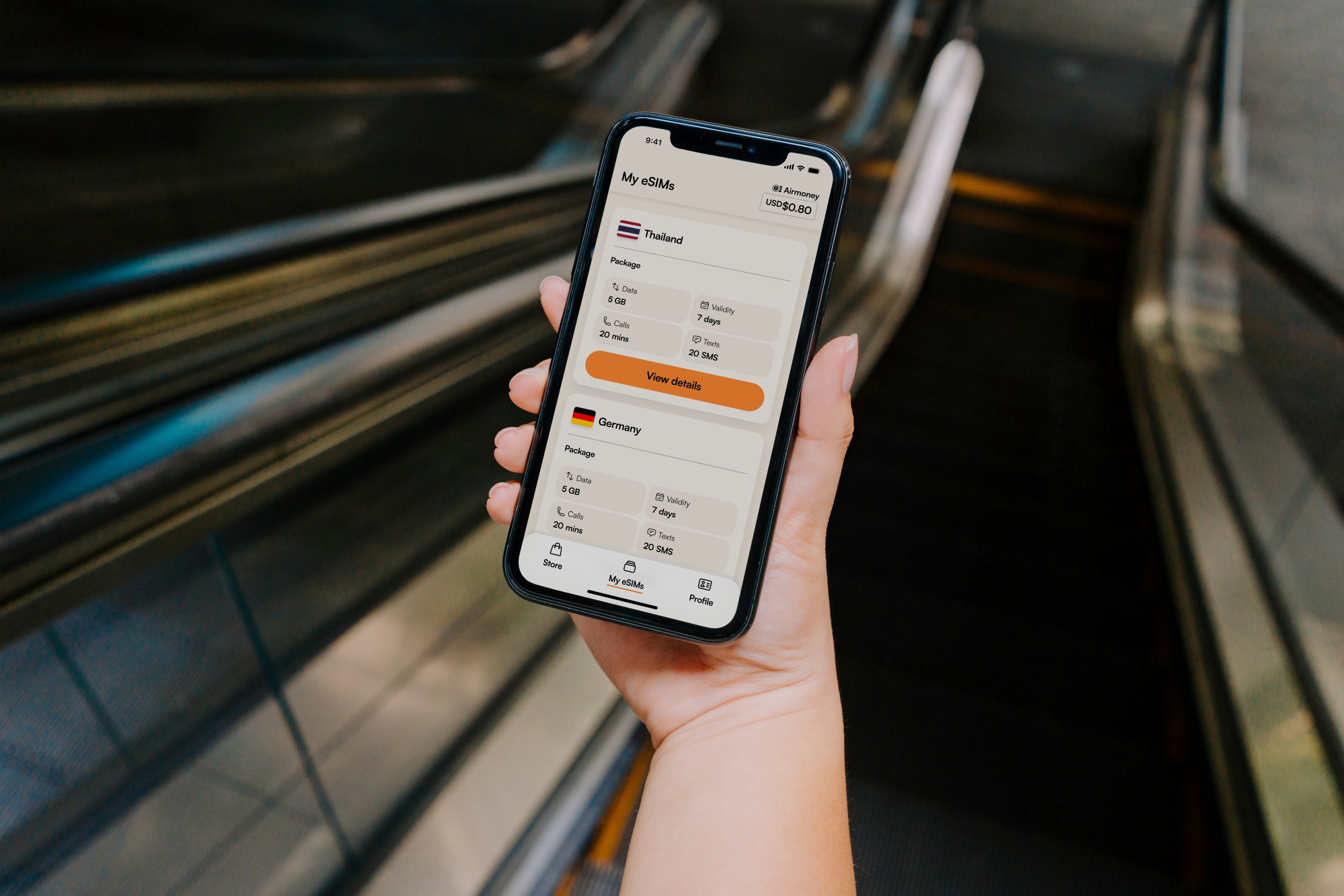
For most travelers, using an eSIM in Germany is the easiest way to get mobile data quickly and avoid the hassle of buying a physical SIM card after arrival. It can be purchased before departure, installed in minutes on a compatible phone, and activated as soon as the plane lands.
The three main ways to stay connected in Germany are international roaming, a local SIM card, and an eSIM. For most short and medium-length trips, an eSIM offers the best mix of convenience, reasonable cost, and flexibility. It is especially useful for travelers who want immediate access to maps, transportation apps, and messaging the moment they arrive.
| Option | Setup | Typical Cost | Best For |
|---|---|---|---|
| eSIM | Online, before travel | $5–$30+ | Most travelers |
| Local SIM card | In store, after arrival | Varies | Longer stays |
| Roaming | Automatic through home carrier | Often highest | Very short trips, minimal use |
What Is an eSIM and Does It Work in Germany for Travelers?
An eSIM is a digital SIM card built into a phone. There is no physical card to insert. Instead, travelers purchase a plan online, scan a QR code, and the plan is installed directly onto the device.
eSIMs work across Germany, including in cities, smaller towns, and most major transit corridors. They operate through Germany’s main mobile networks: Deutsche Telekom, Vodafone, and O2.
Most eSIM providers route through one of these three networks. Travelers do not choose the network directly. The device connects automatically based on signal strength and availability.
Device compatibility: Most iPhones from the XS (2018) onward support eSIM. Android support varies by model and region, but most flagship devices released since 2020 include eSIM capability. Travelers should confirm compatibility before purchasing a plan.
One important note: some phones purchased through certain carriers are locked and may not support third-party eSIMs. Checking the device settings or the manufacturer’s website before buying is recommended.
Why an eSIM Makes Sense for Germany Travel
Immediate Connectivity on Arrival
One of the most practical advantages of an eSIM is that connectivity is available the moment the plane touches down. Travelers can use their phone in the arrivals hall without needing to find a store or connect to airport Wi-Fi.
This matters more than it might seem. On arrival, travelers typically need to:
- Order a taxi or rideshare
- Navigate with Google Maps
- Contact a hotel or accommodation host
- Look up public transit options
An eSIM makes all of this possible before leaving the airport.
Pro Tip: What if your eSIM doesn’t connect instantly?
If you land and find your eSIM isn’t activating, don’t panic. You can use Germany’s extensive free Wi-Fi to troubleshoot or contact support:
- At the Airport: All major German airports (FRA, MUC, BER) offer free, unlimited Wi-Fi.
- On the Train: Look for the “WIFIonICE” or “WIFI@DB” network on Deutsche Bahn trains. It is free for both 1st and 2nd class passengers.
- At the Station: Over 120 major German train stations offer 30 minutes of free Wi-Fi (look for the WIFI@DBnetwork).
No Store Visit Required
Getting a physical SIM card in Germany requires visiting a carrier store or kiosk, presenting a passport or ID for registration, and waiting while the SIM is activated. This process is manageable but adds friction, particularly for travelers arriving late or with tight schedules.
With an eSIM, the entire setup happens online before departure. There is no queue, no ID registration at a German carrier, and no dependency on store hours.
This is the main practical advantage of an eSIM over a local SIM card for short-term visitors.
Flexible Plan Lengths
eSIM plans for Germany typically range from 7 to 30 days, with some providers offering shorter windows. Travelers can match the plan length to their trip without committing to a monthly contract.
Most plans also allow top-ups if data runs low, either through the provider’s app or website.
EU-Wide Coverage on Many Plans
Many eSIM providers offer plans that cover Germany plus the broader European Union. This is useful for travelers who plan to cross into neighboring countries, such as Austria, France, the Netherlands, or Switzerland.
Not all plans include EU roaming at the same speeds or data limits, so travelers combining Germany with other EU destinations should check the plan terms before purchasing.
The Best eSIM Choice for Most Travelers
For most travelers visiting Germany, Airalo is the easiest option to recommend.
I’ve used Airalo on several international trips, and it has consistently been the simplest way to get connected quickly without dealing with stores or setup after arrival. It is easy to buy before departure, straightforward to install on a compatible phone, and usually sufficient for typical travel use such as Google Maps, WhatsApp, email, train lookups, and light browsing. For a one- to two-week trip, it is usually the lowest-friction choice.
T-Mobile Germany prepaid is the stronger option for travelers staying longer or expecting heavier daily data use. I’ve used it on multiple trips to Germany, and the coverage on the Telekom network is consistently strong, especially outside major cities.
The tradeoff is setup. Airalo is designed for quick online purchase and activation before arrival. T-Mobile Germany prepaid may involve more setup steps and is generally less convenient if you want everything ready the moment you land.
For most visitors, the practical answer is simple:
- Choose Airalo for short trips, convenience, and immediate airport connectivity
- Consider T-Mobile Germany prepaid for longer stays or heavier data use
- Look at Holafly only if unlimited data matters more than price
Best eSIM Providers for Germany Compared
Before looking at the details, here is the short version:
| Provider | Best For | Data Style | Price Level | Main Drawback |
|---|---|---|---|---|
| Airalo | Most travelers | Capped data | Low to moderate | No local number |
| T-Mobile Germany prepaid | Longer stays, heavy use | Larger prepaid plans | Moderate to high | More setup friction |
| Holafly | Unlimited-data users | Unlimited | High | Can cost more than most travelers need |
| Nomad | Budget-conscious comparison shoppers | Capped data | Low to moderate | Less established brand |
| Orange Holiday eSIM | Multi-country Europe trips | EU-wide plans | Moderate to high | Not always best value for Germany-only travel |
For most travelers, the real choice is usually between Airalo for convenience and T-Mobile Germany prepaid for heavier usage.
1. Airalo: Best for Simplicity and Short Trips
Airalo is one of the most widely used eSIM marketplaces globally. It aggregates plans from multiple network partners and makes them available through a single app.
- Best for: First-time eSIM users, trips of 1–4 weeks
- Network: Typically Telekom or Vodafone, depending on the plan
- Pricing: Entry-level plans start around $5–$10 for small data allowances; standard travel plans run $10–$20
- Pros: Clean app interface, fast QR code delivery, easy top-ups
- Cons: Plans are data-only (no local German number), not unlimited
Airalo works well for travelers who primarily need navigation, messaging apps, and occasional browsing. It is not the right choice for anyone needing a local German phone number or large volumes of data.
2. T-Mobile Germany Prepaid: Best for Longer Stays and Heavy Usage
T-Mobile Germany operates on the Deutsche Telekom network, which consistently ranks as the top mobile network in Germany for both coverage and speeds.
- Best for: Stays of 3 weeks or longer, travelers with high data needs
- Network: Telekom
- Pricing: Higher than eSIM marketplace options, but includes more data
- Pros: Strong nationwide coverage, reliable speeds, local German number available
- Cons: More complex setup process; may require in-store activation
This option tends to appeal more to travelers spending extended time in Germany rather than first-time visitors on a 7–10 day trip.
3. Holafly: Best for Unlimited Data
Holafly offers unlimited data eSIM plans for Germany at a flat rate. This is useful for travelers who stream video, make frequent video calls, or are uncomfortable monitoring their usage.
- Best for: Heavy data users, remote workers
- Pricing: Higher flat rate, typically $20–$40+ depending on duration
- Pros: No data cap anxiety, simple pricing
- Cons: More expensive than capped plans; speed throttling is possible after heavy usage
The unlimited framing is appealing, but travelers who use a moderate amount of data may find they are paying more than necessary. Holafly tends to work best for a specific user who genuinely needs unrestricted data access.
4. Nomad: Best for Competitive Pricing
Nomad is a smaller eSIM provider that offers solid plans for Germany at competitive rates. It is less well-known than Airalo or Holafly but provides a good balance of price and data.
- Best for: Budget-conscious travelers who have compared options
- Pros: Good data-to-price ratio, functional app
- Cons: Less brand recognition, smaller support infrastructure
Nomad is a reasonable alternative to Airalo for travelers willing to spend a few extra minutes comparing options.
5. Orange Holiday eSIM: Best for Europe-Wide Travel
Orange is an established European telecom provider. Its Holiday eSIM is designed specifically for travelers moving across multiple EU countries.
- Best for: Multi-country European itineraries that include Germany
- Pros: Strong EU coverage, reliable network infrastructure
- Cons: Slightly more expensive than Germany-only plans; pricing may not be competitive for Germany-only trips
This option makes most sense for travelers visiting Germany as one stop on a broader European trip. For Germany-only travel, a more targeted plan from Airalo or Nomad is likely a better value.
Need Help? How to Reach Support
If you run into technical issues, these providers offer 24/7 assistance:
- Airalo: Best reached via the Live Chat in their app or the “Help Center” on their website.
- Holafly: Offers support via WhatsApp, email (help@holafly.com), and 24/7 web chat.
- Telekom: If using a local prepaid eSIM, you can visit any Telekom Shop (T-Punkt) in a major city for in-person help.
eSIM vs. Local SIM Card vs. Roaming in Germany
eSIM
An eSIM is the best overall option for most short and medium-length trips. Setup is fully online, there is no store visit required, and plans can be activated before departure.
The main limitation is that eSIMs are data-only in most cases. Travelers who need a local German phone number for receiving calls will need a different solution.
Local SIM Card
A physical SIM card purchased in Germany can offer better value for longer stays. Carriers like Telekom, Vodafone, and O2 sell prepaid SIM cards at stores and some supermarkets.
The process requires a store visit and ID verification. This is workable but adds time, particularly for travelers arriving outside of business hours or in smaller towns without easy access to a carrier store.
Local SIM cards are generally a better fit for stays exceeding one month or for travelers who need a German number for practical reasons.
Roaming
Using a home carrier’s international roaming plan is the simplest option in terms of setup. Nothing needs to be purchased or installed.
The downside is cost. Most non-EU carriers charge significant daily or per-MB fees for roaming in Germany. Some US carriers include international data in their standard plans (T-Mobile US, for example), but speeds may be limited.
Roaming is acceptable for very short visits or for travelers who need minimal connectivity. It is generally not the most cost-effective choice for a typical one- to two-week trip.
How Much Does an eSIM for Germany Cost?
Most eSIM plans for Germany fall into three practical price bands:
- $5–$10: light-use plans, usually enough for messaging, maps, and occasional browsing over a few days
- $10–$20: the most practical range for most travelers spending about one week in Germany
- $20–$40+: better for heavier use, longer stays, or unlimited-data plans
The final price usually depends on four things:
- how much data is included
- how many days the plan lasts
- whether the plan works only in Germany or across Europe
- whether the provider sells capped or unlimited data
As a practical rule, most travelers visiting Germany for 7 to 10 days do not need an unlimited plan. A mid-range option with enough data for maps, messaging, train planning, and moderate browsing is usually the best value.
Travelers who expect to stream video regularly, work remotely, or rely heavily on hotspot use should budget for a larger plan or choose an unlimited provider such as Holafly.
How to Set Up an eSIM for Germany: Step-by-Step
The process is the same across most providers:
- Check phone compatibility. Confirm the device supports eSIM and is not carrier-locked. This is the most common obstacle.
- Choose a provider. Compare plans based on data, duration, and whether EU roaming is needed.
- Purchase the plan online. Payment is made through the provider’s website or app.
- Receive and scan the QR code. After purchase, a QR code is sent by email or displayed in the app. Scanning this code installs the eSIM profile.
- Install the eSIM. Follow the on-screen prompts to add the plan to the device’s settings.
- Activate. Most plans activate on first use in Germany. Some require manual activation in settings.
Installing the eSIM before the flight is strongly recommended. Once the QR code is scanned and the profile is installed, the device will connect automatically upon landing. Travelers who wait until they land may need Wi-Fi or a cellular connection to complete the installation.
Quick Setup Guide: Most modern phones make it easy to add a plan, but the menus differ slightly. Here is where to look:
| Device | Settings Path |
|---|---|
| iPhone | Settings > Cellular > Add eSIM |
| Samsung | Settings > Connections > SIM Manager > Add eSIM |
| Google Pixel | Settings > Network & Internet > SIMs > Add SIM |
Which Networks Do eSIMs Use in Germany?
Germany has three main mobile networks:
- Deutsche Telekom: Strongest overall coverage, including rural areas and train corridors
- Vodafone: Good urban coverage, competitive speeds
- O2: Solid in major cities, more variable in rural areas
Most eSIM marketplace providers use one of these three networks as their underlying carrier. The specific network varies by provider and plan. Airalo plans in Germany, for example, have been associated with Telekom and Vodafone depending on the product selected.
For most travelers staying in cities like Berlin, Munich, Hamburg, Frankfurt, or Cologne, the network difference is not significant. Coverage is strong across all three in urban areas.
For travelers planning time in rural Bavaria, the Black Forest, or eastern Germany, Telekom generally offers the most consistent signal. If network reliability in remote areas is a priority, confirming that the chosen eSIM uses the Telekom network is worth the extra step.
When an eSIM Is Not the Best Choice
An eSIM is the best option for most travelers, but not for everyone. A local SIM card or prepaid carrier plan may make more sense if:
- the trip will last several weeks or longer
- a local German phone number is necessary
- the traveler expects very heavy daily data use
- the phone is carrier-locked or does not support eSIM
International roaming can also be reasonable for very short trips if the home carrier already includes Germany at no extra cost. That tends to be the exception rather than the norm.
For typical leisure travel, though, an eSIM remains the easiest solution because it removes the need to find a store, handle registration, or troubleshoot connectivity after arrival.


