
Best Ski Resorts in Germany by Month
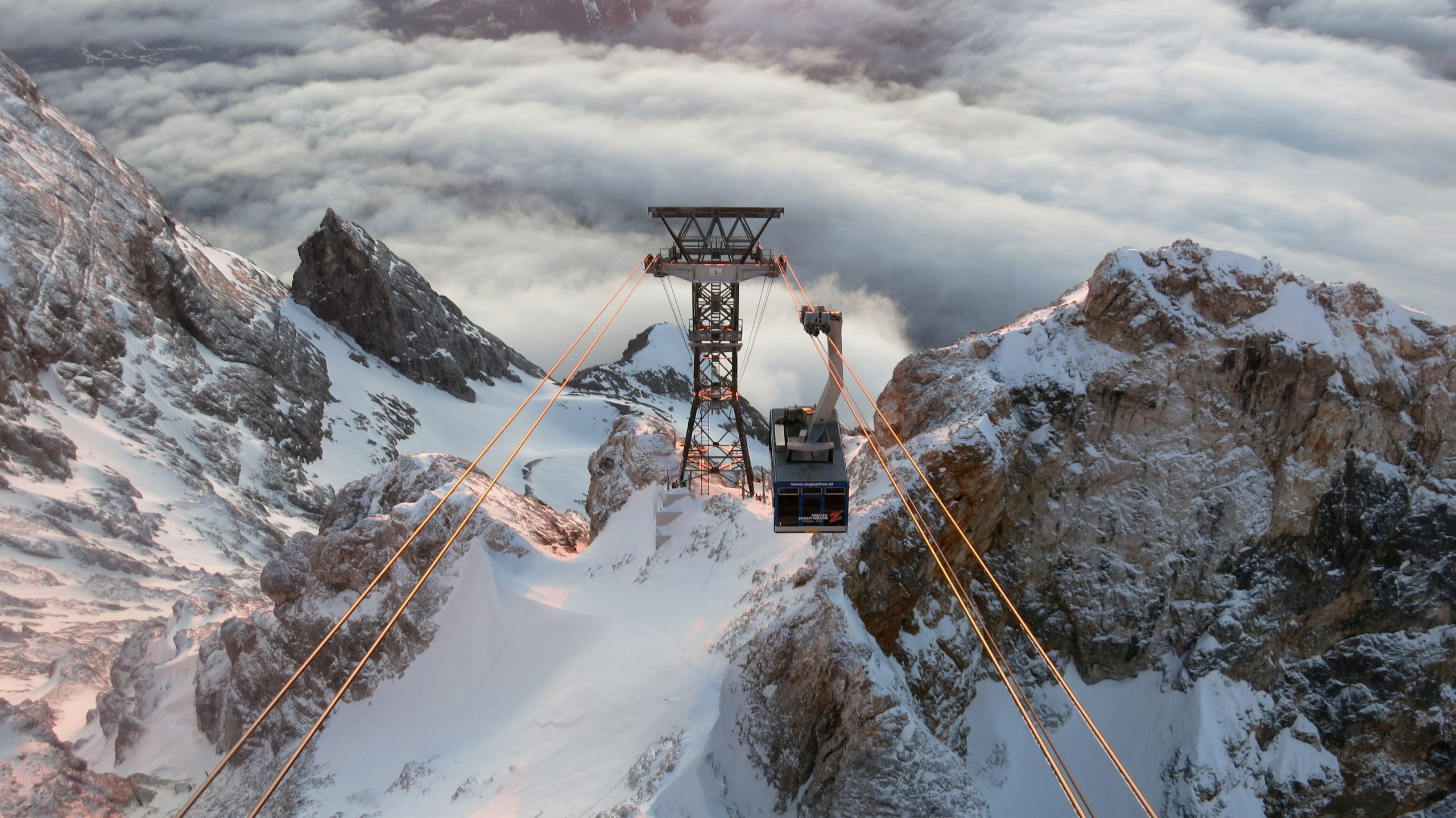
Germany’s ski season runs from late November through late March, but what that means in practice depends heavily on where and when travelers plan to go. Conditions vary enough by elevation and region that picking the right resort for the right month is the most important planning decision skiers will make.
The primary skiing region is the Bavarian Alps in southern Germany. The Zugspitze, Germany’s highest peak at 2,962m, sits at the top of the snow-reliability scale. Most other resorts operate between 800m and 1,800m, which puts them in a more weather-dependent position.
One note on geography: some areas commonly grouped under “German ski resorts” include cross-border terrain. The Kleinwalsertal, for example, is technically in Austria but is only accessible from Germany and regularly appears on German ski trip itineraries. This guide treats those areas as part of the planning picture.
The month-by-month framing here is a planning tool, not a forecast. Natural snowfall is variable from year to year, and several lower-elevation resorts rely significantly on snowmaking to stay open through shoulder months.
Best Ski Resorts in December

December is early-season skiing in Germany. The picture is uneven: lower-elevation resorts often have limited terrain open, snowmaking is doing most of the work below 1,200m, and a natural snow year makes a bigger difference in December than in any other month. That said, two options stand out for travelers who want reliable skiing from early in the season.
Zugspitze is the clearest choice for December. The glacier terrain at nearly 3,000m opens earlier than anywhere else in Germany and holds snow when resorts at lower elevations are still patchy or waiting for their first good storm. Skiers who want to maximize the odds of decent conditions in December should prioritize elevation, and nothing in Germany comes close to the Zugspitze in that respect.
Garmisch-Partenkirchen offers a fuller resort town experience with better infrastructure than most German ski areas. The lower Garmisch slopes can be hit or miss in early December, but the Classic ski area typically has enough coverage by mid-month. The town itself is one of the best-set-up resort bases in Germany, with accommodation, restaurants, and transport links that smaller areas can’t match.
December works best for skiers who are comfortable with limited terrain and variable conditions. It also suits travelers combining a ski day or two with Christmas market visits in towns like Garmisch or Oberstdorf, where the markets run through mid to late December.
December is not the right month for skiers expecting full resort capacity or consistent groomed runs across a wide trail network.
Best Ski Resorts in January
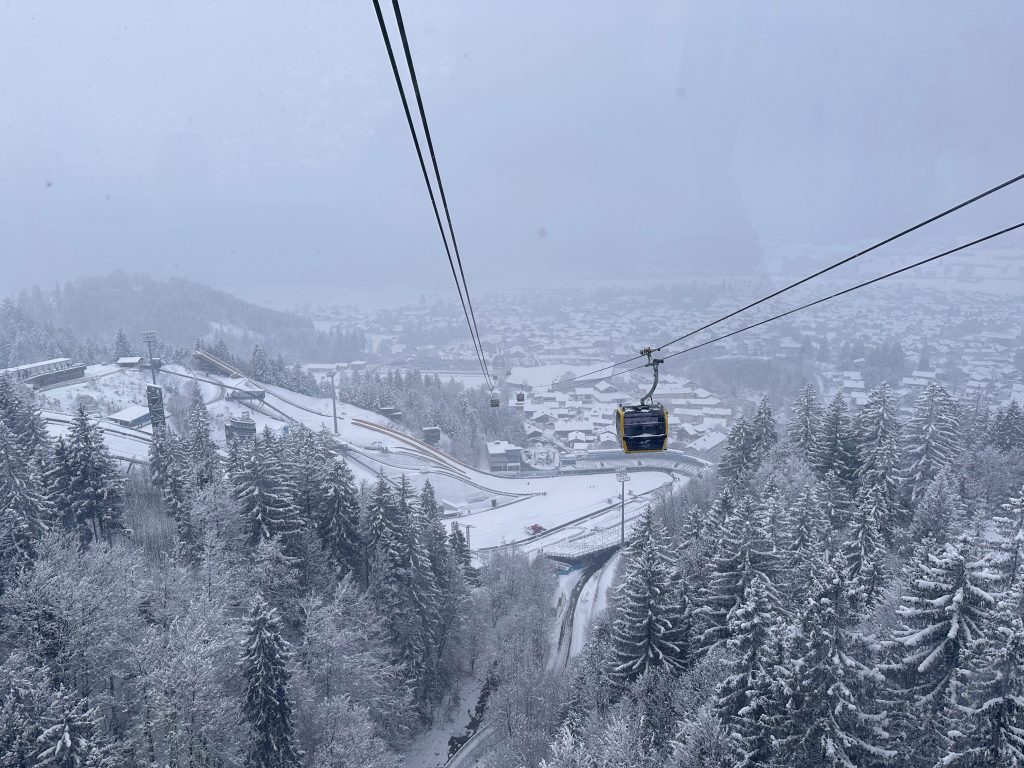
January is the most consistently snowy month across the German Alps. Natural snowfall is more reliable than in December, temperatures hold steady, and most resorts are operating at or near full capacity. For travelers with flexibility, January is a strong choice.
Oberstdorf / Kleinwalsertal makes a compelling case as the best combined ski area in Germany for January. The Allgäu Alps terrain offers substantial variety, lift infrastructure that can handle reasonable crowds, and valley towns with a quieter, more local character than Garmisch-Partenkirchen during peak weeks. The cross-border ski area adds breadth that few purely German resorts can match.
Berchtesgaden / Jenner is a lower-key alternative worth considering, though travelers should understand what they’re getting. The Jenner mountain no longer operates as a traditional alpine ski resort with groomed runs. Instead, it focuses on ski touring, freeriding, and tobogganing. The setting above the Königssee is striking and crowds are notably thinner than at larger resorts, but anyone expecting conventional piste skiing should look elsewhere.
January’s main planning challenge is timing around school holidays. Late January, particularly around German school holiday periods, is one of the busiest stretches of the ski season. Early booking is essential for this window. Midweek skiing in January is noticeably more relaxed than weekends throughout the month.
Best Ski Resorts in February
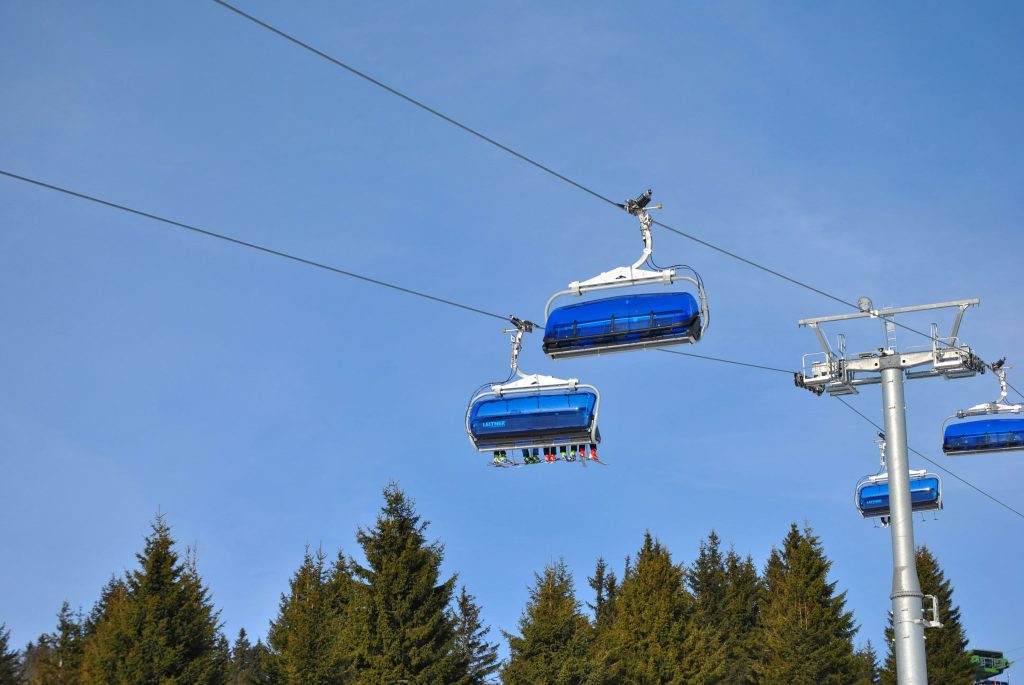
February is peak season. Average snow depth is at its best, daylight hours are the longest of the winter months, and the full range of resort amenities is operating. It is also the most expensive and crowded period of the German ski season.
Garmisch-Partenkirchen and Oberstdorf / Kleinwalsertal remain the strongest choices in February, as they are throughout the core winter. But February is also when several mid-sized resorts come into their own with solid snow coverage.
Other resorts that typically offer reliable conditions in February include:
- Steinplatte Winklmoosalm (near Reit im Winkl): good terrain variety for intermediates, popular with families
- Balderschwang: one of the snowiest villages in Germany by reputation, well-suited for quieter trips
- Oberjoch (Bad Hindelang): a mid-sized family resort in the Allgäu with consistent snow at its upper elevations
- Sudelfeld near Bayrischzell: the largest ski area in Bavaria by piste length, accessible from Munich
- Brauneck near Lenggries: a reliable mid-range option an hour south of Munich, with good beginner and intermediate terrain
- Feldberg (Black Forest): Germany’s highest peak outside the Alps at 1,493m; worth considering for travelers based in the southwest, though terrain variety is more limited than Bavarian options
The tradeoff in February is straightforward: better snow, more people. Lift queues are real, particularly on weekends and during the Fasching (Carnival) holiday period, which typically falls in the second or third week of February depending on the year. Travelers who can avoid those specific weeks or who are willing to ski midweek will have a significantly better experience. Anyone planning a February trip should book accommodation and lift passes well in advance.
Best Ski Resorts in March
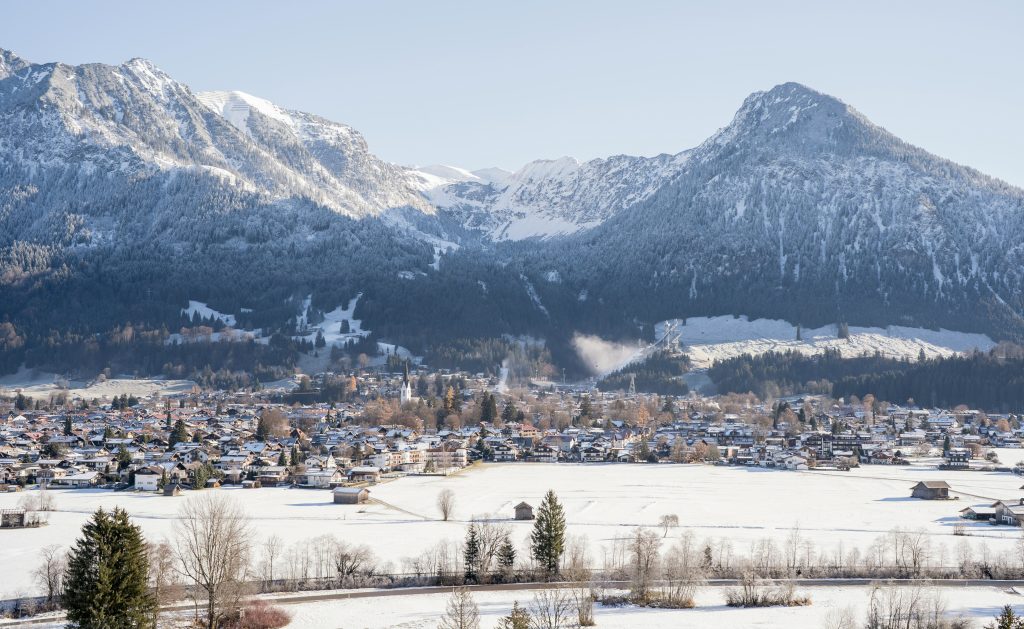
March is an underappreciated month for skiing in Germany. Prices drop, crowds thin considerably after school holidays end, and daylight hours are noticeably longer than in December or January. The main risk is variable snow below 1,500m, where spring warmth starts to affect lower slopes.
Zugspitze is again the anchor recommendation for late-season skiing. Its elevation means skiing continues well into March even when resorts at lower elevations are past their best. The glacier terrain is less sensitive to the temperature swings that affect lower areas, making it the most dependable option for travelers with March travel dates.
Oberstdorf / Nebelhorn holds up well into March for a different reason. The Nebelhorn cable car accesses terrain above 2,000m that retains spring snow in good condition. The transition to corn snow in mid to late March can be enjoyable for intermediate and advanced skiers who know how to work with changing surface conditions.
March suits confident intermediate and advanced skiers who can read conditions and adjust their plans accordingly. It also works well for budget-conscious travelers and anyone who values space on the mountain over perfect grooming. Beginners may find March conditions more challenging, particularly if they’re expecting the uniform groomed surfaces that January or February reliably provides.
Late-Season Skiing: How Long Does It Last?
Travelers sometimes ask whether skiing in Germany is possible in late March or April. The honest answer is: rarely, and only in one place.
Zugspitze’s glacier can remain skiable through April in strong snow years. This is the only location in Germany where late-season skiing is a realistic possibility rather than an exception.
Lower resorts, generally those below 1,500m, typically close by the end of March or earlier if snowfall has been below average. Mid-elevation resorts like Oberstdorf’s upper terrain usually fall somewhere in between, with closures in late March being the norm rather than the exception.
Late-season skiing is best treated as a bonus, not a baseline expectation. Travelers booking specifically for late March or April should focus exclusively on high-altitude options, with Zugspitze as the only genuinely reliable choice in Germany.
Snow Reliability: What the Elevations Actually Mean
Elevation is the single most useful variable when assessing snow reliability at German ski resorts. A simple three-tier framing helps clarify expectations.
Above 2,000m (Zugspitze): Genuinely reliable from early December through late March, with realistic late-season potential into April. No other German resort operates at this elevation.
Between 1,200m and 1,800m (most Allgäu and Berchtesgaden area resorts): Good conditions during the core winter months of January and February. Variable at season edges, particularly December and late March. Natural snowfall matters more here than at higher elevations.
Below 1,200m: Snowmaking-dependent. These resorts can stay operational during good cold spells but are genuinely vulnerable to mild or low-snow winters. Their season windows are narrower, and coverage is less consistent.
German resorts invest heavily in artificial snow infrastructure, which improves the floor for lower-elevation areas but does not replicate a natural snow year. Snowmaking keeps lower slopes operational during marginal periods, but it does not extend the season significantly.
Travelers comparing Germany to Austria or Switzerland should note that German resorts are generally lower in elevation. This is the most relevant single factor for expectations. A skier used to Ischgl or Verbier will notice the difference in terrain scale and snow reliability. German resorts compete on accessibility, character, and cultural experience rather than on sheer ski-area scale.
Practical Logistics Worth Knowing Before You Go
Several logistics questions come up repeatedly for travelers planning a German ski trip.
Lift passes: Most resorts sell daily passes, and multi-day passes are available at larger areas. The Zugspitze and Garmisch-Partenkirchen areas operate under a combined pass that covers both. Oberstdorf connects with the Kleinwalsertal ski area across the Austrian border, making the combined area significantly larger than either side alone.
Getting there without a car:
- Garmisch-Partenkirchen is accessible by direct train from Munich in approximately 90 minutes, making it one of the most car-free-friendly options in Germany
- Oberstdorf has reliable rail connections via Immenstadt, though the journey from Munich takes longer
- Berchtesgaden is reachable by train but involves more connections and travel time than the western options
- Local ski buses run in most resort areas and connect train stations to lift bases
Booking windows: February requires the longest lead time, particularly around school holiday periods. December and March allow more flexibility and can often be booked closer to travel dates without premium pricing penalties.
Altitude: Most German skiing tops out under 2,000m. Altitude sickness is essentially a non-issue across the German Alps, including the Zugspitze (where visitors are transported by cable car or cog railway rather than skiing upward). This is a meaningful differentiator from higher Alpine destinations and relevant for travelers with altitude sensitivity.
How German Ski Resorts Compare to Their Neighbors
German resorts are smaller in total skiable terrain and generally lower in elevation than comparable options in Austria or Switzerland. That comparison matters for setting expectations before booking.
What German resorts offer instead is accessibility. Garmisch-Partenkirchen is 90 minutes from Munich by train. Oberstdorf and Berchtesgaden draw significant local and regional traffic precisely because they are easy to reach from major Bavarian cities without a flight or long drive.
Resort towns like Garmisch and Oberstdorf have genuine local character that extends beyond the ski infrastructure. The cultural experience differs from purpose-built Alpine resort towns, and for some travelers, that is the main draw.
German ski resorts work best for weekend trips from Munich or other Bavarian cities, families, beginners and intermediates, and travelers combining skiing with other German travel. They are less well-suited for advanced skiers seeking high-altitude terrain, expansive backcountry access, or glacier touring at scale.
Choosing the Right Resort for Your Trip
The best German ski resort shifts depending on when a traveler is going and what they’re prioritizing. A quick decision guide based on the most common priorities:
- Snow reliability as the top priority: Zugspitze, in any month
- Terrain variety and resort atmosphere: Oberstdorf / Kleinwalsertal, particularly in January and February
- Accessibility from Munich without a car: Garmisch-Partenkirchen, which has the best direct train connection
- Fewer crowds and distinctive scenery: Berchtesgaden area, keeping in mind that the Jenner no longer operates as a conventional alpine ski area
The monthly framing in this guide exists because the “best” resort genuinely changes with timing. Zugspitze is the right call in early December and late March. Oberstdorf makes more sense in January when conditions are consistent and the combined terrain with Kleinwalsertal is at full strength. Garmisch-Partenkirchen is hardest to argue against in February when its infrastructure handles peak-season volume better than smaller resorts.
Building in flexibility is standard practice for German ski trips. Checking current snow reports and having a higher-elevation backup plan when lower slopes are thin is something experienced visitors account for as a matter of course, not an afterthought.


